Listen to this article
Maternity care scandals have revealed critical failings within healthcare systems, leading to devastating consequences for families. The Ockenden alert, a vital initiative born from tragic experiences, aims to enhance maternity care improvements by ensuring that medical histories acknowledge past trauma. With cases of medical negligence highlighted in a recent maternity services review, it becomes clear that the emotional scars of these incidents are often relived at every medical appointment. Trauma-informed care is essential, as it not only recognizes these hardships but also prompts healthcare providers to approach treatment with a sensitive, understanding mindset. As families like Kayleigh Griffiths’ advocate for systemic change, the importance of addressing maternity care scandals cannot be overstated.
When we discuss failures in childbirth and maternal healthcare, terms like maternity malpractice and adverse birth events come to the forefront. These unfortunate incidents echo the broader need for systemic reform and continuous improvement in healthcare practices. Families affected by these issues often find themselves navigating a landscape filled with emotional pain and medical complexities. Advocates are pushing for trauma-sensitive practices that ensure clinicians comprehend the profound impact that past care failures can have on families. Such dialogue fosters a culture where informed approaches to maternity care are prioritized, ultimately enhancing the patient experience across the board.
Understanding Maternity Care Scandals
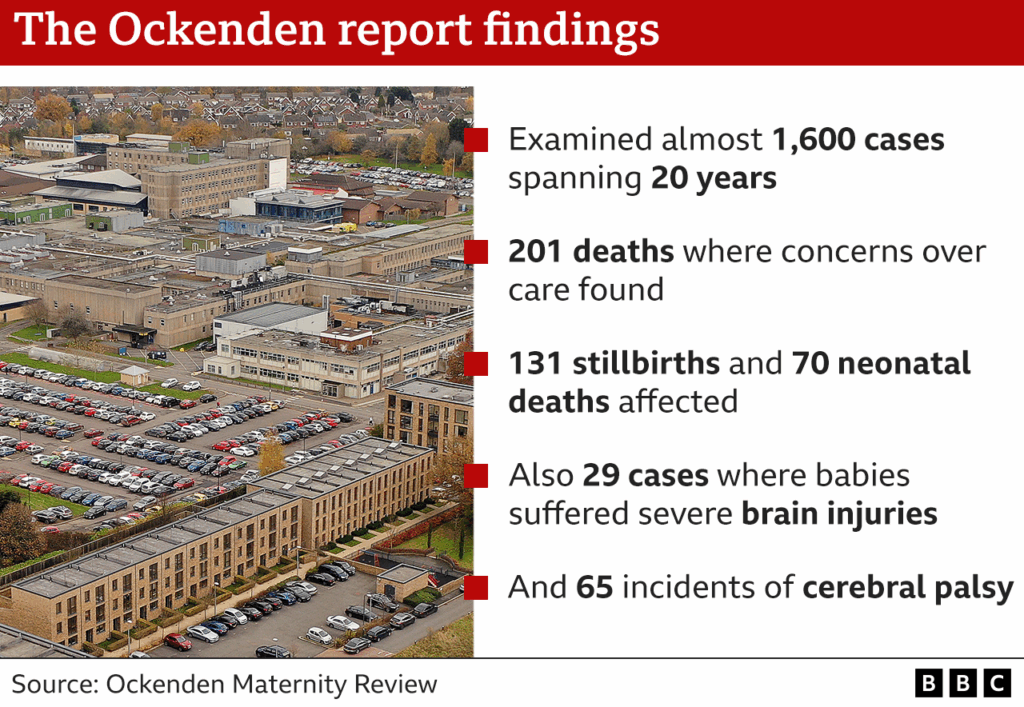
Maternity care scandals have brought to light significant failings within healthcare systems and the devastating impact on families. These incidents often expose a pattern of medical negligence that results in loss or harm to infants and mothers alike. The 2022 Ockenden review revealed shocking statistics surrounding maternity care, demonstrating that over 200 babies and several mothers could have survived had they received adequate care. This revelation has prompted calls for reforms designed to ensure that tragedies like these never happen again.
The emotional toll of these experiences is profound, often leaving parents to battle not only their grief but also the continuous retelling of their trauma at future medical appointments. Kayleigh Griffiths’s account exemplifies this suffering. The introduction of alerts, such as the Ockenden alert, could serve as a beacon of hope, helping families avoid distressing recounts of their heartbreak to medical professionals who may not fully understand their history.
The Importance of the Ockenden Alert in Maternity Care Improvements
The Ockenden alert stands as a critical initiative geared towards enhancing the quality of maternity care in the UK. It is designed to flag patients who have experienced significant trauma related to maternity care, allowing for caregivers to approach their treatment with more sensitivity and knowledge. Acknowledge that an alert system could help trace a family’s history, thus providing a more tailored and compassionate healthcare experience to those who have already endured significant loss.
As families advocate for broader implementation of the Ockenden alert, the potential for transformational change in healthcare practices becomes evident. It serves not merely as a warning, but a facilitator of trauma-informed care, aiming to ensure that medical staff are prepared to meet the unique needs of families affected by maternity scandals. By integrating this alert into maternity services review and expanding its use across various types of medical care, the healthcare system can take essential steps toward preventing further tragedies.
Addressing Medical Negligence in Maternity Services
Medical negligence remains a critical element in the discussion of maternity care scandals, as it directly correlates to recurrent issues faced by families who have experienced traumatic births. The horror stories, like that of Kayleigh Griffiths, reveal that systemic failures often contribute to preventable adverse outcomes, highlighting the necessity for stringent protocols and continual training for healthcare providers in maternity services. Failure to learn from past mistakes perpetuates a cycle of harm that too many families endure.
To combat medical negligence, comprehensive reviews of maternity services, like those spearheaded by the Ockenden report, unveil not only the shortcomings but also pave the way for implementation of new practices that prioritize patient welfare. Efforts to improve training around baby loss and ensuring that healthcare providers are equipped with the knowledge to offer trauma-informed care will be paramount in eradicating medical negligence from childbirth experiences.
The Journey Toward Trauma-Informed Care in Maternity Services
The concept of trauma-informed care is gaining traction, particularly within maternity services as patients and advocates like Reverend Charlotte Cheshire highlight the need for understanding and compassion among medical staff. Trauma-informed care means recognizing the complexities that families bring into every appointment, particularly those like Cheshire, who must repeatedly recount their narrative of loss and struggle. By instilling a trauma-informed approach within maternity care, healthcare workers can build a more empathetic response to families, thus reducing the emotional strain associated with each visit.
Incorporating trauma-informed principles in maternity services is not only beneficial for the families impacted but also for the healthcare systems as a whole. With an increasing awareness of how trauma can affect health outcomes, integrating these practices can lead to significant improvements in care quality and patient satisfaction. As highlighted in the ongoing discussions around Ockenden alerts, making these changes can create a more supportive environment for families who are often grappling with deep loss and grief.
Expanding the Ockenden Alert Beyond Maternity Care
While the Ockenden alert initially focuses on maternity care, its potential applications extend well beyond this realm. The underlying principles of recognizing trauma can apply to various medical fields, from mental health services to emergency care. Families dealing with experiences of sexual abuse, mental health struggles, or chronic illness often navigate complex healthcare systems, and alerts akin to the Ockenden could significantly enhance the quality of care they receive by ensuring medical professionals are aware of their unique challenges.
Advocates like Mrs. Griffiths see the potential for broader adoption of such alerts to improve overall healthcare experiences. Implementing similar systems across different areas of healthcare can contribute to a culture in which patient history is understood and valued, setting a new standard for care across all services. By advocating for an extension of the Ockenden alert, families can play an essential role in shaping a healthcare environment that prioritizes sensitivity and awareness.
The Need for Comprehensive Training in Maternity Care
Comprehensive training for medical professionals is an integral aspect of preventing future maternity care scandals. Advocates like Kayleigh Griffiths are pushing for educational reforms, recognizing that healthcare providers must be better equipped to handle cases of trauma and loss. This involves not only improved training on the medical aspects of care but also understanding the psychological impacts of losing a child and the myriad emotional challenges families face. Building a strong foundation in these areas is essential for any healthcare system striving to deliver exceptional care.
Incorporating education on baby loss into the standard curriculum for medical practitioners can significantly reduce the likelihood of repeating past mistakes. With an emphasis on fostering empathy and understanding the complex needs of bereaved families, healthcare settings can transition from mere treatment-oriented approaches to holistic care that respects and acknowledges the emotional journey each family undertakes. Such advancements in training will lay the groundwork for improved relationships between families and healthcare providers.
Policy Changes Driven by Family Advocacy
Family advocacy has emerged as a driving force in initiating policy changes within maternity care. The testimonies of families impacted by maternity scandals highlight systemic issues demanding attention. As seen in the ongoing efforts led by figures like Kayleigh Griffiths and Reverend Charlotte Cheshire, their personal narratives not only shed light on the flaws within maternity services but also serve as powerful catalysts for change. Their call for improved protocols, such as the introduction of the Ockenden alert, reflects the urgent need for healthcare policies that prioritize patient safety and wellbeing.
The voices of those affected by maternity care scandals are crucial to shaping effective policies. By actively engaging with policymakers and healthcare administrators, families can influence the implementation of practices that prevent future tragedies. The momentum from these advocacy efforts fosters a culture of accountability in healthcare, helping to ensure that lessons learned from past mistakes are integrated into the transformative changes needed within maternity care.
Creating Support Networks for Families in Maternity Care Crisis
The establishment of support networks for families affected by maternity scandals represents a necessary evolution in how healthcare systems address trauma and healing. These networks can provide shared experiences, emotional support, and practical resources to families grappling with the aftermath of care failures. Building a community of support facilitates healing while also enabling families to advocate for improvements within the healthcare system collectively.
Through the formation of these support groups, families can share insights on navigating the complexities of the healthcare system while addressing the long-term impacts of their experiences. They can hold healthcare providers accountable and ensure that their needs are met during both routine and critical care situations. Collaboratively, families can push for systemic changes, advocating for preventive measures that protect against the harm associated with inadequate maternity care.
The Role of Healthcare Organizations in Transforming Maternity Services
Healthcare organizations play a pivotal role in responding to the demands for change in maternity services. As illustrated by the reaction of the Shrewsbury and Telford Hospital NHS Trust’s leadership, understanding the need for integration of alerts like the Ockenden is paramount. Organizations must commit to listening to families’ stories and implementing policies that address the deficiencies identified in reviews of maternity care. Only through active engagement in these dialogues can they foster an environment where safety and patient experience are prioritized.
In a landscape marked by past failures, healthcare organizations must champion a culture of continuous improvement. This involves not only adopting best practices derived from comprehensive reviews but also implementing training and support mechanisms for staff. Ensuring that maternity teams are educated about trauma, medical negligence, and the significance of emotional care will ultimately shape a more robust framework for delivering high-quality maternity services.
Frequently Asked Questions
What is the Ockenden alert in relation to maternity care scandals?
The Ockenden alert is a medical notes system designed to flag the histories of families affected by failures in maternity care, especially those who have experienced trauma or medical negligence. It aims to ensure healthcare providers are aware of the complex backgrounds of these families, thus improving communication and care.
How have maternity care improvements emerged from recent maternity scandals?
Recent maternity care scandals, such as the Shrewsbury and Telford NHS Trust investigation, have prompted significant maternity care improvements. In response to the Ockenden review, healthcare institutions are implementing alerts like the Ockenden alert and revisiting training protocols for medical professionals to prevent similar medical negligence in the future.
What is the impact of medical negligence on families involved in maternity care scandals?
Medical negligence in maternity care can have devastating effects on families, leading to preventable deaths of babies and mothers. Personal accounts from affected families underscore the trauma and long-lasting consequences they face, as well as the need for improved trauma-informed care and systems like the Ockenden alert to better address these complexities.
How does the Ockenden review influence the future of maternity services?
The Ockenden review has highlighted significant gaps in maternity services, leading to a nationwide call for reform. It encourages hospitals to adopt practices such as the Ockenden alert, enhanced training for medical staff, and comprehensive maternity services reviews in order to improve patient safety and prevent future maternity care scandals.
What role do families play in advocating for maternity care improvements after scandals?
Families affected by maternity care scandals play a critical role in advocating for improvements. Their experiences highlight the necessity for reforms such as the Ockenden alert, ensuring that healthcare systems become more trauma-informed and responsive to the needs of families who have endured medical negligence in maternity care.
What types of trauma-informed care can be introduced following maternity care scandals?
Following maternity care scandals, trauma-informed care can include practices that prioritize the emotional and psychological needs of families. This may involve training healthcare providers to recognize signs of trauma, using the Ockenden alert system for better understanding a family’s history, and creating a supportive environment that fosters trust and communication.
What were the findings of the Ockenden report regarding maternal and neonatal safety?
The Ockenden report found alarming issues within maternity services at the Shrewsbury and Telford NHS Trust, where over 200 babies and nine mothers could have survived with improved care. It highlighted the urgent need for better safety protocols and the implementation of alerts such as the Ockenden alert to prevent future tragedies.
How can individuals ensure their maternity care history is properly recorded after a scandal?
Individuals can ensure their maternity care history is properly recorded by requesting the Ockenden alert be added to their medical notes. This alert informs healthcare professionals of their past experiences with maternity care, which helps to tailor care appropriately and mitigate the risk of retriggering trauma.
| Key Points | Details |
|---|---|
| Call for Medical Notes Alert | Introduced by families affected by maternity scandals, aiming to improve awareness among healthcare providers. |
| Kayleigh Griffiths’ Experience | Lost her baby in 2016 due to care failures, pushing for the Ockenden alert on her records to avoid retelling her traumatic story at every appointment. |
| Ockenden Review Findings | Conducted by Donna Ockenden, identified over 200 babies and nine mothers could have survived if given better care. |
| Request for Broader Implementation | Mrs. Griffiths advocates for the alert to be used nationally to assist all families affected by maternity care issues. |
| Rev. Charlotte Cheshire’s Advocacy | Her son experienced life-altering injuries. She supports the alert for better understanding of families’ trauma during medical appointments. |
| Jo Williams’ Support | SaTH’s chief executive emphasized hope to extend the alert to other care areas while learning from families’ experiences. |
Summary
Maternity care scandals have profoundly impacted families, highlighting severe failures in the healthcare system that have caused immense pain and trauma. The push for the medical notes alert represents a crucial step towards addressing these failures, as seen through the experiences of mothers like Kayleigh Griffiths and concerns raised by advocates like Rev. Charlotte Cheshire. Their calls for better communication and understanding in medical settings emphasize the need for systemic change to prevent future tragedies and ensure that all families receive the compassionate care they deserve.