
Listen to this article
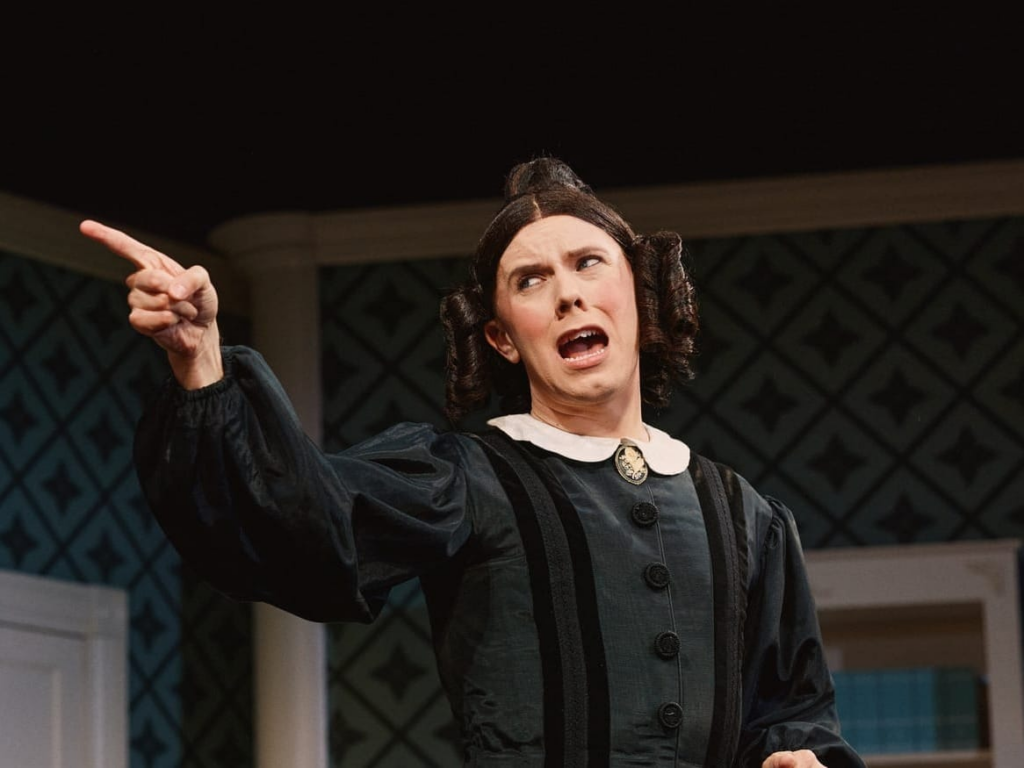
Oh, Mary! boldly reimagines the life of Mary Todd Lincoln not as a First Lady dulled by the shadows of the American Civil War, but as a cabaret star chasing her absurd dreams. Set to dazzle audiences in London’s West End after a sensational run in New York, this captivating play stars Cole Escola, whose unique portrayal of Mary encapsulates the chaos and humor of her life, branding the show as a must-see attraction. As the first non-binary actor to win a Tony Award, Escola brings a fresh perspective that has garnered tantalizing comparisons to the cultural phenomenon of Hamilton. Critics are already dubbing it one of the best comedies in recent memory, hinting at its potential to make a lasting impact on the theatre scene. With a blend of outrageous storytelling and striking performances, Oh, Mary! not only entertains but challenges audiences to rethink historical narratives in a modern light.
This innovative production, Oh, Mary!, delves into the eccentricity of Mary Todd Lincoln, presenting her not merely as a historical figure but as a vibrant character trying to break free from societal shackles. The narrative, which gallivants through Mary’s attempts to carve out a cabaret star career amidst political turmoil, aligns with contemporary discussions of identity in the performing arts. Londres’ theatre scene is buzzing with excitement over this one-act marvel that combines humor and history, facilitated by the bold creative vision of Cole Escola. As it leads the charge in revamping the portrayal of historically significant women, this piece also resonates with modern audiences grappling with their personal dreams against the backdrop of external expectations. With Oh, Mary! blazing trails in London, it stands poised to join the ranks of iconic theatre productions.
The Bold Transformation of Mary Todd Lincoln in Oh, Mary!
In the innovative play Oh, Mary!, audiences are presented with a startling reinterpretation of Mary Todd Lincoln, who is depicted as a flamboyant and unapologetic cabaret star. This transformation allows for a fresh perspective on a historical figure often pigeonholed by her association with the somber backdrop of the American Civil War. Instead of being defined by her husband, Abraham Lincoln, and the constraints of her era, this version of Mary seeks her own path, marked by humor and a flamboyant carelessness that stands in sharp contrast to the conventions of her time.
The juxtaposition of Mary Todd Lincoln’s historical realities with a whimsical and wild cabaret yearning adds depth to the narrative. This interplay invites the audience to ponder how the pressures of her position may have fostered an alternate persona — one that thrives on extravagance and seeks validation away from the weighty expectations of being First Lady. Oh, Mary! thus crafts a narrative that forces viewers to reconcile the stark contradictions of Mary’s life, ultimately questioning what true autonomy means for a woman of her standing.
Oh, Mary! Breaks Boundaries in the West End Theatre Scene
With its anticipated opening in London’s West End, Oh, Mary! is set to captivate British audiences with its unique blend of tragicomedy and historical satire. The play has managed to create a sensational buzz, positioning itself not only as a piece of cultural commentary but also as a significant contender in the evolving landscape of London theatre. Featuring a star-studded cast and an innovative approach to storytelling, the production promises to deliver an experience that resonates with contemporary audiences while harking back to the theatrical traditions of the past.
The play’s success signals a rising interest in narratives that challenge historical perceptions, blending serious themes with light-hearted humor. With its roots in the vibrant New York theatre scene, Oh, Mary! carries the torch of innovative storytelling into new territories, pushing the boundaries of traditional narratives found in West End productions. This presents an opportunity for London theatre-goers to engage with material that is both relatable and provocative, opening dialogues about genre, identity, and historical reinterpretation.
Cole Escola: Breaking New Ground in Theatre
Cole Escola, the force behind Oh, Mary!, stands out not only for their role as the writer and lead actor but also for becoming the first non-binary performer to win a Tony Award. This historical achievement reflects a broader shift in the recognition of diverse identities within the performing arts, showcasing the necessity for inclusive representation on stage. Escola’s vision for Mary Todd Lincoln extends beyond the role itself; it symbolizes a movement towards greater visibility for non-binary and transgender performers in a traditionally rigid industry.
The impact of Escola’s success reverberates through the theatre community, inspiring aspiring artists who yearn for representation and validation in their respective fields. As they step into the shoes of Mary, Escola cracks open conversations around gender identity in a space often characterized by conventional roles. With Oh, Mary!, there lies an opportunity to highlight the importance of compassion and understanding for those who do not conform to traditional gender binaries, pushing the envelope for future theatrical productions.
The Audience’s Response: Is Oh, Mary! the New Hamilton?
The overwhelming enthusiasm for Oh, Mary! among audiences and critics alike has sparked comparisons to the cultural phenomenon, Hamilton. This question invites a rich discussion about the transformative power of theatre in the present-day landscape. Just as Hamilton redefined musical theatre and made history accessible through catchy tunes and relatable narratives, Oh, Mary! breathes new life into historical storytelling, blending humor with poignant exploration of identity and personal agency.
As the play garners acclaim in London, the buzz surrounding its potential to emulate the groundbreaking success of Hamilton grows louder. Observers note the appealing absurdity and relatable themes that invite audience members to engage with Mary’s struggles in a modern light. The show’s uniqueness lies in its ability to make a historical figure’s narrative feel fresh and entertaining, illustrating how theatre can serve not only as a reflection of the past but as a mirror to present societal issues, fostering discussions around freedom, self-expression, and the thirst for visibility.
The Role of Satire in Oh, Mary!
Oh, Mary! excels in its use of satire, cleverly dissecting the rigid historical narratives surrounding Mary Todd Lincoln. In an era where the line between fact and fiction often blurs, the play emboldens audiences to embrace the ridiculousness of history while inviting critical thought about its implications. The comedic elements serve not just to entertain but to challenge preconceived notions about Mary’s life, referencing her perceived frivolities while shedding light on the harsh realities she faced.
Through its farcical lens, Oh, Mary! urges the audience to find amusement even within the sobering contexts of history, prompting a dialogue about how satire can be a tool for reflection and critique. The integration of contemporary tropes, including references to modern-day social issues, demonstrates how theatre can bridge past and present, allowing viewers to connect emotionally and intellectually with issues of identity, gender, and societal expectations.
The Evolution of Mary Todd Lincoln’s Narrative
The narrative surrounding Mary Todd Lincoln has evolved significantly over the years, and Oh, Mary! represents a pivotal moment in this transformation. Historically subjected to scorn for her behavior and spending habits, this play offers a recontextualization of her actions within a modern framework, emphasizing her humanity and desires. By presenting her as a character grappling with her identity and seeking validation beyond her role as First Lady, the production invites audiences to reconsider the victimization of women in history.
This contemporary reinterpretation of Mary Todd Lincoln reflects a changing cultural landscape where narratives are being reclaimed and redefined. In breaking free from traditional portrayals, Oh, Mary! offers a chance for audiences to empathize with Mary, recognizing her struggles as emblematic of many who seek to carve out their identities against societal expectations. This evolution is essential, fostering a discourse on how history remembers its figures, particularly women who defied the norm.
The Cultural Significance of Oh, Mary!
Oh, Mary! is more than just a playful retelling; it is a spotlight on the complexities of identity and cultural representation in theatre. As Mary Todd Lincoln navigates her tumultuous life with humor and flair, audiences are compelled to reflect on their own narratives amidst societal pressures. The play’s humorous yet poignant take on Mary is a reminder of the importance of narrative control, especially for marginalized figures whose stories have often been told through the lens of others.
The cultural significance of Oh, Mary! extends beyond the stage, as it underscores the urgency for inclusive representations in modern storytelling. By centering a non-binary performer and challenging historical conventions, the play actively engages with contemporary dialogues on gender identity and expression. It serves as a vital reminder that theatre can be a powerful medium for change, encouraging audiences to not only appreciate the art but also to reflect on the stories being told and who has the power to tell them.
The Future of Female Figures in Theatre
The trailblazing narrative of Oh, Mary! sets a precedent for future depictions of female figures in theatre, encouraging playwrights to move beyond one-dimensional portrayals. This resurgence of interest in women’s voices and experiences not only exalts those who have been sidelined but also opens the doors for new stories to be told. As Mary Todd Lincoln’s character expands to include humor and depth, other playwrights may find inspiration to similarly reimagine historical women through multifaceted lenses.
The dialogue initiated by Oh, Mary! pushes for a broader representation of female experiences in theatre, questioning traditional archetypes and shining a light on the complexities of their real lives. The unfolding storylines encourage audience reflection on women’s roles throughout history, invigorating discussions on empowerment, identity, and freedom. This theatrical movement towards richer narratives signifies a promising future for female figures in storytelling, one where they can be celebrated for their multifarious identities rather than simply as subjects of their circumstances.
Frequently Asked Questions
What is the main premise of Oh, Mary! the Mary Todd Lincoln play?
Oh, Mary! is a comedic one-act play that reimagines Mary Todd Lincoln as a flamboyant and unhinged character who is more interested in becoming a cabaret star than dealing with the American Civil War. The play explores her tumultuous relationship with President Abraham Lincoln during the final weeks before his assassination.
Who wrote and stars in the Oh, Mary! West End theatre production?
Cole Escola is the creator of Oh, Mary! and originated the role of Mary Todd Lincoln in New York, winning the Tony Award for Best Leading Actor in a Play. The production has now transferred to West End theatre in London and Escola’s character is brought to life again by Mason Alexander Park.
How has Oh, Mary! been received in the London theatre scene?
After its successful run on Broadway, Oh, Mary! opened in London’s West End to critical acclaim, being described as one of the best comedies in years and drawing a star-studded audience including Hollywood icons. The play’s unique take on historical figures has sparked conversations about its potential to be the new Hamilton in terms of cultural impact.
What elements make Oh, Mary! different from other plays about historical figures?
Oh, Mary! stands out due to its irreverent and comedic portrayal of Mary Todd Lincoln, focusing on humorous and exaggerated aspects of her life rather than strict historical accuracy. It combines melodrama with pop culture themes, resulting in a full-frontal satire that appeals to contemporary audiences.
How does Oh, Mary! address themes of identity and performance?
The play emphasizes themes of identity and the desire for visibility, particularly through the character of Mary Todd Lincoln, who wants to be seen and loved. The casting of Cole Escola as a non-binary performer highlights the importance of representation in theatre, making Oh, Mary! a significant piece in discussions around gender and performance.
What has been the audience’s reaction to Oh, Mary! in London?
Audiences in London have reacted positively to Oh, Mary!, finding it both entertaining and relatable amidst pressing global issues. The play’s comedic nature provides a sense of relief and joy, resonating with viewers who appreciate its blend of absurdity and heartfelt moments.
What awards has Oh, Mary! garnered in its theatrical journey?
Oh, Mary! has received acclaim including Tony Awards for Best Leading Actor in a Play awarded to Cole Escola and Best Director to Sam Pinkleton, underscoring its success and impact in the theatre community.
How does Oh, Mary! compare to other contemporary plays about historical figures, like Hamilton?
Oh, Mary! shares similarities with productions like Hamilton in its creative approach to historical narratives and its potential to ignite public interest in lesser-known historical figures. However, it distinguishes itself through its comedic tone and satirical exploration of Mary Todd Lincoln’s life.
Where did Oh, Mary! originate before moving to the West End?
Oh, Mary! originated in New York, where it enjoyed a successful run on Broadway before making its exciting transition to the West End theatre scene in London.
What role does humor play in Oh, Mary! and its portrayal of Mary Todd Lincoln?
Humor is central to Oh, Mary!, allowing for a light-hearted exploration of Mary Todd Lincoln’s complexities. The comedic elements not only entertain but also provoke thought about the societal expectations of historical figures, making it relatable for modern audiences.
| Key Point | Detail |
|---|---|
| Premise of ‘Oh, Mary!’ | Explores Mary Todd Lincoln’s desire to be a cabaret star over her role as First Lady during the Civil War. |
| Reception | Received accolades including Tony Awards for Best Leading Actor and Best Director. |
| Cultural Impact | Compared to ‘Hamilton’, it seeks to redefine Mary Todd Lincoln in modern pop culture. |
| Character Interpretation | Mary is portrayed humorously as a flawed yet relatable character with desires beyond her historical significance. |
| Audience Connection | Highlights universal themes of wanting to be seen and loved amid life’s challenges. |
| The Role of Authenticity | The show embraces exaggeration and satire to offer a new perspective on historical figures. |
| Significance of Representation | Cole Escola, a non-binary performer, won a Tony, marking a milestone for representation in theater. |
Summary
Oh, Mary! boldly reimagines the life of Mary Todd Lincoln, placing her in a more vibrant and comedic light than history suggests. This innovative show not only entertains but also engages audiences by exploring universal themes of aspiration and recognition, making it a standout production. The play’s unique twist on historical context allows for both humor and critical commentary, ensuring it resonates with contemporary viewers while fostering conversations around identity and representation. As ‘Oh, Mary!’ continues its run, it invites audiences to reflect on the complexities of historical figures and their relevance today.