
Listen to this article
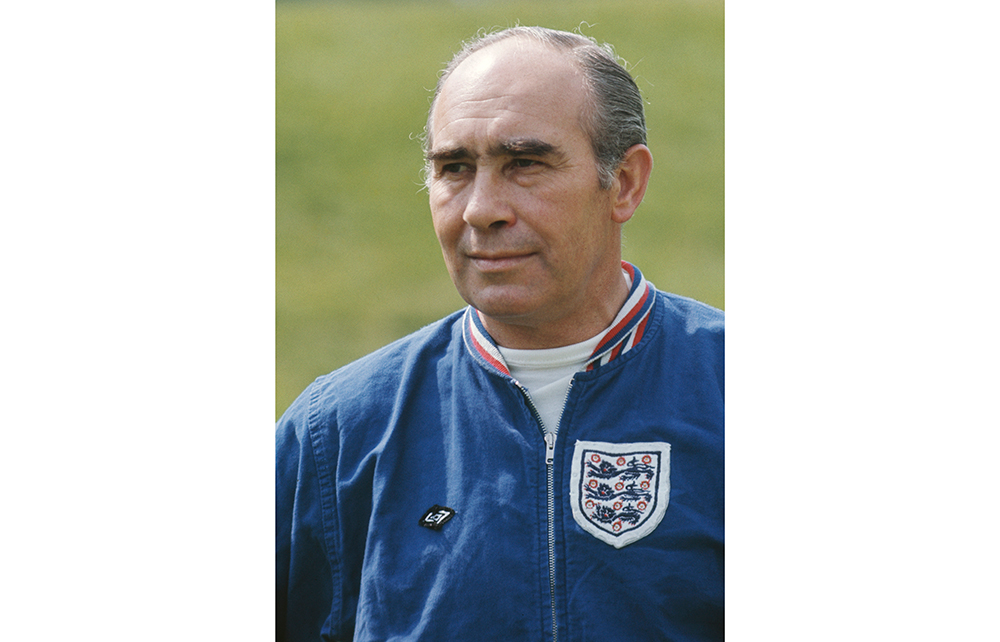
Sir Alf Ramsey World War 2 saw the legendary football manager step away from the pitch and into service as a soldier in the Duke of Cornwall Light Infantry. During the tumultuous years of the 1940s, he not only played a crucial role in protecting Britain’s coastline but also captured the hearts of football fans worldwide as he later led England to World Cup glory in 1966. Recently revealed photos, taken while Ramsey was stationed in Cornwall, provide a rare glimpse of him in military attire, expertly wielding a Bren gun and engaging in bayonet practice. These astonishing images, discovered and shared by Bodmin Keep Cornwall’s Army Museum, shed light on a lesser-known chapter in his life, showcasing both his strength and dedication during World War 2. As we explore the military history of this distinguished figure, we gain a deeper understanding of how Alf Ramsey’s experiences shaped him into the world-class England World Cup manager he became.
The story of Sir Alf Ramsey during World War II presents a fascinating intersection of military service and athletic achievement. Ramsey, well-known as the mastermind behind England’s historic World Cup win, once donned the uniform of the Duke of Cornwall Light Infantry, where he protected vital defensive positions against potential invasion. Historical records, including recently uncovered soldier photos, vividly illustrate his contributions during the war, providing context to his leadership skills that would later blossom in football. His time spent in Cornwall is particularly noteworthy, as it reflects both the challenges of military life in the 1940s and the passion for sports that continued to thrive amidst such adversity. Through this lens, we can appreciate how Alf Ramsey’s dual legacy honors both his military and football careers.
Sir Alf Ramsey’s Military Service During World War II
Sir Alf Ramsey, renowned as England’s 1966 World Cup manager, served as a soldier in the Duke of Cornwall Light Infantry during World War II. His military service, documented through newly discovered photographs, paints a vivid picture of a lesser-known chapter in the life of a football legend. These remarkable images, showcasing Ramsey in action with a Bren gun, rifle, and bayonet, provide intriguing insights into the dedication and resilience that characterized his life both on and off the pitch. During this crucial period in the 1940s, Ramsey was stationed in Cornwall, where he played a vital role in guarding Britain’s coastal defenses against potential threats during the war.
Ramsey’s time in the army, particularly with the Duke of Cornwall Light Infantry, highlights not only his commitment to serving his country but also the camaraderie and teamwork that he would later bring to his football management career. The newly released photos, shared by Bodmin Keep: Cornwall’s Army Museum, allow us to glimpse the determination etched on the faces of young soldiers like Ramsey, who were thrust into the harrowing experiences of military life. This connection between sports and military service is a rich aspect of England’s 1940s military history, illustrating how individuals like Ramsey balanced their passions for football while fulfilling their duties to their nation.
Unveiling Rare Photos of Alf Ramsey’s Army Life
The recent unveiling of rare photos of Sir Alf Ramsey during his military service has sparked renewed interest in the legacy of one of football’s most celebrated figures. Captured while actively participating in military training, these never-before-seen images showcase Ramsey in a new light, highlighting his physical strength and discipline as a soldier. The photos reveal him handling various military equipment, including a Bren gun—a weapon that required significant strength to manage effectively—offering us a unique perspective on how these formative experiences may have shaped his leadership style as England’s World Cup manager.
The significance of these photographs cannot be overstated; they serve as a tangible connection to a pivotal time in Ramsey’s life. Donated to the Bodmin Keep museum, they depict a young man committed to his duty and fully immersed in the camaraderie of military life. Each photo tells its own story, from Ramsey’s determination while practicing with a bayonet to the joy he exhibited while enjoying moments with fellow soldiers. This extensive military background enriched his approach to football management, demonstrating a blend of discipline and empathy that would become hallmarks of his coaching philosophy.
The Legacy of Sir Alf Ramsey in Football History
Sir Alf Ramsey’s extraordinary journey from soldier to England’s World Cup hero illustrates the profound impact of his military experiences on his football career. Having emerged from the challenges of World War II, Ramsey’s strategic mindset and resilience played crucial roles in transforming the England national team into a formidable unit. His success in the 1966 World Cup, where he led the team to victory against West Germany, is a testament to his innovative approach, which often drew parallels to military strategy. This connection is echoed in his famous quote regarding teamwork—reiterating that collaboration is essential for success, much like the bonds formed in the military.
Furthermore, Ramsey’s time in the Duke of Cornwall Light Infantry not only honed his leadership capabilities but also instilled a sense of discipline and perseverance that he would later demand from his players. His ability to motivate and inspire his team can be traced back to his wartime experiences, where he learned the value of unity and solid foundations in achieving collective goals. The historical context of his life during the 1940s offers a deeper understanding of how Ramsey navigated the pressures of management, contributing to his enduring legacy in football history.
Insights into Ramsey’s Role in Cornwall’s Defense
During World War II, Sir Alf Ramsey was an active member of the Duke of Cornwall Light Infantry, where he was tasked with protecting the coastlines of Cornwall against a potential German invasion. The photographs recently surfaced provide a startling look into his life as he trained rigorously to safeguard his homeland. This essential role further emphasizes the local significance of Cornwall in the overarching narrative of Britain’s war efforts, where every soldier mattered, and every contribution counted towards national defense.
Ramsey’s placement within the military gives us a unique insight into how the local community and its soldiers prepared for an uncertain future. His service in Cornwall, particularly around areas like Bodmin—where historical military artifacts are preserved—connects his legacy not only to football but to a broader tapestry of military history. Understanding his experiences during this period enriches our perception of Ramsey, reinforcing how his past continued to influence his character and leadership long after the war ended.
The Connection Between Military Leadership and Football Management
Sir Alf Ramsey’s dual experiences as a soldier and as England’s football manager exemplify the powerful connection between military leadership and sports management. His time in the Duke of Cornwall Light Infantry provided him with invaluable lessons in discipline, strategy, and motivation—traits that he applied effectively to his role leading the national football team. The resilience and teamwork vital on the battlefield translated directly into the dynamics of a football squad, embodying the spirit of collaboration necessary for success. Each member of his team, much like his fellow soldiers, had a specific role, and Ramsey understood how to harness their strengths to achieve a common goal.
Moreover, Ramsey’s strategic mindset was critical to his success as a football manager. Drawing comparisons to military strategies, he often implemented rigorous training like that required of soldiers within his football tactics. His use of wartime experiences during motivational talks emphasized the importance of mental fortitude and preparedness—crucial elements in both military engagements and high-stakes sports. This unique blending of experiences from the 1940s into his football career illustrates a compelling narrative of leadership that will resonate for years to come.
Exploring Sir Alf Ramsey’s Early Years in Football
Before he became a household name as England’s World Cup manager, Sir Alf Ramsey had a rich footballing background that began long before his military service. His early career, marked by impressive performances with clubs such as Southampton, laid the groundwork for his understanding of the game. Following World War II, as Ramsey transitioned back into civilian life, his military experience equipped him with new perspectives that would inform his approach as a manager. The transition from soldier to footballer illustrates the resilience and adaptability that defined his character.
Ramsey’s connection to the military also influenced the way he approached team dynamics and player development. His recognition of teamwork, fostered during his time in the armed forces, became instrumental during his coaching tenure. This idea of collaboration, learned in the trenches, brought a new ethos to the football field. As he moved forward in his career, these early experiences would serve him, evoking memories of camaraderie, strategy, and the collective effort required to reach the pinnacle of success.
Alf Ramsey’s Resilience: From War to World Cup Hero
The journey of Sir Alf Ramsey from a soldier during World War II to a world-renowned football manager is a testament to his resilience and determination. While serving in the Duke of Cornwall Light Infantry, he faced the adversities of military life, which shaped his character and work ethic. The skills he honed during his time in the military, including strategic thinking and leadership under pressure, proved invaluable as he transitioned to football management. His ability to motivate and inspire his team under pressure ultimately led to England’s historic World Cup victory in 1966.
Moreover, Ramsey’s resilience extended beyond the football pitch. His experiences in the army instilled a profound understanding of the value of teamwork and dedication, which he communicated effectively to his players. Many of them, such as Alan Ball, recalled his military-inspired philosophy, emphasizing the importance of unity and effort. This remarkable evolution of Ramsey’s career, from confronting the harsh realities of war to leading a nation in sport, not only exemplifies personal strength but also highlights the intricate connections between one’s past experiences and professional achievements.
Uncovering the Historical Context of Alf Ramsey’s Life
Exploring the historical context surrounding Sir Alf Ramsey’s life reveals a significant intersection between sports, military service, and national spirit during the 1940s. The delicate state of the country during World War II produced not only soldiers but also incredibly resilient individuals whose experiences were marked by challenges and triumphs. For Ramsey, his formative years as a member of the Duke of Cornwall Light Infantry during this tumultuous period were foundational in shaping his values and his future as a football manager.
The uniqueness of Ramsey’s story lies in how his military service informed his later success, bridging the gap between two seemingly different worlds. The pressures of wartime led to the development of key leadership skills that Ramsey would draw upon as he progressed through his career. This historical exploration not only celebrates his achievements in football but also acknowledges the broader narrative of hardship and heroism that defined the lives of many during this era—a poignant reminder of how intertwined sports and national identity can be.
The Importance of Bodmin Keep in Preserving Ramsey’s Legacy
Bodmin Keep: Cornwall’s Army Museum plays a pivotal role in preserving the legacy of Sir Alf Ramsey and the history of military service in the region. This institution, which houses rare artifacts and photographs like those of Ramsey, is critical in educating the public about Cornwall’s contribution to the national defense during World War II. By archiving these significant pieces of history, Bodmin Keep ensures that the stories of soldiers like Ramsey are not forgotten and that their contributions to both military and sporting endeavors are honored.
The museum’s efforts in showcasing newly discovered photographs of Ramsey serve as both an educational resource and a celebration of his lasting impact. As researchers continue to explore the rich military history of the 1940s, institutions like Bodmin Keep become essential for understanding the multifaceted lives of individuals who transitioned from the battlefield to the football pitch. The dedication to preserving these narratives reinforces the importance of memory and recognition in the broader context of national history.
Frequently Asked Questions
What roles did Sir Alf Ramsey serve in during World War 2 as a soldier in the Duke of Cornwall Light Infantry?
During World War 2, Sir Alf Ramsey served as a soldier in the Duke of Cornwall Light Infantry. He was involved in protecting Britain’s coastal defenses and participated in training exercises, including handling a Bren gun, rifle, and practicing with a bayonet. These experiences highlighted his commitment to the military during the early 1940s.
Where can I find photos of Sir Alf Ramsey from his time as a soldier during World War 2?
Photos of Sir Alf Ramsey during World War 2 have recently surfaced and can be found at Bodmin Keep, Cornwall’s Army Museum. These never-before-seen images showcase him in military training, highlighting his service in the Duke of Cornwall Light Infantry.
What significance do the newly discovered Sir Alf Ramsey soldier photos hold in the context of 1940s military history?
The newly discovered photos of Sir Alf Ramsey are significant as they provide rare insights into the life of a prominent figure in football during his military service in World War 2. They illustrate the duality of his life as both a soldier in the Duke of Cornwall Light Infantry and a future England World Cup manager, revealing how his wartime experiences shaped his leadership style.
How did Sir Alf Ramsey’s military service influence his coaching career as an England World Cup manager?
Sir Alf Ramsey’s military service had a profound influence on his coaching career. The discipline and leadership skills he developed while serving in the Duke of Cornwall Light Infantry were reflected in his management style. He often drew on his experiences from the army during team talks, emphasizing teamwork and strategy, much like a military commander.
What have historians uncovered about Sir Alf Ramsey’s service with the Duke of Cornwall Light Infantry during the war?
Historians, including Grant Bage, have uncovered that Sir Alf Ramsey was stationed in various locations throughout Cornwall during his service with the Duke of Cornwall Light Infantry, where he helped bolster coastal defenses against potential German invasions. These details enhance our understanding of his character and the context of his later achievements in football.
Why are the newly released photos of Sir Alf Ramsey important for understanding his early life?
The newly released photos of Sir Alf Ramsey are important because they offer a glimpse into his formative years away from football, showcasing his time as a soldier in World War 2. These images, held at Bodmin Keep, help to contextualize his leadership qualities and resilience, attributes that would later contribute to his success as England’s World Cup manager.
In what ways did Sir Alf Ramsey’s experiences during World War 2 shape his views on teamwork in sports?
Sir Alf Ramsey’s experiences during World War 2, particularly his service in the Duke of Cornwall Light Infantry, instilled a deep understanding of teamwork. He applied this understanding in coaching, emphasizing that individual players are part of a larger team effort, much like soldiers working together in a military context to achieve a common goal.
| Key Point | Details |
|---|---|
| Newly Discovered Photos | Photos of Sir Alf Ramsey during his WW2 service were found and shared by Bodmin Keep: Cornwall’s Army Museum. |
| Service Details | Ramsey served in the Duke of Cornwall Light Infantry, protecting coastal defenses against a potential German invasion. |
| Significance of Photos | The photos reveal Ramsey in a soldier’s role, showcasing his use of military equipment like a Bren gun, rifle, and bayonet. |
| Historical Context | The images were taken in 1941-1942, providing insights into Ramsey’s life beyond football. |
| Supporting Contributions | Authored by Grant Bage in his book ‘The Unseen Sir Alf’, exploring Ramsey’s lesser-known aspects. |
| Public Response | The release of the photos has generated excitement, highlighting Ramsey’s unique legacy. |
Summary
Sir Alf Ramsey World War 2 has become an intriguing facet of the late football legend’s life. The newly uncovered photographs illustrate his service in the military, providing a glimpse of the man behind the iconic World Cup victory. These images not only captivate history enthusiasts but also deepen our understanding of how Ramsey’s military experiences shaped his leadership style in football. His story reminds us that before becoming a national hero in 1966, he was a committed soldier playing a crucial role during a tumultuous time in British history.

