Listen to this article
Sally Rooney books have recently found themselves at the center of a significant controversy in the UK, as new legal developments threaten their availability due to the Palestine Action ban. This Irish author, renowned for her bestselling novels, including “Normal People” and “Conversations with Friends,” has expressed grave concerns about her ability to publish future works. The High Court has learned that existing royalties might be deemed illegal under terrorism laws if they are intended to support Palestine Action, complicating her artistic freedom. Rooney’s advocacy for Palestinian rights is deeply intertwined with her literary identity, making the outcome of this legal battle crucial not just for her, but for the broader discourse on freedom of expression. Recent Sally Rooney news highlights the importance of this case in the landscape of UK book sales, as her influential voice faces unprecedented restrictions.
Within the literary realm, works by the acclaimed Irish novelist are increasingly caught up in significant socio-political debates. Recent events have pointed to a potential withdrawal of her publications from the British market, largely due to the government’s controversial stance on groups like Palestine Action. The implications of the ongoing legal discussions extend beyond personal concerns of the author; they raise critical questions about artistic liberties and the boundaries of expression within the United Kingdom. With the UK book industry observing steep challenges around the issues of censorship and human rights, the situation illustrates a tumultuous intersection between literature and activism. As the dialogue surrounding freedom of expression continues, the stakes become even higher for authors like Rooney, whose literary contributions deeply resonate with contemporary societal challenges.
The Controversy Surrounding Sally Rooney’s Works
Sally Rooney’s situation has sparked a significant controversy regarding artistic freedom and the implications of political activism on literature. The withdrawal of her books from UK sale due to the Palestine Action ban raises critical questions about the extent to which the state can influence an artist’s right to express their views through their work. With her recent statements to the High Court, Rooney articulates the significant concerns surrounding freedom of expression, especially for those who dare to align with controversial causes such as supporting Palestine Action.
As one of the best-selling authors of her generation, Rooney’s novels have made a considerable impact on the literary world; yet, with the possibility of being unable to publish new works in the UK, this imposes a unique challenge. The controversy also illustrates the delicate balance between expressing political beliefs and facing potential repercussions from government actions, which could lead to a chilling effect on other authors who may hesitate to voice their opinions for fear of similar consequences.
Sally Rooney’s Stance on Palestine Action
Rooney’s firm support for Palestine Action paints her not just as a literary figure, but as a political activist who views her artistic platform as a means to advocate for change. In her witness statement, she expressed the conviction that the activities of Palestine Action are integral to a longstanding tradition of civil disobedience, emphasizing the importance of protests in drawing attention to issues of injustice. By advocating for direct action, including property destruction, as a legitimate response to perceived genocide, Rooney aligns her literary voice with activism.
Furthermore, her willingness to use royalties from her bestselling novels to fund Palestine Action demonstrates a deep commitment to her beliefs. However, this has put her at odds with UK legislation that could regard funding such activism as supporting terrorism. This reality presents a dilemma not only for Rooney but also for the publishing industry, as it navigates legal implications while trying to maintain the integrity of artistic expression. The interplay of literature and activism continues to challenge the boundaries surrounding freedom of speech.
Impact on UK Book Sales and Distribution
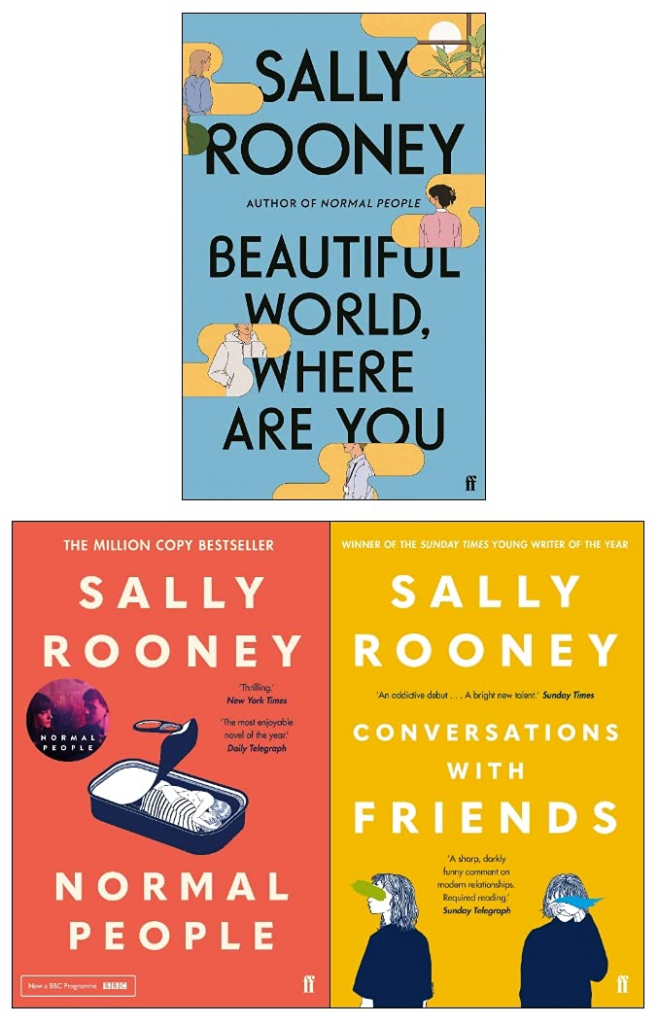
The potential withdrawal of Sally Rooney’s novels from UK sale could have far-reaching consequences for UK book sales and the overall literary market. Rooney is known for her sell-out titles such as ‘Normal People’ and ‘Conversations with Friends’, which have significantly impacted not just readers but also the book industry. The removal of such influential works would not only be a loss for fans but could also lead to decreased sales for UK publishers reliant on her success as a bestseller.
The implications extend beyond Rooney herself, raising questions about how the industry will address authors’ political affiliations and expression. Publishers may face increased scrutiny regarding which works they choose to promote and distribute. This could lead to a cautious approach that stifles diversity in literature, as authors with controversial viewpoints might be sidelined. Thus, Rooney’s case is more than just about one author—it highlights the fragile relationship between literature, politics, and commerce in the UK.
Freedom of Expression in Literary Arts
Sally Rooney’s struggle against the implications of the Palestine Action ban speaks volumes about the current climate of free expression in the literary arts. Authors have long utilized their platforms to challenge societal norms, express dissent, and provoke thought. However, legal restrictions that could potentially undermine their freedom to speak out against injustices pose a severe threat to this fundamental right. The evolving landscape of political scrutiny over artistic expression could create a chilling effect among writers who fear legal repercussions for their beliefs.
Moreover, the case raises critical awareness about the government’s role in regulating artistic expression. If legislation prioritizes security concerns over the right to protest and the criminalization of support for oppressed groups, it could significantly diminish creative freedom. Rooney’s testimony illustrates how the state apparatus can directly impact not only individual authors but the broader cultural dialogue surrounding pressing global issues, emphasizing the need for ongoing discourse on freedom of expression in art.
Public Response to Sally Rooney’s Controversy
Public response to Sally Rooney’s controversy transcends simple literary critique and dives deep into the ongoing debates concerning national identity and humanitarian crises. Many readers and fans have taken to social media to express their support for Rooney, emphasizing the importance of standing by artists who align with political causes they believe in. Demonstrations outside the High Court reflect a larger trend of public individuals rallying around the issues of artistic integrity and freedom of expression in the face of government censorship.
Conversely, there are voices that criticize Rooney’s activism, questioning whether an author should engage in political advocacy when it can jeopardize their career. This dynamic sparks an essential dialogue about the role of authors in societal challenges and whether they can or should separate their art from their beliefs. Ultimately, the varied public responses underscore the complex intersection between literature, activism, and contemporary social issues.
Future of Sally Rooney’s Literary Career
The uncertain future of Sally Rooney’s literary career hangs in the balance due to the legal complications arising from the Palestine Action ban. With the overwhelming success of her previous works, many readers are eager for new material, yet Rooney herself has expressed doubts about her ability to publish future novels in the UK. This situation not only raises concerns about her personal career trajectory but also poses a broader question about the future of literature in an environment where political affiliations may hinder artistic expression.
As Rooney contemplates her next steps, it signals a watershed moment for authors navigating the emotionally charged terrain of political activism. Will she find ways to continue her literary contributions, possibly outside the UK? Or will this situation prompt her to explore new avenues for storytelling that align with her values while evading legal repercussions? The future remains to be seen, but Rooney’s cases reiterate the essential connection between literature and the political climate in which it exists.
Understanding the Legal Landscape for Authors
The ramifications of the Palestine Action ban for Sally Rooney highlight the intricate legal landscape that authors must navigate today. As artists often engage in political discourse through their work, Rooney’s situation raises pressing questions about how laws on terrorism intersect with creative expression. This has implications not only for Rooney and her existing works but for every author who may find their ability to voice opinions increasingly perilous under similar legal scrutiny. A clear understanding of these legal complexities is vital in safeguarding authors’ rights to free speech.
This evolving legal environment creates a chilling awareness among writers about potential repercussions they may face for activism or dissent. It fosters an atmosphere of caution, where authors must weigh the political implications of their work against their artistic intentions. By examining the legal landscape, writers, publishers, and enjoyed must engage in meaningful discussions about the intersection of law, politics, and artistic integrity to ensure that the freedom to create and express remains preserved.
The Role of Publishers Amidst Controversy
Publishers play a crucial role in navigating the controversy surrounding works like those of Sally Rooney, especially as issues of freedom of expression and political statements intertwine. Faced with potential legal challenges, publishers must strike a balance between upholding their authors’ rights to express themselves and protecting themselves from possible repercussions stemming from government laws. This dilemma can lead to decisions that may compromise the values and missions of publishers, or even force them to reevaluate the authors they choose to represent.
Rooney’s case potentially sets a precedent for how the publishing industry responds to politically charged environments. It illustrates that the loyalty of publishers to their authors may be tested when external political pressures are applied. As discussions surrounding freedom of speech continue to shape the literary landscape, it is essential for publishers to support their authors robustly while assessing the broader implications of censorship and artistic expression. The stakes are incredibly high, not just for individual authors but for the industry as a whole.
Broader Implications of the Palestine Action Ban
The implications of the Palestine Action ban extend well beyond the confines of Sally Rooney’s career; they resonate throughout the cultural and political landscape in the UK and beyond. Governments may use legal instruments under the pretext of security to suppress not only protests but also the artistic expressions that address significant social issues. This reflects a growing trend where state power seeks to control narratives and silence dissenting voices, effectively stifling marginalized opinions and reducing democratic engagement.
As constituents respond to such bans, including showcasing solidarity for Rooney, the ongoing dialogue surrounding civil rights and freedoms remains critical. The impact on individuals wanting to engage in protests or express dissent against establishment narratives is profound, as it sets a blueprint for how future activists may approach their work under the looming shadow of legal scrutiny. The fight for artistic integrity and the right to protest will continue to be an essential focal point in discussions about democracy, justice, and the role of literature in shaping public consciousness.
Frequently Asked Questions
What impact does the Palestine Action ban have on Sally Rooney books in the UK?
The Palestine Action ban may lead to the withdrawal of Sally Rooney’s books from UK sales, as she indicated that it could prevent her from receiving royalties. This legislative issue affects her ability to publish new works and has raised concerns about freedom of expression in the literary community.
Why has Sally Rooney expressed the need to potentially withdraw her books from sale in the UK?
Sally Rooney stated that UK laws regarding the Palestine Action ban might restrict her publisher from paying her royalties, which she intended to use for supporting the cause. This situation raises significant questions regarding her rights as an author and the impact on her existing works.
What controversy surrounds Sally Rooney in relation to her support for Palestine Action?
Sally Rooney has faced controversy due to her outspoken support for Palestine Action, particularly in light of the UK ban on the organization. Her statements about utilizing royalties from her book adaptations to support Palestine Action led to legal implications that threaten her literary career in the UK.
How does the ban on Palestine Action relate to freedom of expression for authors like Sally Rooney?
The banning of Palestine Action poses a challenge to freedom of expression, as it creates legal barriers that could inhibit authors like Sally Rooney from publishing or financially benefiting from their work. Rooney has expressed that such restrictions represent a significant intrusion into artistic expression.
How are Sally Rooney’s books connected to current UK book sales trends?
Sally Rooney is among the best-selling authors in the UK, and her books like ‘Normal People’ have gained immense popularity. The potential withdrawal of her works from sale could significantly affect current UK book sales trends, given her influence in the literary market.
What legal advice has been given to Sally Rooney regarding her royalties from BBC adaptations of her books?
Sally Rooney received legal advice indicating that if her royalties from BBC adaptations are linked to funding Palestine Action, UK companies may be legally prohibited from making payments to her, thereby impacting her financial support for the cause.
What are the implications for Sally Rooney’s future publications in the UK?
Sally Rooney stated that it is highly likely she will be unable to publish or produce any new works in the UK while the Palestine Action ban is in effect, limiting her future contributions to literature and possibly isolating her from UK audiences.
How has Sally Rooney publicly positioned herself regarding the Palestine Action movement?
Sally Rooney has publicly positioned herself as a committed supporter of Palestine Action, advocating for civil disobedience and expressing her concerns about potential criminalization of support for the movement as a barrier to her free expression as an author.
| Key Point | Details |
|---|---|
| Withdrawal of Books | Sally Rooney may need to withdraw existing novels from UK’s sale due to legal implications from the ban on Palestine Action. |
| Royalties Issue | Rooney cannot receive royalties from UK publishers or the BBC because it risks being classified as funding terrorism if linked to Palestine Action. |
| Support for Palestine Action | Rooney has stated her intention to use royalties to support Palestine Action, which may be illegal under current laws prohibiting funding for groups labeled as terrorists. |
| Legal Precedent | The ongoing case could set a significant precedent for artistic freedom and expression in the UK, especially regarding advocacy work by authors. |
| Impact on Future Works | Rooney expressed serious concerns about being able to publish new works in the UK under the ban on Palestine Action. |
| Public Reaction | Demonstrations occurred outside the High Court in response to the case, highlighting public concern over artistic censorship. |
Summary
Sally Rooney books face a precarious future as the author navigates complex legal challenges stemming from her support for Palestine Action. The recent court proceedings highlight not only the potential withdrawal of her existing works from UK sale but also the chilling effect such legal frameworks could have on artistic freedom. As Rooney argues, the implications of this case reach far beyond her individual circumstances, questioning the boundaries of free expression in the face of political and legal adversity. This situation has sparked widespread discussions about the intersection of literature, activism, and censorship, making it essential to monitor the developments that may influence the landscape for authors in the UK.