
Listen to this article
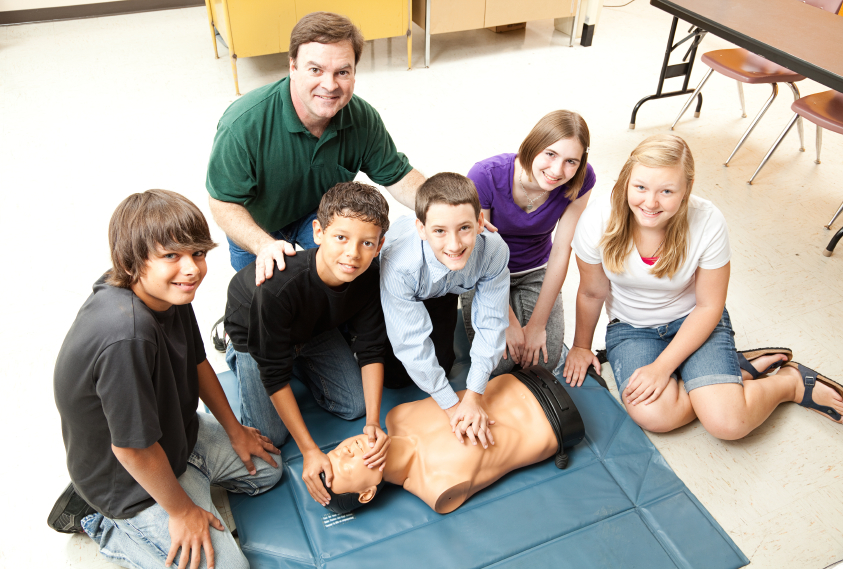
CPR training in schools is becoming increasingly vital as schools recognize the importance of equipping students with essential life-saving skills. Recent stories, such as that of teenager Ollie Rosenwould, who survived a cardiac arrest thanks to immediate CPR from paramedics, highlight the need for CPR education in the school curriculum. By integrating emergency response training alongside traditional subjects, students can learn first aid in schools, fostering a generation that is prepared to handle crises. This proactive approach not only empowers young individuals but also enhances community safety, ensuring that life-saving techniques are within reach during emergencies. As paramedic training programs expand to over 200 schools in London, the impact of teaching these skills is undeniable, with thousands of students gaining knowledge that could save lives.
The movement to incorporate CPR education into school systems is pivotal in promoting critical emergency skills among young learners. By training students in essential first response techniques, educational institutions aim to cultivate a culture of preparedness, much like how vital subjects such as math and science are taught. This initiative means that young people can effectively respond to emergencies, ensuring their readiness to help others in need. With a focus on developing practical skills for real-world scenarios, such educational programs not only prepare students for immediate action but also instill confidence and responsibility in future generations.
The Importance of CPR Training in Schools
CPR training in schools serves as a critical foundation in building awareness and preparedness for cardiac emergencies. As demonstrated in Ollie Rosenwould’s story, sudden cardiac arrest can strike anyone, regardless of age, location, or fitness level. Teaching students these life-saving skills ensures that they are equipped to respond promptly during emergencies, potentially saving lives. Current statistics show that immediate CPR can double or even triple a victim’s chance of survival, further underscoring the need for widespread adoption of CPR education across all educational institutions.
Implementing CPR education as a mandatory part of the school curriculum fosters a culture of safety and responsibility among young individuals. It empowers them with the knowledge to act confidently in emergency situations, not only during their school years but throughout their lives. Furthermore, when children learn CPR, they often share their newly acquired skills with family and friends, multiplying the impact of this training in the community, and reinforcing the importance of emergency response training.
The Role of Paramedic Training in Community Education
Paramedic training plays a vital role in community education programs that aim to equip citizens with first aid and emergency response skills. Organizations like the London Ambulance Service have established partnerships with schools to ensure students are not only knowledgeable about CPR but also understand other critical interventions during emergencies. This educational outreach is essential, as it bridges the gap between professional medical assistance and the first responders who are often just ordinary individuals present at the scene.
By collaborating with local schools, paramedics can inspire and prepare students to be proactive in life-threatening situations, creating a ripple effect of knowledge within the community. Engaging students via hands-on demonstrations and interactive sessions enhances their learning experience and increases retention of life-saving techniques. As Ollie’s case illustrates, such training can have profound effects, turning bystanders into potential lifesavers and cultivating a generation well-versed in essential first aid skills.
Life-Saving Skills: An Essential Part of Student Education
Incorporating life-saving skills, including CPR training, into school curricula is essential to developing responsible and capable young citizens. Young people increasingly encounter emergencies, whether in family settings or social situations, and having them trained in techniques like CPR raises the community’s overall readiness to handle such scenarios. With awareness that cardiac emergencies can happen at any time, schools must prioritize teaching these essential skills to ensure that students can respond effectively.
Teaching life-saving skills in schools is more than just education; it is about fostering a sense of empathy and community responsibility. As students learn to recognize the signs of acute medical emergencies, they become more attuned to the needs of those around them. This tendency to care for others naturally translates into a societal commitment to health and safety, potentially transforming the entire community’s approach to emergencies and health education.
The Impact of CPR Education on Future Generations
The impact of CPR education on future generations cannot be overstated. By equipping young people with these critical skills, they become prepared to make a difference in emergency situations both now and in the future, fostering a society of vigilant citizens who prioritize health and safety. Moreover, when students learn CPR and first aid, they absorb the concept of proactive intervention, which can lead to increased community engagement and overall resilience in emergency preparedness.
Furthermore, as trained individuals become parents and caretakers, the knowledge they acquired about life-saving techniques can be passed down, ensuring that future generations also recognize the importance of being prepared. As emphasized by Sam Palfrey Jones of the London Ambulance Service, teaching children these skills means that they will likely share what they’ve learned, further expanding the reach and influence of CPR education within families and communities.
Resuscitation Council Initiatives in Schools
The Resuscitation Council UK is actively promoting CPR education in schools as a vital initiative to prepare young individuals for real-life emergencies. Their commitment to integrating essential life-saving skills into the school curriculum demonstrates an understanding of the importance of early education in health and safety. By providing resources, training materials, and support, the Council helps schools implement effective CPR programs, ensuring students receive high-quality education.
These initiatives are crucial as they not only aim to enhance basic life support knowledge but also encourage a culture of safety and preparedness among students. With increased awareness about the importance of CPR, schools contribute significantly to shaping a generation that values life-saving skills and understands the importance of a rapid response during medical emergencies.
Encouraging Parental Involvement in CPR Training
Encouraging parental involvement in CPR training is a key aspect of enhancing emergency response capabilities within a community. When schools engage parents in learning initiatives, it creates an environment where families can collectively practice life-saving skills, reinforcing the importance of preparedness at home. Parents who have undergone CPR training alongside their children are more likely to feel confident and capable of responding to emergencies.
Additionally, when children come home armed with factual knowledge about CPR and emergency response, they naturally share this information with their families, fostering discussions around health and safety. This type of involvement strengthens community ties and enhances the overall awareness of vital life-saving skills within households, promoting an informed and prepared network capable of quick action during cardiac emergencies.
The Psychological Benefits of CPR Training for Students
Participating in CPR training not only equips students with practical skills but also provides psychological benefits that extend beyond the classroom. Students gain confidence in their ability to act during emergencies, which can significantly reduce anxiety and panic when faced with such scenarios. Feeling empowered to make a difference positively influences their self-esteem and reinforces the notion that they can contribute meaningfully to their community.
Moreover, developing life-saving skills like CPR fosters a sense of purpose among young people. As they learn the art of resuscitation and the importance of remaining calm under pressure, they cultivate resilience that can be applied in various aspects of life. This experience can serve as a catalyst for students to pursue further training in health-related fields, thus inspiring future generations of medical professionals dedicated to saving lives.
Integrating CPR and First Aid into Standardized Testing Criteria
Integrating CPR and first aid training into standardized testing criteria could serve as a significant leap forward in ensuring all students are equipped with these vital skills. By including life-saving competencies within educational assessments, schools can emphasize their importance and encourage students to prioritize learning these techniques. Such a shift could create a generation of individuals who are not only academically competent but also practical in applying what they’ve learned to real-world situations.
This approach can further ensure that emergency response training becomes a norm within schools, comparable to other essential subjects. With measurable outcomes that highlight student proficiency in CPR and first aid, schools can showcase their commitment to student safety and well-being, enhancing overall community health. This transition emphasizes the value of real-life skills alongside academic achievements, making it a holistic educational model.
Success Stories of CPR Education in Action
Success stories of CPR education highlight the tangible benefits and effectiveness of implementing these vital programs within schools. As showcased by Ollie Rosenwould’s experience, teaching students CPR can lead to remarkable outcomes during emergencies. Ollie’s case serves as a powerful reminder that preparedness can make a life-saving difference, inspiring other schools to adopt similar programs and invest in training their students.
Beyond individual stories, success can also be measured through the growing number of trained students and their ability to respond aptly during crises. Schools reporting increased awareness and preparedness suggest that CPR education resonates with students and encourages them to take their new skills into the community, resulting in a positive ripple effect of lifesaving awareness and readiness throughout society.
Frequently Asked Questions
What is the importance of CPR training in schools?
CPR training in schools is crucial as it equips students with life-saving skills that can be used in emergencies. By learning CPR, students become prepared to respond effectively to cardiac arrests and other emergencies, potentially saving lives, just like Ollie Rosenwould’s experience highlights.
How are schools in London integrating CPR education into their curriculums?
Many schools in London are incorporating CPR education through programs offered by the London Ambulance Service (LAS). These programs train students in essential life-saving skills, ensuring they are prepared for real-life scenarios. As of now, over 200 schools have participated, training nearly 20,000 students.
What skills are covered in emergency response training for students?
Emergency response training for students includes CPR, first aid techniques, and other life-saving skills crucial for responding to health emergencies. These skills enable students to act swiftly and effectively when faced with urgent situations, fostering a culture of care and preparedness in schools.
Why should first aid in schools be mandatory?
Making first aid in schools mandatory ensures that all students learn vital skills like CPR and basic emergency response techniques. As evidenced by Ollie’s story, every minute counts in an emergency, and having trained individuals can significantly improve survival rates for cardiac incidents.
How can parents support CPR training initiatives in schools?
Parents can support CPR training initiatives in schools by advocating for the inclusion of CPR education in the curriculum, volunteering for training sessions, and encouraging children to participate in programs that promote life-saving skills. This fosters a community-wide commitment to emergency preparedness.
What are the long-term benefits of teaching CPR skills to students?
Teaching CPR skills to students ensures that they not only gain confidence in handling emergencies but also create a ripple effect of knowledge in their families and communities. Students are likely to pass on these life-saving skills to others, enhancing overall community safety.
Can CPR training in schools help change societal attitudes towards emergency preparedness?
Yes, CPR training in schools can significantly shift societal attitudes towards emergency preparedness. By instilling these skills in young individuals, it promotes a proactive approach to health emergencies, encouraging a community-wide emphasis on safety and preparedness rather than reaction.
What role do paramedic training programs play in educating students?
Paramedic training programs play a vital role in educating students about CPR and emergency response training. Through workshops and interactive sessions conducted by trained paramedics, students gain firsthand knowledge and practical experience in life-saving skills, making a lasting impact.
How has Ollie Rosenwould’s story impacted the conversation around CPR education in schools?
Ollie Rosenwould’s story has sparked significant conversations about the necessity of CPR education in schools, reinforcing the idea that such training should be mandatory. His experience as a survivor highlights the importance of being prepared, inspiring both educators and policymakers to prioritize CPR training.
What can schools do to improve the accessibility of CPR education for students?
Schools can improve accessibility to CPR education by partnering with organizations like the London Ambulance Service to provide training sessions, ensuring it is included in the health curriculum, or integrating CPR education into existing programs. Advocacy for funding and resources to support these initiatives is also essential.
| Key Points |
|---|
| Ollie Rosenwould, a 17-year-old, collapsed from cardiac arrest and was saved by CPR performed by paramedics. |
| Ollie advocates for mandatory CPR training in schools, believing it is a crucial skill for everyone to learn. |
| After 22 days in the hospital, Ollie was discharged with a diagnosis of Bilateral Tension Pneumothorax. |
| Paramedics have demonstrated CPR skills at Jo Richardson Community School, where Ollie expressed his gratitude. |
| The London Ambulance Service (LAS) has introduced CPR lessons in approximately 200 schools, impacting nearly 20,000 students. |
| Paramedic Sam Palfrey Jones emphasizes the importance of teaching CPR to young people as they are likely to share this knowledge with their families and peers. |
Summary
CPR training in schools is essential for preparing young individuals to respond effectively in emergencies. The experience of Ollie Rosenwould illustrates the critical importance of this skill, as his life was saved through prompt CPR during a cardiac arrest. By implementing mandatory CPR training in school curriculums across London, we can equip students with life-saving skills that they can carry into adulthood and share with their communities. As paramedic Sam Palfrey Jones points out, teaching these skills at a young age ensures that they are retained and disseminated effectively. With the London Ambulance Service already reaching thousands of students, the movement toward universal CPR training in schools has the potential to save lives and foster a culture of preparedness.