
Listen to this article
Bipolar disorder is a complex mental health condition that affects millions of individuals worldwide, often leading to extreme mood swings that encompass both manic highs and debilitating lows. Many people, like TV star Leah Charles-King, grapple with bipolar symptoms that can manifest in confusion and isolation, especially when misdiagnosed with less severe conditions such as depression. This often leads to a dangerous cycle of ineffective treatment options, intensifying their struggles and creating a stigma around mental health awareness. Leah’s journey sheds light on the importance of recognizing the signs of bipolar disorder and advocating for proper treatment, as her own misdiagnosis left her battling extreme manic episodes for years. By sharing her story, Leah not only increases visibility for bipolar disorder but also emphasizes the critical need for support and understanding in communities often affected by stigma.
The term ‘manic-depressive illness’ may come to mind when discussing bipolar disorder, a challenge that intertwines emotional extremes with cognitive and behavioral aspects faced by individuals. Alternative phrases such as mood disorder or emotional dysregulation further capture the essence of what those with this condition endure, from euphoric highs characterized by reckless behavior to profound lows marked by despair. Public figures like Leah Charles-King bravely illuminate the realities of living with such mental health challenges, especially highlighting the misconceptions and misdiagnosis that often occur within these communities. By raising mental health awareness through her own experiences, Leah encourages a dialogue that supports those facing similar struggles, ultimately fostering a more informed and compassionate society. Understanding this condition’s complexity is crucial in exploring effective bipolar treatment options and dismantling the barriers that hinder effective care.
Understanding Bipolar Disorder: Leah’s Journey
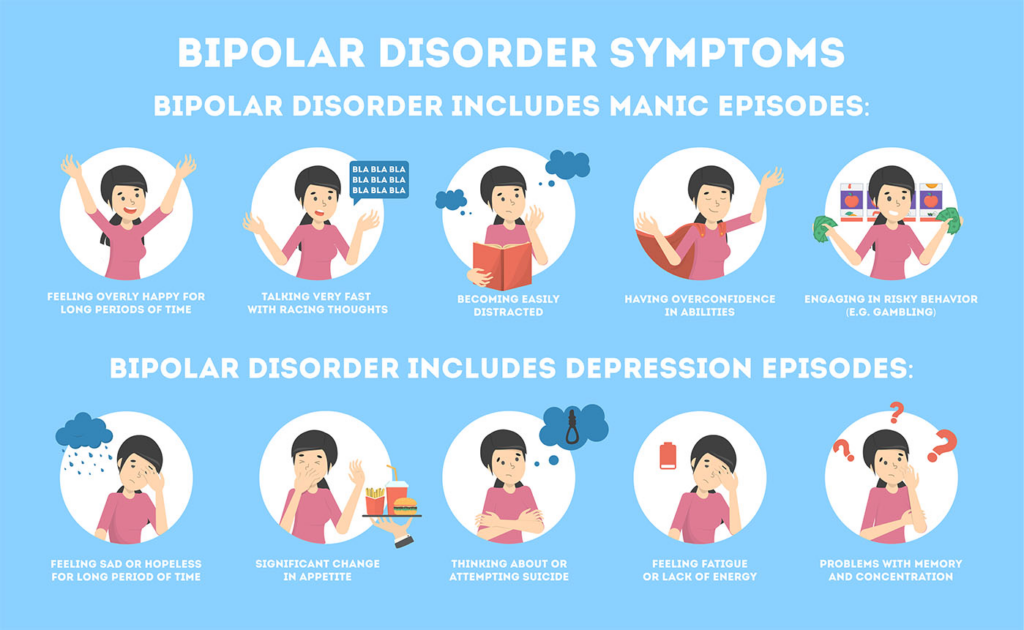
Bipolar disorder is a mental health condition characterized by extreme mood swings that include emotional highs (mania or hypomania) and lows (depression). Leah Charles-King’s experience highlights the often misunderstood nature of this disorder. For years, she was misdiagnosed with depression despite exhibiting bipolar symptoms that deviated from typical depression diagnoses. The lack of awareness surrounding bipolar disorder can lead to misdiagnosis, causing individuals to face perilous situations due to untreated manic episodes.
Leah’s story underscores the importance of recognizing the complexity of bipolar disorder. Her manic phases, which were mistaken for merely being upbeat or outgoing, significantly disrupted her life and strained relationships with family. This misdiagnosis not only highlights the challenges faced by those with bipolar disorder but also stresses the need for mental health awareness and education to help healthcare professionals identify symptoms accurately.
Frequently Asked Questions
What are the common symptoms of bipolar disorder?
Bipolar disorder symptoms can vary widely, including shifts between extreme highs (mania) and lows (depression). Common symptoms of bipolar disorder include intense mood swings, erratic behavior, impulsivity, changes in sleep patterns, and difficulty concentrating. Recognizing these bipolar symptoms early can lead to more effective treatment.
How can misdiagnosis affect those with bipolar disorder?
Bipolar misdiagnosis can lead to inappropriate treatment choices, often prescribing antidepressants that may exacerbate manic episodes. Individuals like Leah Charles-King highlight the danger of being misdiagnosed with depression for years, which delays proper bipolar treatment options and leaves patients vulnerable to harmful behaviors.
What treatment options are available for bipolar disorder?
Bipolar treatment options typically include a combination of medication, such as mood stabilizers and antipsychotics, and therapy approaches like cognitive behavioral therapy. An accurate diagnosis is crucial for effective treatment, enabling patients to manage their symptoms properly.
How does mental health awareness impact bipolar disorder diagnosis?
Mental health awareness plays a critical role in helping individuals recognize potential symptoms of bipolar disorder. Education can reduce stigma and encourage those suffering from bipolar symptoms to seek help, as exemplified by Leah Charles-King’s advocacy for better understanding and recognition of the disorder.
Why is it important to seek help for bipolar disorder?
Seeking help for bipolar disorder is vital because undiagnosed or untreated conditions can lead to severe mental health consequences, including suicidal thoughts or risky behaviors. Leah Charles-King emphasizes that reaching out for support can be life-changing, turning the journey of dealing with bipolar disorder into a path towards thriving rather than just surviving.
How can family support affect those with bipolar disorder?
Family support is essential for individuals with bipolar disorder; however, stigma can inhibit this support in certain communities. Leah Charles-King’s experience demonstrates the complexity of familial relationships in the face of mental health challenges, highlighting the necessity for education around bipolar disorder to foster understanding and acceptance.
| Key Point | Details |
|---|---|
| Misdiagnosis Experience | Leah was misdiagnosed with depression for years, leading to improper treatment. |
| Manic Episode | After being prescribed antidepressants, Leah experienced a year-long manic phase. |
| Call for Help | In a crisis, Leah provided her GP with a suicide note, leading to a proper diagnosis of bipolar disorder. |
| Community Stigma | Leah faced stigma about her diagnosis, particularly within black and South Asian communities. |
| Ambassadorship | Now she serves as an ambassador for Bipolar UK, promoting awareness and support. |
| Management of Condition | Leah emphasizes the importance of medication, therapy, and support in thriving with bipolar disorder. |
| Advice to Others | She encourages those with signs of bipolar disorder to seek help, stating it’s life-changing. |
Summary
Bipolar disorder is a serious mental health condition that can dramatically impact a person’s life if left undiagnosed or untreated. Leah Charles-King’s story highlights the importance of recognizing the signs of bipolar disorder and seeking appropriate help. Her experiences shed light on the misdiagnosis that can occur and the potential dangers of untreated manic episodes. For many, like Leah, support, proper medication, and understanding can turn a debilitating condition into one that can be managed successfully, allowing individuals to thrive and lead fulfilling lives.