Listen to this article
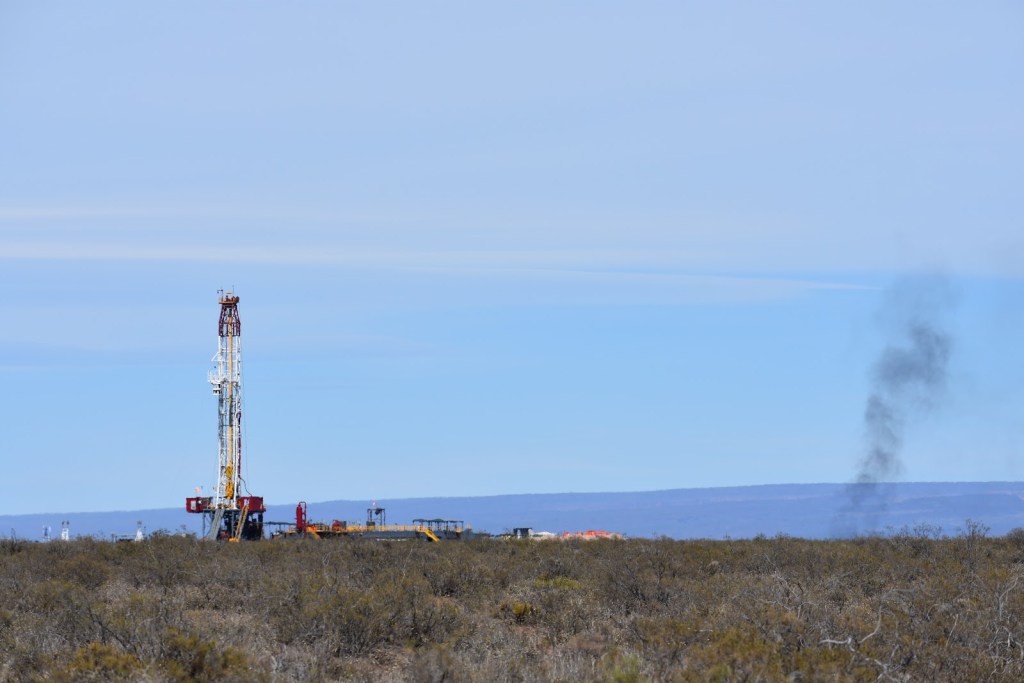
Fracking in Argentina has become a transformative force, particularly in the town of Añelo, which lies at the heart of the vast Vaca Muerta oil formation. This geological treasure trove has propelled Argentina towards energy self-sufficiency, unleashing potential for economic growth through oil and gas exports. As fracking practices established themselves in 2014, the once-sleepy Añelo saw its population surge by over 60%, fueled by an influx of workers and capital. The booming local economy is evidenced by a dramatic increase in traffic, including thousands of oil tankers bustling daily. However, while fracking presents numerous opportunities, the long-term impacts on the environment and the broader Argentine economy remain a critical concern for policymakers and residents alike.
Hydraulic fracturing, widely known as fracking, has gained prominence in Argentina, particularly within the prolific Vaca Muerta region. This method of extracting hydrocarbons has ushered in an era of energy independence for the nation, radically reshaping the economic landscape of towns like Añelo. The growth in this sector is marked not only by increased oil production but also by a rise in the local population and a boom in related services. As these oil and gas resources are harnessed for export, they play a crucial role in stabilizing the Argentine economy. Yet, stakeholders continue to debate the fracking impact on both the environment and the sustainability of this energy boom.
The Fracking Revolution and Its Impact on Añelo
Since the fracking operations began in 2014, Añelo has experienced a stunning transformation. Once a quiet rural town, it now bustles with activity as thousands of workers descend daily to participate in the oil and gas boom of Vaca Muerta. The influx of people has led to rapid economic growth, which is visible in the thriving local businesses like tire repair shops and restaurants that have popped up to cater to the newfound demand. The statistics speak for themselves; the population surged from just over 10,000 to nearly 18,000 within a decade, demonstrating the profound impact of the energy sector on local communities.
However, this rapid development brings mixed feelings among residents. While many like mechanic Fabio Javier Jiménez have benefited from increased business, there is concern about whether such growth can sustain itself. Some locals express worry about the environmental repercussions of fracking, including potential contamination of water resources. As the town expands, challenges such as traffic congestion and inadequate infrastructure also come into play, leading residents to question whether this booming economy can provide long-term stability.
Vaca Muerta: A Key Driver of Argentina’s Energy Self-Sufficiency
Vaca Muerta has been heralded as a game changer for Argentina’s quest for energy self-sufficiency. This vast shale formation holds immense reserves of oil and natural gas, and its potential has become increasingly critical as the country seeks to reduce its reliance on energy imports. The shift to fracked oil and gas has not only helped to maintain domestic energy supply but also positioned Argentina as an emerging player in global energy exports. In 2022 alone, the country recorded an energy sector surplus of $6 billion, a significant turnaround from years of dependency on foreign resources.
Despite its potential, achieving energy independence through Vaca Muerta is not without hurdles. Economists caution that while the extraction costs are comparatively low, external factors such as Argentina’s ongoing economic challenges could impede the sector’s growth. The nation grapples with high inflation and a volatile currency, which discourage foreign investment essential for the oil and gas industry’s expansion. As the government considers easing controls on capital movement, stakeholders hope these changes will entice international players looking to tap into Argentina’s energy potential.
Fracking in Argentina: Economic Benefits vs. Environmental Concerns
The debate around fracking in Argentina is deeply polarized, with advocates highlighting its economic advantages while opponents voice environmental concerns. Proponents argue that the fracking industry presents an opportunity for economic revitalization, particularly in towns like Añelo that have seen significant job creation and business growth. As the country aims to strengthen its position as a leading oil and gas exporter, the fiscal benefits cannot be understated: increased revenues and foreign investment could bolster the national economy.
Conversely, environmentalists raise alarms about the long-term impacts of fracking on water sources and local ecosystems. Despite regulatory measures, skepticism remains about the industry’s sustainability. The potential for contamination and land degradation poses significant challenges that demand urgent attention. As Argentina moves forward with plans to exploit Vaca Muerta’s resources, the dichotomy between economic growth and environmental stewardship will require careful navigation.
The Role of International Investment in Vaca Muerta’s Future
International investment is crucial for the continued success of fracking in Argentina, especially within the Vaca Muerta region. Major oil companies have already entered the market, partnering with local firms to develop the vast shale resources. These investments not only facilitate the necessary infrastructure development, such as pipelines and refineries, but also bring technological advancements that can improve extraction efficiency. However, potential investors express hesitation due to Argentina’s challenging economic climate, marked by a history of inflation and currency controls.
To entice foreign capital and ensure sustained growth, the Argentine government must implement policies that provide stability and predictability. Easing restrictions on currency exchanges would be a significant step in this direction. The necessity of a transparent regulatory environment cannot be understated if Argentina is to fully realize the potential of its fracking sector. With both challenges and opportunities on the horizon, the road ahead will require strategic planning and cooperation between the government, local communities, and international investors.
Navigating the Challenges of Oil and Gas Exports
As Argentina looks to expand its oil and gas exports, the logistical challenges associated with the Vaca Muerta region cannot be overlooked. The existing infrastructure, including roads and pipelines, has struggled to keep pace with the rapid growth of extraction activities. Many experts believe that improving transportation networks will be essential not only for efficient operations but also for maximizing export potential. Without adequate infrastructure, the gains seen in energy production risk stagnation, limiting the sector’s overall contribution to Argentina’s economy.
Moreover, the global market for oil and gas remains volatile, posing further challenges for Argentina’s export strategies. Fluctuating prices can significantly impact revenue generation, which is crucial for economic stability. To mitigate these risks, Argentina must diversify its energy market approach and explore new partnerships with international players. Establishing long-term contracts with foreign buyers can enhance market resilience, ensuring that Vaca Muerta’s output finds a secure niche in the global energy landscape.
The Economic and Social Transformations in Añelo Post-Fracking
The social and economic landscape of Añelo has been invariably transformed by the fracking industry. Once a sleepy rural area, it now features schools, shops, and essential services designed to accommodate its rapidly growing population. Local businesses flourish, with more shops and services opening to meet the demands of both residents and transient workers. This economic explosion has led to a cultural blending in the town, where traditional Argentine life intersects with the influx of workers from various regions, contributing to a new vibrant community dynamic.
However, this rapid transformation raises questions about sustainability and the long-term effects on local culture and environment. As the community grapples with new social challenges, such as increased living costs and potential displacement of long-standing residents, leaders must balance economic growth with the preservation of local identity. Community engagement in decision-making processes is crucial for navigating these changes and ensuring that the benefits of fracking are equitably shared among all residents.
Political Consensus on Fracking and Its Implications
In Argentina, an unusual political consensus has emerged around the need to grow the fracking industry, particularly in light of its potential to boost energy independence and economic prosperity. All major political parties agree on the importance of Vaca Muerta for the country’s future, a rare unifying perspective in a landscape often marked by division. This political cohesion can pave the way for policies that support infrastructure development, regulatory reform, and international investment, thereby fortifying the sector’s trajectory.
However, political support also comes with the responsibility of managing public perceptions and addressing the environmental ramifications of fracking. Policymakers must ensure that the focus on rapid development does not overshadow necessary regulations aimed at protecting the environment. Open dialogues with communities and transparent reporting on the impacts of fracking will be key in building trust and maintaining support for this industry among the public.
Fracking’s Future in Argentina Amid Economic Turmoil
As Argentina continues to navigate its economic turmoil, fracking remains a beacon of hope for energy self-sufficiency and growth. Despite the challenges posed by high inflation and fluctuating exchange rates, the oil and gas industry stands as a crucial component of the country’s economic strategy. The government is betting on the potential of Vaca Muerta not just to boost energy production, but to help stabilize the economy and reduce the need for imports in the long run.
Nevertheless, cynics caution against over-reliance on this sector as a panacea for Argentina’s deep-rooted economic issues. Structural reforms and diversification will be essential for ensuring resilient economic growth beyond the oil boom. If managed wisely, Vaca Muerta can serve as a pivotal stepping stone toward a more sustainable and balanced economic future for Argentina, without obscuring the need for comprehensive solutions to ongoing financial challenges.
Community Perspectives on the Fracking Boom
The community of Añelo offers diverse perspectives on the fracking boom that has reshaped their lives. For many residents, the economic benefits have brought improvements in quality of life, creating jobs and stimulating local businesses. However, there is also a palpable anxiety about long-term implications, particularly environmental concerns and the potential for boom-and-bust cycles. The sentiment among some residents is mixed; while they welcome the economic opportunities, they worry about the transient nature of these benefits, reflecting on whether such rapid growth can endure.
Moreover, local leaders are increasingly advocating for responsible mining practices that prioritize environmental sustainability alongside economic development. Encouraging engagement between energy companies and the community can foster a sense of ownership and transparency, helping to address concerns about fracking’s impacts. This collaborative approach could play a crucial role in building a healthier relationship between the community and the burgeoning energy sector.
Frequently Asked Questions
What is the impact of fracking in Argentina on local economies, specifically in Añelo?
Fracking in Argentina has significantly boosted local economies, particularly in Añelo, where the population increased over 60% since the start of fracking operations in 2014. The influx of workers has led to economic growth, propelling businesses like tire shops to thrive due to the demand from oil and gas transport.
How does fracking contribute to Argentina’s energy self-sufficiency?
Fracking has enabled Argentina to achieve energy self-sufficiency by tapping into the vast oil and gas reserves of Vaca Muerta. This has reversed years of energy shortages and reduced the country’s reliance on costly imports, allowing Argentina to export oil and gas instead.
What are the environmental concerns associated with fracking in Argentina?
Environmental concerns regarding fracking in Argentina include potential water contamination from the chemicals used in the fracking process and the disruption of local ecosystems. Critics argue that while fracking boosts the economy, its long-term environmental impact remains a significant concern.
How does the fracking process work in Vaca Muerta, Argentina?
The fracking process in Vaca Muerta involves injecting a high-pressure mixture of water, sand, and chemicals underground to fracture rock formations. This method, popularized in the US, allows access to previously trapped oil and gas, thereby significantly increasing production in Argentina’s energy sector.
What role do oil and gas exports play in Argentina’s economy post-fracking?
Post-fracking, oil and gas exports have become crucial for Argentina’s economy, contributing to an external surplus in the energy sector. In 2022, Argentina saw a $6 billion surplus from energy exports, helping stabilize the economy and providing foreign currency that is essential for national financial health.
What are the future prospects for fracking in Argentina considering current political and economic challenges?
The future of fracking in Argentina is optimistic but contingent on political stability and economic reforms. While there is a political consensus on supporting increased production, challenges like infrastructure development and attracting international investment due to rigid currency controls could impact growth.
How has the Vaca Muerta formation changed Argentina’s status in the oil and gas industry?
The discovery and exploitation of the Vaca Muerta formation have positioned Argentina as a key player in the global oil and gas industry. With significant reserves discovered, the country has achieved greater production efficiency, resulting in increased exports and enhanced energy independence.
What are the implications of fracking for local communities in Argentina?
Fracking has led to significant economic opportunities for local communities in Argentina but has also raised concerns about infrastructure strain, environmental risks, and the sustainability of such rapid growth. Communities are experiencing both the benefits of economic development and the potential downsides associated with industrialization.
| Key Point | Details |
|---|---|
| Location of Añelo | A rural town in Argentina, previously small and underdeveloped. |
| Economic Impact of Fracking | Population surged from 10,788 in 2010 to 17,893 in 2022, boosted by an influx of workers and investment. |
| Fracking’s Methodology | Involves injecting a high-pressure mixture to fracture rock and extract oil/gas. |
| Vaca Muerta Formation | A large geological formation rich in oil and gas; became commercial with the legalization of fracking in 2014. |
| Contribution to Energy Self-sufficiency | Compared to traditional energy production, fracking has significantly reduced reliance on imports. |
| Economic Challenges | Despite increased energy production, long-standing issues like inflation and debt remain unresolved. |
| Investor Concerns | Companies face challenges with currency exchange restrictions and infrastructure limitations. |
| Political Consensus | Major political parties support the growth of the mining industry, promoting fracking as a viable option. |
Summary
Fracking in Argentina has significantly transformed the landscape of the country’s energy sector, especially in the town of Añelo, which has seen dramatic population growth and economic development due to the Vaca Muerta formation’s resources. Despite this progress, the nation still grapples with structural economic challenges, emphasizing the need for continued investment and infrastructure development to fully harness the benefits of its energy potential.