Listen to this article
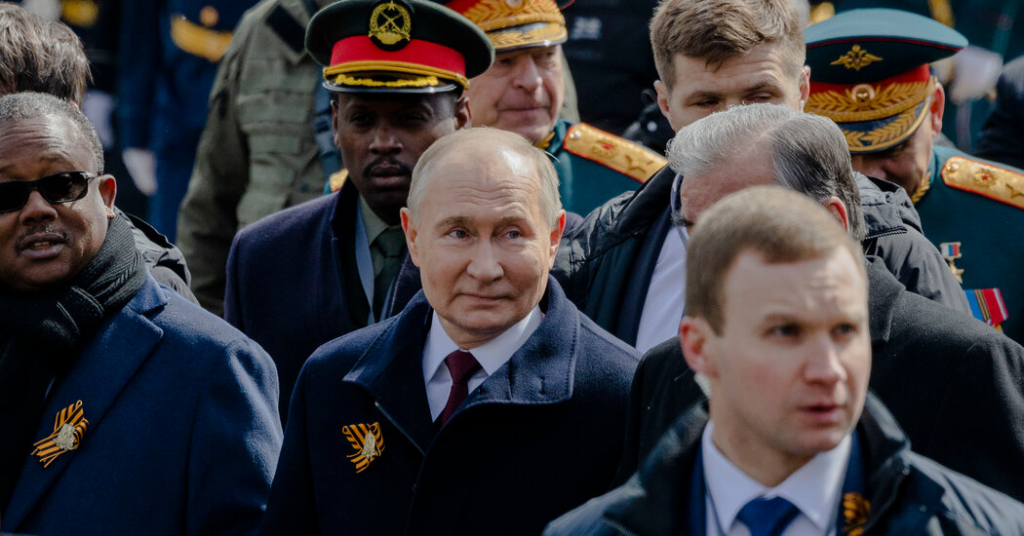
Putin demands Ukrainian territory has become a central theme in the ongoing conflict that has gripped Eastern Europe, particularly as the Ukraine war enters a critical phase. President Vladimir Putin has underscored that Russia will only cease its military operations if Ukraine’s forces withdraw from regions like Crimea and the Donbas, which Moscow claims. These demands are not just about territory; they encompass the legality of Russia’s 2014 Crimea annexation and control over parts of eastern Ukraine. Amidst ongoing talks with the U.S. in Moscow, the Kremlin continues to assert its authority over these contested areas, leaving Kyiv in a precarious position. As global tensions rise, the implications of Putin’s demands stretch far beyond the borders of Ukraine, potentially altering the geopolitical landscape significantly.
In recent discussions, President Putin has made it clear that claims over Ukrainian lands will play a pivotal role in shaping any resolution to the prolonged hostilities with Kyiv. The insistence on recognition of territories, particularly the annexed Crimea and the disputed Donbas, highlights Russia’s strategy to assert its dominance in the region. These territorial assertions are not merely tactical moves but rather a broader reflection of Moscow’s ambitions under the guise of diplomatic negotiations. As the dialogue evolves, especially with anticipated talks with American officials, the stakes continue to rise for both Ukraine and Russia. The response from the Ukrainian government remains resolute, ensuring that any semblance of peace must not come at the cost of territorial integrity.
Putin Demands Ukrainian Territory: The Stakes of Peace Talks
In the escalating conflicts over Ukrainian territory, President Vladimir Putin has made it clear that his demands will shape any future peace talks. He insists that Russia will only cease military operations if Ukrainian forces withdraw from regions that Moscow claims, including Crimea and the Donbas area. This hardline stance underscores the complexities involved in negotiations, particularly with recent discussions between U.S. and Ukrainian officials aimed at reaching a diplomatic resolution. The pattern of Putin’s territorial claims, particularly the annexation of Crimea in 2014 and recent advances in the Donbas region, highlights a troubling trend that complicates the path to peace.
Both sides face significant challenges in these negotiations, particularly because Kyiv has ruled out any concessions over its territorial integrity. The ongoing conflict has drawn a line in the sand; as such, rewarding aggressive tactics from Russia appears unthinkable to Ukrainian leaders, who view the status quo as a commitment to sovereignty. The battlefield dynamics, coupled with Putin’s insistence on territorial recognition, create a tense atmosphere where diplomacy is closely tied to military outcomes.
The Implications of Crimea and the Donbas in Negotiations
The status of Crimea and the Donbas region is pivotal to understanding the broader implications of the Ukraine war. Following Russia’s illegal annexation of Crimea, the region has remained a focal point of contention, complicating peace talks with the U.S and Ukraine. Putin’s declaration that these territories must be recognized as de facto Russian territory poses a significant obstacle in negotiations, and any backtracking on this point could be perceived as a sign of weakness by Moscow’s leadership. This deeply entrenched position reflects both a desire for territorial expansion and a strategy to bolster domestic support amid international isolation.
For Ukraine, the acknowledgment of any part of its territory as Russian-controlled undermines its fight for sovereignty and integrity. With Ukrainian forces still engaged in efforts to reclaim control over parts of the Donbas, conceding ground does not merely represent a tactical setback; it symbolizes a broader existential threat to Ukraine’s national identity. The ongoing conflict in these regions exemplifies the fragile nature of international geopolitics, where territorial claims can ignite broader confrontations, requiring careful navigation in diplomatic avenues.
Russia’s Military Posture and Battlefield Dynamics in Ukraine
As the war in Ukraine drags on, the military dynamics on the battlefield continue to evolve, impacting Putin’s strategy and diplomatic engagements. Reports indicate that Russia’s military advances have come at a steep cost, raising concerns about manpower and sustaining momentum. The Institute for the Study of War suggests that the current pace of Russian operations could prolong the conflict in eastern Ukraine, emphasizing the precariousness of their situation. This sets a backdrop for talks, where the balance of power may shift based on military successes or failures.
The insistence of Russian leadership that they hold the initiative reflects a tactical narrative aimed at both domestic and international audiences. By depicting strength on the battlefield, Putin attempts to legitimize his territorial claims and create a sense of inevitability regarding the conflict’s outcomes. However, this military posture could backfire if the Russian public grows weary of the costs associated with protracted warfare, potentially influencing future political decisions. Thus, the interplay between military actions and diplomatic negotiations remains crucial in the quest for a resolution to the Ukraine war.
The Role of the U.S. in Mediating Peace Talks
The involvement of the United States in the ongoing peace talks highlights the international ramifications of the Ukraine conflict. With U.S. officials meeting with both Russian and Ukrainian representatives, the ideological battle over sovereignty and territorial integrity continues to unfold on a global stage. The U.S.’s push for a peace plan that accommodates Moscow’s demands may have significant implications for diplomacy in the region, particularly as Kyiv seeks to protect its interests amidst external pressures.
As the U.S. navigates delicate discussions with both sides, the complexities of the negotiation landscape become apparent. The focus on security guarantees for Ukraine, juxtaposed with the recognition of occupied territories, illustrates the challenges in establishing a cohesive and lasting peace framework. Russia’s expectation for recognition of its territory claims further complicates U.S. efforts to support Ukraine while attempting to maintain a façade of neutrality in negotiations.
Putin’s Views on Ukrainian Leadership and Legitimacy
Putin’s perception of the Ukrainian leadership plays a crucial role in shaping Russia’s strategy during the ongoing talks. By dismissing Ukrainian officials as illegitimate, he not only undermines their authority but also justifies his ongoing military actions. This stance illustrates a broader narrative wherein Russia seeks to reassert influence over former Soviet territories by framing the current Ukrainian government as an obstacle to regional stability. Such rhetoric aims to rally domestic support by portraying Russia as a defender against foreign interference and internal dissent.
Moreover, the absence of legitimate political dialogue with Ukraine diminishes the prospects for fruitful negotiations. Putin’s refusal to consider agreements with a government he deems illegitimate complicates the diplomatic landscape, suggesting that discussions will revolve around military power rather than diplomacy. This dynamic not only stalls potential resolution but also reinforces the cycle of conflict, as both sides remain entrenched in their respective positions regarding power and legitimacy.
The European Consensus on Russian Aggression
European leaders have expressed a unified stance regarding Russia’s aggression, particularly as it relates to the ongoing conflict in Ukraine. Concerns regarding Putin’s territorial ambitions extend beyond Ukraine, with fears that Russia may seek to further expand its influence across Europe. This perspective is rooted in historical memory and a cautious approach to Moscow’s actions, which are often perceived through the lens of post-World War Two dynamics. Ursula von der Leyen’s remarks about Russia’s view as a sphere of influence resonate with sentiments throughout the continent, emphasizing the need for collective European security.
The European response to this situation highlights a crucial element in the power dynamics between Russia and the West. Support for Ukraine has been evidenced through sanctions, economic aid, and military assistance, reflecting a commitment to uphold international norms regarding sovereignty and territorial integrity. However, there remains skepticism regarding Putin’s intentions and whether he is genuinely seeking a diplomatic resolution. This uncertainty fuels discussions on preparing for various outcomes, being mindful that the conflict’s consequences may reverberate throughout Europe and could shape future interactions with the Kremlin.
Key Obstacles to Peace in Ukraine
Despite ongoing diplomatic efforts, numerous hurdles complicate the path to peace in Ukraine. Central to these discussions are the entrenched territorial claims surrounding Crimea and the Donbas, which present significant obstacles to achieving a comprehensive agreement. Putin’s demands for recognition of Russian territory rest on principles that most nations, including Ukraine, vehemently oppose. This impasse suggests that achieving a ceasefire will require not only negotiations on military fronts but also a profound shift in how territorial sovereignty is perceived.
Additionally, the lack of trust between the involved parties exacerbates the challenges in reaching an accord. Ukraine’s consistent refusal to acknowledge Russia’s claims illustrates a broader commitment to sovereignty, which contrasts sharply with Russia’s claims of historical and political rights to these regions. Consequently, any peace talks that do not effectively address these issues are likely to result in temporary measures rather than lasting solutions. Building a framework for peace necessitates a transformation in both dialogue and mutual recognition of boundaries and rights.
Impacts of International Sanctions on Putin’s Strategy
International sanctions imposed on Russia significantly influence Putin’s strategic calculations in the Ukraine conflict. These sanctions aim to curb Russia’s aggression by targeting its economy and diminishing its capacity to sustain military operations. The long-term effects of these financial restrictions have highlighted vulnerabilities within the Russian economy, raising questions about how they may alter Putin’s approach to negotiations. As the conflict continues, the sustainability of Russian military campaigns could hinge on the effectiveness of sanctions in eroding economic resilience.
Furthermore, sanctions serve as a critical tool for Western nations to signal their disapproval of Russia’s aggressive actions in Ukraine while supporting the Ukrainian cause. However, they also create a complex dilemma for leaders who must balance punitive measures against protecting broader geopolitical stability. The reciprocal responses from Russia, including counter-sanctions and aggressive rhetoric, often complicate diplomatic avenues, generating additional tension that pervades ongoing discussions about the future of Ukraine.
The Future of Ukraine: Sovereignty and Regional Stability
Looking ahead, the future of Ukraine hinges on maintaining its sovereignty amid ongoing external pressures and territorial disputes. The war has profoundly impacted the nation, not just militarily but also socially and economically. As President Zelensky and his administration navigate the complexities of international diplomacy, the question remains whether Ukraine will be able to rebuild and firmly establish its territorial integrity post-conflict. International support is critical in this effort, reinforcing Ukraine’s position against hostile actions by Russia.
Moreover, regional stability in Europe will largely depend on the outcome of the Ukraine war and the effectiveness of diplomatic efforts to resolve the crisis. The implications for neighboring countries and potential spillover effects are considerable, as any shift in borders or power dynamics could incite tensions elsewhere. Thus, it is imperative that both Ukraine and its allies work together to establish a framework for peace, guided by principles of sovereignty, territorial integrity, and mutual respect in the context of international law.
Frequently Asked Questions
What are Vladimir Putin’s current demands regarding Ukrainian territory?
Vladimir Putin demands the recognition of Ukrainian territories that Russia has occupied, including Crimea, which was annexed in 2014, and parts of the Donbas region where Moscow maintains control. These demands are a crucial condition for ending the ongoing Ukraine war.
How has the Ukraine war influenced Putin’s territorial claims?
The Ukraine war has intensified Putin’s territorial claims, particularly over Crimea and the Donbas region. He insists that Russia will only cease military actions if Ukraine withdraws from these contested areas, reaffirming his stance on demands for Ukrainian territory.
What negotiations are taking place regarding Putin’s demands for Ukrainian territory?
Negotiations are ongoing, with recent discussions between U.S. officials and Ukraine. However, any peace plan must address the territorial claims made by Putin, particularly the status of Crimea and the Donbas region, which remain significant obstacles to achieving a resolution.
Why does Ukraine reject Putin’s demands for territorial concessions?
Ukraine firmly rejects any territorial concessions to Russia, viewing it as a reward for aggression. The Ukrainian leadership has stated that yielding land, especially in the Donbas region, is not an option, as it undermines their sovereignty.
What impact do Putin’s territorial demands have on U.S.-Russia talks?
Putin’s demands for recognition of Russian-controlled territories complicate U.S.-Russia talks. As the U.S. aims for a peace framework, addressing these territorial claims is crucial for any potential agreement with both Ukraine and Russia.
How does the international community view Putin’s claims on Ukrainian territories?
The international community largely views Putin’s claims on Ukrainian territories, including Crimea and the Donbas region, as illegal and contrary to international law. Many nations support Ukraine’s sovereignty and territorial integrity, condemning Russia’s actions.
What conditions did Putin outline for ending the war in Ukraine?
Putin outlined that a ceasefire and the end of the war are contingent upon Ukraine’s withdrawal from the territories claimed by Russia. He emphasizes that military actions will continue until these conditions are met.
What role does Crimea play in Putin’s territorial claims during the Ukraine war?
Crimea is a critical aspect of Putin’s territorial claims amid the Ukraine war. He demands its recognition as part of Russia, a claim that is rooted in the peninsula’s illegal annexation in 2014 and is pivotal in the ongoing negotiations.
What are the implications of Putin’s remarks for future Ukraine-Russia relations?
Putin’s insistence on Ukrainian territory claims signals a challenging road ahead for future Ukraine-Russia relations. His comments suggest that without addressing these issues, any peace initiative or reconciliation is unlikely to succeed.
How might Putin’s territorial demands affect the military situation in the Donbas region?
Putin’s territorial demands might escalate military operations in the Donbas region as he maintains that Russia will achieve control through force if Ukraine does not comply with his withdrawal demands, impacting civilian and military dynamics on the ground.
| Key Points | Details |
|---|---|
| Putin’s Demands | Putin insists that Russia will cease military actions only if Ukraine withdraws from territories claimed by Moscow, including Crimea and parts of the Donbas. |
| Recognition of Territories | Putin demands legal recognition of the territories seized by Russia since 2014, particularly emphasizing the Crimean Peninsula. |
| Kyiv’s Stance | Ukraine has firmly rejected any concession regarding the territories under its control, asserting it will not reward Russia’s aggression. |
| Military Strategy | Putin claimed that Russia is willing to sustain military efforts until it achieves its territorial goals, despite the high cost during ongoing conflicts. |
| Diplomatic Talks | The recent diplomatic discussions in Moscow and allegations of a revised peace plan have not resolved the standstill over occupied territories. |
| US Involvement | US officials are actively engaged in discussions, with the possibility of future agreements hinging on how the issue of occupied territories is addressed. |
| Putin’s Position on Ukrainian Leadership | Putin openly criticized Ukraine’s leadership, deeming them illegitimate and suggesting there’s no value in formal agreements with them. |
Summary
Putin demands Ukrainian territory as he reiterates his conditions for ending the war in Ukraine. His insistence on territorial claims continues to be a significant roadblock in negotiations, as Kyiv firmly opposes conceding any land to Russia. The situation remains precarious, with both military and diplomatic efforts ongoing, but fundamental disagreements persist between the involved parties.