Listen to this article
The recent child benefit cap has become a topic of intense debate in the wake of the UK budget 2025, particularly after Prime Minister Keir Starmer announced plans to eliminate this controversial policy. With child poverty levels remaining alarmingly high, Starmer’s commitment to addressing these issues is gaining traction among the electorate and within the Labour Party. By abolishing the cap introduced in 2017, parents will no longer face restrictions on child benefit for their third child and beyond, offering them crucial financial support. This shift aligns with Starmer’s greater vision of reforming universal credit and tackling child poverty effectively. As the Labour Party gears up for potential elections, these transformative policies could play a pivotal role in reshaping the welfare state for families across the UK.
The recent discussions surrounding the restrictions placed on child benefit payments highlight a significant turning point in policy approach from the current government. The cap, which limited support to the first two children, has drawn criticism as an unfair barrier contributing to rising child poverty. With the Prime Minister’s focus shifting to eradicate these limitations, there is a growing sense of urgency to promote welfare enhancements that align with family needs. Moreover, the reconsideration of universal credits as part of broader fiscal strategies reflects an emphasis on alleviating financial pressures on households. Overall, this emerging narrative suggests a commitment to ensuring that all children have equitable access to resources, fostering a more inclusive society.
Scrapping the Child Benefit Cap: A Pivotal Decision for the Labour Party
The recent announcement by Prime Minister Keir Starmer to scrap the child benefit cap has been met with mixed reactions. While many see it as a necessary step towards alleviating child poverty in the UK, others question why this decision was delayed for so long. The cap, which limits certain benefits to the first two children in a family, has been a contentious issue since its introduction by the Conservative government in 2017. By removing this limitation, Starmer aims to provide much-needed financial support to families in need, showing that addressing child poverty is a central focus of Labour Party policies moving into the 2025 budget.
Starmer’s 18-month tenure has been punctuated by a struggle to balance fiscal responsibility with the urgent needs of constituents. While the Prime Minister expresses a heartfelt mission to eradicate child poverty, critics often point to his initial reluctance to act against the child benefit cap. This delay raises questions about the political calculus behind the decision. However, with the announcement now confirmed, it appears that the Labour Party is taking a decisive turn towards prioritizing social welfare, emphasizing the importance of universal credit and its role in lifting families out of poverty.
The Political Implications of Removing the Child Benefit Cap
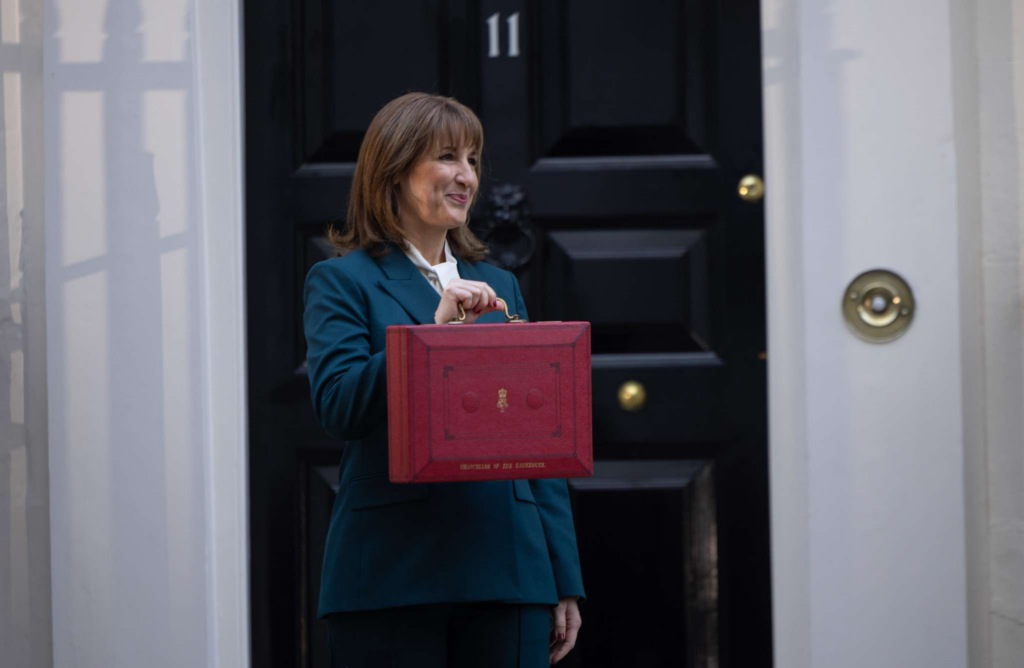
In the aftermath of the Budget announcement, the political landscape appears to shift for the Labour Party. By scrapping the child benefit cap, Starmer and Chancellor Rachel Reeves are positioning themselves in stark contrast to previous Conservative policies that arguably led to increased child poverty. This decision could serve as a turning point for the Labour Party, as they aim to secure voter trust by prioritizing welfare reforms that directly impact working families. As UK households grapple with rising costs of living, this move signals a willingness to prioritize ordinary people’s needs over traditional political strategies, showcasing an alignment with Labour’s foundational values.
However, the decision to scrap the child benefit cap is not just about social justice; it also reflects a strategic shift in Labour’s approach to governance. As Starmer pushes forward with significant tax increases in his budget, he must simultaneously manage the expectations of voters who may be skeptical of higher taxes, yet eager for improved social services. The fallout from this budget will likely influence public perception, as voters assess whether the investment in child welfare translates to tangible improvements in their everyday lives, thus impacting electoral outcomes in the next general election.
Keir Starmer’s Strategy: Balancing Economy and Welfare
Keir Starmer’s recent statements highlight a clear vision for the economic direction of the Labour Party, focusing on a dual strategy of increasing taxes while ensuring greater support for vulnerable populations. By framing the Budget as a commitment to address long-standing issues around living standards and child poverty, he aims to resonate with the electorate’s frustrations. This strategy, however, must navigate the delicate balance of garnering support from Labour MPs who are enthusiastic about social reforms, while also appealing to a broader audience that may view tax increases warily.
As Starmer embraces a progressive stance on fiscal policy, he emphasizes the importance of sustainability in funding social programs. The focus on lifting families out of poverty through universal credit and various welfare initiatives aligns with the party’s promise to provide a safety net for citizens facing economic hardship. Yet, the challenge remains in effectively communicating this approach to a public that may be skeptical of government spending. Starmer’s ultimate goal appears to reflect a commitment not only to economic recovery but to redefine the Labour Party as a champion for social equity in the UK.
The Larger Picture: Impacts on Child Poverty in the UK
The implications of scrapping the child benefit cap extend far beyond immediate financial support for families. Such changes are vital in addressing systemic issues related to child poverty in the UK, which has reached alarming levels in recent years. By removing financial barriers and expanding support through universal credit, the government aims to create a more equitable environment where all children have access to the resources they need to thrive. This legislative shift could signify a broader commitment to tackling issues of inequality and disadvantage, providing a model for future Labour policies.
In the context of rising living costs and economic pressure, this budget is more than just fiscal policy; it represents a renewed moral obligation to ensure that no child is left behind. By committing to end caps on child benefit, Starmer seeks not only to address the financial struggles faced by families but also to restore faith in public institutions as mechanisms for positive change. The successful implementation of these policies will undoubtedly require ongoing discussion and evaluation, but it stands to reshape the narrative around child welfare and economic fairness in the UK.
Labour Party Policies: A Shift Towards Progressive Reform
The Labour Party’s recent ideological shift signals a move towards more progressive reforms aimed at addressing the socio-economic disparities that affect ordinary people. By prioritizing initiatives like the removal of the child benefit cap, Starmer and his team are acknowledging the urgent need for policy changes that reflect the realities faced by many British families today. This reorientation not only aligns with traditional Labour values but also showcases a responsiveness to the electorate’s demands for substantive action against child poverty.
As the Labour Party takes these steps, it also opens itself up to scrutiny regarding the sustainability of its proposed policies. Critics may challenge the fiscal implications of increased taxation alongside expansive social support. Nevertheless, by placing child poverty at the forefront of its agenda, the Labour Party aims to cultivate a narrative of compassion and accountability, which could resonate strongly with voters in the upcoming election cycle. The focus on social welfare, coupled with a commitment to economic reform, positions the Labour Party as a serious contender in discussions around the future of the UK’s economic landscape.
Universal Credit: A Key Component in Labour’s Welfare Strategy
Universal credit has emerged as a key tenet of the Labour Party’s strategy to combat child poverty and support working families across the UK. As they move to scrap the child benefit cap, the government’s emphasis on enhancing universal credit aims to ensure that more families are eligible for financial assistance, regardless of the number of children they have. This shift highlights the need to adapt welfare policies to reflect today’s economic realities, ultimately seeking to provide a safety net for those who are struggling.
However, the effectiveness of universal credit as a solution to child poverty remains a subject of debate. While the Labour Party is optimistic about its potential to alleviate financial strain, there are concerns about the implementation and reach of these benefits. Starmer’s government will need to continue refining the system to ensure it delivers on its promise of support without leaving other vulnerable groups behind. Success in this area could enhance the party’s credibility and public reception ahead of future elections.
Public Perception: Gauging Voter Reaction to Labour’s New Direction
The Labour Party’s sweeping changes under Starmer’s leadership raise important questions about public perception and voter reaction. With the announcement to remove the child benefit cap, Labour is taking a bold step that could redefine its image in the eyes of the electorate. Many voters, particularly those directly affected by poverty, may respond positively to the government’s commitment to financial support for families. However, for others, particularly those cautious about tax increases, this decision could spark skepticism regarding the party’s overall financial strategy and its implications for their personal finances.
Engaging with constituents and conveying the benefits of such reforms will be crucial for Labour as it navigates this new political terrain. The ability to communicate effectively about the positive outcomes of scrapping the child benefit cap and investing in welfare could bridge the gap between differing voter concerns. Ultimately, Starmer’s approach may serve as a litmus test for the party’s evolution, revealing whether Labour can successfully align its policies with the needs and expectations of modern British society.
Future Challenges: Maintaining Momentum in Welfare Reforms
As the Labour Party embarks on its journey to implement welfare reforms, sustained momentum will be paramount. The commitment to removing the child benefit cap is just the beginning of a broader agenda designed to combat child poverty and support vulnerable families across the UK. However, ensuring that these reforms translate into tangible improvements will require careful planning and execution. The government must address potential challenges related to funding and program delivery to assure constituents that the proposed changes will be effective and long-lasting.
Moreover, as Labour navigates public sentiment surrounding taxation and social spending, the party must remain attuned to the diverse needs of its electorate. By promoting a narrative centered on hope and social equity, Labour can cultivate a stronger connection with voters, ensuring their policies resonate in a meaningful way. If successful, Labour’s approach could not only enhance its reputation but also set foundational changes that shape the political landscape for years to come, marking a significant departure from past austerity measures.
Frequently Asked Questions
What is the child benefit cap and how does it relate to child poverty in the UK?
The child benefit cap limits eligibility for parents to claim benefits for only their first two children under the Universal Credit system. This cap, introduced by the Conservative government in 2017, is a significant factor contributing to child poverty in the UK, as it restricts financial support for larger families. Recent announcements indicate plans to scrap this cap, aiming to alleviate child poverty and provide more comprehensive support to families.
How does the Labour Party plan to address child poverty and the child benefit cap in the upcoming UK budget 2025?
The Labour Party, led by Sir Keir Starmer, has committed to addressing child poverty by scrapping the child benefit cap in the upcoming UK Budget 2025. This change is part of a broader initiative to increase government spending on welfare programs, aimed at lifting hundreds of thousands of children out of poverty and ensuring that families receive the financial support they need.
Why has Keir Starmer decided to scrap the child benefit cap now?
Keir Starmer has decided to scrap the child benefit cap now as part of a strategic shift following an assessment of the country’s economic situation. Previously, he indicated that the cap removal was a matter of affordability, but recent budget discussions have suggested that there is now sufficient funding to support this vital change. The move aims to demonstrate the government’s commitment to reducing child poverty and improving living standards for families.
What impact will removing the child benefit cap have on families in the UK?
Removing the child benefit cap will significantly impact families in the UK by allowing them to claim support for all of their children, not just the first two. This change is expected to provide essential financial relief for larger families, helping to reduce instances of child poverty and improve overall living conditions as part of Labour’s broader social welfare policies.
How do Labour Party policies regarding the child benefit cap reflect on the government’s approach to child poverty?
Labour Party policies regarding the child benefit cap reflect a renewed focus on tackling child poverty head-on. By proposing to remove the cap, the party is emphasizing the importance of comprehensive support for families and prioritizing welfare provisions as a central pillar of its policy agenda, especially in light of the pressing issues that contribute to child poverty across the UK.
What criticisms has Keir Starmer faced regarding the timing of the announcement to remove the child benefit cap?
Keir Starmer has faced criticism for the 18-month delay in announcing the removal of the child benefit cap, particularly given that some Labour MPs were expelled previously for supporting this very change. Critics argue that the timing appears politically motivated and raises questions about the government’s urgency in addressing child poverty amid growing public concern.
Will the scrapping of the child benefit cap affect Universal Credit claims in the UK?
Yes, scrapping the child benefit cap will directly affect Universal Credit claims by allowing families to receive support for all children. This policy change aims to ensure that financial assistance is more equitable and helps to mitigate the financial struggles of larger families, thereby enhancing the overall effectiveness of the Universal Credit system in addressing child poverty.
| Key Point | Details |
|---|---|
| Child Benefit Cap | Scrapped by the government as part of the new Budget, which will be effective from next April. |
| Prime Minister’s Position | Sir Keir Starmer has emphasized the urgency of reducing child poverty, which he considers both a political and personal mission. |
| Funding Issues | Previously argued by Starmer that removing the cap wasn’t affordable, but recent Budget indicates that financial conditions have changed. |
| Political Strategy | The new Budget shows a willingness to increase taxes and spending, aimed at enhancing support among Labour MPs. |
| Impact on Families | The Budget is expected to lift 500,000 children out of poverty, according to the Prime Minister. |
| Public Perception | The moves taken in the Budget are a gamble on improving the government’s popularity among voters. |
Summary
The child benefit cap is set to be removed as part of the recent Budget proposals, a decision that has sparked significant discussion about its timing and implications. Prime Minister Sir Keir Starmer aims to lift 500,000 children out of poverty with this move, demonstrating a new political strategy focused on prioritizing child welfare and tackling poverty. While initially resistant due to perceived funding issues, the government now claims that sufficient financial resources are available to support this change. The political landscape is shifting, with Labour embracing a narrative of increased spending, which they hope will resonate with voters and improve their public image. Overall, the child benefit cap’s removal represents a critical effort by the government to address long-standing issues of child poverty in the UK.