
Listen to this article
The Lower Thames Crossing is set to revolutionize transportation in the South East of England with its anticipated opening in the early 2030s. This initiative is one of the most significant UK infrastructure projects, aiming to alleviate the notorious Dartford Crossing congestion that has plagued motorists for years. Stretching 14.5 miles, this innovative Thames road tunnel will connect Kent to Essex, providing a seamless link between key motorways. With substantial investment of £891 million dedicated to its development, the Lower Thames Crossing promises to enhance economic growth and connectivity across the region. Designed with sustainability in mind, it boasts unique features such as green road innovations, including the UK’s longest road tunnel, making it an exemplary model for future infrastructure endeavors.
Often referred to as the Thames crossing project, the Lower Thames Crossing represents a transformative leap in ease of travel between Kent and Essex. This ambitious development is designed to address longstanding traffic issues, especially those stemming from the frequently congested Dartford Crossing. Connecting major roadways, it will facilitate smoother transit across the region, thereby enhancing overall connectivity. The emphasis on eco-friendly road innovations, like the construction of green bridges and sustainable tunnel solutions, highlights its commitment to preserving the environment while modernizing transport infrastructure. As this essential crossing nears completion, it is poised to reshape the landscape of UK road travel for generations to come.
Overview of the Lower Thames Crossing Project
The Lower Thames Crossing is a landmark development aimed at enhancing motor traffic flow across the Thames, projected to open in the early 2030s. This vital infrastructure project, which includes a 2.6-mile tunnel beneath the Thames, is designed to alleviate the current congestion woes experienced at the Dartford Crossing. As confirmed by Rachel Reeves, the Chancellor has allocated an additional £891 million to expedite the project, ensuring its timely execution follows the final plans approved earlier by Transport Secretary Heidi Alexander.
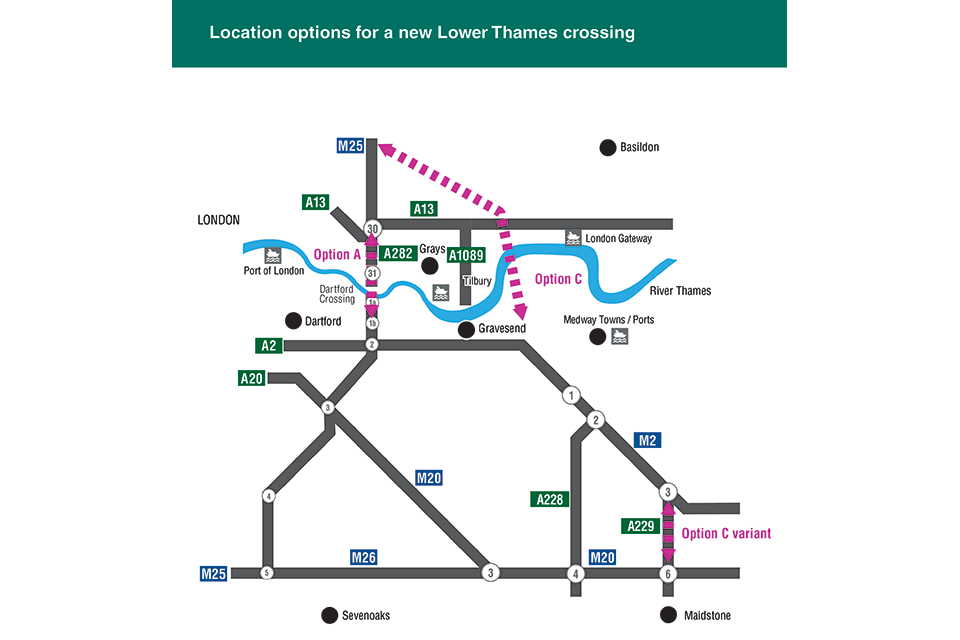
Spanning approximately 14.5 miles, this motorway-style road will link key routes from Kent to Essex, connecting the A2 and M2 to the A13 and M25. The integration of this crossing into the UK’s transportation network is pivotal, promising to bolster economic growth through improved connectivity between the South-East, Midlands, and the North. The phased construction approach indicates a focus on managing the process efficiently while optimizing the outcomes for commuters.
Benefits of the Lower Thames Crossing
One of the multifaceted benefits of the Lower Thames Crossing is its potential to significantly reduce congestion at the Dartford Crossing. This notorious bottleneck has been a challenge for years, and with the new crossing, travel times are expected to dramatically improve. The establishment of a direct route for vehicles will not only ease pressure on existing infrastructure but also enhance access to vital regions, thereby streamlining commerce and daily commutes alike.
Additionally, the project is likely to create thousands of jobs, as highlighted by Matt Palmer from National Highways. The construction and long-term operation phases will engage local workers and businesses, fostering economic opportunities in the region. This integration of local talent into the project serves to reinforce community ties and ensure that the benefits of the Lower Thames Crossing are felt at the grassroots level.
Innovative Features of the Lower Thames Crossing
In an impressive move towards sustainability, the Lower Thames Crossing is designed to be the greenest road in Britain. Environmental concerns have been carefully considered, with 80 percent of the route either underground or shielded by landscaped embankments that blend with the natural environment. The project includes the addition of seven new green bridges, promoting ecological corridors and wildlife passage, which is a significant advancement in road infrastructure development.
Innovations extend beyond the green bridges; the project also intends to employ low-carbon construction methods such as prefabricated bridges. These designs are tailored to minimize disruption for drivers and maintain a scenic landscape. The gantries, constructed without steel to lessen visual impacts and ensure environmental harmony, showcase a commitment to integrating modern engineering practices with environmental stewardship.
Funding and Economic Implications
Funding for the Lower Thames Crossing has been fueled by a commitment of £891 million from the government, underscoring the project’s significance within the purview of ongoing UK infrastructure projects. This financial backing marks a pivotal step in realizing this ambitious and essential development. The strategic investment aims not only to expedite construction but also to position the crossing as a catalyst for economic growth across several regions.
The phased completion, moving forward from 2026 to 2029, will ensure that publicly funded portions of the project are executed efficiently. The era following completion will witness a transition to private sector oversight for construction and operation, creating a sustainable economic model. This blend of public and private investment is crucial, ensuring a robust framework for infrastructure development in the UK.
Addressing Congestion Issues in the UK
The Dartford Crossing has long been recognized as a choke point within the UK’s road network, leading to significant delays and frustration for travelers. By introducing the Lower Thames Crossing, authorities aim to ease this congestion and improve overall traffic flow. The infrastructure not only addresses current challenges but anticipates future transportation demands, setting a new standard for connectivity in southeast England.
With the projected increase in traffic from both local and long-distance travel, the new crossing stands to transform the driving experience. Drivers can look forward to reduced delays, enhanced safety, and a more streamlined journey, which will be essential as economic activity continues to grow in the surrounding regions.
Environmental Considerations in Road Infrastructure
While the Lower Thames Crossing is set to revolutionize connectivity in the region, its design prioritizes environmental sustainability. The project aims to minimize disruption to local ecosystems by embedding significant portions of the road underground. The careful planning of green bridges and landscaped embankments reflects a growing awareness of the need to harmonize infrastructure developments with ecological welfare.
Furthermore, innovative approaches to construction, such as low-carbon materials and designs, underline the commitment to creating a sustainable transportation network. This forward-thinking approach is expected to serve as a model for future UK infrastructure projects, demonstrating that economic growth does not have to come at the expense of environmental integrity.
Community Impact of the Lower Thames Crossing
The Lower Thames Crossing project promises to leave a lasting legacy on local communities. With ongoing commitments to local engagement, the construction phase will be a significant opportunity for job creation, educating professionals, and enhancing skills. The collaboration between contractors and local labor will ensure that the community benefits economically from this infrastructure investment.
The implementation of the crossing will not only facilitate smoother traffic patterns but will also open new avenues for business and community initiatives, leading to enhanced regional growth. As communities adapt to the new infrastructure, increased accessibility will help drive innovation and commercial activity, enhancing the quality of life for residents in Kent and Essex.
Long-term Vision for Thames Road Tunnels
The Lower Thames Crossing stands as a symbol of the UK’s commitment to modernizing its road transport system. The vision for Thames road tunnels emphasizes not only the immediate benefits of reduced congestion but also long-term strategic advantages for national connectivity. The successful completion will pave the way for future infrastructure projects aimed at enhancing mobility across the UK.
Such developments are reflective of a growing recognition of the importance of integrated transport networks in supporting economic ambitions. As the Lower Thames Crossing prepares for its initiation in the early 2030s, it highlights the essential role of innovative road infrastructure in building a resilient and economically competitive Britain.
Government Support for Infrastructure Development
Government backing is crucial for the advancement of any major infrastructure projects, and the Lower Thames Crossing is no exception. The recent funding approval of nearly £891 million aims to reinforce the project’s viability, sending a strong message regarding the government’s commitment to enhancing the UK’s transportation infrastructure. This level of investment reflects the recognition of the crossing’s potential impact on economic growth and regional connectivity.
Additionally, the phased funding strategy indicates a prudent approach to managing taxpayer money while ensuring transparency and accountability in execution. Such proactive government involvement not only accelerates development timelines but also builds public confidence in the project, crucial for its long-term success.
The Future of the Lower Thames Crossing and Its Legacy
As the Lower Thames Crossing gears up for construction, the future looks promising. The thorough planning and commitment to innovative and sustainable practices suggests that this crossing will not only address existing traffic challenges but also contribute to a modernized transport network for the decades to come. The legacy of this infrastructure project is expected to mark a shift in how the UK approaches major road developments.
Ultimately, the Lower Thames Crossing will play a significant role in interconnecting regions while respecting environmental concerns. Its successful implementation will set a precedent for future projects, serving as a benchmark for balancing infrastructure growth with ecological responsibility, ensuring connectivity continues to support economic vitality across the UK.
Frequently Asked Questions
What is the Lower Thames Crossing project?
The Lower Thames Crossing is a major UK infrastructure project designed to alleviate congestion at the Dartford Crossing by connecting Kent to Essex. Spanning 14.5 miles, it includes a 2.6-mile motorway-style road that runs under the Thames, marking the longest road tunnel in the UK. This project aims to boost regional connectivity and economic growth.
How will the Lower Thames Crossing impact Dartford Crossing congestion?
Once completed, the Lower Thames Crossing is expected to significantly reduce traffic congestion at the Dartford Crossing. By providing an alternative route linking the A2 and M2 in Kent to the A13 and M25 in Essex, it will relieve pressure on the existing crossing, improving travel times for commuters and freight.
When is the Lower Thames Crossing expected to open?
The Lower Thames Crossing is on track to open in the early 2030s, with completion slated for a phased approach between 2026 and 2029 for publicly-funded works. This timeline was confirmed by figures in UK government, highlighting the project’s importance for national infrastructure.
What investments have been made for the Lower Thames Crossing?
The UK government has committed an additional £891 million for the Lower Thames Crossing as part of The Budget. This funding will support essential works leading up to construction, reinforcing the project’s significance in modernizing UK infrastructure and enhancing economic growth across the region.
What are the environmental considerations of the Lower Thames Crossing?
The Lower Thames Crossing has been designed to be the greenest road in Britain. Approximately 80 percent of the route will be in a tunnel or hidden behind landscaped embankments, minimizing its environmental impact. Innovative features include green bridges, low-carbon construction methods, and efforts to preserve the natural landscape.
How will the Lower Thames Crossing benefit local communities?
The Lower Thames Crossing is expected to create jobs and skills within local communities during its construction phase, as it aims to be built by local workers and businesses. Furthermore, it emphasizes long-term regional benefits by improving connectivity, stimulating local economies, and enhancing transport infrastructure.
What innovative designs are incorporated in the Lower Thames Crossing?
The Lower Thames Crossing features innovative designs such as seven new green bridges, including one that will be the widest in Europe. Plans include prefabricated bridges to minimize disruption and low-carbon materials for footbridges, aiming for minimal visual impact while integrating with the natural surroundings.
How does the Lower Thames Crossing enhance UK infrastructure?
As a key UK infrastructure project, the Lower Thames Crossing enhances connectivity between the South-East, Midlands, and North of England. By facilitating better transport links and reducing congestion, it supports economic growth and lays the groundwork for a modernized road network benefiting both businesses and commuters.
| Key Point | Details |
|---|---|
| Opening Timeline | Early 2030s, confirmed by Rachel Reeves. |
| Funding | An additional £891 million committed as part of The Budget. |
| Construction and Operation | Publicly-funded works will be completed from 2026 to 2029, with private sector handling construction and long-term operations thereafter. |
| Significance | Expected to reduce congestion at the Dartford Crossing and enhance connectivity between regions. |
| Environmental Impact | 80% of the route will be in a tunnel or behind landscaped embankments. The project aims to be the greenest road in Britain. |
| Innovative Features | Includes seven new green bridges, prefabricated bridges, low-carbon footbridges, and visually minimal gantries. |
Summary
The Lower Thames Crossing is set to transform transportation in the UK, improving connectivity and reducing traffic congestion. Slated to open in the early 2030s, the project marks a critical milestone in the UK’s infrastructure development, backed by a substantial investment of £891 million. It promises to become the greenest road in Britain, incorporating innovative design elements to mitigate environmental impact, ensuring it leaves a lasting legacy of jobs and improved connectivity for the surrounding regions.