
Listen to this article
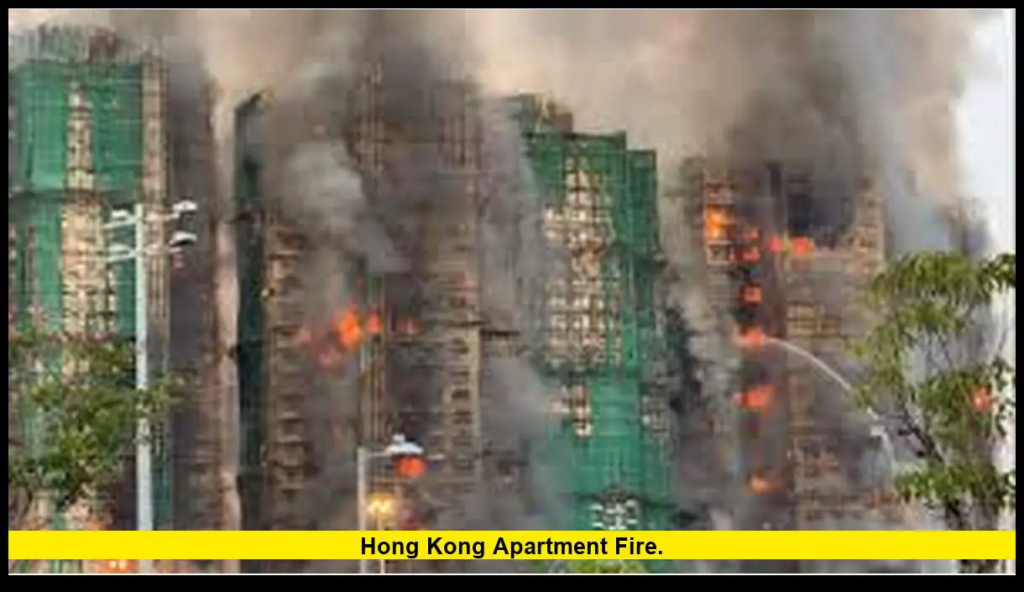
In a tragic turn of events, a devastating Hong Kong apartment fire has claimed the lives of 55 individuals, marking one of the deadliest fire tragedies in the region’s history. The inferno, which erupted in the Wang Fuk Court complex in Tai Po, led to the evacuation of around 900 residents and inflicted injuries on at least 62 people. Emergency responders worked tirelessly to control the flames that rapidly spread through multiple high-rise buildings, highlighting alarming concerns about construction safety standards in the area. This high-rise building blaze not only resulted in firefighter casualties but also raised serious questions about the involvement of a construction firm, with three individuals arrested on suspicion of manslaughter. As authorities investigate the cause of this tragic incident, the community mourns the loss of life while demanding accountability and stricter safety regulations to prevent future disasters.
A catastrophic inferno has engulfed an apartment building in Hong Kong, leading to a shocking death toll and mass evacuations within the affected community. This catastrophic incident, often referred to as the Tai Po fire incident, underscores the pressing issues surrounding fire safety in high-density living environments. As firefighters confront the fierce blaze, the urgency of addressing construction safety standards and regulations comes to the forefront. Many residents, including vulnerable populations such as the elderly, now face the aftermath of this dire high-rise building blaze. The tragic loss of life and injuries from this harrowing event remind us of the critical need for stringent safety oversight to safeguard against such devastating fires in the future.
The Hong Kong Apartment Fire: A Tragic Incident
The recent Hong Kong apartment fire tragedy has shocked not just the local community but also the nation as a whole. The inferno that engulfed the Wang Fuk Court complex in Tai Po claimed the lives of 55 souls, making it one of the deadliest fires in modern history. This devastating incident escalated quickly due to construction materials that allegedly did not meet safety standards, raising serious concerns about fire hazards in high-rise buildings across the region. As firefighters tirelessly worked to control the flames, the harrowing impact of this disaster on the community became clearer, forcing 900 residents to evacuate their homes.
Furthermore, investigations have been launched into the construction practices that may have contributed to the spread of the blaze. The authorities have arrested three individuals linked to the construction firm, indicating potential negligence in adhering to safety protocols. Officials are scrutinizing the external scaffolding and materials used, emphasizing the importance of rigorous construction safety standards to prevent future tragedies. This incident serves as a wake-up call that reinforces the need for regulatory oversight in Hong Kong’s construction industry.
Understanding the Tai Po Fire Incident: Causes and Effects
The Tai Po fire incident reflects a broader issue of safety in buildings undergoing renovation in urban areas. Firefighters reported that the flames originated from the external scaffolding of a 32-story tower, which then rapidly spread to the entire complex via bamboo scaffolding and construction netting. Such rapid escalation of fire can be attributed to a combination of inadequate fire resistance materials and, possibly, a lack of proper safety measures during construction work. Understanding these causes is imperative to mitigate future risks.
Moreover, the psychological and social impact of this catastrophic event cannot be ignored. With a community mostly comprised of elderly residents, the aftermath of the blaze has instilled a deep sense of fear and vulnerability among the survivors. Many have lost their homes and are now living in temporary shelters, with over 279 people still unaccounted for. As recovery efforts continue, the focus must shift to providing support for the victims as well as ensuring that such a tragedy does not recur in the future.
Fire Safety in High-Rise Buildings: Lessons Learned
This catastrophic fire underscores the necessity for stringent fire safety regulations in high-rise buildings. Investigations into the Hong Kong apartment fire revealed that certain construction materials used may have lacked essential fire resistance, contributing to the swift spread of flames. As this incident unfolded, fire services struggled to maintain a foothold against the blaze, grappling with treacherous conditions that hindered their lifesaving efforts. Improving construction safety standards is critical to ensure that materials used in high-rise buildings can withstand such dire emergencies.
Moreover, a comprehensive review of firefighting protocols for high-density urban settings like Hong Kong is essential. The challenges faced during the fire—extreme temperatures, falling debris, and the need for elevated access—highlight the importance of preparedness and rapid response capabilities. Increased training for firefighters and better equipment tailored for urban firefighting can reduce casualties, ensuring that they are well-equipped to handle incidents of this magnitude in the future.
The Role of Firefighters in Responding to Urban Fires
Firefighters are often the first responders in emergencies, and their role becomes critical during significant incidents such as the Hong Kong apartment fire. Sadly, this tragedy has already resulted in the loss of one firefighter’s life while battling the flames. Their bravery and commitment to saving lives are commendable, and tragically, this incident serves as a grim reminder of the inherent risks they face each day. As communities grapple with the aftermath, it is crucial to honor their sacrifices and ensure they receive the support they need.
In addition to their role during emergencies, firefighters are essential in raising awareness about fire safety among residents. Educational programs can be pivotal in teaching the public about the importance of fire prevention strategies and quick response techniques. Encouraging building owners to prioritize safety upgrades in their properties can also significantly enhance the overall safety of residential buildings.
Investigating the Cause of the Deadliest Fire in Recent History
As investigations kick off following the Hong Kong apartment fire, it is vital to identify the causes and assign responsibility for this deadly incident. Authorities have arrested three directors and an engineering consultant on suspicion of manslaughter due to apparent negligence in construction safety standards. The situation raises important questions regarding oversight in the construction industry and regulatory compliance, as material failures seem to have played a critical role in the rapid spread of the fire.
Continued scrutiny of construction practices is essential to avoid a repeat of such a disaster. Following earlier incidents where safety protocols were either overlooked or ignored, this fire serves to emphasize the urgent need for reform. If the industry is to learn from this tragedy, it must entail a comprehensive examination of practices and potentially stricter penalties for negligence to foster a culture of safety.
Community Response Aid for Fire Victims
In the face of such tragedy, community response is vital in providing aid to the victims of the Hong Kong apartment fire. As authorities work hard to account for the missing and provide housing for those displaced, local charities and community organizations are mobilizing support. Evacuating nearly 900 residents to temporary shelters has unleashed an outpouring of communal aid, with residents and volunteers coming together to ensure that those affected have basic necessities such as food and clothing.
However, the work is far from over. Many families have lost everything in the blaze and will require longer-term support to rebuild their lives. This disaster presents an opportunity for the community to unite and advocate for enhanced support systems for fire victims, while also promoting awareness around fire risks and safety measures in high-density urban environments.
Impacts of the Fire Incident on Local Regulations
The Hong Kong apartment fire will undoubtedly have a profound impact on local regulations surrounding construction and fire safety. Authorities are under increasing pressure to enforce stricter building codes and standards that prioritize fire safety, particularly in high-rise residential buildings. This incident has raised awareness about the potential risks associated with construction and renovations, prompting a comprehensive review of existing safety measures to prevent similar tragedies in the future.
In addition to regulatory action, urban planners and officials may need to reconsider land-use strategies and safe building methods that reflect the demanding safety requirements of densely populated regions. Through stakeholder collaboration and community engagement, the building industry can evolve and adapt to ensure safeguards are in place to protect residents from potential hazards.
The Broader Context of Fires in Hong Kong
The recent Hong Kong apartment fire tragedy brings the broader issue of fire safety in densely populated urban areas into sharp focus. It is vital to acknowledge that this is not an isolated incident, as history has seen other tragedies caused by fires in high-rise buildings, such as the commercial building blaze that claimed 41 lives in Kowloon in 1996. Each of these events serves as a reminder of the critical need for comprehensive fire safety strategies and emergency preparedness.
Moreover, stakeholders, including city planners, construction companies, and regulatory bodies must collaborate to foster an environment where safety is the priority. Public awareness campaigns that educate citizens on fire safety protocols can also significantly reduce risk. Collective efforts are paramount to avoid future tragedies and protect vulnerable populations such as the elderly who may live in these high-rise buildings.
Government Response and Future Fire Prevention Strategies
In response to the devastating Hong Kong apartment fire, the government has committed to reviewing and potentially revising fire safety regulations. This review will involve not only emergency response procedures but also a thorough examination of construction practices that could have contributed to the rapid spread of the fire. Leaders, including Hong Kong’s Chief Executive, have promised increased scrutiny of high-rise safety standards to enhance community protection.
Future fire prevention strategies will likely involve the introduction of stricter regulations on building materials and a robust monitoring system to ensure compliance during the construction phase. Increased funding for firefighting resources and training is also essential to equip response teams with the tools they need to tackle similar emergencies effectively. Furthermore, fostering a culture of safety within the community is critical to empower citizens to take an active role in fire prevention.
Frequently Asked Questions
What caused the Hong Kong apartment fire tragedy in Tai Po?
The Hong Kong apartment fire tragedy in Tai Po was believed to have originated from the external scaffolding of a 32-story tower, where construction materials that failed to meet fire resistance standards contributed to the rapid spread of the fire.
What are the implications of the Tai Po fire incident on construction safety standards in Hong Kong?
The Tai Po fire incident has raised serious concerns about construction safety standards in Hong Kong, particularly regarding the materials used in high-rise buildings. Authorities are investigating potential negligence by construction firms involved in the project.
How many casualties were reported in the Hong Kong fire tragedy?
The Hong Kong fire tragedy resulted in the deaths of 55 individuals, including one firefighter, with at least 62 others injured from burns and smoke inhalation.
What actions were taken against those responsible for the Hong Kong apartment fire?
Three individuals, including the directors and an engineering consultant from a construction company, were arrested on suspicion of manslaughter due to gross negligence related to the construction safety standards that allegedly contributed to the Hong Kong apartment fire.
How did firefighters respond to the high-rise building blaze in Tai Po?
Firefighters faced extremely challenging conditions while battling the high-rise building blaze in Tai Po. They utilized ladder trucks to direct water at the flames, but treacherous debris and high temperatures made rescue operations difficult.
What has been the impact of the Hong Kong apartment fire on local residents?
The impact of the Hong Kong apartment fire forced approximately 900 residents to evacuate to temporary shelters, with many individuals remaining unaccounted for. The tragedy particularly affected elderly residents in the complex.
What statements have officials made regarding the construction safety standards in light of the Tai Po fire incident?
Officials have stated that the construction safety standards were likely not met, raising alarms about materials used on the external walls of the high-rise buildings. Investigations are ongoing to determine accountability for the fatal fire.
What are some long-term effects the Hong Kong fire tragedy might have on fire safety regulations?
The Hong Kong fire tragedy may lead to stricter fire safety regulations focusing on high-rise buildings and construction materials, as well as a reevaluation of safety protocols to prevent similar incidents in the future.
| Key Point | Details |
|---|---|
| Incident Overview | A fire in a Hong Kong apartment complex resulted in 55 deaths and 900 evacuations. |
| Location and Timing | The fire broke out on Wednesday afternoon at Wang Fuk Court in Tai Po district. |
| Extent of Damage | Fire spread across seven of the eight buildings with charred interiors. |
| Casualties | Includes 55 deceased, one firefighter, and at least 62 injured. |
| Arrests | Three construction firm members arrested on suspicion of manslaughter. |
| Investigation Focus | Suspected negligence in fire-resistant materials used in construction. |
| Firefighting Challenges | High winds and dangerous conditions hindered firefighting efforts. |
| Government Response | Hong Kong leader plans support for affected families and victims. |
Summary
The Hong Kong apartment fire has been named one of the deadliest in the city’s modern history, resulting in significant loss of life and extensive destruction. With the authorities working tirelessly to manage the aftermath, this tragedy has raised urgent questions about building safety standards and fire prevention measures. As investigations continue, it is crucial for both officials and the community to ensure that such an incident never happens again, prioritizing the safety of residents in high-rise buildings.