Listen to this article
Understanding the phases of brain development is essential for grasping how our mental faculties evolve over time. Scientists have identified five distinct stages, from childhood through late aging, where each phase marks significant milestones in cognitive abilities and emotional regulation. Notably, critical transitions occur as early as age nine and extend through adulthood, culminating in changes in later life. These brain development stages correlate closely with the increased risks of mental health disorders, particularly during adolescence, underscoring the importance of neuroscience and aging in our everyday lives. By shedding light on these cognitive development phases, researchers can better address age-related mental health risks and enhance our understanding of human development.
The journey of neural evolution is segmented into various stages that illustrate how our brains mature and adapt throughout life. From early childhood through the nuances of aging, these brain phases in life encompass a tapestry of experiences that shape our cognitive framework. As we progress, different brain development stages reveal how we respond to the world around us, particularly during adolescence—an intense period marked by increased vulnerability to mental health challenges. Through the lens of neuroscience and aging, these insights not only highlight the complexity of brain function but also underscore the profound impacts of cognitive development phases on individual well-being. Emphasizing these crucial timelines aids in understanding the mental health landscape as we navigate the varying demands of each life stage.
Understanding the Five Phases of Brain Development
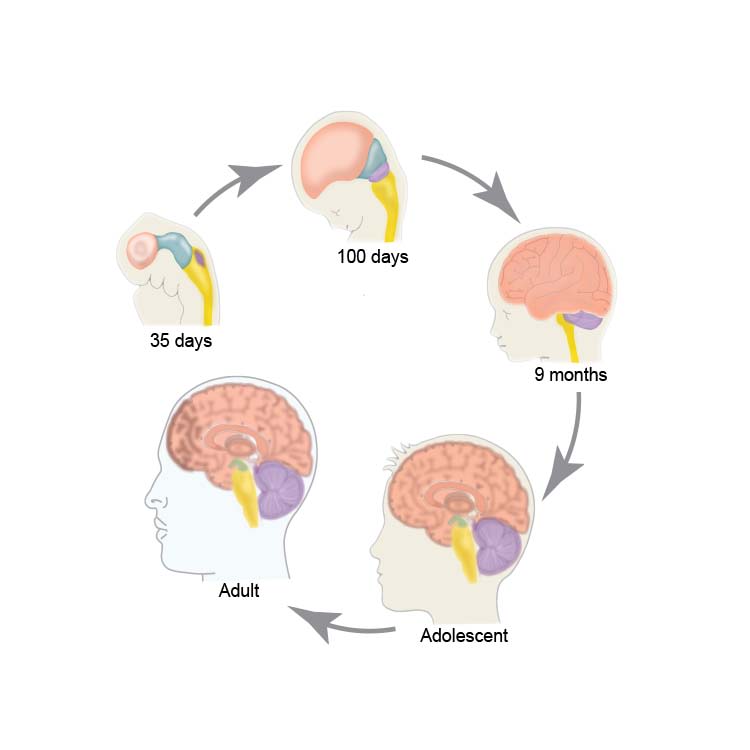
The five phases of brain development lay the foundation for understanding cognitive growth throughout our lives. These phases span from childhood through late aging, with each phase reflecting significant changes in brain structure and function. Childhood, the initial stage, involves rapid expansion in brain size and a rich formation of synapses that gradually gets refined as the brain matures. By examining these early years, we can gain insights into the critical period when essential neural pathways are established, paving the way for cognitive and emotional development.
As we transition into adolescence, marked by crucial changes around the age of nine, our brains undergo remarkable transformations. This stage highlights a shift towards more efficient neural connectivity, a process that not only enhances cognitive abilities but also increases vulnerability to mental health disorders. By understanding these phases of brain development, we can better appreciate how early experiences shape our mental health trajectories, setting the stage for lifelong cognitive patterns.
The Impact of Age on Mental Health Risks
Mental health risks can vary significantly across different brain phases in life, making age an important factor in psychological well-being. Research has indicated that the adolescent phase, especially during the late teenage years to early thirties, represents a peak period for the emergence of various mental health disorders. This notion is critical, as addressing mental health during these formative years can lead to more effective intervention strategies, ultimately fostering better long-term outcomes.
In adulthood, although we experience a decline in certain cognitive functions, many individuals notice a plateau in their intelligence and personality traits. However, early aging, beginning at 66, presents new challenges as shifts in neural connections may correlate with increasing mental health risks, such as dementia. Awareness of these evolving risks emphasizes the need for targeted preventive measures as we navigate the cognitive changes associated with aging.
Understanding the implications of brain phases in life, and how they relate to mental health risks, encourages a proactive approach to mental wellness across all ages. It highlights the importance of ongoing research in neuroscience and aging to uncover how these developmental stages can inform effective strategies for maintaining mental health throughout life.
Cognitive Development Phases and Lifelong Learning
Cognitive development phases are crucial for understanding how lifelong learning occurs. From childhood, where foundational skills are built, to adolescence, where the brain begins to reorganize for enhanced efficiency, each phase plays a vital role. During these early years, learning is often characterized by rapid changes that set the groundwork for future educational experiences. This highlights the necessity of fostering supportive environments that stimulate cognitive growth during these key development stages.
As individuals enter adulthood, the incremental changes in brain efficiency may encourage different learning approaches. While the speed of cognitive processing may slow down, the breadth of knowledge and life experiences continues to grow. Embracing lifelong learning becomes essential in adulthood to sustain mental agility. Engaging in new activities can also help preserve cognitive function as one transitions into early and late aging, reinforcing the idea that learning should remain a permanent part of life.
Neuroscience and Aging: What the Research Reveals
Neuroscience has provided us with crucial insights into how aging affects the brain, revealing the intricate changes that occur throughout our lifetime. The latest research indicates that while the brain begins to show signs of aging at 66, it often does not decline rapidly, leading to misconceptions about cognitive abilities in later years. Instead, aging is characterized by shifts in connectivity patterns within the brain, emphasizing the need to rethink our assumptions about cognitive decline and potential.
This research sheds light on the brain’s ability to adapt and rewire itself, even in the face of aging. Understanding these changes can lead to better strategies for enhancing cognitive health, as well as tools for mitigating mental health risks associated with aging. As we age, maintaining an active mind through continued learning and social engagement may play a pivotal role in preserving brain health and counteracting the effects of neural disconnection.
The Role of Environment in Brain Development Stages
The environment profoundly influences the stages of brain development, particularly during childhood and adolescence. Early exposure to enriching experiences can enhance neural connectivity, ultimately fostering better cognitive and emotional outcomes. Factors such as parental involvement, educational opportunities, and socio-economic status can either reinforce or hinder brain development during these formative years, highlighting the need for supportive environments that encourage healthy brain growth.
As children transition into their adolescent years, the role of their social environment becomes equally crucial. Peer relationships, community engagement, and supportive adult mentorship can significantly impact the trajectory of cognitive development. Understanding how these environmental factors intersect with the different brain phases enables us to devise effective strategies for nurturing mental health and cognitive potential throughout life.
Connecting Brain Phases to Lifespan Outcomes
The various brain phases we experience throughout life connect deeply to our overall lifespan outcomes. By identifying these stages, researchers can better understand the relationship between brain development and components like social functioning, mental resilience, and cognitive agility. Each phase not only marks a significant turning point but also sets the stage for how individuals navigate life’s challenges, including educational success and mental health.
Moreover, the transitions between each phase underscore how early experiences can influence later-life outcomes. Recognition of significant ages within the brain phases—such as nine, 32, 66, and 83—provides a framework for understanding crucial milestones. These insights reinforce the importance of tailoring interventions and support systems across different ages to enhance both cognitive health and quality of life as individuals progress through the phases of brain development.
The Importance of Neuroplasticity Throughout Life
Neuroplasticity—the brain’s ability to reorganize itself by forming new neural connections—plays a vital role throughout the phases of brain development. This remarkable adaptability allows individuals to learn from new experiences, recover from injuries, and adjust to changes within their environment. From childhood to late aging, embracing neuroplasticity can foster cognitive resilience and promote mental well-being.
Encouraging activities that stimulate neuroplasticity, such as learning new skills, engaging in physical exercise, and practicing mindfulness, can significantly enhance brain health at any age. By understanding the principles of neuroplasticity, we can develop strategies that optimize cognitive function across all stages of life, ensuring that individuals can maintain mental agility and emotional stability as they progress through the phases of brain development.
Exploring the Future of Brain Research and Development
The future of brain research holds great promise as scientists continue to delve deeper into understanding the intricate dynamics of brain development and aging. As more advanced imaging technologies become available, researchers will have the opportunity to explore brain behaviors and developmental stages with greater precision. This will facilitate a clearer understanding of how various factors, including genetics and environment, impact brain health throughout life.
Additionally, as our understanding of the brain unfolds, we may see the emergence of tailored interventions aimed at promoting cognitive health and reducing mental health risks associated with aging. This could include personalized therapies, educational programs, and lifestyle modifications that align with an individual’s specific brain development phase. Ultimately, as neuroscience advances, it offers hope for improving mental health outcomes across all ages, further bridging the gap between brain development stages and lifelong cognitive health.
Frequently Asked Questions
What are the key phases of brain development throughout life?
The key phases of brain development include five distinct stages: Childhood (from birth to age 9), Adolescence (age 9 to 32), Adulthood (32 to 66), Early Aging (66 to 83), and Late Aging (83 onwards). These phases reflect significant changes in brain structure and function, impacting cognition and behavior throughout life.
How does adolescence impact brain development and mental health risks?
Adolescence, spanning from age 9 to 32, is a critical phase of brain development where connections in the brain become more efficient. This period also correlates with the highest risk of mental health disorders, as the brain undergoes significant restructuring during this time.
What happens to the brain during the adulthood phase of development?
The adulthood phase, which lasts from ages 32 to 66, is characterized by slower changes in brain function and a plateau in cognitive abilities and personality traits. During this long phase, the efficiency of brain connections begins to decline, marking a shift from the rapid developments seen in earlier phases.
What changes occur in the brain from ages 66 to 83 in the early aging phase?
In the early aging phase, from 66 to 83, the brain doesn’t decline rapidly; instead, it experiences shifts in connection patterns, becoming more regionally divided. This phase can coincide with health issues like dementia and high blood pressure, which can affect cognitive health.
What distinguishes late aging in the brain development stages?
Late aging begins at age 83 and represents the final stage of brain development. Changes during this phase are more pronounced than in early aging, leading to further cognitive decline. This stage faces challenges in studying healthy brain samples, making it less understood compared to earlier phases.
How do brain phases relate to the risk of dementia and other health issues?
The phases of brain development are closely tied to the risk of various health issues, including dementia. Notably, the transitions into early and late aging phases coincide with increased health vulnerabilities, illustrating the connection between brain structure changes and cognitive health across different life stages.
Why is understanding brain development phases important for mental health?
Understanding the phases of brain development helps identify when individuals are most susceptible to mental health disorders and cognitive decline. Insights gained from these developmental stages enable targeted interventions and support strategies for maintaining cognitive health through the lifespan.
How can the findings on brain development phases inform future research in neuroscience?
The findings about brain development phases provide a framework for future neuroscience research, particularly in understanding neurodevelopmental and neurological conditions. The identified age-related milestones may guide researchers in studying the impact of aging on brain health and mental well-being.
| Phase | Age Range | Characteristics |
|---|---|---|
| Childhood | Birth to 9 years | Rapid brain growth and reduction of synapses; brain functions inefficiently. |
| Adolescence | 9 to 32 years | Major transformation in brain connections; highest risk for mental health disorders. |
| Adulthood | 32 to 66 years | Slow changes; plateau in intelligence and personality. |
| Early Aging | 66 to 83 years | Patterns of connection shifts; onset of dementia and health issues. |
| Late Aging | 83 years and onward | More pronounced changes similar to early aging; limited data availability. |
Summary
The phases of brain development reveal crucial insights into how our cognitive functions evolve throughout life. From childhood’s rapid growth to the complex rewiring of adolescence and into the slower changes of adulthood and aging, these phases illustrate that brain development is not linear. As seen, significant transitions occur at distinct age milestones, each influencing mental health and general cognitive capabilities over time.