Listen to this article
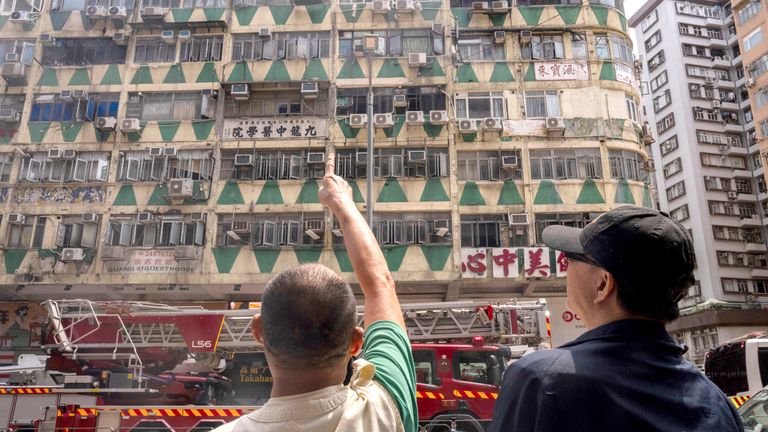
Hong Kong apartment fires have recently captured headlines following a devastating blaze that engulfed the Wang Fuk Court housing complex, claiming at least 44 lives and leaving hundreds missing. The Tai Po district incident, which is central to ongoing Hong Kong fire news, has sparked urgent fire safety concerns amid reports of rapid fire spread facilitated by flammable materials and bamboo scaffolding risks. Onlookers and survivors reported that fire alarms failed to warn residents, highlighting issues in apartment fire investigation protocols. The once-thriving community now finds itself in evacuation shelters, seeking comfort as authorities piece together the events surrounding this tragic incident. As the investigation unfolds, the implications for building safety regulations in Hong Kong are likely to be scrutinized, making this a pivotal moment for fire safety reforms in urban living environments.
Recent incidents of apartment blazes in Hong Kong have raised significant alarm among residents and authorities alike. These fires, particularly spotlighted by the harrowing events in the Tai Po district, highlight urgent concerns about residential safety standards in high-rise living. With ongoing investigations into the origins and rapid spread of such blazes, especially those linked to combustible materials and the use of bamboo scaffolding, a comprehensive review of fire safety protocols seems imminent. The tragic unfolding of events has left a profound mark on the community, igniting discussions about the necessary measures to prevent future disasters. Understanding the broader implications of such fires on urban safety policies is crucial as Hong Kong navigates this critical safety juncture.
The Impact of Hong Kong Apartment Fires on Local Communities
The recent fires in Hong Kong, particularly the apartment fires at Wang Fuk Court in the Tai Po district, have significantly affected local communities. With nearly 44 confirmed deaths and hundreds missing, the emotional toll on families is immense. Residents who survived the blaze are now seeking refuge in emergency shelters, underlining the urgent need for effective disaster response strategies in urban areas. The sheer number of fatalities has prompted local authorities to reassess their preparedness measures and fire safety protocols, aiming to develop a stronger community resilience in the face of such disasters.
In the wake of this tragedy, the impact on the psychological well-being of survivors cannot be overlooked. Loss of loved ones, homes, and community spaces creates a profound sense of instability and fear. Local services have mobilized to provide mental health support and resources to aid in recovery, emphasizing the need for a holistic approach to community well-being that extends beyond immediate physical safety measures. This disaster has ignited a conversation around the importance of implementing stricter fire safety regulations and enhancing community awareness regarding fire hazards.
Fire Safety Concerns in Urban Hong Kong
The catastrophic incident at Wang Fuk Court has sparked renewed fire safety concerns across Hong Kong. Local residents have expressed fear regarding existing building regulations, particularly in high-density apartments prone to rapid fire spread. The use of flammable materials, such as polystyrene around windows, coupled with the hazards of bamboo scaffolding, has highlighted vulnerabilities in fire safety measures. Investigations are ongoing to determine the causes of the fire, focusing on how building fire codes have been enforced in such high-risk environments.
Moreover, the government’s response to these safety concerns will play a critical role in preventing future disasters. The public’s awareness of fire safety risks, including the dangers of bamboo scaffolding and inadequate emergency responses, needs to be addressed. A comprehensive inquiry into the incident could lead to stricter enforcement of building codes and the implementation of more rigorous fire safety training for residents. By taking these actions, Hong Kong can work toward safeguarding its population against similar tragedies in the future.
Investigation into the Causes of the Tai Po District Fire
Following the devastating apartment fires in the Tai Po district, an intensive investigation has been launched to uncover the causes and contributing factors. Initial reports suggest that rapidly spreading flames were exacerbated by the construction materials used in the ongoing renovations, raising questions about compliance with fire safety standards. Several individuals have been arrested in connection with the blaze, reflecting the serious nature of the inquiry. The findings from this investigation will be crucial in determining accountability and guiding future policies.
Crucially, the inquiry will also delve into the effectiveness of fire alarms in the Wang Fuk Court complex, as residents reported that these alarms did not sound when the fire broke out. This oversight raises alarming questions about the existing safety measures in place within high-rise buildings in Hong Kong. Investigators will need to consider whether inadequacies in emergency preparedness contributed to the tragedy, and if so, what systematic changes are necessary to protect residents from future apartment fires.
Bamboo Scaffolding Risks in Modern Construction
Bamboo scaffolding, while historically an integral part of Hong Kong’s construction industry, has come under scrutiny following the recent apartment fires. Though it is celebrated for its lightweight and cost-effective properties, the scaffolding has inherent risks, especially in the event of a fire. The flames spread rapidly through the bamboo, causing widespread devastation not only to affected buildings but also endangering firefighters and residents nearby. As the investigation into the Tai Po district fire unfolds, it is imperative to reassess the safety protocols governing the use of bamboo scaffolding in residential areas.
Additionally, the push for transitioning away from bamboo toward metal scaffolding reflects growing safety concerns in construction practices. While bamboo has its cultural significance, the risks associated with its combustibility cannot be ignored. As the local government evaluates the safety measures within the construction industry, including building materials and practices, it must also engage the community in discussions on fire safety. Balancing tradition with modern safety standards will be key in preventing further tragedies in Hong Kong.
Updates on Casualties and Survivors from Hong Kong Fires
As the situation develops, the heartbreaking updates on casualties from the Hong Kong apartment fires have continued to emerge. The death toll has regrettably risen, with authorities now reporting 44 fatalities and counting. The psychological and emotional burden facing the families of the victims is immense, igniting calls for urgent support services. Local authorities and agencies have been working tirelessly to locate the hundreds still reported missing, providing assistance to those affected while also organizing emergency shelters across the city.
Survivors of the blaze face the daunting task of rebuilding their lives amidst the aftermath of the tragedy. Many are being housed in temporary shelters, where the government has mobilized resources to ensure their basic needs are met. However, as the fire department and construction agencies address immediate safety concerns, the long-term needs of mental health support and community rebuilding must also be prioritized. The incident has revealed a stark need for comprehensive emergency preparedness that not only protects physical assets but nurtures human resilience in the face of adversity.
Emergency Response Strategies Following the Fire
The emergency response to the Hong Kong apartment fires has been swift, as authorities scrambled to combat the blaze and evacuate affected residents. Over 760 firefighters and numerous ambulances were deployed to the scene, highlighting the scale of the disaster response. Local emergency services demonstrated remarkable coordination as they worked to ensure the safety of residents while battling the escalating flames, indicating the importance of a well-structured disaster response plan in densely populated areas.
However, lessons learned from this incident underline the critical need for further improvements in emergency response strategies. Challenges faced by responders, including obstructed access to higher floors due to debris and collapsible scaffolding, reveal gaps in the infrastructure designed to protect citizens in dire situations. Gaining insights from this tragedy will be paramount in developing effective protocols for future emergencies, ensuring that first responders have the tools and access necessary to save lives and protect property.
Lessons Learned from Recent Fires in Hong Kong
The devastating fires in Hong Kong have ignited discussions surrounding critical lessons learned in fire safety, urban planning, and community engagement. As the investigation continues, key themes are emerging, including the need for stricter regulation of building materials and the enhancement of fire safety protocols in residential areas. Public awareness campaigns are also likely to follow, aimed at educating residents on fire risks and emergency preparedness, ensuring that similar tragedies do not recur in the future.
Moreover, the human stories behind this disaster shed light on the importance of community solidarity in times of crisis. Residents have rallied to assist each other, mobilizing support for those left homeless or bereaved by the fires. Such solidarity outlines the inherent strength within communities when faced with adversity. Moving forward, it will be essential to harness this spirit of collaboration, utilizing it to foster resilience, improve safety measures, and ultimately create a safer living environment for all Hong Kong residents.
The Role of Government in Fire Safety Regulations
In light of the apartment fires that devastated the Tai Po district, the role of government in enforcing fire safety regulations has come under scrutiny. Authorities are expected to evaluate and potentially overhaul existing building codes to address the shortcomings that contributed to this tragedy. With substantial public interest and concern, there is a pressing need for transparency in how such regulations are managed and enforced, fostering a communal trust that safety is prioritized.
Additionally, strengthening partnerships between government bodies, construction firms, and community organizations will be vital in creating a comprehensive framework for future fire safety. Stakeholders must engage in multifaceted dialogues, ensuring that all parties are held accountable and informed on necessary standards. There will likely be a push for more resources allocated towards fire prevention technology and training for both residents and professionals alike, as Hong Kong takes steps towards enhancing its fire safety infrastructure.
Community Support Initiatives Post-Fire
In the wake of the devastating apartment fires, community support initiatives have emerged to assist affected residents. Local organizations and government agencies have mobilized to provide shelters, food, and mental health resources for those displaced by the disaster. Recognizing the emotional toll, these initiatives aim to foster a sense of community and solidarity among residents, ensuring that no one faces the aftermath of the tragedy alone.
Moreover, fundraising efforts are underway to support the families who lost their loved ones and homes in the blaze. Community members are coming together to raise awareness, share resources, and promote resilience in the face of adversity. These efforts not only highlight the strength of Hong Kong communities but also reinforce the importance of preparedness and solidarity, showcasing how collective action can make a significant difference during times of crisis.
Frequently Asked Questions
What are the fire safety concerns related to the Hong Kong apartment fires?
The recent Hong Kong apartment fires have raised significant fire safety concerns, particularly regarding the use of flammable materials like polystyrene around windows and the rapid spread of flames through bamboo scaffolding. Experts highlight the need for updating safety regulations and improving building materials to mitigate such risks.
How did the Tai Po district fire in Hong Kong start?
The Tai Po district fire in Hong Kong broke out at Wang Fuk Court, a housing complex under renovation, raising questions about fire safety protocols during construction. Investigators are examining factors like the rapid fire spread through bamboo scaffolding.
What is the current status of the apartment fire investigation in Hong Kong?
As of now, an investigation into the Hong Kong apartment fires is ongoing, with three individuals arrested on suspicion of manslaughter. Authorities are focusing on the cause of the blaze, particularly the materials used in the renovation that may have contributed to the fire’s rapid spread.
Where can I find the latest Hong Kong fire news?
For the latest Hong Kong fire news, including updates on the apartment fires, you can check reputable news sources, government announcements, and social media updates from local authorities, ensuring you stay informed about safety measures and ongoing investigations.
What risks are associated with bamboo scaffolding in Hong Kong apartment fires?
Bamboo scaffolding, while traditional and cost-effective, poses risks during Hong Kong apartment fires due to its high combustibility and structural weaknesses. This has prompted the government to consider phasing out its use in favor of safer alternatives.
How many people were affected by the Hong Kong apartment fires?
The recent Hong Kong apartment fires have had a devastating impact, with at least 44 reported dead and over 270 missing. Thousands of residents have been displaced and are currently residing in evacuation shelters throughout the city.
What steps are being taken to improve fire safety in Hong Kong after the apartment fires?
In response to the recent apartment fires, Hong Kong authorities are reviewing existing fire safety regulations, particularly concerning the materials used in construction and renovation. Increased inspections and potential legislative changes may follow to prevent future tragedies.
How can residents prepare for apartment fires in Hong Kong?
Residents can enhance their fire safety by ensuring smoke alarms are functional, familiarizing themselves with emergency exits, and participating in fire drills organized by building management. Being aware of local fire safety regulations and reporting hazards is also crucial.
What resources are available for victims of the Hong Kong apartment fires?
Victims of the Hong Kong apartment fires can access emergency shelters provided by the government, as well as psychological support and counseling services. The Hong Kong police have set up hotlines to assist residents in locating missing persons and accessing aid.
What has been the response from the government regarding fire safety after the Hong Kong apartment fires?
The government has expressed its condolences and emphasized the importance of reviewing fire safety measures, including the materials used in renovations and the effectiveness of current fire alarms. A thorough investigation into the causes will likely lead to policy changes.
| Key Point | Details |
|---|---|
| Incident Overview | A fire broke out at Wang Fuk Court in Tai Po district, resulting in at least 44 fatalities and over 270 missing. |
| Fire Severity | The blaze was classified as a level five alarm, the highest level, with over 760 firefighters responding. |
| Investigation | Three men are under arrest for manslaughter; the cause of the fire is still under investigation. |
| Building Details | Wang Fuk Court has 8 tower blocks, 7 affected by the fire; was undergoing renovations with bamboo scaffolding. |
| Victims | 279 individuals reported missing; 45 in critical condition; amongst the deceased is a firefighter. |
| Shelters Established | Emergency shelters set up for displaced residents; some locations are at full capacity. |
| Bamboo Scaffolding Risks | Bamboo scaffolding, a traditional material, poses safety concerns due to high combustibility. |
Summary
Hong Kong apartment fires have brought tragedy and urgency to light, with devastating consequences as multiple high-rise buildings in Tai Po district caught ablaze, resulting in a significant death toll and many missing persons. This incident underscores the need for rigorous safety standards in residential buildings, especially those undergoing renovations with traditional materials like bamboo scaffolding which can exacerbate fire spread. Continuous investigations will seek to uncover the cause of this calamity while the community rallies to support the affected residents.