
Listen to this article
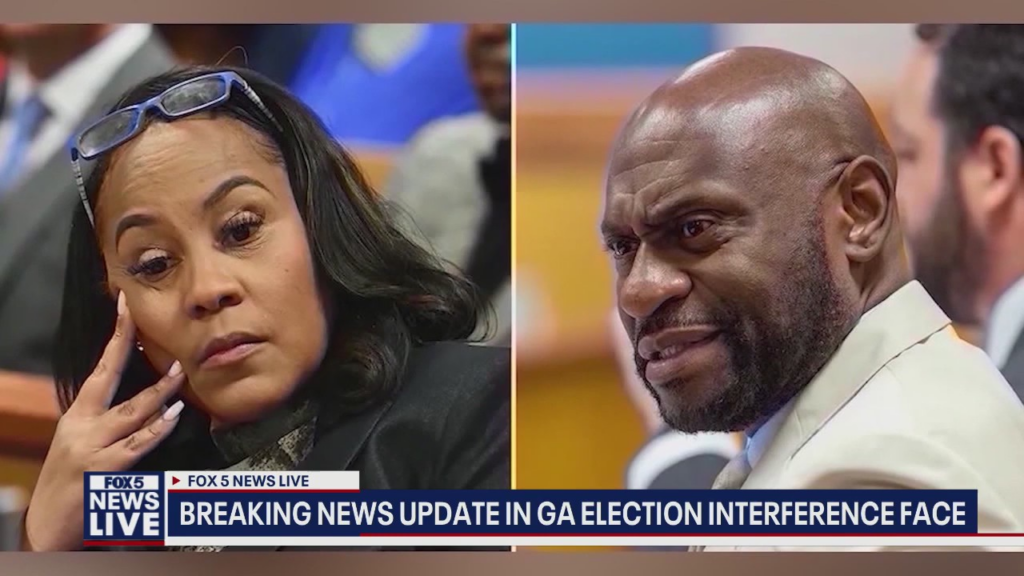
The Georgia election interference case has recently garnered significant attention following a judge’s dismissal of charges against Donald Trump, marking a crucial moment in efforts to hold the former president accountable for purported attempts to reverse the 2020 election results. This case, once considered the most serious among Trump’s four criminal indictments, ended after the Fulton County District Attorney, Fani Willis, was taken off the case due to a conflict of interest involving a romantic relationship with a special prosecutor. Trump’s attorney, Steve Sadow, hailed the dismissal as a victory against what he termed “political persecution.” With Trump’s ongoing legal challenges, including other notable cases and a pending appeal in the New York hush-money matter, the conclusion of this election interference case has raised questions about the limits of accountability for political figures. As the implications of the ruling unfold, it remains a pivotal moment in the narrative surrounding Trump’s 2020 election overturn efforts, highlighting the intersection of law and politics in America.
The ongoing saga surrounding Trump’s involvement in the 2020 electoral process continues to unfold with the recent resolution of the Georgia election interference case. Often referred to as a test of the legal boundaries in political conduct, this matter has seen Donald Trump face various allegations related to undermining electoral integrity. Following a turbulent series of events, including challenges from prosecutors and the disqualification of key officials, the conclusion of this case speaks volumes about the broader implications of judicial intervention in political disputes. As legal experts assess the ramifications, attention turns to how this dismissal will influence Trump’s future campaigns and the precedent it sets for accountability in electoral roles. Furthermore, the case’s trajectory raises critical questions regarding the role of state leadership in overseeing election integrity and the potential for partisan conflicts in legal proceedings.
The End of the Georgia Election Interference Case
The recent dismissal of the Georgia election interference case against Donald Trump marks a significant moment in the ongoing saga surrounding the 2020 presidential election. This decision, facilitated by Judge Scott McAfee, has been applauded by Trump’s legal team as a triumph over what they termed ‘political persecution.’ As the final chapter of this legal battle closes, it reflects the broader controversies surrounding election integrity and the ramifications of efforts to overturn election results. Trump’s attorney, Steve Sadow, expressed that this development reinforces the principle that justice should prevail in politically charged cases.
With the Georgia judge’s ruling, Trump’s legal troubles appear to be waning, at least in terms of the state’s charges. This case represented a potential turning point in the president’s legal standing, especially as it was one of four significant criminal indictments he faced. The closure of the Georgia case underlines the complexities of legal processes during politically charged atmospheres, evidenced by how the judicial landscape can shift due to a judge’s interpretation of improper conduct by prosecutors. As observers reflect on this decision, it remains clear that the impacts will resonate into the 2024 election cycle.
Impact on Trump’s Legal Battles
The dismissal of the Georgia election interference case not only concludes one aspect of Trump’s legal challenges but also casts a shadow on his other ongoing cases. While this ruling adds a layer of complexity to Trump’s legal strategies moving forward, it also raises questions about the prosecutorial approaches taken in politically sensitive cases. The once potential negligence from Fulton County District Attorney Fani Willis—who was later disqualified—highlighted the vulnerabilities present in high-profile prosecutions. Legal experts emphasize that while this case has wrapped up, Trump’s various legal entanglements continue to unfold.
Moreover, the ongoing discourse around Trump’s conduct and the broader implications of his actions during the election has spurred a flurry of opinions in legal circles. As Trump navigates challenges, including a criminal case in New York and allegations from federal prosecutors regarding the 2020 election, the relevance of the just-dismissed Georgia case remains paramount. The intricacies of legal accountability in Georgia versus upcoming trials are constantly scrutinized, raising concerns about consistency and fairness across the board. Trump’s legal battles are far from over, and this dismissal may serve as both a setback and a strategic advantage as he vies for the presidency once again.
The Role of Fani Willis in Georgia’s Legal Landscape and Its Aftermath
The removal of DA Fani Willis from the Georgia election interference case serves as a key turning point, with significant implications for the prosecution’s credibility moving forward. Willis’ controversial disqualification stemmed from her relationship with a special prosecutor, creating an appearance of impropriety that called her judgment into question. Critics of Willis contend that such personal connections should never enter the realm of prosecutorial decisions, especially in cases involving high-stakes political fallout. The perception of fairness in legal proceedings has taken a hit, spurring discussions about the importance of impartiality and the potential ramifications of politically motivated legal actions.
In light of her removal, observers are questioning the future of significant legal proceedings moving through Georgia. The repercussions of Willis’ leadership during the investigation could affect the state’s prosecutorial integrity, leading to concerns about thoroughness and justice in future cases about election irregularities. This pattern raises awareness around the ongoing discourse of election laws in the state and the challenges faced by elected officials when navigating contentious political environments. Thus, the legacy of the Georgia election interference case, combined with the fallout from Willis’ exit, could have reaching ramifications for future legal interpretations and the public’s trust in the electoral process.
Donald Trump’s Political Future After the Georgia Case Dismissal
With the recent dismissal of the Georgia election interference case, many are contemplating what this means for Donald Trump’s political future. As the judicial landscape surrounding him shifts, this outcome could bolster his campaign efforts in the upcoming 2024 election. The perception of innocence forged through legal victories can significantly enhance Trump’s standing among supporters, potentially allowing him to present his legal challenges as politically orchestrated attacks. This narrative could solidify his base, energize his campaign, and provide an edge against his rivals.
However, the fallout from multiple indictments, including the already dismissed charges in Georgia, suggests a complex interplay between legal setbacks and political advantage. While the closure of this case may provide temporary relief, Trump’s other ongoing legal battles and lingering controversies ensure that challenges will persist. As the former president rallies his supporters and targets a return to power, the backdrop of his legal history may serve both as a cautionary tale and a rallying cry—a duality that keeps his narrative alive in the political discourse.
Georgian Legal System’s Examination of Political Cases
The Georgia legal system has undergone rigorous scrutiny, particularly regarding its handling of politically charged cases like Trump’s. The dismissal of the election interference case not only questions the judicial integrity of current and past actors but also highlights the challenges in prosecuting figures of immense political capital. As we examine system-wide implications of this case, it raises essential queries regarding the balance of justice against political realities—a conundrum many jurisdictions grapple with. Legal experts suggest that such politically sensitive prosecutions require not only sound legal reasoning but also inherent public trust in the judiciary, both of which may be compromised in politically contentious cases.
The political implications of a judicial system under the spotlight can guide future legal proceedings in Georgia. With the spotlight glaring on the decision-making processes that led to the dismissal, there is an urgent need for transparency and consistency in prosecutorial conduct. Moreover, it is crucial for the Georgia legal landscape to engage in discussions about potential reforms that ensure the rule of law prevails in political contexts. As the justice system faces this unprecedented challenge, the outcomes of the Georgia election case and its dismissal stand as a pivotal moment in shaping the future of political accountability.
The Role of Public Perception in Legal Outcomes
Public perception plays a critical role in the proceedings surrounding high-profile legal cases such as Trump’s. The Georgia election interference case was charged with public emotion and political sentiment, making it a lightning rod for national discussions about electoral integrity, justice, and accountability. The dismissal not only affects the legal landscape but also reverberates through media narratives, shaping how different demographics engage with the political climate. As Trump’s legal ramifications unfold, the collective sentiment toward the case has the potential to polarize public opinion further, influencing voter behavior and preferences.
Furthermore, the challenge lies in reconciling public opinion with judicial independence. Legal experts stress the importance of allowing legal processes to function without external pressures from political partisanship. The pervasive nature of rumor and speculation not only overshadows facts but can also inconvenience the pursuit of justice. The interplay between case rulings and the public’s response signals a propensity for ongoing scrutiny, inviting future challenges that may arise due to backlash against perceived judicial biases. As the Georgia case has illustrated, public perception and judicial action are inextricably linked, underscoring the complexity of how legal decisions impact not just defendants but the fabric of democracy itself.
Other Criminal Cases on Trump’s Horizon
Even with the dismissal of the Georgia election interference case, Donald Trump faces multiple other criminal allegations that could significantly impact his political strategies. With legal challenges in New York due to the hush money allegations and two ongoing federal cases, Trump’s legal predicaments are far from resolved. An ongoing plea deal in New York has the potential to shift public perception, which reflects the intersection of his legal strategies and political aspirations. As these cases make their way through the courts, the outcomes may form a backdrop for Trump’s 2024 campaign strategy.
Moreover, the fallout from these criminal cases, including the continued discussions around the events surrounding the 2020 elections, may heavily influence Trump’s narrative as campaigning for re-election intensifies. The ongoing trials serve not only as potential legal hurdles but also as opportunities for Trump to rally his supporters around the perceived injustices they feel he faces. It is within these complexities that Trump’s responses to his ongoing legal battles may shape both public trust and skepticism, further embedding his narrative of political victimhood deeply into the campaign discourse.
Legal Experts Weigh on the Dismissal’s Implications
The dismissal of the Georgia case has spurred a range of reactions from legal experts monitoring Trump’s myriad legal setbacks. Many experts remain skeptical about how the dynamics of this case could affect perceptions of fairness and accountability within Georgia’s justice system. With the dismissal being framed within the context of political motivations, some legal analysts argue that it raises pertinent questions about how effectively political figures can be prosecuted without the appearance of bias. This skepticism further complicates the existing dialogue surrounding both Trump’s indictment and the implications for future political trials.
The collective consensus among legal analysts is that while the dismissal may appear beneficial for Trump now, it has broader implications for the legal processes employed in cases involving public figures. Experts emphasize the need for systemic reforms that ensure equity and impartiality, particularly in politically charged circumstances. The dismissal of the Georgia election interference case serves as a crucial reference point for legal scholars and practitioners, as they navigate the evolving relationship between law and politics in high-profile cases.
Ongoing Political Polarization Amidst Legal Challenges
The political climate surrounding Donald Trump’s ongoing legal challenges is heavily influenced by the polarization present within American society. The Georgia election interference case’s dismissal feeds into a broader narrative of mistrust in the judicial process, with constituents divided on the implications for Trump and future political accountability. Such polarization not only magnifies the stakes of each individual legal case but also highlights the fissures in public response to law enforcement actions. This creates an environment where legal decisions take on significant political weight, shaping the discourse leading up to the 2024 elections.
As the overarching themes of loyalty and betrayal play out in the public sphere, Trump’s legal battles become emblematic of the deeply entrenched divisions within the American electorate. Each case serves not only as a legal challenge but a strategic point of leverage for the concept of victimhood among Trump supporters. Therefore, the future trajectory of his legal challenges will inevitably intertwine with the political landscape, influencing how each legal outcome may be interpreted by polarized factions across the country.
Frequently Asked Questions
What happened in the Georgia election interference case against Donald Trump?
The Georgia election interference case against Donald Trump was dismissed by a judge, marking the end of legal actions aimed at prosecuting him for alleged attempts to overturn the 2020 election results. This dismissal was initiated by Peter Skandalakis, who took over after DA Fani Willis was removed due to an ‘appearance of impropriety’. Trump’s legal team has celebrated this outcome, terming it the conclusion of ‘political persecution’.
How does the dismissal of the Georgia election interference case impact Trump’s legal status?
The dismissal of the Georgia election interference case is significant as it concludes one of Trump’s four criminal cases. It allows him to focus on his 2024 campaign without the burden of this case, especially after previous charges had already been dropped. This outcome emphasizes the challenges of pursuing such cases, particularly after DA Fani Willis’ disqualification and the complexities involved.
What reasons were given for the dismissal of the Georgia election interference case?
Peter Skandalakis cited ‘the interests of justice and judicial finality’ as the reasons for dismissing the Georgia election interference case. He clarified that the decision was based on legal beliefs rather than any political motivations. This follows the removal of Fani Willis from the case due to concerns over her professional conduct.
What were the main allegations in the Georgia election interference case against Trump?
The Georgia election interference case alleged that Donald Trump conspired with 18 other defendants to unlawfully modify the 2020 election results, calling into question the integrity of the electoral process in Georgia. Charges included racketeering, based on efforts to overturn Biden’s narrow victory, which Trump publicly contested.
What evidence was used in the Georgia election interference case, and what was the reaction to it?
Key evidence in the Georgia election interference case included Trump’s recorded conversation with Secretary of State Brad Raffensperger, where he requested to ‘find’ votes to overturn the election. Legal experts expressed surprise at the dismissal, particularly regarding how much benefit the arguments for Trump were afforded, despite the available evidence.
What is the potential significance of the Georgia election interference case dismissal for future elections?
The dismissal of the Georgia election interference case may set a precedent regarding prosecuting political figures over election-related actions, particularly at the state level. It highlights the complexities and potential barriers in holding such high-profile individuals accountable, especially as Trump’s legal troubles continue amidst his reelection campaign.
What is the role of Fani Willis in the Georgia election interference case?
Fani Willis served as the Fulton County District Attorney before being removed from the Georgia election interference case due to concerns about a possible conflict of interest involving a romantic relationship with a special prosecutor. Her removal raised questions about the future of the case and the potential for a successor to continue prosecution.
How did the dismissal affect the co-defendants in the Georgia election interference case?
The dismissal of the Georgia election interference case extended to all co-defendants, including notable figures like Rudy Giuliani and Mark Meadows, effectively nullifying any pending charges against them as well. This outcome muddies the waters of accountability for actions taken in the attempt to overturn the 2020 election results.
| Aspect | Details |
|---|---|
| Case Overview | The Georgia election interference case against Donald Trump has been dismissed by a judge, marking the end of attempts to prosecute him for allegedly trying to overturn the 2020 election results. |
| Judge Involvement | Judge Scott McAfee dismissed the charges at the request of new prosecutor Peter Skandalakis, who took over after original prosecutor Fani Willis was removed. |
| Prosecutor’s Statement | Skandalakis stated that the case was being dropped to serve justice and maintain judicial finality. |
| Background | Trump’s refusal to accept his election loss in Georgia led to significant scrutiny, including a recorded call asking Georgia officials to ‘find’ votes. |
| Previous Legal Actions | The case had seen multiple indictments and charges, including racketeering and conspiracy involving other defendants. |
| Co-defendants | Several co-defendants, including Giuliani and Meadows, were also included in the case, but charges were also dismissed for them following the main case dismissal. |
| Political Context | The case was influenced by political factors, including prosecutor disqualification due to a romantic relationship, leading to skepticism about the prosecution’s validity. |
| Legal Experts’ Views | Experts were not surprised by the dismissal but noted Skandalakis’ approach afforded Trump significant leeway. |
Summary
The Georgia election interference case has concluded with the dismissal of all charges against former President Donald Trump. This case, which aimed to prosecute Trump over alleged attempts to overturn the results of the 2020 election, was deemed by a judge to lack sufficient basis after the replacement prosecutor requested the charges be dropped. Legal experts viewed the dismissal as expected under the circumstances, particularly given the challenges faced by the prosecution amid changing personnel and political dynamics. As Trump moves forward, the dismissal of the Georgia election interference case clears one legal hurdle as he continues to face other challenges at both state and federal levels.

