Listen to this article
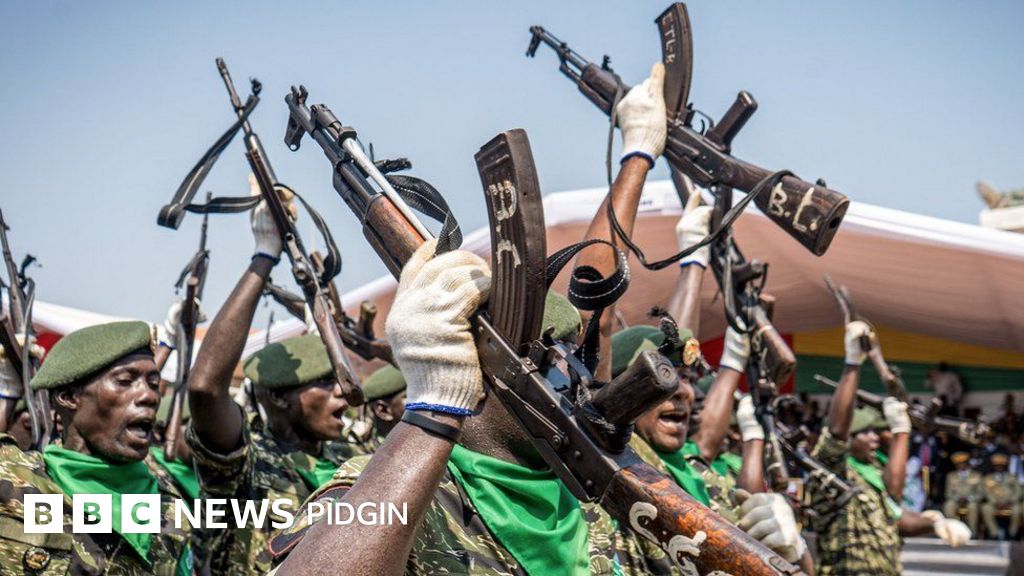
In a startling turn of events, the Guinea-Bissau coup has unfolded as military officers take control of the nation, reportedly detaining President Umaro Sissoco Embaló in the process. As gunfire echoed through the capital, Bissau, the military announced their intentions on state television, claiming a necessity to intervene due to threats posed by alleged conspirators backed by a prominent drug baron. This dramatic military takeover in Guinea-Bissau has raised alarm bells across West Africa, especially as news breaks regarding the arrest of key political figures alongside Embaló. The situation highlights the ongoing struggles within this small West African nation, often caught in the crossfire of political turmoil and drug trafficking. As the world watches the escalation of these events, the implications of this coup resonate deeply within the broader context of West Africa coup news.
The recent military intervention in Guinea-Bissau marks a significant moment in the nation’s tumultuous political landscape, known for its history of instability and coups. With the president being deposed and high-ranking officials detained, this incident reflects a recurring theme of military influence in governance. Guinea-Bissau has long grappled with challenges, including politically motivated violence and a tumultuous election process, often exacerbated by the region’s notorious drug trade. As the coup unfolds, surrounding nations and international observers remain vigilant, aware of the potential repercussions for local governance and security dynamics. Such developments not only affect the political fabric of Guinea-Bissau but also draw attention to the broader issues of corruption and criminal networks that have pervaded West Africa.
Military Control and the Arrest of President Umaro Sissoco Embaló
On [Date of Coup], a coup d’état unfolded in Guinea-Bissau as military officers seized power in a dramatic turn of events marked by the arrest of President Umaro Sissoco Embaló. Reports indicate that soldiers began firing their weapons in the streets, signaling the commencement of their takeover. State television soon broadcast an announcement from the coup leaders, declaring the suspension of all electoral processes expected to finalize key results from the recent presidential election. This incident marks another tumultuous chapter in Guinea-Bissau’s history, where military influence has frequently interrupted civil governance.
This power grab comes amidst rising tensions and allegations that a plot to destabilize the nation involved not only political figures but also ties to drug trafficking syndicates. Beyond their military prowess, the coup leaders cited the need to protect Guinea-Bissau from the alleged influence of a notorious drug baron who purportedly supported dissidents within the political landscape. With the country’s border now closed and a curfew enforced, the situation has grown increasingly volatile, prompting calls for stability and constitutional order.
The Drug Trafficking Crisis in Guinea-Bissau
Guinea-Bissau’s strategic location between Senegal and Guinea has transformed it into a notorious hub for drug trafficking, especially with the surge in cocaine transit from Latin America to Europe. The country’s political instability only exacerbates its reputation as a ‘narco-state’—a label that has been used by the United Nations in light of its ongoing struggles with governance and law enforcement. Shadowy networks operate freely, often intertwining with local political factions, which raises concerns about the involvement of officials in illicit activities.
The recent coup highlighting President Umaro Sissoco Embaló’s arrest suggests that drug trafficking still plays a critical role in shaping political dynamics in Guinea-Bissau. With a history marked by political instability and corruption, the fight against drug trafficking continues to be a monumental task for any government, highlighting the urgent need for international cooperation to establish lasting governance structures that can address crime rooted in the narcotics trade.
The Economic Impact of the Coup on Guinea-Bissau’s Development:
The current coup has far-reaching economic implications for Guinea-Bissau, a nation already grappling with poverty and underdevelopment. With the population exceeding two million, a large portion of the citizenry relies on governmental stability to foster trade and investment opportunities. The military takeover has not only led to a suspension of existing electoral processes but also jeopardized economic collaborations that could provide essential support for the country’s infrastructure and social services.
The consequent closure of borders and the nighttime curfews dramatically impact local markets and trade routes, which are pivotal for sustaining livelihoods. Fear of violence combined with international backlash might discourage potential investors and foreign aid reception, further entrenching the cycle of poverty and instability that Guinea-Bissau has struggled against for decades.
International Reactions to the Guinea-Bissau Coup
In response to the recent military takeover, various international bodies and countries have expressed concern over the situation in Guinea-Bissau. Portugal, citing its historical connections as a former colony, has called for a swift return to constitutional order, urging all parties involved to refrain from violence and instability. This call for calm reflects the global community’s prioritizing constitutional democracy, particularly in regions like West Africa, which have faced multiple coups and political upheaval in recent years.
The implications of this coup extend beyond borders, as the instability can affect regional security and economic cooperation. West African nations, already grappling with their own challenges, recognize that unrest in Guinea-Bissau could lead to a ripple effect, potentially exacerbating tensions among neighboring countries. This could also impact international efforts to combat drug trafficking, as organized crime operations thrive in areas where governmental authority is weak or non-existent.
A History of Coups in Guinea-Bissau
Guinea-Bissau has a storied history marked by at least nine coups or attempted coups over the last fifty years. After gaining independence from Portugal in 1974, the nation has oscillated between military and civil rule, leading to a landscape fraught with political instability. The latest coup further reinforces the country’s reputation as a fragile state with entrenched military influence in governance, raising alarm bells among international observers and regional allies.
Each coup has resulted in setbacks for the democratic processes that Guinea-Bissau seeks to establish. President Umaro Sissoco Embaló, who claimed he had survived multiple coup attempts, now finds himself deposed, illustrating the ongoing cycle of power struggles that hinder civilian rule. As the international community watches closely, the path forward for Guinea-Bissau remains uncertain, heavily reliant on a return to democratic governance to break the chain of political violence.
The Role of Governance in Addressing Drug Challenges
The intertwining of governance and drug trafficking presents a formidable challenge in Guinea-Bissau, necessitating robust and effective government mechanisms. The rise of military control over the political landscape hampers efforts to create a legislative framework capable of combating the drug trade, which continues to infiltrate various layers of society. Preserving the rule of law is fundamental in addressing the rampant drug trade and its implications for political dynamics.
A strong, accountable government can foster international partnerships aimed at dismantling the operations of drug trafficking networks. Global cooperation, combined with local governance reforms, are paramount in RE establishing a reliable framework to combat corruption and illegal networks. Ultimately, reducing the prevalence of drug trafficking in Guinea-Bissau hinges on a dedicated commitment to governance, policing, and international collaboration, elements that appear increasingly threatened in the wake of the recent coup.
The Narrative of Stability Amidst Political Unrest
As the dust settles from the military takeover in Guinea-Bissau, a narrative of stability remains critically important. The military leaders’ announcement aimed at assuring the public of their motives could be perceived as an attempt to provide a semblance of order in a highly volatile environment. However, stability gained through military control often raises questions about the long-term viability and legitimacy of such governance structures.
The international perception of Guinea-Bissau’s situation impacts not only its internal dynamics but also its relations within West Africa. Creating alliances and fostering an environment conducive to trade and investment necessitates a commitment to democratic ideals, which can be nullified by military regimes. for a brighter future, Guinea-Bissau must eventually navigate its path back towards democratic governance while addressing the underlying issues that perpetuate unrest and instability.
The Implications of a Nighttime Curfew in Bissau
Following the coup, military leaders implemented a nighttime curfew in Bissau as a measure to maintain control and manage the unrest following President Umaro Sissoco Embaló’s arrest. The curfew, while intended to restore law and order, raises concerns about civil liberties and the potential for abuse of power. As citizens adjust to this new reality, fears of repression may loom large, impacting the societal climate in an already tense environment.
This decision sends a troubling signal regarding the military’s intentions to consolidate power, reflecting an authoritarian approach to governance. Such measures can exacerbate public dissent and chaos if citizens begin to feel further alienated from state structures. Thus, balancing security with respect for human rights becomes a critical challenge for the military leaders to navigate, especially in light of past experiences where military rule intensified social discontent.
Future Prospects for Guinea-Bissau’s Political Landscape
Looking ahead, the political landscape in Guinea-Bissau appears fraught with uncertainty following the recent coup. As the military has consolidated power, observers are keenly watching how this shift affects the future of democratic governance in the country. Future electoral processes may face significant obstacles from the ruling military junta, raising concerns about the potential for prolonged instability.
Moreover, rebuilding trust with the populace and the international community will be paramount for any transitional government. Ensuring transparent governance and promoting civic engagement can be pivotal steps towards regaining legitimacy. As Guinea-Bissau grapples with these challenges, its trajectory may serve as an important case study for other nations in West Africa experiencing similar turmoil.
Frequently Asked Questions
What led to the Guinea-Bissau coup involving President Umaro Sissoco Embaló?
The Guinea-Bissau coup was triggered by a military takeover, during which soldiers detained President Umaro Sissoco Embaló amid reports of gunfire in the capital, Bissau. The military claimed they were acting to prevent a conspiracy purportedly supported by a drug baron aimed at destabilizing the country.
Which leaders were arrested during the Guinea-Bissau coup?
During the Guinea-Bissau coup, not only President Umaro Sissoco Embaló was arrested, but also his political rival Fernando Dias, former Prime Minister Domingos Pereira, and Interior Minister Botché Candé were taken into custody.
How is Guinea-Bissau’s history of military involvement in politics relevant to the recent coup?
Guinea-Bissau has a long history of military involvement in politics, experiencing at least nine coups or attempted coups since gaining independence in 1974. This history underlines the ease with which the military can assert power, as seen in the recent military takeover.
What actions did the military take after the Guinea-Bissau coup?
Following the Guinea-Bissau coup, the military declared the suspension of the electoral process, closed the nation’s borders, imposed a nighttime curfew, and established checkpoints throughout Bissau to maintain order.
How does drug trafficking influence the political climate in Guinea-Bissau?
Drug trafficking plays a significant role in the political climate of Guinea-Bissau, as the nation has been labeled a ‘narco-state’ by the UN. The military’s claim of acting against a conspiracy involving drug barons speaks to the intertwining of organized crime and politics in this West African nation.
What was the public’s reaction to the gunfire during the Guinea-Bissau coup?
During the Guinea-Bissau coup, the public reacted with fear, as hundreds fled to seek shelter amid the gunfire reported near the presidential palace. Witnesses noted that the streets emptied quickly as people sought safety in response to the escalating violence.
What international response has there been to the Guinea-Bissau coup?
In response to the Guinea-Bissau coup, Portugal has called for a restoration of constitutional order and urged all parties to avoid violence. This highlights the international concern regarding stability and governance in the region following the military takeover.
What are the implications of the Guinea-Bissau coup for future elections?
The implications of the Guinea-Bissau coup for future elections are severe, as the military has suspended the electoral process aimed at determining the country’s leadership, casting doubt on the prospects for democratic governance and stability in the near future.
| Key Point | Details |
|---|---|
| Military Control | A group of military officers has seized control of Guinea-Bissau, detaining President Umaro Sissoco Embaló. |
| Reason for Coup | The military claims their actions are to prevent a conspiracy aimed at destabilizing the country. |
| Election Status | The electoral process is suspended amid the ongoing political turmoil, with results awaited. |
| Historical Context | Guinea-Bissau has a history of coups since gaining independence in 1974, with this being at least the ninth since. |
| International Reactions | Portugal has called for a return to constitutional order and urged against violence. |
| Population and Economy | With a population over two million, Guinea-Bissau is considered one of the poorest nations and a major drug trafficking hub. |
Summary
The recent Guinea-Bissau coup signifies yet another chapter in the nation’s tumultuous political history. After military officers claimed control and detained President Umaro Sissoco Embaló, the nation faces significant unrest as electoral processes are halted. This upheaval underscores Guinea-Bissau’s struggles with governance and drug trafficking challenges. As international calls for reinstating order increase, the future stability of Guinea-Bissau remains uncertain.