
Listen to this article
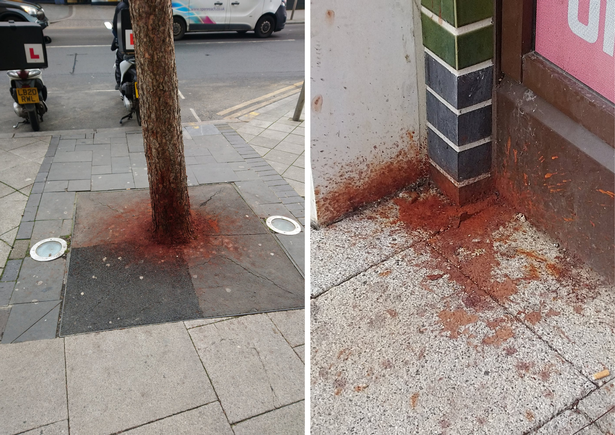
Paan spitting in Brent has emerged as a concerning issue, especially in areas like Wembley where the crimson stains of chewing tobacco mar public spaces. This practice not only leads to unsightly messes on pavements and street fixtures but also poses significant public health hazards due to the associated tobacco health risks. Brent Council finds itself spending over £30,000 annually on cleaning efforts to combat the proliferation of this sticky red substance, underscoring the environmental damage it inflicts on the community. In response, the council has implemented a strict enforcement policy to deter offenders, declaring a zero-tolerance approach toward such behavior. This bold stance aims to restore street cleanliness while simultaneously addressing the health implications linked to tobacco consumption and its byproducts.
The act of discarding paan, a popular form of chewing tobacco, has become increasingly problematic in Brent, particularly around the vibrant Wembley area. Residents frequently encounter unsightly stains and the associated health risks tied to this practice, prompting local authorities to take action. Chewing tobacco, often linked to significant public health hazards, is not just a nuisance; it also carries alarming tobacco health risks that can affect both users and the wider community. Brent Council’s decision to increase enforcement and raise awareness about the consequences of paan spitting highlights the urgency of addressing this ongoing issue. Through community workshops and targeted support services, Brent’s dedication to maintaining both street cleanliness and public health is becoming clearer.
The Impact of Paan Spitting in Brent
Paan spitting in Brent has become a pressing public health concern that extends beyond mere aesthetics. This seemingly innocuous habit, particularly prevalent in neighborhoods like Wembley, has led to visible stains that blight the streets and public spaces. Many are unaware that the dark-red residue, a mix of saliva and chewing tobacco, not only disrupts the cleanliness of these areas but also poses significant health risks to the community. As Brent Council spends upwards of £30,000 annually to clean these unsightly marks, the issue brings to light the need for greater awareness and accountability among residents.
The consequences of paan spitting reach further than just street cleanliness. Health officials have underscored the dangers associated with chewing tobacco, which is a key component in paan. Regular consumption is linked to severe health conditions, including cancers of the mouth and esophagus. The Brent Council’s efforts to combat this practice, including enforcing fines and raising public awareness through campaigns, underscore their commitment to addressing both environmental and health-related challenges. Ensuring that the public understands the ramifications of this habit is crucial in reducing its prevalence and maintaining community hygiene.
Brent Council’s Zero-Tolerance Approach
In a decisive move against the issue of paan spitting, Brent Council has adopted a zero-tolerance approach. This strict policy is not just a reactive measure but part of a broader strategy to ensure public spaces remain clean and safe for all residents. Enforcement officers are now patrolling hotspot areas where incidents of paan spitting are rampant, and violators face fines of up to £100. This policy aims to deter residents from engaging in behaviors that could harm the environment and undermine public health.
Brent’s initiative reflects a growing recognition of how certain habits, like chewing tobacco and spitting, can drastically affect community settings. By taking immediate action, the council emphasizes the necessity of maintaining cleanliness and protecting public health. Cllr Krupa Sheth’s remarks highlight the importance of consistent enforcement to prevent local citizens from compromising street hygiene. Moreover, the involvement of community feedback in shaping these policies ensures that residents feel heard and taken seriously in the fight against public health hazards.
The Health Risks of Chewing Tobacco
Chewing tobacco, particularly through the practice of consuming paan, presents serious health risks that cannot be overlooked. Studies have increasingly shown that the ingredients within paan, including tobacco and betel nut, are linked to various cancers and other health complications. Health professionals from within Brent have pointed out the alarming correlation between the use of chewing tobacco and increased rates of oral diseases. This knowledge serves not only to educate current users about the potential hazards but also to deter new users from starting this harmful habit.
The public health message is clear: chewing tobacco isn’t just a personal choice; it poses a communal risk, particularly when behaviors associated with it, like paan spitting, contribute to unhygienic conditions. The NHS has repeatedly linked tobacco usage to severe health issues, reminding residents of Brent to consider the broader implications of their lifestyle choices. As community leaders work to provide support for those who need help quitting, the overarching goal is to minimize both individual health risks and the environmental impacts produced by such habits.
Addressing Tobacco Health Risks Through Education
To combat tobacco health risks, Brent’s local authorities are focusing on education as a pivotal tool. By implementing educational workshops and programs tailored to those most affected by chewing tobacco, the council aims to provide residents with the resources needed to make informed choices about their health. Initiatives like the ‘Stop Smoking Service’ offer specialized support, ensuring that those who chew tobacco receive the attention and assistance they need to quit.
Moreover, addressing the stigmas surrounding chewing tobacco is vital for fostering an open dialogue about its dangers. This education not only informs users about the potential health risks, such as mouth cancer and the implications of weakened immune systems, but also encourages them to seek help. In this way, Brent’s proactive strategies can lead to broader community health improvements, not solely in terms of preventing further tobacco-related illnesses but also in creating a cleaner, more pleasant living environment for all.
Wembley Street Cleanliness Challenges
Wembley has been recognized as a progress hotspot in Brent for its unique challenges related to street cleanliness, primarily due to the prevalence of paan spitting. The issue has brought significant scrutiny to the local government, which has been criticized for its late response to what many residents have considered a longstanding problem. The perception of neglect has fueled ongoing frustration among community members who see their streets stained by the remnants of chewing tobacco, demanding more decisive action from the council.
Addressing street cleanliness in Wembley requires a multifaceted approach. As Brent Council increases enforcement and cleaning efforts, they also strive to engage the community through awareness campaigns. Residents are encouraged to take pride in their local environment and report issues, fostering a sense of collective responsibility. Only by uniting efforts can they hope to overcome the challenges brought about by paan spitting and maintain a cleaner, healthier Brent for all.
Community Involvement in Tobacco Reduction Programs
The success of initiatives aimed at reducing the use of chewing tobacco in Brent hinges on community involvement and support. By encouraging local residents to participate in tobacco cessation programs and workshops, the council creates a supportive network that fosters health awareness and collective action. Engaging community leaders and activists helps reach diverse groups who may be at risk, ensuring that tailored advice and resources are available to all.
Active community participation not only enhances the effectiveness of Brent’s tobacco reduction efforts but also cultivates a culture of care and concern for public health. For instance, local advocacy has spurred calls for more stringent regulations regarding chewing tobacco sales, reflecting the community’s need to address the issue comprehensively. As residents take an active role in promoting health and cleanliness, they contribute positively to the well-being of their streets and ultimately inspire a healthier future.
Local Government and Strategic Responses to Paan Spitting
The response of Brent Council to the issue of paan spitting illustrates a committed strategic approach to an increasingly pressing public health challenge. The council’s measures include the installation of awareness banners and regular monitoring of affected areas. By strategically placing enforcement officers in regions known for high incidents of paan spitting, the council aims to deter this behavior while fostering a community culture that values cleanliness.
Efforts to combat issues like paan spitting highlight the importance of strategic planning and community involvement in local governance. Brent Council’s initiatives not only address the immediate problems but also aim to instill long-term change in public perceptions about chewing tobacco usage. Their robust action plan aligns with broader public health goals, ensuring the streets remain clean while prioritizing the health risks associated with tobacco use.
The Role of Public Health Campaigns
Public health campaigns in Brent play a crucial role in informing residents about the dangers associated with paan and chewing tobacco. These campaigns, often integrated within community outreach programs, seek to address not only the immediate cleanliness challenges posed by spitting but also the long-term health risks that come with tobacco consumption. By disseminating knowledge about the harmful effects of substances like betel and tobacco, Brent aims to decrease local usage and, consequently, public health risks.
In addition to awareness, these campaigns emphasize actionable steps individuals can take towards quitting. The council’s emphasis on tailored cessation strategies, particularly for those who may feel marginalized in traditional healthcare settings, showcases a commitment to inclusivity in health. This proactive approach ensures that all community members understand the stakes involved in chewing tobacco use, thereby promoting healthier lifestyles across the borough.
Long-Term Solutions for Tobacco Use in Brent
Finding sustainable solutions to tobacco use in Brent involves multifaceted strategies that address both prevention and intervention. The council is exploring comprehensive health promotion strategies, which focus on educating the public about the risks of paan and facilitating access to support services. Strengthening community links can ensure that residents feel empowered to take action against tobacco use and its accompanying spitting habit.
Additionally, collaboration with local health organizations can enhance the effectiveness of Brent’s tobacco cessation efforts. By fostering partnerships that provide resources and support targeted specifically at users of chewing tobacco, the council can promote a healthier environment and actively work towards reducing the long-term health and social impacts of tobacco consumption. These concerted efforts can lead to substantial improvements in community health outcomes and a better quality of life for all Brent residents.
Frequently Asked Questions
What measures is Brent Council taking against paan spitting in Brent?
Brent Council has adopted a zero-tolerance approach to paan spitting, particularly in areas like Wembley, where it is prevalent. Enforcement officers patrol hotspots for paan spitting, and offenders face fines of up to £100. The council has also installed banners to raise awareness about the issue.
How much does Brent Council spend on cleaning up paan spitting?
Brent Council spends over £30,000 annually to clean up the stains caused by paan spitting on pavements, shops, and public spaces, highlighting the significant public health hazard and environmental damage associated with this practice.
What are the public health risks associated with chewing tobacco like paan in Brent?
Chewing tobacco, including paan, poses serious health risks. Regular consumption has been linked to mouth and esophageal cancers, with added dangers from betel nut, which is carcinogenic. Residents are encouraged to seek help from Brent’s stop smoking services to mitigate these tobacco health risks.
Why are there persistent stains from paan spitting despite cleaning efforts in Brent?
The stubborn stains from paan spitting are challenging to remove, even with high-powered cleaning jets. Brent Council has found that fully clearing these stains is nearly impossible, contributing to ongoing concerns about street cleanliness and public health hazards.
What is Brent Council’s plan to improve street cleanliness related to paan spitting around Wembley?
To improve street cleanliness, Brent Council is enhancing enforcement in identified hotspots for paan spitting and increasing public awareness through banners. They aim to deter this behavior to protect both the environment and public health.
How does Brent’s Stop Smoking Service support residents in quitting chewing tobacco?
Brent’s Stop Smoking Service offers specialized six-week programs tailored to individuals who chew tobacco or smoke shisha, aiming to provide adequate support for quitting and addressing the health risks associated with tobacco use.
What community feedback has there been regarding Brent’s strategy on paan spitting?
Local political groups, like the Brent Liberal Democrats, have criticized the timing and effectiveness of Brent Council’s measures against paan spitting, suggesting that the effort comes too late and calling for more decisive, ongoing enforcement rather than election-time promises.
What ingredients are commonly found in paan that contribute to its health risks?
Paan typically includes ingredients such as betel nut, betel leaf, herbs, and tobacco, which can lead to serious health issues, including mouth and esophageal cancers, as well as oral health problems like recurrent ulcers and bleeding gums.
How does paan spitting affect the cleanliness in Brent’s public spaces?
Paan spitting adversely affects the cleanliness of Brent’s public spaces, particularly around Wembley, by creating unsightly stains on pavements, telephone boxes, and flower beds, contributing to an overall perception of neglect regarding street cleanliness.
What efforts are being made to educate the public on the dangers of paan chewing in Brent?
Brent Council is not only enforcing regulations against paan spitting but also engaging in community education about the dangers of chewing tobacco through health workshops and support initiatives aimed at reducing tobacco use among residents.
| Key Points |
|---|
| Brent Council spends over £30,000 annually on cleaning paan stains from streets. |
| Paan is a popular chewing tobacco among the South East Asian community, resulting in blood-red saliva stains in Brent. |
| The council has a zero-tolerance policy towards paan spitting due to health and environmental concerns. |
| Despite efforts, removing paan stains completely remains challenging for local authorities. |
| Enforcement measures include fines up to £100 for offenders and increased patrols in hotspot areas. |
| Health risks associated with paan and tobacco use include mouth and esophageal cancers. |
| Workshops and support programs are being offered to help residents quit paan and tobacco use. |
Summary
Paan spitting in Brent has become a significant public concern, with the local council spending over £30,000 yearly on cleaning efforts. This issue not only reflects the community’s cultural practices but also highlights the health risks and environmental impacts associated with paan usage. The council’s implementation of strict fines for offenders and initiatives aimed at educating the community about the dangers of paan are steps in the right direction, however, sustained action and commitment are essential for preserving the cleanliness and safety of Brent’s streets.