Listen to this article
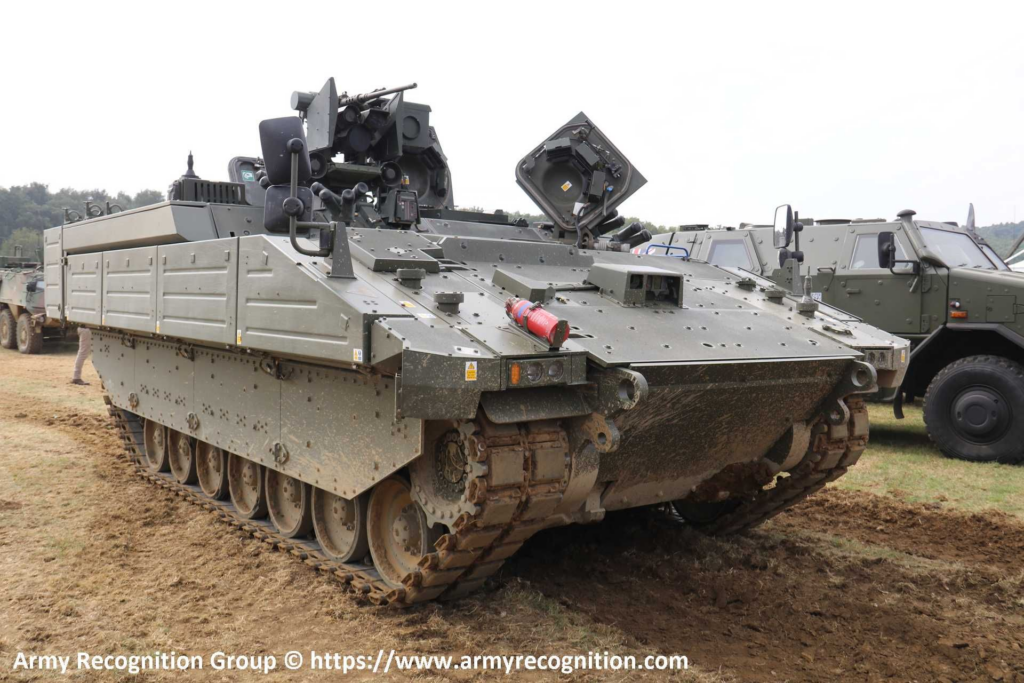
Ajax armored vehicles represent a significant advancement in military technology for the UK Army, but recent events have put the program under scrutiny. During a military exercise, approximately 30 soldiers experienced illness linked to noise and vibration issues associated with these armored fighting vehicles, prompting a temporary training pause. The Ministry of Defence (MoD) has launched an investigation into these troubling incidents, which have raised concerns over noise vibration injuries among soldiers. As the MoD delves deeper into the Ajax military training pause, it also reflects on the wider implications of these revelations for the £6.3 billion Ajax program. Produced by General Dynamics, the Ajax vehicle is not just a critical component for modern warfare; it has also become a focal point for discussions about procurement accountability and military readiness in the UK.
The Ajax program, known for its innovation in armored warfare, has recently faced formidable challenges that have brought its operational capabilities into question. Following alarming reports of soldiers suffering adverse effects during training exercises, the situation has escalated into a comprehensive investigation by defense authorities. This investigation not only scrutinizes the Ajax military vehicles but also the systemic issues within the Ministry of Defence related to vehicle safety and soldier well-being. As the Army assesses the ramifications of noise and vibration injuries on troop readiness, the future of the Ajax armored vehicles is uncertain amidst growing concerns about military training standards. The ongoing discussions surrounding this program highlight the critical need for accountability in defense procurement processes and the implications these vehicles hold for the UK Army’s operational effectiveness.
Current Status of Ajax Armored Vehicles
The Ajax armored vehicles find themselves in a state of uncertainty as the UK Army has issued a pause on their use following reports of soldiers suffering from noise and vibration injuries during military exercises. Approximately 30 soldiers fell ill, leading the Ministry of Defence (MoD) to initiate an investigation to ensure safety protocols are met. This has caused significant concern within military ranks as well as cast doubt on the vehicle’s readiness for operational deployment. The ongoing investigation reflects the MoD’s commitment to ensuring that all safety measures are strictly adhered to before resuming training operations.
General Dynamics, the manufacturer of the Ajax armored vehicles, faces scrutiny as these multi-million-pound machines were initially expected to be in service since 2019. Despite assurances from the Defence Minister that the program has achieved initial operational capability, the recent incidents have put a spotlight on persistent challenges. Soldiers have reported varying degrees of discomfort, underscoring the urgent need for the MoD to address operational capabilities and health implications while assessing the Ajax vehicles’ future.
Impact of Ajax Training Pause on the Military
The decision to halt Ajax military training comes as a precaution, prioritizing the health and safety of personnel. This pause not only reflects the immediate need to assess and mitigate risks associated with noise and vibration injuries but also places the Ajax program under further scrutiny. With over 160 armored vehicles already produced, the potential impact on operational readiness becomes apparent. A full evaluation is essential to identify systemic problems that could affect the long-term success of the program and military strategy.
Moreover, the pause in training for Ajax armored vehicles could have broader implications for military operations, particularly regarding the transition from older vehicle fleets like the CVR(T). As stakeholders and NATO allies watch closely, the military’s ability to project power comes into question. The MoD’s proactive approach, conducting safety investigations amid growing concerns, serves as an essential step in restoring confidence in Ajax’s viability and ensuring that military personnel operate under the safest conditions possible.
Investigating Ajax Military Training Concerns
The Ministry of Defence’s investigation into the Ajax program highlights a crucial concern regarding the physical well-being of soldiers. Reports of noise and vibration injuries during training exercises have raised alarms about the vehicle’s design and potential risk factors involved in its operation. As the MoD delves deeper into this investigation, it must address both the immediate medical needs of affected personnel and the broader implications of vehicle safety and performance. Historical claims about resolving noise issues are being tested as new symptoms emerge.
In exploring the Ajax vehicles’ manufacturing and testing processes, there lies a complex web of accountability among both the MoD and General Dynamics. This inquiry not only assesses health impacts but also examines the quality assurance measures in place during the production phase. As investigators sift through reports and testimonies, the outcomes of this investigation are likely to influence future procurement practices and how the military evaluates new technologies, especially crucial in high-stakes situations.
Long-term Prospects for the Ajax Program
Despite the setbacks, there remains a steadfast belief in the Ajax program’s potential. Officials from the UK government assert that Ajax vehicles possess advanced capabilities that are vital for modern combat scenarios. Positioned to replace aging fleets, these armored vehicles are seen as transformative assets that could elevate the UK’s defense readiness. However, the path forward is fraught with challenges, necessitating a clear strategy to address both the technical issues and the operational disruptions resulting from the current pause.
To restore confidence in Ajax, a transparent approach from the MoD regarding the long-term prospects for these vehicles is essential. This includes outlining potential timelines for resolution of the technical issues as well as the effective reintegration of Ajax into the Army’s training regimen. Stakeholders are eager to see not only a return to full operational capacity but also improvements that guarantee the health and safety of the soldiers trained to operate such advanced technology.
Addressing Noise and Vibration Injury Risks
The adverse effects of noise and vibration in military vehicles like the Ajax pose significant health risks, which cannot be overlooked. As recent training incidents have shown, soldiers reported severe symptoms after exposure, leading to the Ministry of Defence’s heightened vigilance and immediate investigation. Understanding the causes of these medical issues is crucial for the long-term viability of the Ajax program, and it compels the MoD to take action on multiple fronts to mitigate these risks for personnel.
Addressing these concerns requires a multifaceted approach encompassing design modifications and ongoing health monitoring for soldiers. The investigation could lead to enhanced safety protocols and refinements in the vehicle’s engineering design to reduce noise and vibration levels. The MoD’s commitment to prioritizing the health of its forces in conjunction with enhancing vehicle performance is vital for maintaining operational integrity and soldier morale amidst the challenges inherent in the Ajax program.
The Role of General Dynamics in the Ajax Production
General Dynamics plays a pivotal role in the production of the Ajax armored vehicles, a key component of the UK Army’s modernization efforts. The company, known for its engineering excellence, has been tasked with delivering a state-of-the-art vehicle that aligns with contemporary combat needs. However, the recent reports indicating noise and vibration issues have raised questions about quality control at the manufacturing stage, prompting scrutiny into General Dynamics’ processes.
The contract stipulations for the Ajax program emphasize the delivery of a reliable, effective, and safe armored vehicle for the UK military. In light of the recent challenges, stakeholders may call for a reassessment of performance metrics and a more stringent quality assurance framework at General Dynamics. As the investigation into the health implications for soldiers progresses, it will be important for the defense contractor to collaborate closely with the MoD to implement practical solutions and enhancements that address both safety and operational demands.
Ajax Program’s Operational Delays and Challenges
The Ajax program has been marred by significant operational delays and challenges that have raised concerns within the military and defense communities. Initially anticipated to be deployed in 2019, ongoing issues related to design inadequacies, such as noise and vibration, have hindered progress, creating a backlog that leaves military strategists uncertain about future operational capabilities. As the MoD works to resolve these matters, the implications of such delays could affect the UK’s international defense posture and its commitments to allies.
Recent assessments revealed that the Ajax project contends with not just technical setbacks but also institutional challenges within the MoD that have complicated its execution. A robust analysis of these issues will be essential in determining a clear path forward for the Ajax program. Implementing lessons learned from past procurement challenges will help inform future decisions and alleviate some of the skepticism surrounding the project’s viability.
NATO Allies and Ajax Vehicle Interest
Amidst internal challenges, NATO allies have expressed interest in the Ajax armored vehicles, boosting the program’s profile internationally. With its advanced capabilities, Ajax is positioned as a competitive contributor to collective defense initiatives, and the UK government has highlighted this potential during discussions with partners. However, the recent incidents have cast doubt on the program’s readiness and reliability, potentially impacting foreign partners’ investments and collaborations.
The MoD must navigate this landscape prudently, as maintaining confidence among NATO allies is critical for securing support for the Ajax program. Demonstrating an unwavering commitment to resolving existing issues will be crucial in restoring credibility while continuing discussions regarding future procurement opportunities. Successful resolution of the current investigation into noise and vibration injuries will play a key role in reassuring partners of the vehicle’s operational integrity.
Healthy Military Practices and Ajax Vehicle Management
In light of ongoing issues with Ajax armored vehicles, the military is reassessing its approach to health and safety within its training regimes. Soldiers’ experiences with noise and vibration injuries highlight the pressing need for healthy military practices that prioritize personnel well-being. The temporary pause in Ajax training is a proactive measure aimed at identifying and implementing necessary changes to ensure that soldiers can safely operate these advanced armaments.
As the MoD progresses with its investigation, it is imperative to link the findings to practice changes within the military training environment. Implementing effective health monitoring systems and standardized assessments of vehicles like Ajax can create a culture of safety that benefits both personnel and operational effectiveness. Ensuring that soldiers are equipped with the best resources while minimizing health risks is a fundamental goal that must be achieved moving forward.
Frequently Asked Questions
What issues have been reported with Ajax armored vehicles used by the UK Army?
The Ajax armored vehicles have been reportedly associated with noise and vibration injuries among soldiers during training exercises. Recently, approximately 30 soldiers fell ill after participating in exercises with the Ajax vehicle, leading to a pause in its use for training and a Ministry of Defence investigation.
Why has the UK Army paused the use of Ajax armored vehicles?
The UK Army paused the use of Ajax armored vehicles due to soldiers experiencing illness related to noise and vibration during military training exercises. The decision was made out of caution while the Ministry of Defence conducts a detailed investigation into these incidents.
What is the status of the Ajax military training program following recent health concerns?
Following reports of noise and vibration injuries, the Ajax military training program has been temporarily halted for two weeks. The Ministry of Defence is investigating the safety of the Ajax armored vehicles before resuming training activities.
What are the concerns regarding noise and vibration injuries reported in Ajax vehicles?
Concerns about noise and vibration injuries stem from reports that soldiers operating Ajax armored vehicles experienced symptoms such as shaking and vomiting after exercises. These incidents have prompted an investigation by the Ministry of Defence to assess the vehicle’s safety.
What has been the impact of Ajax issues on the Ministry of Defence’s confidence in the vehicle?
Despite the challenges faced by the Ajax armored vehicle program, including health concerns, the Ministry of Defence has initially expressed confidence in the vehicle’s capabilities. However, the recent incidents have raised questions about ongoing safety issues and the project’s overall reliability.
How many Ajax armored vehicles have been manufactured to date?
As of now, over 160 Ajax armored vehicles have been produced, out of a planned 589. This delay in production and operational capacity has been linked to technical issues surrounding noise and vibration, impacting soldiers’ health.
What are the future plans for the Ajax armored vehicle program?
The Ajax armored vehicle program, valued at £6.3 billion, faces significant scrutiny and delays. While production continues, reaching full operational capability is estimated to take an additional four years due to ongoing investigations and technical challenges related to noise and vibration injuries.
How does the Ministry of Defence plan to address the Ajax armored vehicle issues?
The Ministry of Defence is conducting a thorough investigation into the Ajax armored vehicle issues, focusing on the health concerns raised by soldiers. A limited amount of testing will continue in an attempt to identify and resolve the vehicle’s noise and vibration problems.
What implications does the Ajax investigation have for the UK Army’s operational readiness?
The pause in training with the Ajax armored vehicles may impact the UK Army’s operational readiness, as the Army relies on these vehicles to replace older models. The Ministry of Defence aims to resolve the ongoing issues swiftly to ensure that the Ajax program can fulfill its operational role.
Why was the Ajax armored vehicle program considered a ‘troubled program’?
The Ajax armored vehicle program has been labeled as ‘troubled’ due to persistent delays, technical difficulties, and concerns over noise and vibration injuries affecting soldiers. These issues have led to ongoing scrutiny, investigations, and doubts about the project’s management and execution.
| Key Point | Details |
|---|---|
| Incident Details | Soldiers fell ill due to noise and vibration during an exercise, with around 30 reporting symptoms. |
| Response from MoD | An investigation has been launched, and the use of Ajax vehicles is paused for two weeks. |
| Historical Context | Ajax vehicles were supposed to enter service in 2019 but have faced significant delays and issues. |
| Defence Minister Remarks | Luke Pollard continues to express confidence in the Ajax program despite ongoing issues. |
| Production Issues | Over 160 of the planned 589 Ajax vehicles have been manufactured, indicating limited progression. |
| Future Outlook | Full operational capability might not be achieved for another four years. |
Summary
Ajax armored vehicles are currently under scrutiny following a disturbing incident where soldiers reported health issues related to noise and vibration during military training. The Ministry of Defence has temporarily halted their use for safety investigations, spotlighting the ongoing challenges faced by the Ajax program. Once heralded as a cutting-edge military asset, the Ajax program has been fraught with delays and technical difficulties, raising questions about its operational readiness. As the investigation unfolds, the future of Ajax armored vehicles remains uncertain, amid ongoing efforts to address and rectify the persistent issues.