Listen to this article
In a remarkable turn of events, a woman found alive in a coffin at a Buddhist temple on the outskirts of Bangkok has sparked a bizarre yet miraculous survival story. Just moments before her planned cremation, staff members at the Wat Rat Prakhong Tham temple were startled to hear faint knocking emanating from the casket. General manager Pairat Soodthoop described the shocking moment as he witnessed the woman slightly opening her eyes and knocking on the coffin’s side, revealing her unexpected revival. Initially declared dead, this stunning incident highlights the dangers of misdiagnosed conditions like hypoglycemia, which the woman was later confirmed to be suffering from. The implications of this Thailand cremation incident have not only drawn wide media attention but also raised awareness about urgent health issues related to critical blood sugar levels.
Recently, a shocking discovery at a Buddhist temple has captivated audiences worldwide as a Bangkok woman was unexpectedly found alive in her coffin. This astonishing case of revival unfolds amidst a complex tale of miscommunication and medical oversight, showcasing the critical symptoms of hypoglycemia that left the 65-year-old woman incapacitated. Her brother was led to believe she had passed away, underscoring the necessity for accurate health assessments prior to end-of-life rituals. As the story of this miraculous awakening begins to circulate, it highlights numerous discussions regarding the reliability of death certifying processes within Thailand. The narratives surrounding the woman’s experience resonate deeply, adding layers of intrigue to what could easily have been a simple cremation ceremony.
The Miraculous Discovery of a Woman Found Alive in a Coffin
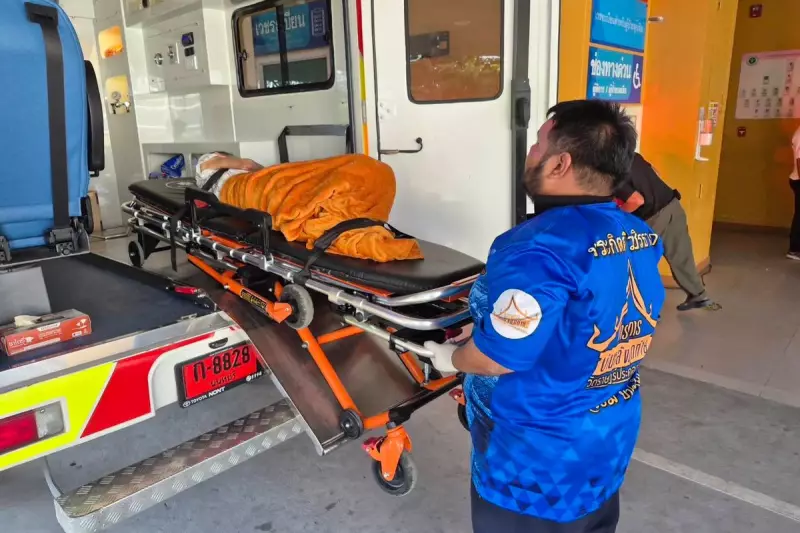
In a remarkable turn of events, a 65-year-old woman was discovered alive inside a coffin on the verge of a cremation at a Buddhist temple in Bangkok, Thailand. The general manager of the Wat Rat Prakhong Tham temple, Pairat Soodthoop, reported hearing faint knocks coming from the coffin, which prompted him to investigate further. Upon opening the coffin, staff members found her barely conscious, her eyes slightly opened as she made desperate knocks for help. This shocking incident has led to widespread discussions about health emergencies and misdiagnosed cases of death.
The woman’s revival raises important questions regarding the procedures surrounding death declarations and the need for stringent verification processes. In this incident, her brother was informed of her passing by local officials, despite not possessing a formal death certificate. The confusion surrounding her actual state points to the potentially devastating consequences of hypoglycemia, as many people may not be aware that such conditions can mimic death. Understanding such critical medical conditions can prevent similar incidents in the future.
Buddhist Temple Rescue: A Second Chance at Life
The incident at Wat Rat Prakhong Tham temple not only highlighted a miraculous rescue but also underscored the importance of timely medical interventions. After discovering the woman alive, the temple’s abbot emphasized the urgency of taking her to the hospital. This event serves as a powerful reminder of the need for medical awareness within communities, especially in rural areas. Many people, especially the elderly, may face health issues such as severe hypoglycemia that can be mistaken for death, leading to tragic outcomes.
The rescue also raises awareness about the practices surrounding ritual cremation in Thailand, especially in regions where Buddhism is predominant. Families often make arrangements for cremation based on verbal confirmations of death, which can lead to grave mistakes. Continuous education on medical signs of life and the necessity of confirming any death with a medical professional are vital for ensuring safety and preventing incidents like this from occurring again.
Understanding Hypoglycemia: The Hidden Danger of Low Blood Sugar Levels
Severe hypoglycemia is a dangerous condition characterized by dangerously low blood sugar levels, which can lead to confusion, loss of consciousness, and in extreme cases, can resemble death. In the case of the woman found alive, local doctors confirmed that she was suffering from this condition and had not experienced any respiratory or cardiac failures, which were initially suspected. This underscores the critical importance of recognizing the symptoms of hypoglycemia and ensuring that individuals receive proper care before jumping to conclusions.
Family members and caregivers should be informed about the signs of hypoglycemia, which include excessive sweating, dizziness, confusion, and fainting. Recognizing these symptoms can be life-saving, especially for those with chronic health conditions. As in this incident, swift action and proper medical attention can alter outcomes dramatically, ensuring that individuals do not face unnecessary fates due to misjudgments about their health.
Investigating the Thailand Cremation Incident
The recent incident involving a woman mistakenly thought to be dead just before her cremation has sparked investigations into the Thai healthcare system and protocols for confirming death. As the family traveled 500 kilometers from Phitsanulok province for the cremation ceremony, they did so under the impression that their loved one had passed away. This occurrence emphasizes the need for better communication and follow-up between healthcare providers and families, especially in urgent situations.
Additionally, the events at the Buddhist temple compel a re-evaluation of how death is declared in various cultural contexts, where emotions and traditional rituals can lead to hasty conclusions about a person’s status. Enhancing medical practices to include more rigorous checks, such as the use of glucose monitors and increased training for medical personnel, could help avoid similar misunderstandings in the future. Such measures could be implemented across various healthcare settings in Thailand.
A Woman Awakens from Death: A Survival Story
The woman’s awakening from what was perceived to be death has drawn global attention and has become a testament to resilience and survival. This extraordinary event challenges the very definition of life, highlighting how critical medical conditions like hypoglycemia can lead to life-threatening situations that might be misinterpreted as death. Her survival story serves to inspire many facing dire health challenges, showing that hope and medical intervention can lead to miraculous recoveries even in the darkest of moments.
Moreover, her experience resonates with patients and loved ones dealing with similar health issues. It illustrates the importance of remaining vigilant regarding the health of individuals, particularly the elderly or those with pre-existing health problems. By sharing such stories, we can create a broader awareness that encourages health professionals to look beyond conventional signs of life and provide a more nuanced understanding of patient conditions.
Lessons Learned from the Bangkok Woman’s Near-Death Experience
The case of the woman found alive in a coffin serves as a powerful reminder of the fragility and unpredictability of life. The breakdown of communication and understanding about health challenges can lead to tragic consequences, as witnessed in this story. Families are urged to ensure that proper medical evaluations are conducted before making final arrangements for their loved ones. This incident reiterates the need for everyone to advocate for their health and wellbeing, especially those who may not be able to speak for themselves.
Furthermore, this unfortunate experience prompts a call for health advocacy and policy changes to ensure that such incidents do not happen again. Hospitals, temples, and community health workers must work together to guarantee that every death declaration is made with the utmost certainty and care. Collaborative efforts can bring about significant improvements in healthcare systems, potentially saving lives in situations that might otherwise be misinterpreted.
Cultural Sensitivity and Health Awareness in Thailand
In Thailand, where cultural practices around death and cremation hold significant value, the recent discovery of the woman alive in the coffin urges society to reflect on how health and cultural sensitivity intertwine. Many families adhere to traditional beliefs without always seeking medical confirmation of death first, leading to incidents where individuals who are very much alive are treated as deceased. It is crucial to promote health literacy within various cultural contexts, ensuring respect for traditions while also emphasizing the importance of medical verification.
Engaging community leaders and healthcare professionals in discussions about health and cultural practices can enhance awareness and prevent confusion in times of crisis. Integrating health education programs rooted in cultural respect could empower families, guiding them on how to navigate health challenges without negating their cultural beliefs regarding death and dying.
The Role of Medical Professionals in Death Declarations
The responsibilities of medical professionals in confirming death are paramount, as demonstrated by the incident of the woman found inside the coffin. Medical professionals must employ comprehensive assessments to ascertain a patient’s condition before issuing a death certificate. This case reveals the critical need for better communication among healthcare providers, families, and local officials accountable for such declarations, to promote a system where premature death declarations are minimized.
Training and protocol updates regarding the identification of conditions like hypoglycemia are fundamental in ensuring that medical staff are equipped with the knowledge needed to accurately assess patients. Emphasizing continuous education for health professionals could prevent tragic misunderstandings and improve overall patient safety in emergency care settings. This case should serve as a catalyst for reevaluating and refining procedures surrounding death declarations.
Empowering Families to Advocate for Health
Families play an indispensable role in the health of their loved ones, especially when they are vulnerable. The woman’s ordeal powerfully underscores the responsibility of family members to advocate for their loved ones’ health needs. They must ask questions, pursue clarity when medical issues arise, and seek comprehensive assessments that involve more than just superficial observation. This incident should empower families to actively participate in their health management and ensure interventions are timely and accurate.
Encouraging open dialogues between families and healthcare providers can enhance the understanding of medical conditions and lead to better outcomes. Resources such as workshops or community discussions can offer families insight into recognizing signs of serious health issues. By fostering a proactive approach, families can potentially prevent miscommunications and advocate effectively for their loved ones during critical health junctures.
Frequently Asked Questions
What happened with the woman found alive in a coffin at a Buddhist temple in Thailand?
A 65-year-old woman was mistakenly thought to be dead and placed in a coffin at Wat Rat Prakhong Tham temple on the outskirts of Bangkok. Staff discovered her alive when they heard faint knocks coming from the coffin shortly before her scheduled cremation.
What is the significance of the Bangkok woman revival incident?
The Bangkok woman revival incident highlights a dramatic case of survival where the woman, who was believed to have died from severe hypoglycemia, was found alive in her coffin. This incident raises awareness about proper medical evaluations prior to declaring someone dead.
How did the woman survive after being thought dead in the Thailand cremation incident?
In the Thailand cremation incident, the woman survived after suffering from severe hypoglycemia, which can mimic death-like states. Medical professionals later confirmed her condition, explaining she had not experienced actual death despite being declared so.
What are the implications of the woman awakening from death in this case?
The implications of the woman awakening from death in this case include the urgent need for accurate medical diagnostics before declaring death and the potential psychological impacts on her family, who had prepared for her cremation.
What does hypoglycemia mean in the context of the woman found alive in a coffin?
Hypoglycemia, in the context of the woman found alive in a coffin, refers to a severe drop in blood sugar levels that can lead to unconsciousness or a death-like state. This condition was identified as the reason for the woman’s temporary state of unresponsiveness.
What should be learned from the woman found alive in a coffin incident at the Buddhist temple?
The woman found alive in a coffin incident serves as a crucial reminder for the importance of thorough medical assessments before affirming death, as well as the need for proper documentation like death certificates to prevent similar misunderstandings.
What were the circumstances that led to the wrongful declaration of death for the woman in Bangkok?
Circumstances leading to the wrongful declaration of death for the woman in Bangkok include her prolonged illness, which prompted family belief that she had stopped breathing, combined with incomplete documentation regarding her health and lack of a death certificate.
How did the family react after the woman was discovered alive in the coffin?
The family was likely in a state of shock and relief after the woman was discovered alive in the coffin. After traveling for over 500 km for her cremation, the unexpected revival brought intense emotions and necessitated immediate medical attention.
What immediate actions were taken after the woman was found alive in her coffin?
After the woman was found alive in her coffin, the temple’s abbot directed that she be transported to a hospital immediately for medical treatment, emphasizing the urgency of her condition.
What medical condition was diagnosed in the woman found alive in the coffin?
The woman was diagnosed with severe hypoglycemia, which was confirmed by a doctor after her revival from the coffin incident, clarifying that she had not suffered from respiratory failure or cardiac arrest.
| Key Point | Details |
|---|---|
| Woman Found Alive | A woman, believed dead, is discovered alive just before her cremation. |
| Location | Wat Rat Prakhong Tham temple, outskirts of Bangkok, Thailand |
| Discovery Process | Temple staff heard knocks from the coffin, prompting them to check. |
| Health Condition | The woman suffered from severe hypoglycemia, not respiratory failure or cardiac arrest. |
| Family Reaction | Her brother was informed of her death but did not have a death certificate. |
| Medical Response | She was taken to a hospital immediately after being found alive. |
Summary
The incredible story of the woman found alive in a coffin highlights the critical importance of thorough medical evaluations before declaring someone dead. Surprising events unfolded at a Buddhist temple in Thailand, where a family had assumed their elderly relative had passed on. Thanks to the swift actions of temple staff upon hearing her faint knocks from inside the coffin, she was saved from an untimely cremation. Her diagnosis of severe hypoglycemia serves as a reminder of the complexities of health conditions that can mimic death. This astonishing incident underscores the necessity for vigilance and proper medical protocols to ensure such a distressing mistake is avoided in the future.