Listen to this article
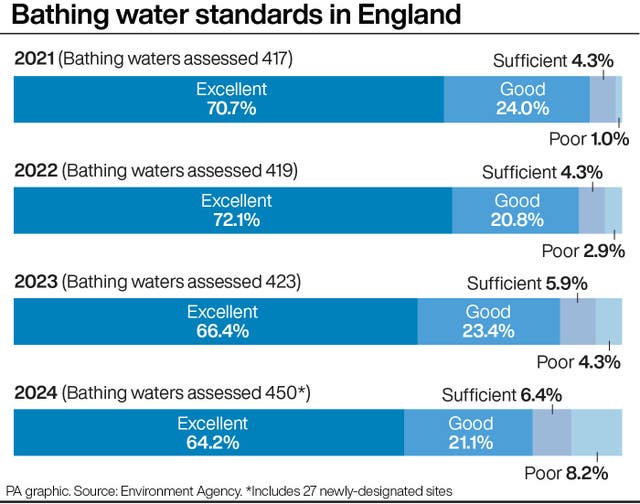
England bathing water quality has seen slight improvements according to the latest data released by the Environment Agency, with 93% of monitored sites meeting fundamental bacteria level standards this summer. These standards are crucial for ensuring safe swimming experiences, as they are impacted by factors such as sewage spills and agricultural pollution. This year’s results reflect a modest rise from 92% in 2024, showcasing ongoing efforts in enhancing England water quality. While 32 sites received “poor” ratings down from last year’s 37, concerns over pollution in rivers persist, especially with rising incidents of sewage spills. Recent government reforms are anticipated to foster further enhancements, but advocates warn that the risk of health issues remains for those enjoying England’s rivers.
Examining the current state of water quality in England, it’s clear that improvements have been made in the monitored areas for swimming. The Environment Agency’s findings reveal that a significant share of these bathing locations now comply with essential cleanliness standards, indicating a push towards safer aquatic environments. Meanwhile, pollution in waterways, particularly from sewage discharges, continues to raise alarms among public health advocates. The ongoing evaluation of England’s natural swimming sites highlights the importance of rigorous testing and regulation to combat contaminants and ensure community health. As awareness grows regarding these environmental challenges, the dialogue around the necessity for stronger water management policies intensifies.
Overview of England’s Bathing Water Quality
The latest data from the Environment Agency highlights a positive trend in England’s bathing water quality, with 93% of monitored sites meeting the minimum standards for bacterial levels this year. This marks an increase from 92% in 2024, reflecting ongoing efforts to combat pollution in rivers and ensure safer recreational spaces for the public. The progress observed is significant, given the stringent bathing water standards set forth by regulatory bodies, aimed at protecting beachgoers from health hazards associated with poorly maintained water sources.
Despite the overall improvement, 32 sites still received a ‘poor’ rating, a decrease from 37 in the previous year. The details reveal a complex picture where the government asserts that reforms in bathing water regulations will further elevate England’s water quality. However, campaigners warn that many swimming areas in rivers remain unsafe, pointing to the need for continued scrutiny and proactive measures to address sewage spills and agricultural runoff that contribute to these challenges.
The Impact of Sewage Spills on Water Quality
Sewage spills are a significant factor affecting the quality of bathing waters across England. These spills not only contribute to elevated bacterial levels but also raise public health concerns among swimmers and families seeking safe recreational options. Recent reviews have shown that while the number of adequately rated bathing sites has improved, concerns about pollution in rivers remain prevalent, particularly in regions where sewage infrastructure is aging and inadequately managed.
Water Minister Emma Hardy emphasized the importance of continued reforms to mitigate the impact of sewage spills, stating that these initiatives are part of broader efforts to enhance the safety of recreational water environments. This dual approach aims not only to raise the bar for bathing water standards but also to avert potential health risks associated with swimming in water bodies adversely affected by contamination.
Frequently Asked Questions
What is the current state of England bathing water quality?
The latest data shows that 93% of monitored bathing areas in England met minimum water quality standards this summer. This is a slight increase from 92% in the previous year, indicating ongoing improvements in England bathing water quality.
How do sewage spills affect England water quality?
Sewage spills are a significant factor influencing England water quality, particularly in bathing areas. The Environment Agency reports that pollution from sewage and agricultural runoff affects bacterial levels in water, highlighting the need for better management of such incidents.
What improvements have been made to bathing water standards in England?
Recent reforms to bathing water standards in England aim to enhance monitoring and management of water quality. These changes, along with significant investments, have contributed to higher ratings for bathing waters, with 66% now rated ‘excellent’.
Why are some bathing water sites in England rated ‘poor’?
Some bathing water sites in England are rated ‘poor’ due to high bacteria levels caused by pollution from sewage spills and agricultural runoff. In 2024, 32 sites were rated as poor, though this number has decreased from 37 the previous year.
What role does the Environment Agency play in monitoring England bathing water quality?
The Environment Agency is responsible for monitoring bacterial levels in 449 bathing water sites across England from May to September each year. Their reports guide efforts to improve England water quality and ensure public safety at these sites.
How often is data on bathing water quality in England released?
Data on England bathing water quality is typically released annually, following the monitoring period from May to September. The most recent figures spanning 2022 to 2025 suggest ongoing improvements in water quality and standards.
What are the health risks associated with swimming in rivers in England?
Swimming in rivers in England can pose significant health risks due to pollution from sewage spills and agricultural runoff. Recent reports indicate that even protected river sites may not meet safety standards for recreational swimming.
How does the public perceive bathing water quality in England?
Public perception of bathing water quality in England is mixed. While recent data shows 87% of bathing sites are rated ‘good’ or ‘excellent,’ concerns remain due to pollution incidents and the government’s ongoing challenges in improving water quality.
What measures are being taken to reduce pollution in rivers in England?
To reduce pollution in England’s rivers, water companies are implementing plans to minimize sewage spills, in response to regulatory reforms and public concerns. The Environment Agency continues to monitor water quality and advocate for stricter accountability measures.
What initiatives are in place to protect England’s bathing waters?
Initiatives to protect England’s bathing waters include regulatory reforms aimed at enhancing water quality monitoring and management, investment in wastewater treatment, and collaborative efforts between government and industry to address pollution.
| Key Points |
|---|
| The percentage of monitored bathing areas in England meeting minimum water quality standards increased to 93% in 2025, up from 92% in 2024. This reflects better management practices and pollutant levels. |
| Overall, 32 sites were rated ‘poor’ in 2025, a decrease from 37 in 2024, signifying an improvement in water quality since the new measurement system was established in 2015. |
| The percentage of bathing sites rated as ‘excellent’ has risen to 66% from 64%. However, the 7% of sites rated ‘poor’ remains a concern for public health. |
| Increased oversight and regulatory reforms are promised by the government, aiming to further improve water quality, but concerns about the health risks associated with swimming in England’s rivers persist. |
| The Environment Agency notes that the ongoing effects of regulation, investment, and collaboration have contributed to improved bathing water quality in recent years. |
Summary
England bathing water quality has shown notable improvement, with the latest data revealing that 93% of monitored swimming sites meet minimum safety standards. While this marks an increase from previous years, challenges remain, particularly concerning the safety of rivers, where the risk to public health due to pollution persists. The government’s ongoing reforms, along with investments in pollution control, aim to address these concerns and promote cleaner waterways for the enjoyment of all. However, there are calls for stricter regulations and accountability for water companies to ensure lasting improvements.