
Listen to this article
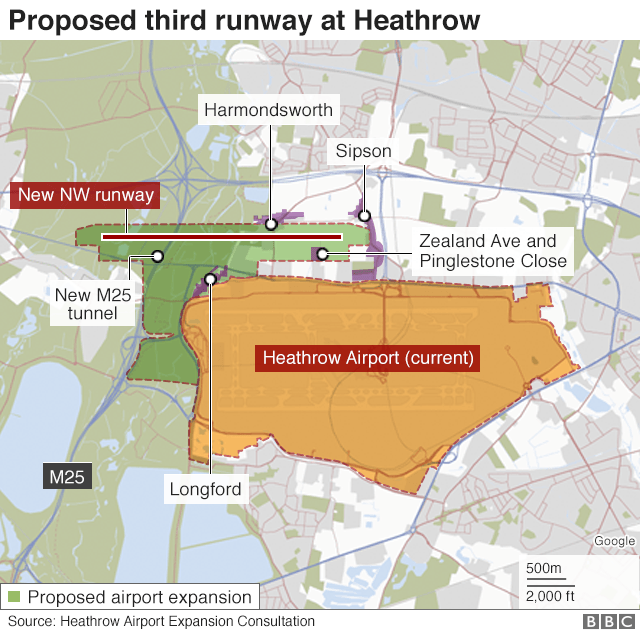
Heathrow Airport’s third runway proposal is a pivotal aspect of the UK government’s expansion strategy aimed at boosting economic growth and improving connectivity. As the premiere hub airport, Heathrow has put forth an ambitious plan that includes not only extending the current runway by 3.5 kilometers but also necessitating the relocation of the M25 motorway to accommodate this expansion. This project, positioned within the broader framework of Heathrow expansion plans, has sparked considerable debate as it inches closer to airport planning approval. While the Arora Group offered a competing bid featuring a shorter runway and no modifications to the M25, Heathrow’s proposal has been deemed the most viable option by the Department for Transport. As the nation’s transport policy evolves, the focus remains on how this new runway can further enhance trade, tourism, and employment opportunities across the UK.
The initiative to expand Heathrow involves a significant upgrade that has ramifications for UK aviation and transport infrastructure. The proposed addition of a third runway is not merely about enhancing flight capacity but is intricately linked to the strategic relocation of key motorways, specifically the M25. Furthermore, this development aligns with national policies aimed at revitalizing airport operations while addressing public concerns regarding environmental impacts. As local debates unfold, alternative proposals have emerged, notably from the Arora Group, which seeks a more conservative approach to airport enhancement. Ultimately, the decision-making process surrounding this project will shape the future of UK transport and global connectivity.
Understanding Heathrow Airport’s Third Runway Proposal
Heathrow Airport’s proposal for a third runway is a fundamental aspect of the UK’s airport expansion plans, aiming to increase capacity and improve the airport’s ability to handle rising passenger and cargo demands. The proposed third runway would extend approximately 3.5 kilometers and is designed to alleviate current congestion, thereby enhancing the UK’s position as a leading global transport hub. Given the significant economic implications, this proposal has garnered substantial attention from stakeholders across various sectors, including transport policy, environmental considerations, and regional development.
The government’s decision to select Heathrow’s plan over the Arora Group’s shorter runway proposal indicates a commitment to pursuing comprehensive expansion strategies rather than cost-cutting measures that may compromise long-term benefits. Relocating the M25 motorway, while a contentious issue, is seen as a necessary step to facilitate the infrastructure required for the new runway, aligning with broader UK transport policy objectives to create more efficient travel routes and bolster economic growth.
The Implications of the M25 Relocation for Heathrow Expansion
Relocating the M25 motorway is one of the most significant aspects of Heathrow Airport’s third runway proposal, representing both an engineering challenge and an opportunity for comprehensive airport planning. The necessity of this relocation underscores the scale of the project, which is aimed at not only enhancing air travel capacity but also improving ground transport connectivity. This strategic decision is designed to minimize disruption while maximizing efficiency for both airport operations and motorists using the M25.
The implications of such a major infrastructure change extend beyond mere logistics; they also touch on environmental and community concerns. Environmental groups have voiced strong opposition to the proposed expansion, highlighting potential negative impacts on air quality and local ecosystems. As Heathrow navigates these challenges, it must ensure that any plans for M25 relocation are harmonized with strict environmental standards. Balancing these considerations will be crucial in securing planning approval and aligning with the UK government’s commitment to sustainable transport policies.
Challenges and Controversies Surrounding Heathrow’s Expansion Plans
As Heathrow Airport moves forward with its third runway expansion plans, it faces numerous challenges and controversies. Chief among these is the strong opposition from environmental organizations and local residents concerned about the ecological footprint and noise pollution associated with increased flights. Critics argue that expanding the airport contradicts the UK’s environmental commitments, particularly in light of climate change concerns. The ongoing debate highlights the tension between economic growth aspirations and environmental sustainability.
Additionally, there are significant political implications at play. Various politicians have taken stances for or against the expansion, reflecting a diverse array of public opinion. Some support the airport’s growth as a means to stimulate economic prosperity, attract international investment, and enhance the UK’s connectivity. Others are wary of the potential long-lasting impacts on local communities and environments, raising questions about the effectiveness of the UK transport policy in addressing these crucial issues. This complex landscape illustrates the multifaceted nature of airport expansion and the need for comprehensive planning processes.
Future of Heathrow’s Planning Approval Process
The planning approval process for Heathrow Airport’s third runway is an essential aspect of the overall expansion strategy. Although the government has expressed a commitment to moving forward, securing final approval will involve addressing various regulatory requirements and stakeholder concerns. A clear timeline remains elusive, with expectations for planning applications to be submitted following the review of the Airports National Policy Statement. This indicates that the approval process is still in its infancy, despite the government’s enthusiasm for the project.
To successfully navigate these complexities, Heathrow must engage transparently with all stakeholders, including the communities potentially affected by the expansion. Ensuring that environmental considerations are prioritized will be crucial in gaining support for the runway project. Ultimately, the timeline for planning decisions aims for completion by 2029, pushing for a swift resolution to meet growing aviation demands while adhering to necessary regulations.
Evaluating the Economic Impact of Heathrow’s Third Runway
The economic implications of Heathrow Airport’s proposed third runway are exceptionally significant for the UK economy. The expansion is expected to create thousands of jobs, generating direct and indirect employment opportunities in aviation, transportation, and tourism sectors. By enhancing the airport’s capacity, the UK aims to facilitate increased trade, attracting international businesses and contributing to overall economic growth.
Furthermore, improving connectivity with key global destinations will likely stimulate tourism, benefiting local economies in and around London. However, this proposed growth must be balanced against environmental and societal interests, raising the debate on how to optimally leverage expansion for economic gain while minimizing adverse effects. These discussions will shape future UK transport policy, exploring the delicate balance between infrastructure development and environmental stewardship.
Heathrow’s Role in UK Transport Policy
Heathrow Airport’s third runway proposal plays a vital role in shaping the future of UK transport policy. As the country’s primary hub airport, it facilitates a substantial portion of international air travel, thus being integral to the UK’s connectivity and competitiveness on the global stage. Expansion of the airport is in alignment with governmental targets to improve infrastructure, boost the economy, and address the growing demand for air travel.
However, this alignment must also consider the implications for local transport systems and environmental impacts. The UK government will have to ensure that the benefits of the expansion resonate beyond the airport walls, contributing positively to regional transport networks while adhering to sustainable development principles.
Community Engagement and Public Consultation on Expansion Plans
Effective community engagement and public consultation are crucial components of the third runway expansion process at Heathrow. Local residents’ concerns about noise, air quality, and overall environmental impact must be addressed comprehensively to foster goodwill and support among stakeholders. The airport’s efforts to maintain open lines of communication will play a significant role in shaping public perception and facilitating collaboration between Heathrow officials and the communities impacted by the expansion.
Public consultations will provide platforms for residents to voice their concerns and expectations, leading to a more informed decision-making process. Engaging with the community creates opportunities for shared understanding and compromise, which can enhance the airport’s proposals and lead to a socially responsible expansion strategy. Prioritizing community involvement will be vital for gaining the necessary support for Heathrow’s plans and ensuring that expansion aligns with broader societal goals.
Environmental Concerns Regarding Heathrow’s Expansion
The environmental concerns tied to Heathrow Airport’s third runway expansion are paramount, presenting significant challenges that need careful consideration. Opponents of the expansion argue that increasing flight capacity would exacerbate air pollution levels, complicate the fight against climate change, and negatively impact local wildlife and habitats. These concerns demand that Heathrow presents a thorough sustainability plan, balancing economic aspirations with ecological welfare.
In response to these challenges, the UK government has emphasized the importance of adhering to environmental regulations and has indicated that any planning approval will scrutinize environmental impact assessments rigorously. Therefore, Heathrow must demonstrate a commitment to minimizing its environmental footprint while exploring ways to innovate in sustainable aviation practices. Addressing these concerns effectively will be critical to achieving a resolution that satisfies both economic objectives and environmental responsibilities.
Future Innovations in Aviation and Their Relevance to Heathrow
Looking toward the future, innovations in aviation technology will play a transformative role in airport operations and expansion plans. Heathrow’s third runway project could integrate cutting-edge practices in sustainability, enhancing energy efficiency and minimizing emissions. Embracing advancements such as electric aircraft and automated ground handling could position Heathrow at the forefront of environmentally conscious aviation, reinforcing its status as a leading international airport.
Moreover, these innovations can potentially align with the UK government’s broader objectives in transport policy, focusing on reducing carbon footprints and fostering economic resilience. If Heathrow continues to prioritize modernization alongside its expansion, it could serve as a model for other airports worldwide, demonstrating how growth can be achieved sustainably amidst evolving environmental challenges.
Frequently Asked Questions
What are the main features of the Heathrow Airport third runway proposal?
The Heathrow Airport third runway proposal includes extending the runway up to 3.5 kilometers, requiring the construction of a new road tunnel beneath the airport, and relocating the M25 motorway. This project aims to enhance UK transport capacity and economic growth.
How does the Heathrow expansion plans affect the M25 relocation?
The Heathrow expansion plans involve relocating the M25 motorway as part of constructing the third runway. This relocation is necessary to accommodate the extended runway and facilitate better traffic management around the airport.
What is the timeline for the planning approval of Heathrow’s third runway?
The planning approval for Heathrow’s third runway is expected to be concluded after the government reviews the Airports National Policy Statement. An application for planning permission is anticipated from Heathrow by 2029, pending further assessments and approvals.
What alternatives existed against the approved Heathrow third runway plan?
The alternative to the approved Heathrow third runway plan was proposed by the Arora Group, which suggested a shorter runway that would not necessitate relocating the M25. However, Heathrow’s proposal has been deemed more feasible by the Department for Transport.
What are the potential benefits of the third runway at Heathrow Airport?
The third runway at Heathrow Airport is projected to stimulate economic growth, enhance connectivity, facilitate increased trade and tourism, and attract international investment to the UK, thereby solidifying Heathrow’s position as the country’s primary hub airport.
What concerns have been raised about Heathrow’s third runway expansion?
Concerns about Heathrow’s third runway expansion primarily focus on environmental impacts, with opposition raised from environmental organizations, local residents, and some politicians worried about noise, air quality, and the potential ecological consequences of the expansion.
How will Heathrow’s third runway plans integrate with UK transport policy?
Heathrow’s third runway plans are designed to align with UK transport policy by improving connectivity and passenger capacity in alignment with economic growth objectives. The government has emphasized the need for such infrastructure to support national economic interests.
What steps will Heathrow take after receiving planning approval for the third runway?
Once planning approval for the third runway is obtained, Heathrow will proceed with the planning application process for the associated new terminals and infrastructure, ensuring compliance with regulations while also raising necessary funds to cover project costs.
What are some of the government’s justifications for advancing Heathrow’s third runway plans?
The government justifies advancing Heathrow’s third runway plans by highlighting the potential to stimulate economic growth, improve international connectivity, and enhance the UK’s position as a global trading hub, which are all essential factors for national development.
Why is Heathrow considered the only hub airport in the UK?
Heathrow is regarded as the only hub airport in the UK because it serves as the main international gateway for passengers and freight, providing a wide range of international flights and connections, thus facilitating significant trade, tourism, and employment opportunities.
| Key Point | Details |
|---|---|
| Approval of Third Runway | The UK government has chosen Heathrow Airport’s proposal for a third runway. |
| Proposal Comparison | Heathrow’s plan includes relocating the M25 motorway. The alternative proposal from Arora Group involves a shorter runway without M25 modifications. |
| Runway Specifications | Heathrow’s runway would extend up to 3.5 kilometers, requiring a new road tunnel beneath the airport. |
| Decision Timeline | A definitive approval decision is expected to take several years, with applications open to any entity once the planning process is completed. |
| Government’s Stance | The Department for Transport favored Heathrow’s proposal for its feasibility and potential planning approval likelihood. |
| Local and Environmental Opposition | The third runway plan faces significant opposition from environmental organizations, local politicians, and residents. |
| Financial Considerations | Heathrow seeks clarity on fee raises required to cover planning costs to align with government timelines. |
| Transport Secretary’s Remarks | Heidi Alexander affirmed that expanding Heathrow will boost trade, tourism, and employment. |
Summary
Heathrow Airport’s third runway is a pivotal development in the UK’s aviation landscape. Following the government’s selection of Heathrow’s proposal, which includes significant infrastructure changes like the relocation of the M25 motorway, the process is set to unfold over the next few years. While the potential for economic growth and enhanced connectivity is attractive, strong opposition from environmental groups and local communities highlights the complexities of such an expansion. The planned developments at Heathrow aim to strengthen its position as the nation’s key hub airport, ensuring that efforts to balance economic benefits and environmental considerations will remain at the forefront of the upcoming planning discussions.

