
Listen to this article
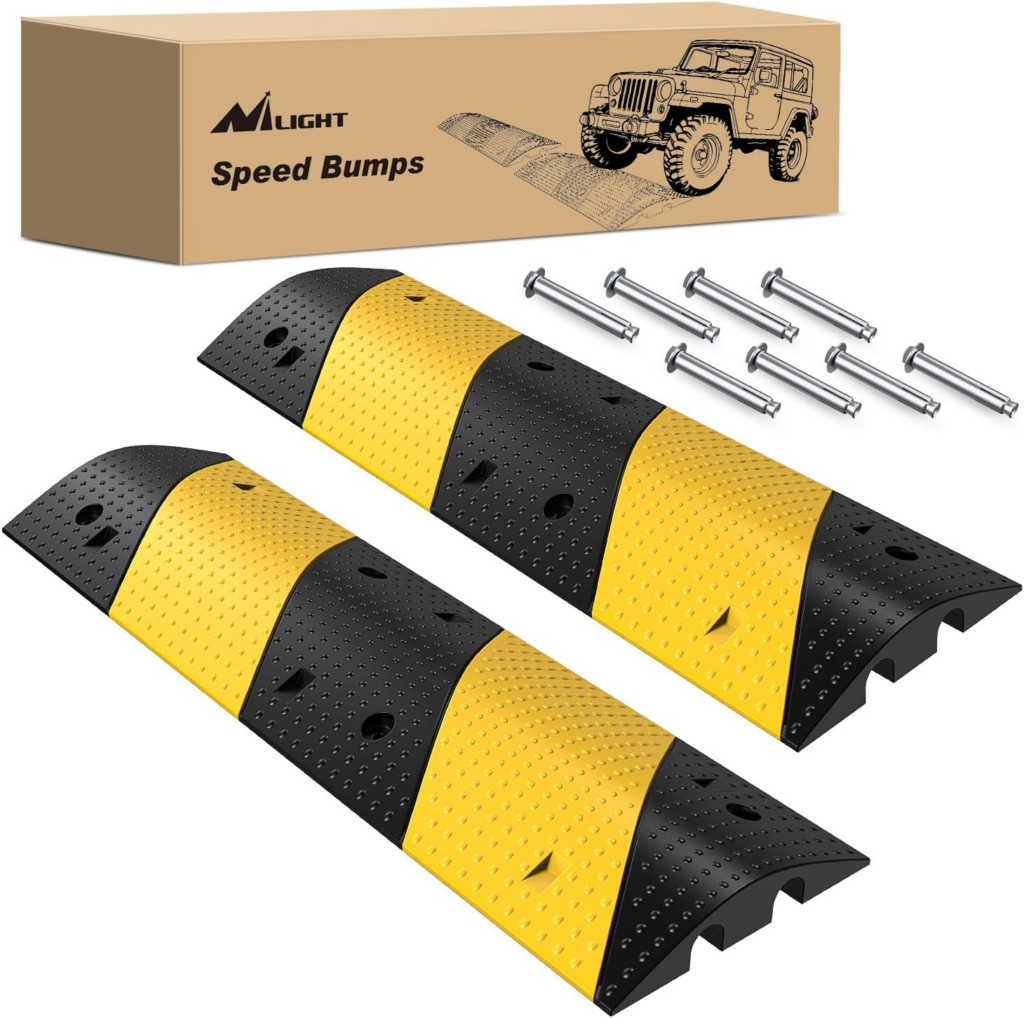
Speed humps are a critical component of traffic calming measures that aim to promote safety on local roads, particularly in residential areas. In South London, residents have raised concerns over the removal of these speed-reducing structures on resurfaced roads like Hawes Lane, where drivers reportedly exceed speed limits. Since the speed humps were taken out, campaigners argue that many vehicles have been recorded traveling at alarming speeds of up to 50 mph, prompting the launch of a petition aimed at urging Bromley Council to reconsider their decision. The community-driven movement emphasizes the need for effective traffic calming measures to protect residents and create a safe environment for families. With over 600 signatures collected, the call to restore speed bumps on Hawes Lane resonates with a community advocating for safer streets and heightened awareness of road safety issues.
The necessity for traffic barriers, or speed reduction bumps as they are sometimes called, has become a heated topic among local residents following significant infrastructural changes. After the resurfacing of important thoroughfares such as Hawes Lane, the absence of these key safety features has led to an influx of concerns regarding excessive speeding. Community members are now questioning the effectiveness of current traffic management strategies implemented by the local council. As they mobilize efforts to encourage Bromley Council to take action, alternative forms of speed control are being discussed, demonstrating the ongoing debate about road safety and community welfare. This situation highlights the broader need for thoughtful traffic calming solutions that not only respect taxpayer interests but also prioritize the safety of the citizens they serve.
Community Calls for Speed Humps on Hawes Lane
The residents of West Wickham are raising their voices for the reinstallation of speed humps on Hawes Lane, after the road underwent resurfacing. Their campaign, dubbed “Make Hawes Lane Safe Again,” is driven by concerns over increasing vehicular speeds, with some drivers reportedly reaching up to 50 mph. The community’s efforts have culminated in a petition that has amassed over 600 signatures, showcasing the collective determination of residents to prioritize safety over aesthetic improvements. This illustrates a classic case in traffic management where surface enhancements must align with effective traffic calming measures.
In their fervor for safety, residents have highlighted the dangers that come with smoother roads. With the removal of speed humps, many believe that the once-thought practical improvements have had the opposite effect, encouraging higher speeds. Campaigners argue that without effective calming measures, road safety is compromised, especially for families with children. The community’s petition reflects broader concerns within urban planning about how road surfaces influence driver behavior and safety outcomes.
Bromley Council’s Stance on Traffic Calming Measures
Bromley Council has publicly resisted calls to reinstate speed humps along Hawes Lane, primarily citing cost savings as a rationale. Each speed hump costs approximately £2,000, and the council claims that avoiding their installation has saved taxpayers around £60,000. This financial argument resonates with some constituents, yet it raises questions about the balance between cost-effectiveness and public safety. Council members argue that road design should prioritize the smooth flow of emergency services over speed deterrence, a claim contested by local residents who argue that the current conditions are unsafe.
Executive councillor Nicholas Bennett pointed out that parked cars effectively act as natural speed reducers, stating that parking restrictions do not apply to most parts of Hawes Lane. While this assertion highlights some merits to the existing road layout, residents maintain that parked vehicles alone are insufficient to ensure safety, especially given the reported sharp turns at intersections like The Mead and Links Road. The discussions around these traffic calming measures illustrate the broader complexities local councils face when responding to community safety concerns amidst financial constraints.
Alternative Approaches to Enhance Road Safety
In light of the ongoing debate concerning speed humps, local residents are calling for alternative traffic calming measures that could potentially improve road safety without the drawbacks associated with speed bumps. Suggestions have included the implementation of painted speed limits and speed indicator devices that alert motorists to their current speeds. Such innovations could serve both aesthetic and functional purposes, striking a balance between maintaining a #{‘smooth driving experience’} and ensuring pedestrian and driver safety.
Innovative solutions for traffic calming can be pivotal in addressing safety concerns in residential areas like Hawes Lane. Measures such as speed bumps, though effective, may not always be viable due to their implications for emergency services and surrounding neighborhoods. Therefore, exploring alternatives could foster a collaborative effort between residents and officials able to devise a community-approved traffic plan that incorporates feedback while considering the budget constraints outlined by the council. The local community’s active engagement in these discussions can influence Bromley Council’s decision-making process and lead to safer roadways.
The Impact of Resurfaced Roads on Traffic Dynamics
The trend towards resurfacing roads is often seen as a modernization effort but can create unintended consequences regarding traffic behavior. In the case of Hawes Lane, the smooth, newly resurfaced road surface has attracted drivers to speed, resulting in safety fears among residents. The juxtaposition of a visually appealing environment against the backdrop of compromised public safety exemplifies the need for comprehensive planning in urban infrastructure.
Understanding how resurfacing affects local traffic dynamics is crucial for councils like Bromley. Smooth roads can significantly change driver behaviors, particularly in areas previously marked by rough surfaces. As the community campaign underscores, the implications of these changes require immediate attention and action from local authorities to ensure that urban upgrades do not inadvertently increase risk factors for residents—especially families and children frequenting these spaces.
Investigating Claims of Speeding on Hawes Lane
Amidst the ongoing controversy, various claims surrounding the extent of speeding on Hawes Lane have emerged. Local residents report witnessing vehicles travel at speeds well over the limit, while the council downplays these instances. The debate reflects a broader issue of perception versus reality in traffic safety, where subjective experiences of community members may not align with official data from speed checks conducted by local authorities.
Investigating speeding claims requires a nuanced approach, incorporating community feedback with objective measurements. Residents’ accounts of speeds up to 60 mph paint a concerning picture, suggesting the need for more rigorous oversight of vehicular behavior in residential areas. Delving deeper into these discrepancies could help foster trust between the community and Bromley Council, leading to more effective solutions tailored to actual public safety needs.
The Role of Community Petitions in Local Governance
Community petitions serve as a powerful tool for residents to express their concerns and demands to local governance structures. In West Wickham, the petition for reinstating speed humps is a clear example of grassroots activism shaping transport policy. Such initiatives give individuals a platform to voice collective grievances, urging local councils like Bromley to respond in a manner reflective of community sentiments.
Petitions not only amplify the voices of constituents but can also galvanize substantial public support around issues of safety, ultimately influencing policy changes. The active participation of residents in campaigns like “Make Hawes Lane Safe Again” underscores their commitment to ensure that local authority considerations align with community priorities. This dynamic can enrich democratic processes, fostering a more responsive governance framework.
Understanding the Community’s Perspective on Road Safety
Residents’ perspectives on road safety, as expressed through their campaign, underline the importance of direct involvement by community members in discussions regarding local infrastructure. The voices of families raising children in areas like Hawes Lane are integral in shaping responses to safety challenges. When community members articulate their concerns based on firsthand experiences, it ultimately highlights the need for policies that account for diverse perspectives.
Evaluating road safety from the community’s viewpoint not only adds depth to discussions on urban planning but also encourages a collaborative approach towards solutions. By fostering an environment where residents can convey their fears and aspirations for safer streets, local councils can better tailor traffic calming measures to the actual needs of their constituents, thereby enhancing overall public safety.
Analyzing the Effects of Speeding on Local Communities
Speeding has far-reaching effects on local communities, extending beyond immediate traffic concerns to encompass broader issues such as compromised safety and decreased quality of life. Residents living on Hawes Lane are currently grappling with the implications of increased speed limits and the associated risks that come with them. Addressing these challenges requires a comprehensive understanding of how speeding impacts not just individual safety, but community cohesion as well.
As local residents, particularly those with children, express their fears regarding speeding vehicles, it becomes apparent that maintaining community vibrancy hinges on ensuring safe environments. Strategies for alleviating speeding can foster a sense of security, allowing families to engage with their neighborhoods more freely. Thus, addressing speeding issues is not simply about enforcing limits, but also about enhancing community well-being.
Exploring the Future of Traffic Management in Bromley
The case of Hawes Lane represents a pivotal moment for traffic management strategies in Bromley. As the community advocates for action in response to rising speed concerns, local authorities face the challenge of balancing financial considerations with public safety imperatives. The future of road safety will hinge upon innovative approaches that address community needs while remaining fiscally responsible.
Moving forward, it will be essential for Bromley Council to engage actively with community stakeholders. Collaborative planning sessions and transparent decision-making processes can help ensure that road management effectively responds to the realities experienced on the ground. By placing community safety at the forefront of traffic management discussions, Bromley could set a precedent for other councils grappling with similar issues.
Frequently Asked Questions
What are speed humps and how do they function as traffic calming measures?
Speed humps are raised areas on the road designed to slow down vehicle traffic, particularly in residential areas. They function as effective traffic calming measures by creating physical obstacles that compel drivers to reduce speed, thereby enhancing safety for pedestrians and local residents.
Why have speed humps been removed from Hawes Lane, and what has been the community’s response?
The speed humps were removed from Hawes Lane as part of a resurfacing project aimed at saving taxpayer money. However, this led to concerns among residents who reported increased speeding, prompting over 600 signatures on a petition to restore the speed humps for safety reasons.
What is the current situation regarding speed humps on resurfaced roads like Hawes Lane?
Currently, the Bromley Council has chosen not to reinstate speed humps on resurfaced roads like Hawes Lane, citing concerns about emergency vehicle access and vibrations caused to nearby homes. Residents are advocating for alternative traffic calming measures to maintain road safety.
How can community petitions influence traffic safety measures such as speed humps?
Community petitions can significantly influence traffic safety measures like speed humps by demonstrating public concern and demand for action. A well-supported petition, like ‘Make Hawes Lane Safe Again,’ can encourage local councils, such as Bromley Council, to reconsider traffic calming solutions based on residents’ needs and public safety.
What alternatives to speed humps are being suggested by the Hawes Lane community?
Residents have suggested several alternatives to speed humps for traffic calming on Hawes Lane, including painted speed limit reminders and installing speed indicator devices to alert drivers of their speed. These measures aim to reduce speeding without the drawbacks associated with physical speed bumps.
How does Bromley Council justify its decision not to reinstall speed humps despite community concerns?
Bromley Council justifies its decision against reinstating speed humps based on cost savings for taxpayers and arguments regarding potential impacts on emergency services. The council has claimed that speed tests conducted showed compliance with speed limits, dismissing assertions of excessive speeding as exaggerated.
What safety risks have residents noted since the removal of speed humps on Hawes Lane?
Since the removal of speed humps on Hawes Lane, residents have expressed concerns about increased speeding, with some drivers reportedly exceeding 50 mph. This has raised alarms over safety risks, especially for children and families living in the area, compelling residents to push for reinstatement of the speed humps or other safety measures.
What role do parked cars play in controlling traffic speed on roads like Hawes Lane?
Parked cars on roads like Hawes Lane serve as a natural traffic calming measure by narrowing the roadway, which can discourage speeding. Bromley Council has stated that these parked vehicles create an effective barrier that helps keep motorist speeds in check without the need for physical obstacles like speed humps.
How much does it cost to install speed humps, and how does this impact local budget decisions?
The estimated cost to install a speed hump is around £2,000. With multiple roads requiring these installations, the total expense can become significant, leading local councils like Bromley to weigh the need for speed humps against financial responsibilities and taxpayer interests.
What is the impact of resurfaced roads on traffic behavior and safety in residential areas?
Resurfaced roads, while providing smooth driving conditions, can inadvertently encourage higher speeds among motorists. In residential areas such as Hawes Lane, this has raised safety concerns, prompting residents to advocate for reintroducing speed humps or other traffic calming measures to ensure safer road use.
| Key Points |
|---|
| Residents in south London campaign to restore speed humps after their removal led to increased speeding on Hawes Lane. |
| The petition titled ‘Make Hawes Lane Safe Again’ has over 600 signatures urging Bromley Council for traffic-calming measures. |
| Residents report drivers exceeding speed limits, with some going as fast as 50 mph (80 km/h) since the road was resurfaced. |
| Bromley Council defends the removal of speed humps citing cost savings and dismisses claims of high speeds as ‘fanciful.’ |
| Local councillor Nicholas Bennett calls for more parking restrictions instead of speed humps to control traffic speed. |
| Campaigners are exploring alternative traffic calming measures, such as painted speed limit signs and speed indicator devices. |
Summary
Speed humps are essential for ensuring road safety, as highlighted by the ongoing campaign in south London. Residents argue that the removal of speed humps on Hawes Lane has led to dangerous speeding, prompting collective action aimed at reinstating these crucial traffic-calming features. With over 600 signatures supporting the petition ‘Make Hawes Lane Safe Again,’ it’s clear that the community is eager to promote safe driving conditions. While Bromley Council has stressed financial constraints, the residents’ concerns about speeding drivers emphasize the need for effective traffic management solutions.