Listen to this article
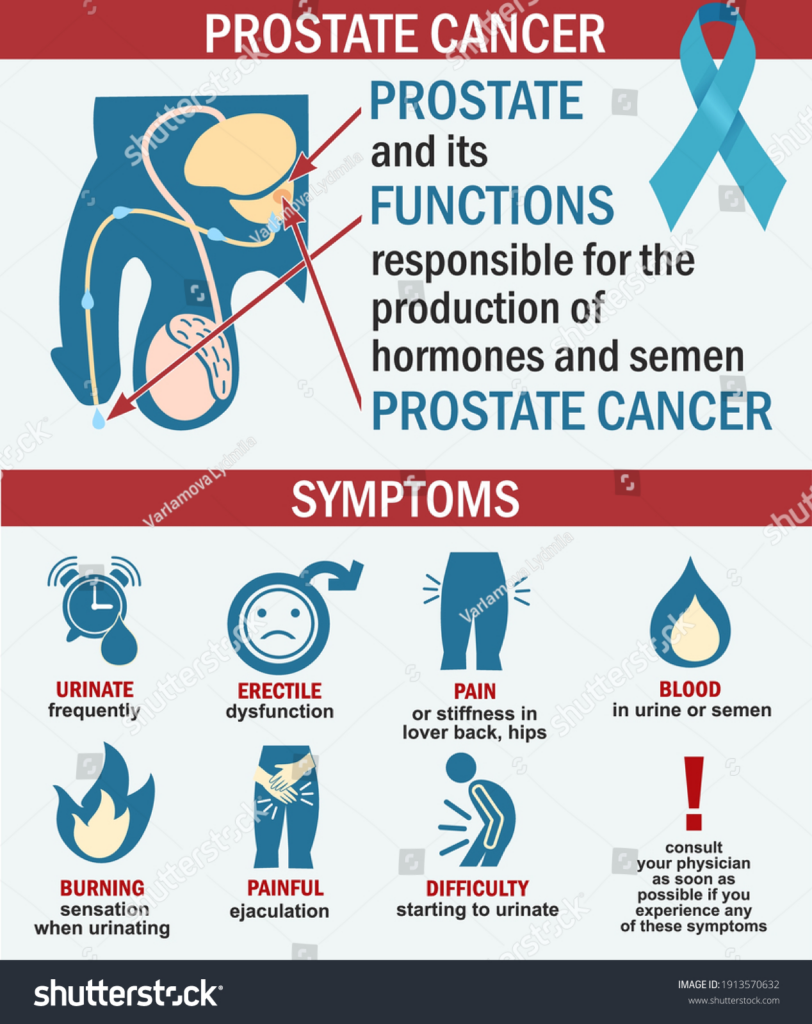
Prostate cancer symptoms can often go unnoticed, making it critical for men to be vigilant about their health. Common signs of prostate cancer include frequent urination, especially at night, difficulty starting urination, and blood in urine or semen. Recognizing these early symptoms of prostate cancer can lead to timely diagnosis and treatment, significantly improving outcomes. Prostate cancer awareness is essential, especially given the staggering statistic that one in eight men will face a prostate cancer diagnosis during their lifetime. Understanding how to identify the signs early can be vital in navigating the complexities of diagnosing prostate cancer and exploring available treatment options.
Men should be aware of the warning signs associated with prostate gland issues, as symptoms can vary widely. Urinary changes, pelvic discomfort, and sexual dysfunction can indicate underlying issues, including prostate malignancies. Being attuned to your body and any anomalies can aid in the early detection of prostate-related health concerns. While many individuals often dismiss these symptoms as merely common aging effects, recognizing and addressing them promptly can lead to better health decisions. Engaging in conversations about prostate health can significantly impact the success of early intervention and treatment.
Understanding Prostate Cancer Symptoms
Prostate cancer symptoms can vary significantly among individuals, and many might not experience any signs for years. Early symptoms of prostate cancer may include frequent urination, especially during the night, and difficulties starting urination. Some men may also experience a weak urine flow and extended time needed to complete urination. These symptoms often lead individuals to seek medical assistance, highlighting the importance of prostate cancer awareness among men of all ages.
Moreover, while these symptoms can raise concerns regarding prostate cancer, they may also stem from less severe conditions such as benign prostatic hyperplasia (BPH) or urinary tract infections. Understanding these signs is crucial as they are among the first indicators that may prompt a doctor’s visit for further evaluation. It is essential for men, particularly those over the age of 50, to recognize these symptoms and consult with their healthcare provider to rule out prostate cancer.
Diagnosing Prostate Cancer: What You Need to Know
Diagnosing prostate cancer involves a multi-faceted approach. Physicians often begin with a prostate-specific antigen (PSA) test, which measures the level of PSA in the blood. Elevated levels can indicate cancer, but they may also be influenced by other factors such as age, inflammation, or infection. Men should be aware that a high PSA reading does not automatically indicate prostate cancer; therefore, understanding the significance of PSA testing is essential in early detection.
In addition to the PSA test, doctors may utilize other diagnostic tools such as biopsies and imaging scans to confirm the diagnosis. A prostate biopsy, which involves taking a sample of prostate tissue, can provide definitive evidence of cancer. Early diagnosis is vital, as it often correlates with better treatment outcomes. Knowing the signs of prostate cancer and engaging in discussions about screening can significantly assist in timely detection.
Prostate Cancer Treatment Options Explained
When it comes to treating prostate cancer, various options are available depending on the stage and aggressiveness of the disease. For early-stage cancer that causes no symptoms, doctors might adopt a ‘watchful waiting’ approach. This strategy involves closely monitoring the cancer without immediate treatment, reserving intervention for when the disease shows signs of progression, allowing patients to avoid unnecessary side effects.
For more advanced cases, treatment options may include surgery, radiation therapy, and hormone therapy. Each treatment comes with its own set of potential benefits and risks. For instance, while surgery can be curative, it may also result in side effects such as incontinence or erectile dysfunction. Therefore, discussing individual circumstances and preferences with healthcare providers is crucial for making informed decisions regarding prostate cancer treatment.
The Importance of Prostate Cancer Awareness
Prostate cancer awareness is critical, particularly since it is the most common cancer among men in the UK. With roughly 55,000 new cases diagnosed each year, understanding the risks, symptoms, and the potentially life-saving role of early detection can empower individuals to take action. Awareness campaigns and educational resources aim to inform men about the importance of screening, especially for those at increased risk due to family history or ethnicity.
Increased awareness can prompt discussions among family members and encourage men to seek medical help when symptoms arise. Furthermore, public figures like Lord Cameron sharing their experiences with prostate cancer can inspire others to prioritize their health and undergo regular check-ups, thereby facilitating earlier detection and better outcomes for those diagnosed.
Risk Factors Associated with Prostate Cancer
Understanding the risk factors associated with prostate cancer is vital for awareness and prevention efforts. Age is the most significant risk factor, with men over 50 having a higher likelihood of developing the disease. Family history plays a crucial role, as having close relatives diagnosed with prostate cancer increases one’s risk. Additionally, ethnicity is a vital consideration; black men are statistically more likely to develop prostate cancer compared to men of other races.
Other factors, such as obesity and diet, have also been linked to an increased risk of prostate cancer. For instance, diets high in red meat and high-fat dairy products may contribute to a greater risk. By addressing these risk factors through lifestyle changes and regular screenings, men can take proactive steps towards reducing their risk and maximizing their chances for successful treatment should they face a diagnosis.
Common Myths about Prostate Cancer
Despite advancements in research and awareness, several myths about prostate cancer still persist. One common myth is that prostate cancer only affects older men. While age is indeed a significant risk factor, men under 50 can also be diagnosed, particularly if they have a family history or belong to a high-risk group. This misunderstanding can lead to complacency among younger men regarding their health.
Another prevalent myth is that all prostate cancers are aggressive and require immediate treatment. In reality, many prostate cancers grow slowly and may never cause significant harm, often requiring only monitoring rather than aggressive treatment. Addressing these myths through education and evidence-based information helps to empower men to make informed decisions about their health regarding prostate cancer.
Screening and Early Detection of Prostate Cancer
Currently, there is no universal screening program for prostate cancer in the UK, which poses challenges for early detection. The PSA test serves as a starting point for assessing risk, but its reliability is debated, as it can produce false positives and negatives. Therefore, understanding the nuances of prostate cancer screening is essential for recognizing when to seek a test, especially for those with risk factors.
The introduction of a targeted screening program could potentially benefit high-risk groups, such as men aged 45-69 with family histories of prostate cancer. With ongoing discussions regarding the effectiveness of an organized screening program, it is critical for individuals to be proactive about their health and engage in conversations with their doctors regarding the possibility of screening and early detection.
Living with Prostate Cancer: Patient Support and Resources
Living with prostate cancer can be a challenging journey that requires not only medical treatment but also emotional and psychological support. Patients often experience a spectrum of emotions, from fear and anxiety to hope and resilience. Connecting with support groups and resources can provide essential encouragement and information for those navigating their diagnosis and treatment options.
Organizations such as Prostate Cancer UK offer various resources, including online forums, helplines, and educational material, that can help patients and their families better understand prostate cancer. These resources play a crucial role in fostering a supportive community where individuals can share experiences and coping strategies, enabling them to maintain hope and manage the impacts of the disease.
Future Directions in Prostate Cancer Research
Research into prostate cancer continues to evolve, providing new insights into the disease and its treatment. Investigations are ongoing to identify genetic markers associated with prostate cancer, which could lead to more effective screening methods and personalized treatment plans. Additionally, advancements in imaging technology and biopsy techniques are enhancing diagnostic accuracy, allowing for better-targeted therapies.
As researchers explore innovative treatment options, concepts such as immunotherapy and precision medicine are gaining traction in the fight against prostate cancer. These newer approaches aim to utilize the body’s immune system to combat cancer cells specifically, thereby reducing side effects associated with traditional therapies. The future of prostate cancer research holds promise, with an emphasis on improving outcomes and quality of life for patients.
Frequently Asked Questions
What are the early symptoms of prostate cancer that men should watch for?
The early symptoms of prostate cancer can include frequent urination, particularly at night, difficulty starting or maintaining urination, a weak urine flow, and the presence of blood in urine or semen. It’s vital for men experiencing these symptoms to consult a healthcare provider for assessment.
What are the signs of prostate cancer that indicate a need for further testing?
Signs of prostate cancer may include persistent pain in the pelvis, lower back, or hips; unexplained weight loss; fatigue; and changes in urination patterns. If you notice these symptoms, particularly if combined with the common symptoms, you should seek medical advice to discuss diagnostic options.
How does prostate cancer awareness affect early diagnosis and treatment?
Prostate cancer awareness plays a crucial role in encouraging men to recognize symptoms and seek early evaluation. Increased awareness can lead to earlier detection, which is linked to more effective treatment options and improved outcomes for patients.
What are the common treatments for prostate cancer once diagnosed?
Common treatment options for prostate cancer include watchful waiting for non-aggressive cases, surgery, radiation therapy, hormone therapy, and newer methods like cryotherapy and high-intensity focused ultrasound. The treatment plan will depend on cancer stage, aggressiveness, and patient health.
How is diagnosing prostate cancer typically performed?
Diagnosing prostate cancer often involves a combination of tests, including a prostate-specific antigen (PSA) blood test, digital rectal exams, imaging studies like MRIs, and biopsies to examine tissue samples. No single test definitively diagnoses prostate cancer.
What should men know about screening for prostate cancer and the potential benefits?
Men, especially those over 50 or with a family history, should be aware of prostate cancer screening methods like the PSA test. Screening can help detect cancer early, potentially leading to better treatment outcomes, although it is essential to evaluate the benefits versus the possible risks of over-diagnosis.
| Key Points | |
|---|---|
| What is Prostate Cancer? | Prostate cancer involves abnormal cell growth within the prostate gland, often developing slowly without symptoms for years. |
| Symptoms of Prostate Cancer | Frequent urination, difficulty starting urination, weak flow, blood in urine or semen. |
| Diagnosis | Diagnosis involves PSA blood tests, scans, and biopsies, but no single test is definitive. |
| Popularity of Screening | Currently, no universal screening program exists in the UK, although discussions are ongoing about targeted screening for at-risk groups. |
| Treatment Options | Treatment may include monitoring, surgery, radiotherapy, hormone therapy, cryotherapy, or high-intensity focused ultrasound. |
Summary
Prostate cancer symptoms can vary widely, and early detection remains crucial for effective treatment. Symptoms such as frequent urination, difficulty starting urination, weak flow, and the presence of blood in urine or semen should prompt immediate medical evaluation. Being aware of these warning signs and understanding the need for regular check-ups can significantly impact outcomes. As prostate cancer is the most common cancer among men in the UK, increased awareness and proactive screening can lead to better health management.