Listen to this article
Addiction stigma continues to be a pervasive obstacle for many individuals seeking help for their struggles with alcohol, drugs, or gambling dependencies. The Princess of Wales, Catherine, has passionately called for an end to this stigma, emphasizing the importance of offering empathy and support to those in need. As patron of The Forward Trust charity, she highlights that while significant strides have been made in addiction awareness and understanding, fear and judgment still hinder recovery for countless people. By addressing the complex relationship between mental health and addiction, we can foster a more compassionate society that encourages individuals to come forward and seek the assistance they deserve. With addiction awareness being more crucial than ever, we must unite to change public perception and support those suffering from these challenging conditions.
The term ‘addiction stigma’ encompasses the negative stereotypes and misconceptions surrounding substance use disorders and related dependencies. Often referred to as societal prejudice towards individuals with behavioral conditions, this stigma not only perpetuates feelings of shame but also creates significant barriers to treatment. Public attitudes can lead to isolation and discrimination, making it difficult for those struggling to find the necessary addiction support. As we advocate for a more empathetic approach to addiction, it is vital to recognize that these struggles often intersect with broader mental health issues. Embracing understanding and promoting awareness can help dismantle harmful perceptions, paving the way for recovery and healing.
Understanding Addiction: Breaking the Cycle of Stigma
Addiction is a multifaceted issue that affects individuals from all walks of life. Despite growing awareness, many still associate addiction with shame and judgment, failing to recognize it as a legitimate health concern. The stigma surrounding addiction not only isolates individuals but also inhibits their journey to recovery. Catherine, the Princess of Wales, emphasizes the importance of empathy and understanding. She highlights that addiction is not a reflection of a person’s morals or character but rather a complex mental health condition requiring community support and awareness to address effectively.
Ending the stigma surrounding addiction starts with educating ourselves and the public about the realities of substance abuse, gambling, and other dependencies. Organizations like The Forward Trust play a crucial role in challenging misconceptions and promoting addiction support initiatives. By fostering open conversations about addiction, we can dismantle the fears that hold individuals back from seeking help and encourage a more compassionate dialogue. This shift in mindset is vital, as Catherine underscores, not just for individuals battling addiction, but for families and communities as well.
The Role of Empathy in Supporting Those with Addictions
Empathy is key when supporting individuals struggling with addiction. As Catherine highlighted, addiction is often accompanied by fear and shame, making it critical for loved ones and communities to approach those affected with compassion rather than judgment. Understanding that addiction is a condition, not a choice, allows us to offer the supportive environment necessary for recovery. This involves listening without prejudice, validating the experiences of those affected, and encouraging them to seek help from appropriate resources like The Forward Trust.
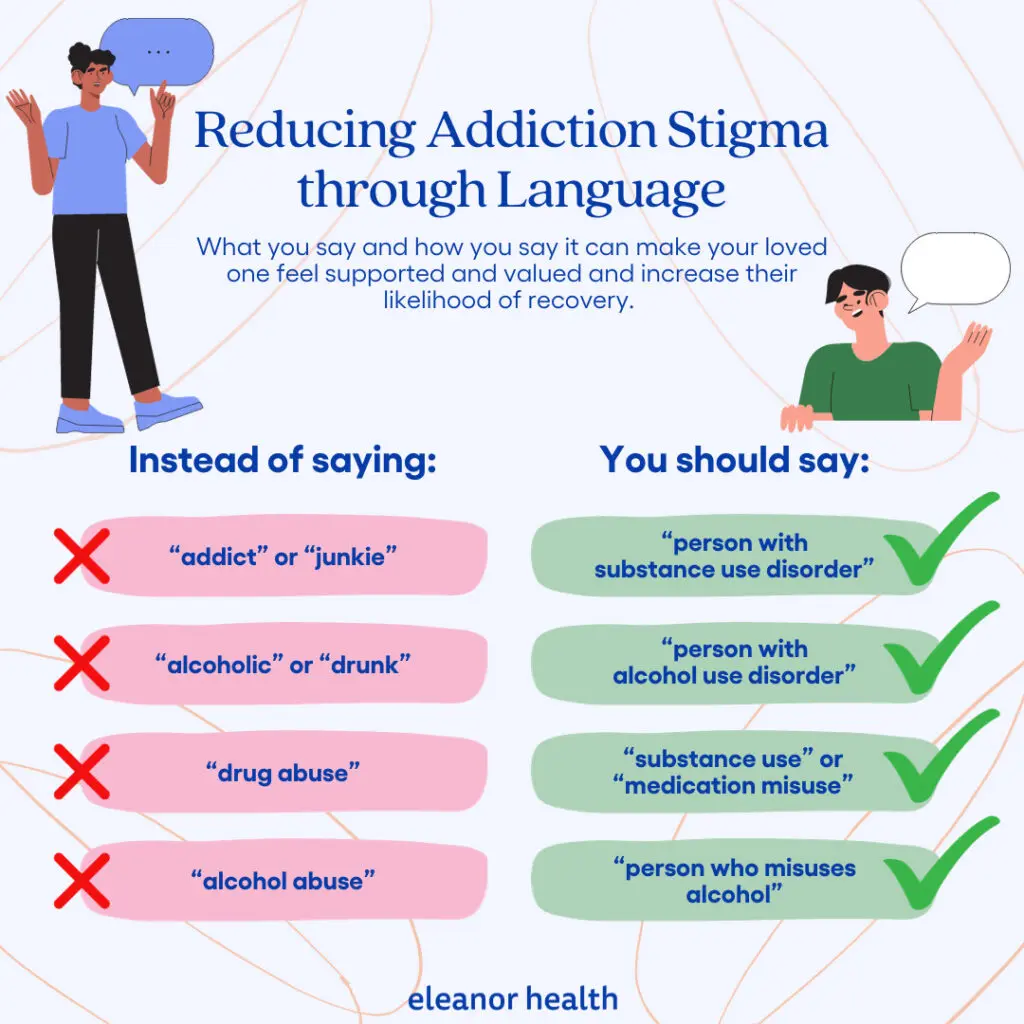
Furthermore, fostering empathy can significantly change how society views addiction. When we collectively move away from stigmatizing language and attitudes, we pave the way for individuals to feel safe and accepted as they navigate their recovery journey. Programs that promote empathy in addiction, like those initiated by The Forward Trust, empower communities to act as a support network, helping to break down barriers that often prevent individuals from seeking the help they need.
Addiction Awareness Week: A Call for Compassionate Engagement
Addiction Awareness Week, initiated by Catherine in 2021, serves as a platform to elevate discussions surrounding addiction and its impact on individuals and families. This annual event emphasizes the necessity for open dialogues about the struggles of addiction and the ways in which society can lend support. According to Catherine, bringing these issues ‘out of the shadows’ not only helps those directly impacted but also fosters an environment where constructive, non-judgmental conversations can take place. This year’s campaign, emphasizing empathy and action, seeks to unify communities in their approach to addiction.
The Forward Trust’s involvement in Addiction Awareness Week is pivotal, as the charity works to provide vital addiction support and develop programs aimed at recovery. They educate the public on the complexities of addiction, advocating for a more informed and empathetic approach. By participating in events like this, we can contribute to a larger cultural shift that encourages understanding and encourages individuals to reach out for help without fear of ridicule or stigma.
Compassion Over Judgment: Changing Perceptions of Addiction
Catherine’s poignant messages underscore the need for a compassionate approach to addiction. By steering the conversation away from judgment and toward understanding, we can work towards eliminating misconceptions that have long plagued the narrative surrounding addiction. Many individuals facing addiction often bear the weight of stigma alone, fearing societal rejection. Catherine’s advocacy invites a broader discussion on how individuals and communities can embrace a more nurturing and supportive environment that encourages recovery efforts.
Moreover, emphasizing compassion transforms how we engage with those affected by addiction. Initiatives that spotlight empathy, like those championed by The Forward Trust, have the potential to shift attitudes significantly. When communities make a concerted effort to establish safe spaces where individuals can openly discuss their struggles, it shifts the focus from blame to understanding, ultimately fostering a more supportive network for recovery.
The Importance of Open Dialogue in Addressing Addiction
Catherine’s call for open dialogue around addiction reflects a crucial step in combatting the sociocultural stigma associated with it. Open conversations foster understanding, allowing people to share their experiences without fear of shame or judgment. By discussing addiction openly, we can educate the public on its complexities and the support available through organizations like The Forward Trust, which further promotes recovery and healing.
Encouraging dialogue also serves to normalize conversations about mental health and addiction, breaking down barriers that perpetuate silence and isolation. By inviting everyone to participate in discussions regarding addiction, we foster acceptance and build robust support systems. This collective effort can significantly enhance recovery outcomes, demonstrating that open communication is a powerful tool in combating addiction’s harmful stigma.
Empowering Families Affected by Addiction
Families play a vital role in the recovery journey of individuals facing addiction. Catherine emphasizes that it is essential for family members to educate themselves about addiction and mental health to stand by their loved ones effectively. Organizations like The Forward Trust offer resources that empower families with knowledge, ensuring they can provide the necessary emotional and practical support to those in need.
Moreover, understanding the impact of addiction on families is crucial for fostering a supportive environment. Many family members also experience feelings of shame and helplessness, often mirroring the stigma faced by their loved ones. By breaking this cycle of silence and fear, families can unite to create a compassionate support network that champions recovery and demonstrates love and acceptance in the face of adversity.
The Need for Increased Awareness Around Gambling Addiction
While much attention is often given to substance abuse, gambling addiction presents its own set of challenges that require public awareness and support. Catherine’s recognition of gambling as an addiction that needs serious discussion highlights the versatility of addiction’s forms and the necessity for tailored support initiatives. The Forward Trust’s advocacy for recognizing gambling addiction within the framework of addiction awareness is a crucial step toward addressing this often-overlooked area.
Increased awareness allows communities to understand the severity of gambling addiction, reducing the stigma associated with it. With informed discussions, individuals who struggle with gambling can feel empowered to seek the help they need. By aligning resources and support systems to address gambling addiction specifically, we can create a more holistic approach to addiction recovery that considers the myriad ways in which addiction can impact lives.
Collaborative Efforts in the Fight Against Addiction
Catherine’s partnership with The Forward Trust highlights the importance of collaboration in addressing addiction challenges. By working with organizations that have a deep understanding of addiction support, we can develop more effective solutions to combat addiction’s far-reaching effects. Collaborative efforts ensure that individuals in need receive comprehensive support, considering the various aspects of addiction, from mental health considerations to practical recovery services.
Furthermore, collaboration fosters an environment where diverse perspectives can contribute to a unified goal: reducing the stigma around addiction and enhancing recovery opportunities. As professionals, families, and communities come together to address addiction, they create a unified front that can enact meaningful change, demonstrating that collective action is essential for improvement.
The Impact of Public Figures in Shaping Addiction Awareness
Public figures like Catherine can profoundly influence societal attitudes toward addiction. By using their platform to advocate for addiction awareness and support, they can challenge harmful stereotypes and promote empathy. Catherine’s efforts to highlight addiction during public discussions help normalize the conversation and inspire others to be more compassionate in their approach. This visibility is critical for expanding the reach of addiction support initiatives and encourages all individuals to engage in these pressing conversations.
Additionally, when public figures share their knowledge or personal experiences related to addiction, they create relatable narratives that resonate with the public. This helps dismantle the stigma and encourages others to seek help or offer support to those in need. The collective voice of influential individuals calling for change in attitudes surrounding addiction can lead to significant shifts in public perception, ultimately benefiting those who struggle with addiction.
Frequently Asked Questions
What is addiction stigma and why is it a concern?
Addiction stigma refers to the negative perceptions and discriminatory attitudes toward individuals struggling with addiction, often seen as a moral failing rather than a mental health issue. This stigma can significantly hinder individuals from seeking help, worsening their conditions and affecting their recovery. Ending this stigma is crucial for fostering empathy and support, as highlighted by figures like Catherine, the Princess of Wales.
How does Catherine promote empathy in addiction support?
Catherine, Princess of Wales, emphasizes the importance of empathy in addiction support by calling for understanding rather than judgment. During Addiction Awareness Week, she encourages the public to recognize addiction as a complex mental health condition. Her role as patron of The Forward Trust showcases her commitment to breaking the cycle of addiction and promoting compassionate responses to those affected.
What role does The Forward Trust charity play in fighting addiction stigma?
The Forward Trust charity plays a vital role in fighting addiction stigma by providing support services and promoting awareness about the challenges individuals with addiction face. Under Princess Catherine’s patronage, the charity focuses on breaking the stigma surrounding addiction, encouraging open dialogue, and highlighting that recovery is possible with the right support and treatment.
How can society change its perception of addiction and reduce stigma?
Society can change its perception of addiction and reduce stigma by fostering open conversations, educating the public on the nature of addiction as a mental health issue, and promoting stories of recovery and personal experiences. Leaders like Catherine highlight the negative impact of stigma on families and communities, advocating for empathy and support to create a more accepting environment.
What connection exists between mental health and addiction stigma?
There exists a strong connection between mental health and addiction stigma, as both issues are often misunderstood and marginalized. Catherine emphasizes that addiction is a complex condition linked to mental health, and addressing stigma in both areas requires compassion and support for those seeking help. By uniting these narratives, awareness can be raised, and individuals can be encouraged to seek the support they need.
What primary message does Catherine convey regarding addiction during awareness initiatives?
Catherine’s primary message during addiction awareness initiatives is one of empathy and support. She stresses that addiction should not be viewed through the lens of shame or judgment but recognized as a serious mental health condition. By calling for conversations and understanding, she aims to help bring addiction issues out of the shadows and promote healing and recovery.
Why is it important to address addiction stigma in our communities?
Addressing addiction stigma in our communities is crucial because it encourages individuals to seek help without fear of shame or judgment. Stigmatization perpetuates isolation and suffering, making recovery more challenging. By creating an environment of understanding and support, as championed by Catherine and The Forward Trust, communities can foster healthier responses to addiction and improve the overall well-being of those affected.
What can individuals do to support those facing addiction and combat stigma?
Individuals can support those facing addiction and combat stigma by offering open, non-judgmental communication, educating themselves about addiction, and encouraging affected individuals to seek help. Aligning with campaigns like those led by Catherine and The Forward Trust, communities can actively engage in discussions about addiction and create safer spaces for recovery.
How did Catherine’s past work influence her approach to addiction stigma?
Catherine’s past work in mental health has greatly influenced her approach to addiction stigma. Her advocacy for mental health awareness informs her perspective that addiction is interconnected with mental health issues. By recognizing addiction as a complex condition requiring empathy and support, Catherine synthesizes her experiences and promotes a compassionate approach toward those struggling.
What impact does addiction stigma have on recovery?
Addiction stigma can have a profound impact on recovery, often deterring individuals from seeking the help they need. It contributes to feelings of shame and isolation, making it difficult for them to engage with support services. Prominent advocates like Catherine stress that overcoming stigma is essential for facilitating recovery, as compassionate and empathetic support leads to better outcomes for those in need.
| Key Point | Details |
|---|---|
| Catherine’s Call | Princess Catherine urges the end of addiction stigma and promotes empathy. |
| Addiction Awareness Week | Commemorated from November 23 to November 30, emphasizing addiction understanding. |
| Role of The Forward Trust | Catherine is the patron of The Forward Trust, which aims to break the cycle of addiction. |
| Addiction as Mental Health Condition | Catherine highlights addiction as a complex condition needing empathy, not judgment. |
| Importance of Open Dialogue | Encouragement to discuss addiction openly to foster understanding and support. |
| Compassion in Recovery | Recovery is achievable through conversation, support, and appropriate treatment. |
| Tony Adams’ Story | Former athlete shares his experience with addiction and the importance of seeking help. |
| Services Offered by Trust | The Forward Trust provides employment assistance and addresses addictions in prisons. |
| Catherine’s Continued Advocacy | Catherine has a history of supporting addiction-related issues and mental health awareness. |
Summary
Addiction stigma continues to be a significant barrier for individuals seeking help for their dependencies. Princess Catherine calls for empathy, understanding, and action during Addiction Awareness Week, emphasizing that addiction is not a personal failure but a complex mental health condition. Through initiatives like this and the support of organizations such as The Forward Trust, there is hope for a future where stigma is reduced and recovery is made more accessible. Compassion and open conversations are crucial in helping those affected by addiction find the support they need.