
Listen to this article
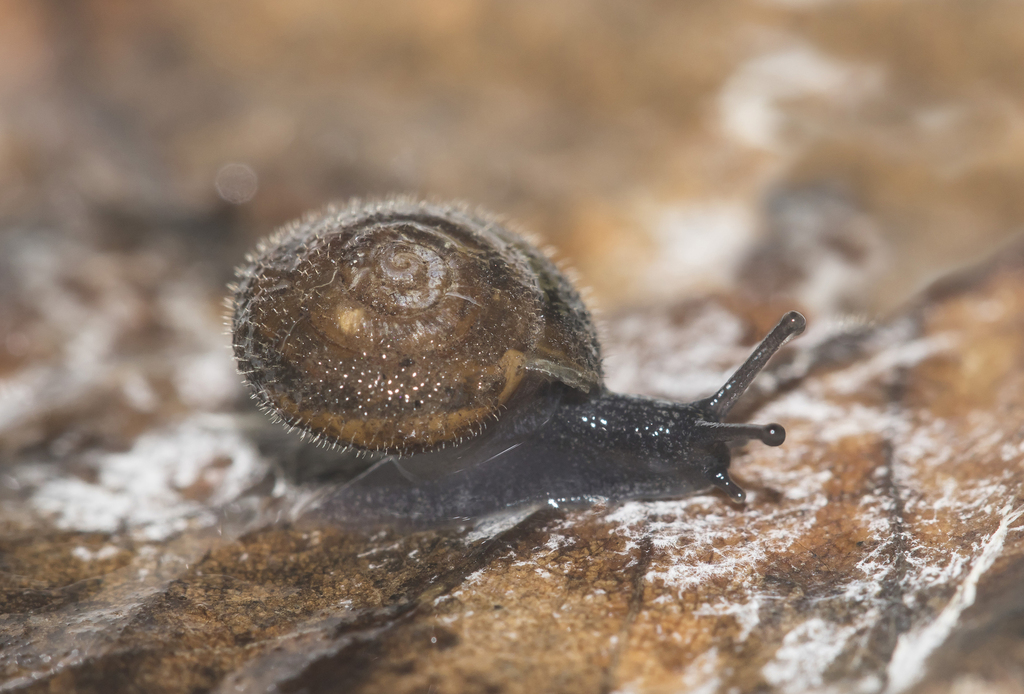
The German hairy snail, known scientifically as Pseudotrichia rubiginosa, is one of Britain’s most endangered molluscs, capturing the attention of conservationists and citizen scientists alike. With its fingernail-sized body and unique fine hairs, this tiny creature plays a crucial role in the biodiversity of the Thames River wildlife ecosystem. Recent conservation efforts have seen over 100 volunteers banding together to comb the banks of the Thames, searching for this elusive species and furthering the goals outlined in the biodiversity action plan. Recognized for its historical presence, dating back to the Neolithic period, the German hairy snail is not just a fascinating subject of study; it represents the ongoing plight of endangered molluscs and the need for effective habitat protection. As these citizen scientists delve into their mission, they shed light on the importance of preserving the delicate balance of life along this vital waterway.
The Pseudotrichia rubiginosa, colloquially referred to as the German hairy snail, is a diminutive yet significant component of aquatic ecosystems. This charming shell-dweller, characterized by its unique hairy appearance, raises awareness about the vulnerability of various mollusc species in the UK and beyond. Organizations like Citizen Zoo and the Zoological Society of London emphasize the importance of community involvement in conservation, rallying volunteer efforts to ensure the survival of species echoing through the ages. By understanding the intricacies of this tiny snail’s habitat preferences and ecological roles, we enhance our strategies aimed at improving the health of the Thames, all while engaging passionate individuals eager to contribute to the ongoing conservation narrative.
The Importance of Conserving Endangered Molluscs
Conservation efforts for endangered molluscs like the German hairy snail are crucial for maintaining ecological balance. These tiny creatures play significant roles in their habitats, contributing to nutrient cycling and serving as indicators of environmental health. Molluscs, often overlooked, represent a diverse group that can reveal much about the health of freshwater systems. As conservationists focus on the protection of species typically associated with larger animals, the plight of molluscs like the German hairy snail often gets sidelined, despite their vulnerability to habitat loss and pollution.
In the Thames River, the survival of the German hairy snail does not just indicate the species’ health but also reflects the overall health of the river ecosystem. As citizen scientists and experts join forces to protect these creatures, their collaborative efforts are essential in raising awareness and fostering a sense of responsibility toward biodiversity. Through monitoring programs and habitat restoration, there is hope for this mollusc and many others classified as endangered, which will require comprehensive conservation strategies involving local communities.
Citizen Scientists: Heroes in Conservation
The role of citizen scientists has become increasingly significant in conservation efforts, especially in urban environments like London. Volunteers are not only helping to collect valuable data on species like the German hairy snail but are also fostering a greater connection to local wildlife. Programs initiated by organizations such as Citizen Zoo and the Zoological Society of London encourage people from all walks of life to participate in monitoring endangered species, thereby democratizing science and making it more inclusive.
Engaging citizen scientists in projects like the search for the German hairy snail not only contributes to scientific research but also nurtures an appreciation for biodiversity. By physically participating in these surveys along the Thames, volunteers experience firsthand the beauty of the natural world that often goes unnoticed in busy city life. This hands-on approach empowers communities to advocate for conservation efforts, creating a ripple effect that amplifies the impact of biodiversity action plans.
Restoration Efforts Along the Thames River
Restoration efforts along the Thames River are vital for ensuring the survival of unique species, including the German hairy snail. Addressing factors such as habitat destruction, pollution, and riverbank reinforcement, various conservation groups are implementing strategies designed to revitalize the river’s ecosystems. These restoration initiatives involve collaboration among multiple stakeholders, including local authorities, environmental organizations, and citizen scientists committed to safeguarding London’s natural heritage.
The integration of community involvement is critical for the long-term sustainability of these efforts. By fostering a deeper understanding of the ecological challenges that the Thames faces, residents are more likely to support and participate in biodiversity action plans. Each successful restoration project not only benefits molluscs like the German hairy snail but also enhances green spaces for the broader community, promoting a healthier urban environment for both people and wildlife.
Biodiversity Action Plans: A Focus on Local Wildlife
Biodiversity action plans (BAPs) play a crucial role in preserving endangered species and maintaining healthy ecosystems. The plan for London particularly emphasizes the need to protect fragile species like the German hairy snail, outlining specific strategies aimed at conservation and habitat management. These plans are framed around scientific research and community engagement, ensuring that actions taken are both effective and relevant to local environmental conditions.
Incorporating local wildlife assessments into biodiversity action plans encourages greater public participation in conservation. People begin to recognize their local ecosystems’ rich diversity, learning about the roles that species like the German hairy snail play within those environments. By involving community members and promoting education about these species’ significance, BAPs facilitate a sense of ownership and stewardship over nature, ultimately leading to more robust conservation outcomes.
The Role of Expert Conchologists in Conservation
Expert conchologists are instrumental in the conservation of endangered molluscs such as the German hairy snail. Their deep understanding of snail taxonomy and ecology allows them to assess populations accurately and recommend appropriate conservation strategies. Through meticulous research and hands-on surveys, conchologists can gather critical data that help shape biodiversity action plans and ensure that these unique species are monitored effectively.
The collaboration between conchologists and citizen scientists enhances the potential for successful conservation outcomes. By training volunteers to recognize and record sightings of the German hairy snail, conchologists expand the reach of science and create a more informed public. Their expertise not only aids in data collection but also serves as a means to inspire others to appreciate and protect the often-overlooked molluscs that contribute to our ecological heritage.
Moisture Retention: The Habitat of the German Hairy Snail
The German hairy snail is uniquely adapted to its environment, with fine hairs on its shell that help it retain moisture—crucial for survival in its habitat along the Thames. Understanding these adaptations not only highlights the marvels of evolution but also emphasizes the importance of conserving the natural habitats that support such specialized species. This mollusc typically thrives in damp areas near the riverbanks and indicates a healthy, balanced ecosystem.
Preserving the moist environments where the German hairy snail flourishes is essential for its survival and the greater biodiversity of the Thames River. Conservation efforts that focus on maintaining clean waterways and lush green spaces contribute directly to the mollusc’s survival. Habitat restoration, pollution management, and public support are pivotal in creating the conditions necessary for this charming species and others like it to thrive in the future.
The Ecological Significance of the German Hairy Snail
The German hairy snail may be small, but its presence is indicative of a healthy ecosystem. As a part of the food web, these molluscs provide sustenance for various predators while also assisting in nutrient cycling within their habitats. Their existence highlights the interconnectedness of life in the Thames River, showing how preserving even the smallest species contributes to the vitality of the overall ecosystem.
As experts conduct surveys and citizen scientists participate in monitoring efforts, the German hairy snail’s role within the larger context of biodiversity becomes clearer. These tiny creatures remind us that every species, regardless of size, plays a significant role in maintaining the balance of natural environments. Protecting this mollusc helps safeguard a plethora of wildlife that relies on the rich biodiversity of the Thames and its tributaries.
Challenges Facing the German Hairy Snail
The German hairy snail faces numerous challenges, which have led to its designation as an endangered species. Key threats include habitat loss due to urban development, pollution from agricultural runoff, and climate change impacting moisture levels in its environment. As the snail’s habitat becomes fragmented, its populations become increasingly isolated, making it more challenging for them to thrive.
Addressing these challenges requires a concerted effort from individuals, conservation groups, and policymakers. Restoration initiatives aimed at mitigating pollution and enhancing habitats are vital components of a comprehensive conservation strategy. By understanding the specific issues affecting the German hairy snail, we can create targeted action plans that will help ensure its survival for generations to come.
Citizen Engagement in Biodiversity Conservation
Citizen engagement plays a pivotal role in biodiversity conservation, especially for species like the German hairy snail that require active monitoring and protection. Through community involvement in projects like the Thames survey, individuals become invested in their local ecosystems and understand the critical importance of protecting biodiversity. Education initiatives not only empower the public with knowledge but also foster a sense of stewardship over local wildlife.
Establishing a substantial volunteer base can directly impact conservation efforts’ effectiveness, enabling larger-scale monitoring and restorative projects to take place. As citizen scientists collect data and participate in conservation activities along the Thames, they contribute to a broader movement that underscores the importance of every species, no matter how small, in maintaining a balanced ecosystem.
Frequently Asked Questions
What is the German hairy snail and why is it considered an endangered mollusc?
The German hairy snail, scientifically known as Pseudotrichia rubiginosa, is a tiny species of mollusc that measures about the size of a fingernail. It has fine hairs on its shell believed to help it retain moisture. This species is considered endangered due to its limited habitat along the tidal Thames and declining population, making conservation efforts critical for its survival.
How are citizen scientists contributing to the conservation of the German hairy snail?
Citizen scientists are playing a vital role in the conservation of the German hairy snail by joining coordinated searches to locate this endangered mollusc along the Thames River. By collecting data and increasing public awareness, they support conservation efforts aimed at protecting this species and its habitat, which is essential for the success of biodiversity action plans in London.
Where can the German hairy snail be found in London?
The German hairy snail is primarily found along the tidal Thames and its tributaries, such as the River Lea. Recent surveys have successfully identified populations of this elusive mollusc in areas like Kew, Richmond upon Thames, and Isleworth Ait. These locations are crucial for the species as they represent some of the remaining natural habitats.
What role does the German hairy snail play in the biodiversity action plan for London?
The German hairy snail is considered a priority species in the London biodiversity action plan. Its conservation is essential not only for maintaining the ecological diversity along the Thames River but also for safeguarding the wider health of riverbank ecosystems. Protecting this unique mollusc contributes to efforts aimed at preserving the overall biodiversity of the region.
What are the threats facing the German hairy snail and how can they be mitigated?
The German hairy snail faces several threats, including habitat loss due to urban development, pollution, and changes in river management. Mitigation strategies include habitat restoration, effective pollution management, and possibly relocating populations to enhance genetic diversity. These measures are vital to ensure the future survival of this endangered mollusc in its natural habitat.
How do conservationists measure the success of their efforts to protect the German hairy snail?
Conservationists assess the success of their efforts to protect the German hairy snail by conducting regular surveys to monitor its population and distribution. They also evaluate the health of its habitats and the effectiveness of restoration initiatives. Collaborations with citizen scientists and local organizations aid in gathering valuable data to inform ongoing conservation actions.
Why is the German hairy snail considered a charming part of Thames River wildlife?
The German hairy snail is viewed as a charming part of Thames River wildlife due to its unique appearance and ecological role. With its fine hairy shell and small size, it captures the interest of both researchers and the public. The successful identification and protection of this species highlight the rich biodiversity that exists along the Thames and encourages community involvement in conservation efforts.
| Key Point | Details |
|---|---|
| Species Name | German hairy snail (Pseudotrichia rubiginosa) |
| Size | About the size of a fingernail |
| Habitat | Primarily found along the tidal Thames and its tributaries |
| Conservation Status | Endangered in the UK, with populations fragmented |
| Characteristics | Tiny and covered with fine hairs on its shell to retain moisture |
| Surveys | Conducted by Citizen Zoo and ZSL with over 100 volunteers |
| Historical Presence | Fossilized remains indicate presence since the Neolithic period |
| Conservation Efforts | Focus on habitat restoration and pollution management |
Summary
The German hairy snail is an intriguing species that brings attention to the rich biodiversity found in urban areas like London. This tiny mollusc, which can easily be overlooked, plays a crucial role in the ecosystem by thriving in unique habitats along the River Thames. As conservation efforts are ramped up, the significance of protecting the German hairy snail and its environment becomes ever more apparent, ensuring that future generations can also appreciate this remarkable part of London’s natural heritage.