
Listen to this article
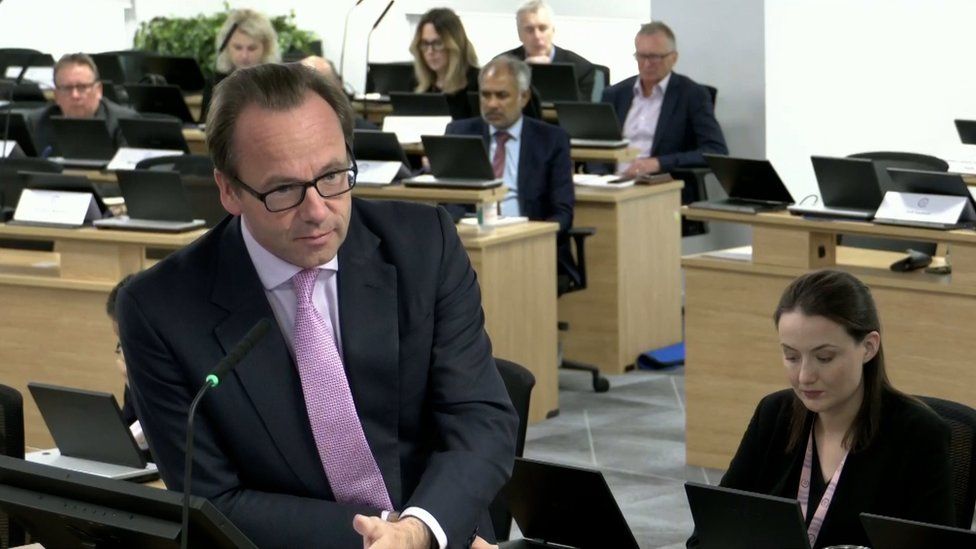
The Covid Inquiry is set to delve into crucial economic measures implemented during the pandemic as it enters its significant third stage. Focused on understanding the UK government support mechanisms like the furlough scheme and business loans, this inquiry seeks to evaluate their effectiveness and societal impact. With £140 billion spent on various forms of economic intervention, the hearings promise to shed light on the government’s response, underscored by critical assessments of potential fraud and wastage. As key figures from across the political spectrum step forward to present testimonies, the importance of this inquiry in shaping future policies cannot be overstated. Stakeholders and public alike are keenly awaiting findings that will ultimately affect how similar crises are managed in the future.
As the investigation into pandemic management unfolds, the inquiry into Covid-19—pertained to various government interventions—aims to scrutinize support systems designed during an unprecedented public health crisis. Through evaluating financial reliefs such as the job retention efforts and loans granted to businesses, this critical examination will assess the strategies employed to mitigate economic fallout. Additionally, this exploration will encompass discussions on how these support measures were perceived and their broader implications for public trust and community resilience. The necessity of learning from past responses to crises becomes apparent as the inquiry progresses, demonstrating how vital transparency and accountability are for robust policy formation. Ultimately, it seeks to foster a dialogue on preparedness in the face of future health emergencies.
Understanding the Covid Inquiry: Purpose and Scope
The Covid Inquiry is a significant undertaking aimed at assessing the UK’s response to the pandemic, specifically focusing on the measures implemented to support businesses and workers during crises. By examining the effectiveness of economic interventions such as the furlough scheme and various business loans, the inquiry seeks to evaluate what strategies worked and where improvements are necessary. The investigation will address the extensive financial support allocated by the government, which totaled approximately £140 billion, highlighting both the speed of implementation and concerns regarding waste and fraud.
In its third phase, the Covid Inquiry will delve into ten critical areas, analyzing the impact of schemes like the Coronavirus Job Retention Scheme, which provided substantial wage support to millions. It aims not only to document the financial measures taken but also to gather insights into how these interventions influenced worker employment levels and overall economic stability during the pandemic. An important aspect of this inquiry will be gaining perspectives from experts and individuals affected by these policies, providing a comprehensive view of the challenges faced.
The Role of Furlough and Business Loans in Economic Recovery
The furlough scheme became a lifeline for many businesses across the UK, particularly in sectors such as hospitality and travel, which were severely impacted by lockdown regulations. This support allowed employers to retain staff by subsidizing wages when operations were halted, preventing mass unemployment. Simultaneously, business loans provided critical funding for companies to navigate through the unprecedented economic disruption caused by Covid-19. Such financial support mechanisms not only helped maintain employment levels but also facilitated a quicker recovery as restrictions were eased.
However, as the inquiry progresses, it will scrutinize the effectiveness of these financial measures, questioning whether they were adequate and timely enough to meet the urgent needs of businesses and their employees. Issues such as potential delays in accessing funds or shortcomings in safeguarding against fraudulent claims are pivotal to the inquiry’s findings. By understanding both the successes and failures of these programs, the inquiry can inform future policies and ensure improved preparedness for future crises.
Evaluating the UK Government’s Economic Support Measures
The UK government’s response to the economic fallout from the pandemic included a variety of measures designed to provide immediate relief and support for both individuals and businesses. Through initiatives like the furlough scheme and targeted business loans, the government injected crucial funds into the economy at a time when many sectors faced complete shutdown. This rapid deployment of resources played a vital role in mitigating the adverse effects of the pandemic on employment and business continuity.
Despite the initial success of these support measures, critiques have emerged regarding their long-term sustainability and effectiveness. The inquiry is set to investigate whether these economic interventions not only aided in immediate relief but also fostered a recovery that could withstand future fluctuations. By analyzing the thoroughness and execution of these support schemes, the inquiry aims to draw lessons that can guide the government in crafting more robust economic strategies for any future emergencies.
Impacts of the Furlough Scheme on Labor Market Dynamics
The furlough scheme was particularly significant in stabilizing the labor market during the peak of the pandemic, temporarily protecting millions of jobs from being lost. This initiative marked one of the largest public interventions in the UK economy, allowing employees to receive a portion of their wages even when businesses were forced to close. The success of the furlough scheme demonstrated the government’s commitment to protecting worker incomes and sustaining business viability through unprecedented challenges.
However, the reliance on such programs also raised questions about labor mobility and long-term employment. Critics have pointed out that extensive use of the furlough scheme may have delayed individuals’ return to the job market, hindering their ability to seek new opportunities. The inquiry will explore these dynamics, aiming to provide insights into how similar interventions can be optimized in future scenarios to balance immediate economic support with fostering a resilient labor market.
Addressing Fraud and Mismanagement in Covid Economic Response
As the scrutiny of the Covid Inquiry unfolds, one of the crucial aspects under examination is the risk of fraud and mismanagement associated with the economic support measures implemented by the UK government. Due to the urgency and scale of these initiatives, there have been claims of significant instances of fraudulent applications, particularly concerning the furlough scheme and business loans. The government will be held accountable for how they addressed these vulnerabilities and whether adequate safeguards were put in place to prevent misuse of funds.
This inquiry phase will investigate not only individual cases of fraud but also the broader implications of mismanagement in the distribution of funds. By highlighting these issues, the inquiry hopes to set a precedent for future policies, ensuring that lessons are learned to enhance the integrity of economic interventions. Establishing a diligent framework for accountability and transparency will be crucial in maintaining public trust in government support measures.
Lessons Learned from Economic Interventions During the Pandemic
The wealth of evidence and testimonies collected during the Covid Inquiry will serve as a critical resource for understanding the effectiveness of economic interventions during the pandemic. By dissecting the successes and shortcomings of the furlough scheme and business loans, the inquiry aims to distill key lessons that can inform government responses to future economic challenges. This is particularly important in light of ongoing discussions regarding the adequacy of existing support frameworks in adapting to new crises.
Moreover, the inquiry will evaluate the planning and preparedness of governmental bodies in the face of such widespread economic disruption. By establishing how decisions were made under pressure, the inquiry seeks to identify best practices for creating responsive support systems. Ultimately, these insights will be essential for developing resilient economic policies that prioritize worker support and business continuity in future public health emergencies.
Expert Testimonies and Their Role in the Covid Inquiry
Expert testimonies form a substantial component of the ongoing Covid Inquiry, providing in-depth analysis and perspectives on the government’s economic response during the pandemic. Key figures, including economic policy analysts and former officials, are expected to present valuable insights regarding the efficacy of support measures such as the furlough scheme and business loans. Their expertise will help uncover the nuanced impacts these interventions had on the economy and labor markets.
Furthermore, the inquiry’s findings will benefit from direct testimonies from individuals and organizations directly affected by these policies. By presenting real-life accounts of how government interventions influenced the daily lives of workers and businesses, the inquiry can ensure a well-rounded evaluation of economic strategies implemented during the crisis. This emphasis on first-hand experiences will not only enrich the inquiry’s conclusions but also reinforce the importance of human impact when assessing policy outcomes.
Future Preparedness: Recommendations from the Inquiry
As the Covid Inquiry unfolds, a key focus will be on developing actionable recommendations for future government preparedness in the event of similar crises. By analyzing the successes and failures of the economic support measures deployed during the pandemic, the inquiry aims to propose frameworks that facilitate a quicker, more effective governmental response in times of emergency. Prioritizing lessons learned from the furlough scheme and various business loans will be instrumental in shaping resilient economic policies.
Moreover, the inquiry will also emphasize the importance of collaboration between different tiers of government—local, devolved, and central—in providing cohesive support during emergencies. Recommendations stemming from this inquiry could influence how the UK government measures economic intervention, ensuring that future responses not only protect livelihoods but also contribute to the strengthening of public trust in economic policies.
Assessing the Impact on Vulnerable Communities and Sectors
The Covid Inquiry will carefully review how the government’s financial support measures addressed vulnerabilities among specific communities and sectors during the pandemic. Individuals from lower-income households, the self-employed, and those working in sectors hit hardest by lockdowns often faced the most significant challenges. Although the furlough scheme and business loans provided vital support, it remains crucial to examine whether these initiatives adequately reached the most affected demographics and needs.
Furthermore, the inquiry will delve into whether additional measures were necessary to support sectors that did not receive sufficient assistance, such as the arts and small businesses that fell through the cracks. By addressing these gaps, the government can learn to craft targeted economic interventions that not only respond to immediate crises but also enhance long-term stability and equity across various sectors and communities.
Frequently Asked Questions
What measures were taken by the UK government during the Covid inquiry related to business loans?
During the Covid inquiry, a focus was placed on the various business loans offered by the UK government as part of its economic intervention efforts. These loans were critical in providing much-needed financial support to businesses impacted by the pandemic, helping them to maintain operations and safeguard jobs.
How did the furlough scheme feature in the Covid inquiry?
The furlough scheme was a central topic in the Covid inquiry as it aimed to support workers and businesses during lockdowns. The UK government funded this scheme, which paid a portion of employees’ wages, ensuring job retention and economic stability amid the crisis.
What were the findings regarding the UK government’s support during the Covid inquiry?
The Covid inquiry revealed that the UK government’s support programs, including the furlough scheme and business loans, were substantial, amounting to £140bn. However, criticisms arose regarding the effectiveness, potential fraud risks, and impact on long-term employment opportunities.
How will the Covid inquiry assess the effectiveness of the furlough scheme?
The Covid inquiry will evaluate the effectiveness of the furlough scheme by examining its implementation, the level of financial aid provided, and its overall impact on maintaining employment levels during the pandemic. This assessment is crucial for informing future economic responses.
What role did economic interventions play in the Covid inquiry?
Economic interventions were a major focus of the Covid inquiry, with an emphasis on how initiatives like the furlough scheme and business loans were designed to mitigate the economic fallout of the pandemic. The inquiry aims to understand the strengths and weaknesses of these interventions.
What lessons are expected to be learned from the Covid inquiry regarding UK government support?
The Covid inquiry aims to provide critical lessons on the UK government’s response to the pandemic, particularly in terms of financial support mechanisms like the furlough scheme and business loans, ensuring better preparation for future health crises.
How did the government’s economic interventions during Covid impact fraud and waste, according to the inquiry?
The Covid inquiry will investigate concerns about fraud and waste related to the government’s economic interventions, including the furlough scheme and business loans. It seeks to evaluate the safeguards implemented and how effective they were in preventing misuse of funds.
What is the timeline for the Covid inquiry findings on government support measures?
The Covid inquiry, particularly focusing on government support measures like the furlough scheme and business loans, is scheduled to conclude its public hearings on December 18. Final findings will offer insights into the effectiveness of these measures.
| Key Point | Details |
|---|---|
| Covid Inquiry Focus | Third stage begins examining support measures for workers and businesses during the pandemic. |
| Government Spending | £140bn spent on support including furlough schemes to protect incomes. |
| Furlough Scheme | Covered 11.7 million jobs from March 2020 to September 2021; cost £70bn. |
| Effectiveness and Safeguards | Questions raised about fraud prevention and impact on employment transitions. |
| Key Witnesses | Includes former officials, sector representatives, and Rishi Sunak. |
| Inquiry Duration | Public hearings set for four weeks, concluding December 18. |
| Apologies and Criticism | Former ministers express remorse; inquiry reports a ‘toxic’ government culture. |
Summary
The Covid Inquiry is crucial for understanding the measures implemented during the pandemic, especially regarding the support for workers and businesses. With a significant amount of government expenditure aimed at sustaining jobs and income, the inquiry aims to analyze the effectiveness of these interventions and the decisions made by the government amidst the crisis. The findings will likely have implications for future pandemic responses, highlighting both the successes and shortcomings in managing public health emergencies.

