
Listen to this article
The London social housing wait list continues to highlight a pressing crisis, with over 340,000 households currently in need of affordable homes. This staggering number reflects the ongoing struggle against rising housing shortages in England, exacerbated by a lack of adequate government action. As more individuals find themselves facing homelessness in London, the urgency for genuine social housing solutions becomes ever clearer. Critics argue that the previous administrations have failed to prioritize the construction of affordable housing London desperately requires. Without immediate intervention, the social housing crisis in the capital will only deepen, leaving many families languishing in uncertainty.
The current situation surrounding London’s housing registers showcases a critical challenge in securing affordable living options for countless residents. With a substantial backlog of families seeking public housing, the issue of homelessness in London looms large over policymakers. Many households have been waiting for years due to ineffective management of housing shortages across the UK. The pressing need for social rent properties has been underscored by housing advocates, urging action to alleviate the burden faced by those trapped in limbo. As the community calls for better solutions, it’s essential that the government responds with robust gestures to build a sustainable future for all.
Rising Numbers on London’s Social Housing Wait List
The latest statistics reveal a staggering increase in the number of households on London’s social housing wait list, now exceeding 340,000. This marks a worrying trend that highlights the ongoing social housing crisis affecting the capital. As of March 31, 2025, the wait list registered 341,421 households, reflecting a 2 percent rise from the previous year. The regions most affected are those like Waltham Forest, which saw a 31 percent increase, indicating an escalating demand for affordable housing London. This situation has been compounded by a lack of construction of new homes, leaving many to face prolonged periods of uncertainty and instability.
The significant figures emphasize the chronic housing shortages England is experiencing at the moment. With over 1.3 million households waiting for social housing across the UK, the government’s failure to meet the demand for genuinely affordable social rent homes is alarming. The increase on London’s waiting list signals that many are being pushed towards homelessness, as they are unable to secure safe and sustainable accommodation in the private rental market, which continues to rise dramatically in price.
The Impact of London’s Housing Crisis on Vulnerable Communities
The growing social housing wait list in London is not just a statistic; it represents real lives being affected by the inability to access safe housing. Among those waiting, many are families who struggle with spiraling rents and inadequate local resources. The repercussions of this crisis extend beyond just housing, affecting community cohesion, education, and employment opportunities. Families often find themselves in unsafe conditions, sometimes resorting to temporary accommodations like B&Bs and hostels, which can take them far from their work and schools.
Mairi MacRae from Shelter has highlighted that the severe lack of social homes exacerbates these challenges by making it increasingly difficult for families to find stability. The relatives affected often experience the ripple effects of this housing crisis, from increased stress and anxiety to disruptions in children’s education. It’s crucial for policymakers to recognize that addressing the social housing shortage is imperative not only for those directly affected but also for the overall health and functionality of city life.
Government Response to the Social Housing Shortage
The UK government has faced significant criticism for its perceived inaction in resolving the social housing crisis, particularly illustrated by rising figures on the wait list. The Ministry of Housing’s announcement regarding a £39 billion investment and plans to increase social and affordable housing construction is a step in the right direction, yet, many argue that it falls short of the immediate needs posed by over 1.3 million families on housing waiting lists nationwide. Critics claim that this response lacks urgency, considering the backlog and that merely a fraction of homes would suffice to alleviate the mounting crisis.
Despite government assurances of the largest increase in social housing construction in a generation, the focus should be on developing a comprehensive strategy that aims to not only meet current demands but also anticipates future needs. A long-term commitment to building at least 90,000 new social rent homes annually is necessary to ensure that homelessness in London becomes a concern of the past, rather than a continuing crisis. Only through sustained effort can the social housing crisis be effectively addressed and mitigated.
The Statistics Behind London’s Housing Wait List
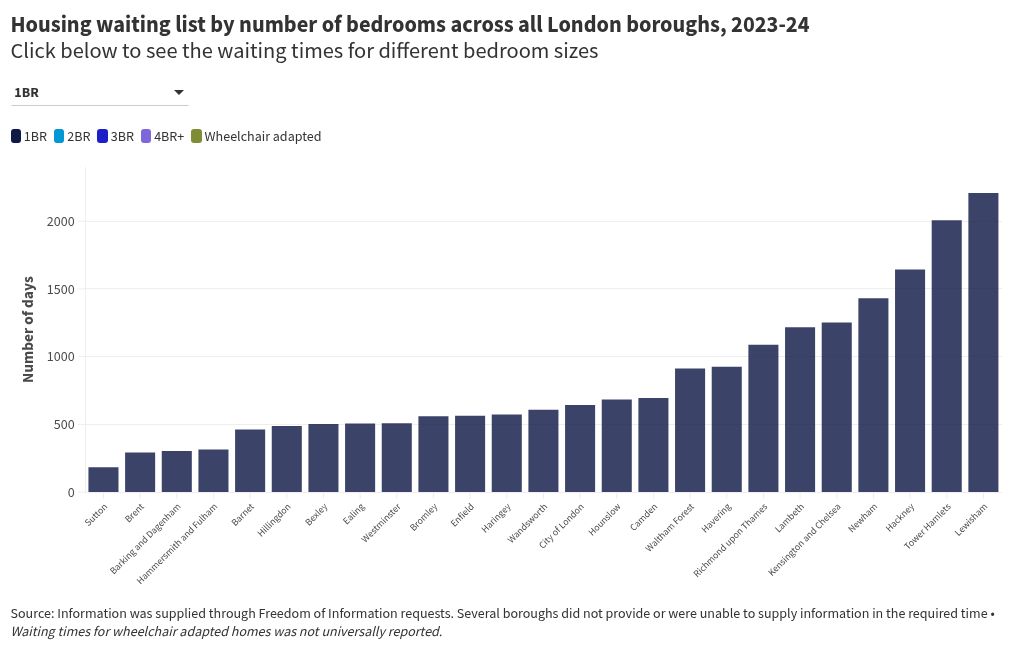
Detailed analysis of the housing wait list reveals significant trends. For instance, as of the last report, around 56 percent of households receiving social housing had been on the housing register for less than a year, which indicates that while some are being accommodated quickly, a substantial portion of applicants face extended wait times. These statistics suggest a duality in the system, where new applicants are entering at a pace that cannot be matched by available housing.
Moreover, data indicates alarming numbers; 7 percent of families on the wait list have been waiting for over five years and 3 percent for more than a decade. This reflects the prolonged struggle faced by many in accessing adequate housing. Such insights spotlight the need for a clearer understanding of wait list dynamics and the urgent necessity for an increase in affordable housing options throughout London and beyond.
Homelessness in London: A Direct Consequence of Housing Shortages
The surge in the number of people on the social housing wait list in London has a direct correlation to the rising rates of homelessness throughout the city. As affordable housing becomes increasingly scarce, more families find themselves facing homelessness, further entrenching social inequalities and challenging the very fabric of community support systems. Many individuals are forced to live in substandard conditions, relying on temporary accommodations that are often ill-equipped to provide safety and stability.
The dire situation is further complicated by socio-economic factors such as rising employment insecurity and cost of living increases, which exacerbate the struggle for many. Local councils are grappling with limited resources to meet the demands for homelessness support, creating a cycle that is difficult to break without substantial policy changes and a passionate commitment to building the necessary infrastructure for affordable housing.
The Future of Affordable Housing in London
Looking ahead, the future of affordable housing in London remains uncertain, particularly with the persistent social housing wait list. The local government has expressed intentions to combat the crisis, but many advocates argue that these measures fall short of what is truly necessary. There is a pressing need for a dedicated legislative framework that prioritizes the creation of affordable and social housing as an essential public good, rather than a mere market-driven commodity.
In order to truly change the landscape of affordable housing in London, a multi-faceted approach must be adopted—one that includes public investment, incentives for construction, and community buy-in for new developments. Ensuring that future developments are not only affordable but also cater to the diverse needs of the communities is critical for long-term success.
Community Responses to the Social Housing Crisis
Communities throughout London have begun to respond to the social housing crisis in various proactive ways. Grassroots organizations and housing charities are mobilizing to provide support for those affected by the housing waiting lists. Initiatives include advocacy campaigns that push for governmental reform, community-building programs that emphasize cooperation among residents, and educational resources aimed at helping families navigate the complexities of housing options.
Local groups have also been pivotal in raising awareness about the plight of households trapped in the housing waiting list, often organizing events to showcase the stories of those affected directly. This community activism not only fosters solidarity among residents but also pressures local authorities to take tangible action before the situation escalates even further.
The Importance of Long-Term Planning in Housing Solutions
Long-term planning is crucial to effectively tackle the social housing crisis in London, especially when considering the growing numbers on housing waiting lists. A strategic approach that looks beyond immediate fixes will enable city planners and policymakers to ensure that the housing supply can meet the future demands posed by a continually rising population. This means not only increasing the quantity of affordable homes but also focusing on the quality and sustainability of new developments.
In incorporating long-term planning, local governments must engage in careful resource allocation and zoning reforms that support the construction of diverse housing types. Ensuring that affordable housing options are available across all boroughs will help alleviate the current pressures and provide a more equitable structure for housing access in the future.
The Role of Housing Charities in Addressing the Crisis
Housing charities play a pivotal role in addressing the crisis of social housing in London. Organizations like Shelter have been at the forefront of advocating for increased social rent homes and raising awareness about the realities faced by those on housing waiting lists. By providing support services, legal advice, and resources, these charities have become essential lifelines for countless families struggling with housing insecurity.
Furthermore, housing charities actively engage with local and national governments, often influencing policy decisions and urging for necessary reforms to support affordable housing development. Their efforts in lobbying for better conditions can help shift public attitudes towards the importance of investing in social housing, thus creating a collective movement for change that reaches beyond just immediate concerns.
Frequently Asked Questions
What is the current situation regarding the London social housing wait list?
As of March 31, over 341,000 households were on the London social housing wait list, reflecting a 2% increase from the previous year. This ongoing situation highlights the broader social housing crisis in London and the severe impact of housing shortages England.
How many people are affected by the social housing crisis in London?
Currently, over 340,000 Londoners are on housing waiting lists, indicating a significant number of individuals facing challenges in securing affordable housing in London. The crisis has resulted in rising homelessness and inadequate living conditions for many families.
What has caused the increase in housing waiting lists in London?
The increase in housing waiting lists in London has been attributed to a failure by successive governments to build enough affordable social rent homes. This lack of adequate supply has pushed many families into homelessness and severely impacted those seeking affordable housing London.
Are there any government efforts to address the social housing crisis in London?
Yes, the government acknowledges the unacceptable state of housing waiting lists and claims to be taking urgent action to increase social and affordable housebuilding. However, many advocates argue that these efforts need to be significantly ramped up to meet demand and alleviate homelessness in London.
How long do people typically wait on the London social housing wait list?
Data shows that approximately 56% of households who received social housing in 2024-25 were on the housing register for less than a year, while about 7% waited five years, and 3% waited over a decade. This indicates varying degrees of waiting times, often exacerbating the social housing crisis.
What can be done to reduce the social housing wait list in London?
To effectively reduce the London social housing wait list, experts recommend that the government set a national target to build a minimum of 90,000 social rent homes annually for the next decade, which could potentially eliminate homelessness and provide secure housing for many families.
What are the consequences of long waiting times on social housing wait lists?
Long waiting times on social housing wait lists can lead to increased homelessness, as families may be forced into temporary accommodations such as B&Bs or overcrowded hostels. It can further disrupt their lives, pushing them away from their communities, jobs, and schools.
How does the housing waiting list in London compare to the rest of the UK?
London has a particularly severe housing waiting list situation, with over 341,000 households affected. In contrast, across England, over 1.3 million households are on housing registers, indicating that while the issue is national, London faces unique challenges related to housing shortages and affordability.
| Key Point | Details |
|---|---|
| Total Households on Wait List | 341,421 households on the wait list in London as of March 31, 2025, marking a 2% increase from the previous year. |
| Regional Changes | Waltham Forest saw the highest increase at 31%, while Richmond’s wait list decreased by 46%. |
| National Context | Over 1.3 million households across England are on social housing waiting lists, indicating a growing crisis. |
| Criticism of Government Action | The government has faced criticism for failing to build enough affordable social rent homes for years. |
| Call to Action | Shelter urges the government to build 90,000 social homes per year for the next ten years to eliminate homelessness. |
Summary
The London social housing wait list highlights a staggering crisis affecting over 340,000 households in the city, reflecting a pressing need for government intervention. With the rise in awaiting lists, particularly in regions like Waltham Forest and the persistent issues of homelessness, it is clear that urgent action is required. Experts advocate for a significant increase in the construction of affordable social housing to address these growing challenges and secure safe living conditions for all.