
Listen to this article
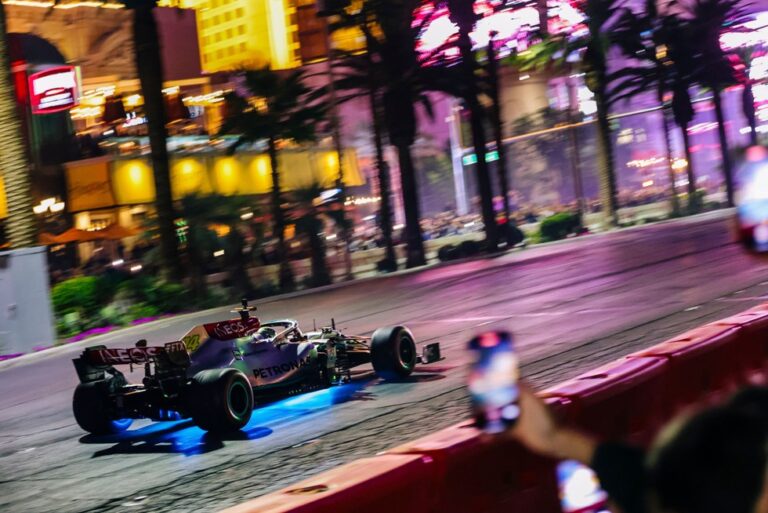
The Las Vegas Grand Prix is a captivating spectacle that fuses the glamour of Sin City with the exhilarating world of Formula 1 racing. As one of the most talked-about events on the global motorsports calendar, it brings together adrenaline junkies and luxury enthusiasts alike, eager to witness the thrilling action on the famous Vegas Strip. With its unique nighttime setting and extravagant atmosphere, the F1 Grand Prix captivates not just motorsport fans but also tourists drawn to the excitement of Las Vegas events. The impressive F1 media coverage amplifies the buzz, showcasing high-speed drama alongside the bright lights and towering casinos that define this vibrant city. While the Las Vegas racing experience dazzles, it also invites a closer look at the underlying challenges that come with hosting such a high-profile event, making it a balance of entertainment and logistical intrigue.
Celebrating the intersection of speed and extravagance, the Las Vegas Grand Prix is a hallmark of contemporary motorsport events that encapsulates the spirit of Formula 1. Known for its dramatic street circuits and vibrant nightlife, this renowned race series attracts attention from both local and international audiences. Coupled with its glamorous setting, the F1 Grand Prix not only showcases high-performance racing but also transforms the city into a hub for fans and thrill-seekers who flock to witness live racing amidst the backdrop of iconic Las Vegas landmarks. This event, a highlight in the calendar of Las Vegas racing, emphasizes the fusion of sport, entertainment, and luxury, generating significant media coverage that enhances its allure. As the lights shine bright over the racing circuit, the Las Vegas Grand Prix remains an essential gathering for both motorsport enthusiasts and those looking to savor the unique vibrancy of a city synonymous with entertainment.
Overview of the Las Vegas Grand Prix 2023
The Las Vegas Grand Prix 2023 marked a significant chapter in the Formula 1 calendar as it showcased the glitz and glamour synonymous with Las Vegas. As the city comes alive with a vibrant nightlife, the event drew in fans from across the globe, eager to witness the spectacular blend of motorsport and entertainment. This year’s Grand Prix promised a thrilling evening spectacle, with cars racing under the dazzling lights of the Strip, offering a captivating backdrop that only Las Vegas can deliver.
However, amidst the bright lights and electrifying atmosphere, there were notable challenges that detracted from the overall experience. The cutting of the second practice session due to a loose manhole cover was a stark reminder of the complexities involved in hosting such a prestigious event on public roads. While the FIA and F1 teams acted quickly to address these issues, the incident underscored the importance of infrastructure and safety in modern motorsport.
Challenges Faced During the Las Vegas Grand Prix
One of the predominant challenges during the Las Vegas Grand Prix was the inadequate facilities for media coverage. Journalists, who are crucial in conveying the excitement and nuances of the event to fans worldwide, found themselves in a less-than-ideal situation, situated at Tuscany Suites and Casino rather than within proximity to the paddock. This logistical hiccup not only hampered their ability to report promptly but also risked diminishing the quality of F1 media coverage surrounding the event.
Additionally, the restroom facilities within the paddock proved to be insufficient and poorly maintained during peak times, raising eyebrows among attendees and participants alike. Such oversights are significant for maintaining an enjoyable race environment for teams and media, reflecting essential areas that require improvements as the Grand Prix establishes itself as a permanent fixture on the F1 calendar.
Fan Experience at the Las Vegas Grand Prix
The fan experience at the Las Vegas Grand Prix exhibited both excitement and frustration. On race day, despite long queues at the F1 Hub within the Venetian Resort, fans were eager to engage with the event’s atmosphere and purchase merchandise. However, the exorbitant prices associated with official F1 merchandise may have limited accessibility for many fans, highlighting the need for a more varied pricing strategy to attract a broader demographic of attendees.
Moreover, while reports of full grandstands characterized the main event, the attendance for practice sessions raised concerns about fan engagement throughout the weekend. Local sentiments echoed these doubts, with some residents expressing frustration over the impact of the event on city traffic and daily life. Addressing these concerns holistically will be vital in enhancing the overall fan experience and maintaining the event’s standing in the future.
Improvements Needed for Future Las Vegas Events
As the Las Vegas Grand Prix looks to improve and build upon its inaugural years, focused enhancements will be crucial for long-term success. Issues like the inadequate media accommodations and restroom facilities should be prioritized, reflecting not only organizational efficiency but also respect towards the teams and media whom the event relies upon. Ensuring a robust infrastructure can play a pivotal role in fostering a favorable environment for all stakeholders involved.
Additionally, addressing the concerns of local residents who find the event’s disruption challenging is paramount. Engaging with the community to seek feedback and improve logistics will not only mitigate grievances but also help in solidifying support for the Grand Prix moving forward. Making the event more inclusive and community-friendly can enhance its reputation and ensure its place on the global F1 calendar.
Economic Impact of the Las Vegas Grand Prix
The Las Vegas Grand Prix undoubtedly carries significant economic implications for the city. With F1 being a global phenomenon, the influx of tourists for the race bolsters local businesses, hotels, and restaurants, showcasing Las Vegas as a premier destination for high-profile events. The potential for continued economic benefits hinges on the organization’s ability to overcome challenges and enhance the overall experience for not only race-goers but also businesses in proximity to the event.
However, criticisms regarding pricing and accessibility could impact long-term patronage. If local residents feel alienated by rising costs and disruptions, the overall success of the Grand Prix might dwindle. A balanced approach that caters to the interests of locals while still maximizing tourist dollars will be essential in ensuring the economic viability and sustainability of future events in Las Vegas.
The Role of Technology in Racing
As the Las Vegas Grand Prix evolves, technology plays an increasingly essential role in enhancing both the racing experience and viewer engagement. From real-time telemetry data to advanced broadcasting techniques, the integration of modern technology can improve F1 media coverage while offering spectators a unique viewing experience. High-definition cameras and augmented reality provide a fuller understanding of race dynamics, enabling fans at home and in the stands to immerse themselves in the action.
However, the application of technology must also extend beyond the racetrack. It should encompass logistical elements such as managing fan experiences, improving ticketing systems, and optimizing resource allocation for facilities. Ensuring that technology is utilized not only for performance on the track but also for overall event management will be vital in elevating the Las Vegas Grand Prix to new heights.
Media Coverage and Public Relations for the Grand Prix
Effective media coverage is paramount for the success of events like the Las Vegas Grand Prix, as it shapes public perception and drives fan engagement. Providing timely news, behind-the-scenes content, and critical race analysis through various platforms can significantly enhance visibility. However, the challenges faced in media logistics during the event highlighted a crucial area for improvement, where better coordination could yield a better reporting experience.
Engaging with F1 media to develop a proactive public relations strategy will also be crucial. Fostering strong relationships with reporters and creating streamlined communication channels can ensure that the story of the event is told compellingly and accurately, bridging gaps in fan understanding and interest. Building a positive rapport with media partners not only promotes the sport but also ensures coverage that reflects the excitement and significance of the Las Vegas Grand Prix.
The Cultural Significance of Formula 1 in Las Vegas
The fusion of Formula 1 with the cultural tapestry of Las Vegas presents a unique narrative that goes beyond merely motorsport. The integration of high-octane racing into an entertainment capital illustrates the broader appeal of F1 as a luxury experience that resonates with diverse audiences. The city’s rich heritage as a playground for the rich and famous enhances the allure of events like the Grand Prix, making it an occasion that blends sports with high entertainment.
Moreover, as F1 seeks to solidify its global footprint, Las Vegas stands as a testament to how motorsport can adapt and thrive in an atmosphere of glamour and spectacle. This cultural significance encapsulates the essence of Las Vegas, showcasing how the city could be an epicenter for motorsport while reinventing traditions that resonate with both new fans and seasoned followers.
Looking Ahead: The Future of the Las Vegas Grand Prix
The future of the Las Vegas Grand Prix is a topic of much speculation in the world of motorsport, as enthusiasts and stakeholders alike ponder what improvements can be made for continued success. With the lessons learned from the inaugural editions, there’s potential for F1 to refine aspects of the event, creating a more seamless experience for all involved. As the event solidifies its place on the calendar, expectations will rise, demanding a commitment to excellence.
Sustaining the novelty of racing against the backdrop of Las Vegas will also involve crafting unique experiences that go beyond traditional racing formats. Innovations in fan experiences, enhanced digital engagement, and embracing sustainability initiatives could position the Las Vegas Grand Prix as a model for future races. The vision for what Las Vegas can become in the world of Formula 1 is bright, but it will require a dedicated effort to address current challenges and leverage the city’s unique assets.
Frequently Asked Questions
What are the key features of the Las Vegas Grand Prix in relation to Formula 1?
The Las Vegas Grand Prix is recognized as one of the premier events in the Formula 1 calendar, featuring a stunning night race that takes advantage of the city’s vibrant atmosphere. With a challenging street circuit that runs through iconic Las Vegas landmarks, this F1 Grand Prix combines high-speed racing with spectacular visual appeal, making it a must-see for motorsport fans.
How has the Las Vegas Grand Prix evolved in recent years?
The Las Vegas Grand Prix has undergone significant changes since its inception as part of the modern Formula 1 lineup, with improvements like a permanent pit building enhancing the racing infrastructure. However, challenges such as on-track incidents related to manhole covers and logistical issues for media coverage indicate that continuous enhancements are still required to perfect this flagship F1 event.
What challenges has the Las Vegas Grand Prix faced in terms of race organization?
The Las Vegas Grand Prix has faced several challenges, including issues with manhole covers disrupting practice sessions and logistical inefficiencies for F1 media coverage. These obstacles reflect the growing pains of establishing a high-profile night race in a bustling urban environment, necessitating ongoing adjustments and improvements by organizers.
How does fan engagement at the Las Vegas Grand Prix compare to other F1 events?
Fan engagement at the Las Vegas Grand Prix includes the F1 Hub located at the Venetian Resort, which, despite its popularity, has faced issues such as long queues that hinder the overall experience. While attendance appears strong for the main event, feedback from locals suggests that some logistical aspects could be improved to enhance fan enjoyment during the race weekend.
What was the reception of the Las Vegas Grand Prix among drivers and spectators?
The reception of the Las Vegas Grand Prix was mixed. While drivers praised aspects of the event, some noted that race excitement was limited post-start. Additionally, local residents expressed concerns about the impact of the race on city traffic and the logistical challenges it poses. This variance in opinions highlights the need for continuous improvements to ensure a thrilling experience for both drivers and the local community.
How does the Las Vegas Grand Prix impact the local economy and tourism?
The Las Vegas Grand Prix significantly boosts the local economy and tourism by attracting thousands of visitors to the city for the race weekend. This influx generates revenue for hotels, restaurants, and entertainment venues. However, feedback regarding transportation challenges highlights the need for better planning to maximize the positive economic impact while minimizing disruptions to the local community.
What are the future prospects for the Las Vegas Grand Prix within Formula 1?
The future prospects for the Las Vegas Grand Prix look promising, as the event is set to remain a staple in the Formula 1 calendar. Despite its imperfections, its dazzling setting and commercial appeal indicate that F1 is committed to investing in and enhancing this grand event in the years to come.
| Key Point | Details |
|---|---|
| Challenging Experience | The Las Vegas Grand Prix had issues, notably a loose manhole cover interrupting practices. |
| Response to Issues | FIA and F1 quickly fixed the manhole cover issue but highlighted ongoing growing pains of the event. |
| Logistical Concerns | Media and restroom facilities were inadequate, affecting race coverage and comfort of teams. |
| Fan Experience | Despite long lines at the F1 Hub, fan feedback was generally positive, but lacks of attendance were noted. |
| Transportation Challenges | Local opinions on the impact of F1 on Las Vegas transportation were largely negative. |
| On-Track Excitement | Despite initial excitement, the race lacked significant thrilling moments after the first lap. |
| Future Prospects | The event is likely to continue due to its commercial viability despite visible flaws. |
Summary
The Las Vegas Grand Prix encountered challenges that reflected both the event’s ambition and the growing pains of its execution. In its third edition, the Grand Prix showcased the glittering allure of Las Vegas but simultaneously revealed infrastructural and logistical issues that need to be addressed. From a loose manhole cover to inadequate facilities, the event reminded us that while the city sparkles, there are still foundational aspects that require attention. Looking ahead, the Las Vegas Grand Prix is poised to remain a spotlight on the Formula 1 calendar, giving organizers an opportunity to refine and enhance the experience for fans, teams, and the local community.

