
Listen to this article
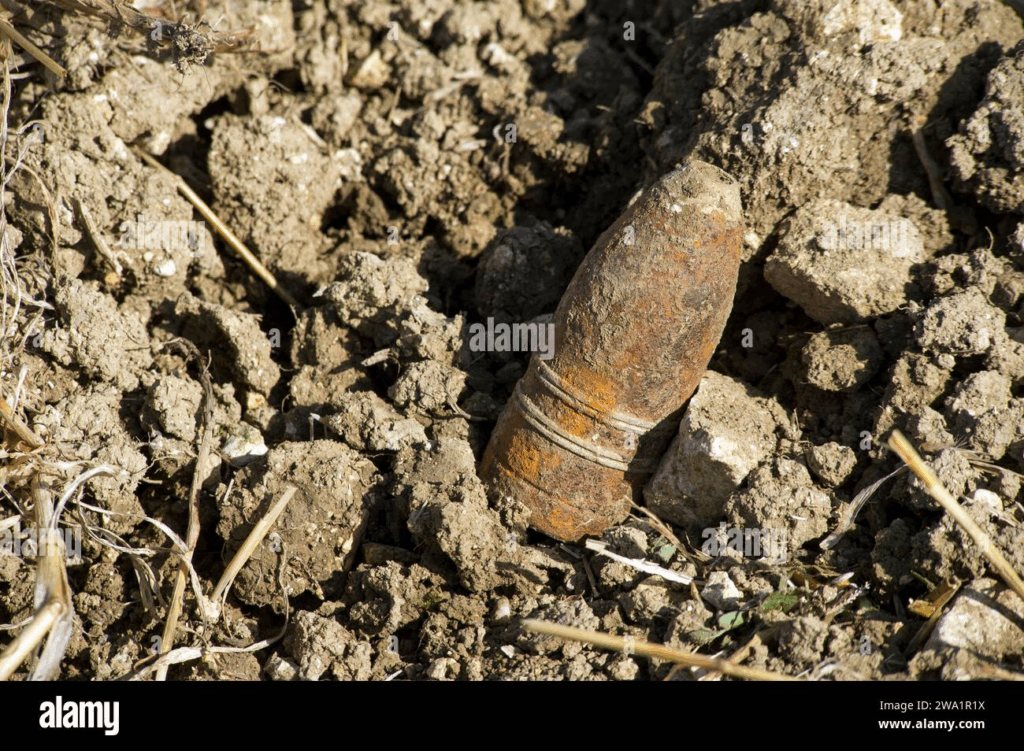
Unexploded ordnance (UXO) poses a significant risk in various regions, often leading to emergency evacuations and extensive safety measures. Recently, Fareham Police Station experienced such a situation when a suspected unexploded bomb was brought to their attention, prompting the immediate evacuation of personnel and visitors. Hampshire Constabulary swiftly established a 100-meter cordon around the area, ensuring public safety while specialists assessed the potential threat. The Royal Navy explosive team arrived on the scene to handle the situation, illustrating the crucial role bomb disposal units play in mitigating risks associated with UXO. Although such incidents can create panic, they also highlight the preparedness and rapid response of local authorities in dealing with dangerous devices.
The concern surrounding unexploded munitions, commonly referred to as ordnance or explosive remnants of war, is a pressing safety issue for many communities. These hazardous materials can remain dormant for decades, rendering them unpredictable and potentially lethal. Recent events, such as the evacuation at Fareham Police Station due to a suspected explosive device, underscore the need for effective bomb disposal strategies. Terms like unexploded bombs or military ordnance encompass a range of threats that require the expertise of specialized teams, including those from the Royal Navy. Awareness and prompt action from authorities like Hampshire Constabulary are essential in managing these risks and safeguarding public safety.
Fareham Police Station Evacuated Following Bomb Scare
On Saturday, November 22, Fareham Police Station in Hampshire became the site of a significant security incident when a suspected unexploded ordnance was handed over to authorities. As soon as the potentially dangerous device was brought to the station, Hampshire Constabulary reacted swiftly by establishing a 100-meter cordon around the area. This precautionary measure ensured the safety of both law enforcement personnel and the general public, as the unknown nature of the suspect device warranted careful handling.
The evacuation at Fareham Police Station was not just a matter of routine; it reflected the serious implications tied to unexploded ordnance. With numerous individuals having to leave their premises, local businesses and citizens were affected. It underlines how incidents involving potentially explosive devices, even in administrative centers like police stations, can disrupt community life significantly. The urgent response of the police, coupled with the invocation of the bomb disposal experts, emphasized the seriousness of the situation.
The Role of Bomb Disposal Experts in Unexploded Ordnance Situations
In cases of suspected unexploded ordnance, specialized bomb disposal experts play a crucial role in mitigating risks. In the recent incident at Fareham Police Station, the Royal Navy Explosive Disposal team was called in to address the situation effectively. Their expertise in handling such dangerous devices is critical, as they possess the training and equipment necessary to safely neutralize potential threats, preventing any accidents or harm to the public.
The presence of a professional bomb disposal team not only reassures the public but highlights the importance of trained specialists when dealing with unexploded bombs. Their timely intervention in emergency situations, much like what occurred at the Fareham Police Station, can save lives and ensure community safety. The collaboration between local law enforcement, such as Hampshire Constabulary, and military explosive experts ensures a comprehensive approach to addressing explosive threats in urban settings.
Understanding the Implications of Suspected Unexploded Bombs
The discovery or surrender of a suspected unexploded bomb can lead to immediate concerns regarding public safety, as seen in the recent evacuation of Fareham Police Station. Such devices often date back to past military conflicts or training exercises, and while many may think they are harmless, they pose serious risks if not handled correctly. The reluctance to approach such devices without professional assistance is justified, as the potential for a catastrophic explosion remains a genuine threat.
Furthermore, the implications of dealing with unexploded ordnance extend beyond immediate physical dangers. Community morale can be affected, and fear may spread among residents. Awareness of the procedures related to handling suspected ordnance plays a vital role in community safety. Education on how to report and respond to such situations can equip citizens with essential knowledge, promoting a more prepared and safer environment.
Hampshire Constabulary’s Response to Explosive Threats
The rapid response from Hampshire Constabulary to the suspected unexploded ordnance incident illustrates their commitment to public safety. When officials received the report regarding the device taken to Fareham Police Station, they acted decisively, establishing a safety perimeter and ensuring the area was cleared. This rapid action demonstrates their training and preparedness for handling serious threats in the community.
In addition to immediate response, Hampshire Constabulary fosters community trust through diligent communication. By keeping the public informed, especially during emergencies like bomb scares, they enhance the overall effectiveness of their operations. The integration of local law enforcement with specialist teams, such as the Royal Navy explosive unit, underscores collaboration in ensuring the safety and security of the Hampshire region.
What to Do if You Encounter Suspected Unexploded Ordnance
If you come across suspected unexploded ordnance, it’s crucial to maintain a safe distance and avoid touching or disturbing the device. Instead, notifying the authorities is paramount, as they have the expertise to assess and manage the situation properly. Recent events, such as the evacuation at Fareham Police Station, highlight the importance of swift action in preventing potential accidents.
Involving local law enforcement, such as the Hampshire Constabulary, ensures that trained professionals are alerted to the situation, allowing for a controlled response. Public awareness campaigns regarding how to recognize and report suspected unexploded ordnance could significantly mitigate risks and enhance community safety. The more informed the public is, the better equipped they become to handle emergencies responsibly.
Collaboration between Police and Bomb Disposal Teams
Effective crisis management during incidents involving unexploded ordnance relies heavily on collaboration between police forces and bomb disposal teams. Following the reported device at Fareham Police Station, the seamless coordination between Hampshire Constabulary and the Royal Navy’s explosive disposal experts exemplifies this collaborative effort. Each entity brings specialized skills and knowledge that enhance the overall response to such dangerous situations.
Such partnerships not only foster efficiency in handling incidents but also build community confidence in public safety measures taken during emergencies. Citizens are likely to feel safer knowing that their local authorities work closely with military experts when responding to potential threats. This unity is essential in ensuring a comprehensive approach to risk management in any scenario involving unexploded ordnance.
The Importance of Emergency Protocols in Urban Areas
Every urban area requires robust emergency protocols to address potential threats, especially incidents involving unexploded ordnance. The recent evacuation of Fareham Police Station emphasizes the need for preparedness in dealing with explosive devices. Emergency response protocols must be well-structured and practiced regularly to ensure that law enforcement and residents alike know how to react when faced with potentially deadly situations.
Incorporating community drills and educational programs can enhance public awareness about emergency responses. Understanding what to do when encountering unexploded ordnance helps residents quickly react in a crisis. A well-informed community, prepared for such incidents, can significantly reduce risks and enhance public safety across urban centers.
Historical Context of Unexploded Ordnance in Hampshire
Hampshire, like many regions in the UK, has its share of historical military activities that contribute to the presence of unexploded ordnance. These remnants from past conflicts create ongoing safety concerns, as many unexploded bombs and munitions remain buried underground or occasionally resurface due to construction and other ground disturbances. Such historical context highlights why educating the public about recognizing and reporting suspicious devices is critical.
The local authorities routinely conduct surveys and engage with the community to mitigate risks associated with unexploded ordnance. Historical awareness combined with modern safety protocols shapes how communities like Fareham respond to such explosive threats, ensuring a safer environment for all residents. Regular initiatives from Hampshire Constabulary and military partners elevate the conversation around unexploded ordnance and its implications on community safety.
Preventive Measures Against Unexploded Ordnance Accidents
Preventing accidents related to unexploded ordnance requires a multi-faceted approach, including public education, regular safety assessments, and robust emergency protocols. The recent incident at Fareham Police Station reiterated the importance of having clear processes for managing suspected explosives. Both local authorities and military units share the responsibility for ensuring that community members understand the importance of vigilance and reporting suspected devices immediately.
Workshops and community engagement initiatives can effectively raise awareness about unexploded ordnance and how to act if such devices are encountered. By informing the public on proper procedures, communities can foster a culture of safety and preparedness. Ultimately, investing in education and preventive measures can drastically reduce the risk of accidents and ensure the welfare of Hampshire residents.
Frequently Asked Questions
What should I do if I find suspected unexploded ordnance?
If you find something that resembles unexploded ordnance, such as an old bomb, do not touch or attempt to move it. Immediately contact local authorities, such as the Hampshire Constabulary, to report the suspected hazardous device and ensure your safety by moving to a safe distance.
How does bomb disposal work with unexploded ordnance?
Bomb disposal experts, including teams from the Royal Navy, are specially trained to handle unexploded ordnance. They use specialized equipment and techniques to safely assess, disarm, or detonate the device in a controlled manner, always prioritizing public safety.
What precautions are taken during evacuation due to unexploded ordnance?
During an evacuation related to suspected unexploded ordnance, authorities establish a secure cordon, often 100 meters or more, around the area. This perimeter helps ensure the safety of the public while bomb disposal teams assess and manage the situation.
Why was Fareham Police Station evacuated recently?
Fareham Police Station was evacuated after a suspected unexploded ordnance device was handed in. The evacuation was a precautionary measure while Hampshire Constabulary and the Royal Navy explosive disposal team assessed the device and ensured public safety.
What does the term ‘suspected unexploded bomb’ refer to?
The term ‘suspected unexploded bomb’ refers to any military ordnance that is believed to remain intact but has not detonated as intended. Such devices pose serious risks, and handling them requires professional intervention from bomb disposal experts.
How does Hampshire Constabulary respond to reports of unexploded ordnance?
When Hampshire Constabulary receives reports of suspected unexploded ordnance, they respond promptly by establishing a secure perimeter, evacuating nearby premises, and calling in specialized teams like the Royal Navy explosive disposal team to safely handle the situation.
What role does the Royal Navy explosive team play in dealing with unexploded ordnance?
The Royal Navy explosive team is a specialist unit trained in handling unexploded ordnance. They assess the device’s risks, determine the safest disposal method, and ensure the area is safe for the public after the incident is resolved.
| Event | Location | Actions Taken | Responding Team |
|---|---|---|---|
| Evacuation due to suspected unexploded ordnance | Fareham Police Station, Hampshire | 100-meter cordon established, premises evacuated | Royal Navy Ordnance Explosive Disposal team |
Summary
Unexploded ordnance poses significant risks and requires immediate attention from authorities. The incident at Fareham Police Station involved the evacuation of staff and the establishment of a security perimeter to ensure public safety. Effective response by specialized teams is crucial in managing such potentially dangerous situations.