
Listen to this article
Embarking on a Barbican architecture tour is a captivating journey through one of London’s most iconic cultural hubs. Nestled in the heart of the city, the Barbican Centre offers a unique blend of art, music, and architectural marvels, making it a must-visit for anyone interested in architecture tours in London. As you explore the intricate design of this concrete labyrinth, you’ll discover the rich history that shaped the Barbican into a vibrant community space. From the stunning residential towers to the hidden courtyards inspired by European piazzas, each corner reveals a story waiting to be uncovered. Join a guided tour to immerse yourself in the past, present, and future of this remarkable location, where exploring the Barbican becomes an enlightening experience that goes beyond mere sightseeing.
The architecture tour at the Barbican offers an unforgettable experience for those intrigued by innovative design and urban planning. This guided exploration of the Barbican Centre and its surrounding structures brings to light the thoughtful layout that was envisioned to transform a post-war landscape into a thriving neighborhood. Visitors can appreciate the carefully curated spaces that resonate with the essence of London’s cultural tapestry, while also gaining insights into the architectural decisions that have molded its character. By delving into the historical context and modern adaptations, enthusiasts will find that this tour provides a profound understanding of one of London’s most ambitious architectural projects.
Unraveling the Mysteries of the Barbican Architecture Tour
The Barbican Architecture Tour offers visitors a unique opportunity to explore one of London’s most iconic cultural hubs. This guided experience reveals the intricacies of the Barbican Centre, showcasing its blending of architecture and urban planning. As you stroll through its expansive grounds, you will learn about the inspiration behind the design elements, from the hidden piazzas reminiscent of European cities to the functional use of space that promotes community interaction.
Led by experts like Kamil, who possess an intimate understanding of the estate’s layout, the tour not only clarifies the navigation of this intricate labyrinth but also imparts the rich history embedded in its walls. Discover why parts of the estate were originally designed as private community spaces, reflecting the sociocultural context of post-war London, and how this vision evolved into the public cultural magnet it is today.
The Architectural Significance of the Barbican Centre
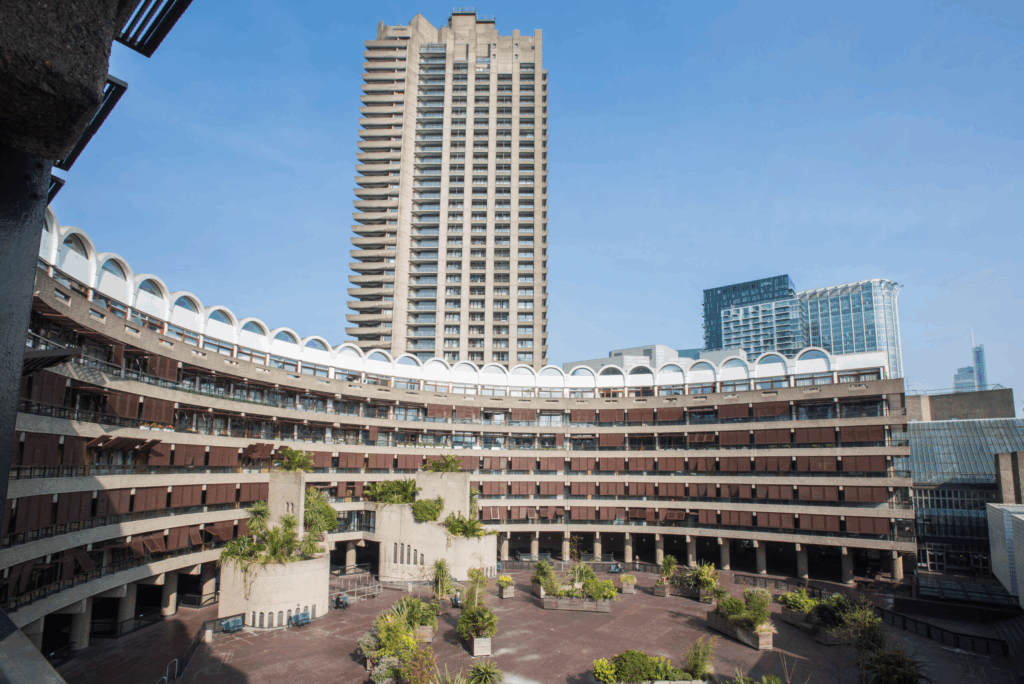
The Barbican Centre is a striking example of Brutalist architecture, a design philosophy that emphasizes raw concrete, geometric shapes, and functional forms. This architectural style, though often polarizing, is celebrated within the Barbican for its boldness and ambitious vision. As you delve into the Barbican architecture tour, you’ll find that every structure has a story that intertwines with London’s broader urban narrative, particularly in the aftermath of the Blitz.
Understanding the architectural significance of the Barbican adds layers to your experience as you wander through its maze-like pathways. The deliberate choices made by architects to construct a ‘city within a city’ serve to create not just living spaces, but a space for cultural expression and communal gatherings. Each section of the Barbican is thoughtfully designed to enhance the lives of its residents and visitors alike, creating an environment that is as functional as it is aesthetically pleasing.
Exploring the Hidden Corners of the Barbican Estate
One of the fascinating aspects of the Barbican is its myriad of hidden corners that are often overlooked by the casual visitor. During the architecture tour, participants are guided through these less known spaces, like secret courtyards and architectural features that add depth to the overall design. These hidden gems include the intriguing design of the residential towers, which house approximately 2,000 flats, each uniquely configured to cater to the diverse needs of its inhabitants.
In addition to the residential aspects, the tour highlights the artistic elements of the barbican that often blend seamlessly into the architecture. For example, the sculpture court, although never fully realized, speaks volumes about the ambitious intentions behind its design. Such tours not only unveil these lesser-known locations but also illuminate the vision that the architects had for creating a vibrant and holistic living space in the heart of London.
Navigating the Barbican’s History and Evolution
The history of the Barbican is as complex as its architecture, shaped by the devastating impacts of WWII and the subsequent reconstruction efforts in London. Originally intended to serve as a protective fortress and a residential complex for middle-class professionals, the Barbican has transformed significantly since its inception. As modern needs evolved, so too did the Barbican’s role, developing into a vital cultural centre that attracts visitors from across the globe.
Through the architecture tour, attendees gain insight into how the historical context informs the design and functionality of the estate. The guide shares anecdotes about the original residents and the intended use of public versus private spaces, creating a full picture of how the Barbican reflects the changing social landscape of London. This historical backdrop enriches our appreciation for its place within the city, as it symbolizes resilience and innovation.
Understanding the Cultural Hub of London: The Barbican
As one of London’s most significant cultural hubs, the Barbican Centre goes beyond just being an architectural marvel; it offers a myriad of cultural experiences through its concert halls, galleries, and theatres. The Barbican has become synonymous with cultural wealth, hosting numerous events that engage the public and enrich the London cultural scene. On the architecture tour, guests are introduced to both the artistic and structural elements that contribute to making the Barbican a vital part of the city.
Visiting the Barbican is not just a passive experience; it encourages active participation in the arts and culture. The diverse programming within the estate challenges and inspires residents and visitors alike to engage with different forms of artistic expression. Thus, the architecture and cultural offerings of the Barbican are intertwined, demonstrating how a thoughtfully designed space can foster creativity and community engagement.
The Intricacies of Route Navigation in the Barbican
Navigating the Barbican can indeed be a challenging feat, as many visitors find themselves in a bewildering maze of pathways and entrances. The design was initially intentional, creating a sense of discovery and exploration within its many layers. Throughout the architecture tour, guides provide strategies for better navigating these spaces, illuminating pathways that may not be initially obvious. Understanding the layout can transform the experience from confusion to curiosity.
The Barbican’s intricate network of corridors and public spaces reflects a philosophy of blending residential life with cultural vibrancy, thus creating challenges in navigation. However, these same complexities encourage adventurers to explore beyond the main thoroughfare, unveiling hidden details and appreciating the nuance of its design. As tour participants become more familiar with its layout, they gain a sense of ownership over the space, feeling more connected to this unique urban landscape.
Architectural Elements That Define the Barbican
The architectural elements that make up the Barbican Centre are a testament to its original vision, emphasizing functionality alongside artistic expression. The use of concrete, interspersed with vibrant greenery, provides an immersive environment that encourages exploration. During the tour, visitors can observe specific design choices such as the elevated walkways and expansive plazas, which invite social interaction and serve as informal meeting points for residents and visitors alike.
Not only is the Barbican shot through with historical and aesthetic value, but it also embodies ideas of community through architecture. The seamless integration of public and private spaces has been a design focus, demonstrating a balance that caters to the diverse needs of inhabitants and users. Each architectural element contributes to the overall experience, crafting a narrative that reflects both the past and future of London.
Embracing the Arts Within the Barbican’s Concrete Facade
Within the Barbican’s robust concrete facade lies a thriving creative community that celebrates the arts in a myriad of forms. From cinematic showcases to theatrical performances, the Barbican Centre serves as a hub for artistic exploration and collaboration. Guests of the architecture tour learn about the significance of the Barbican as a space that not only houses art but also produces it, nurturing talents that range from musicians to contemporary artists.
This commitment to the arts is manifest throughout the estate, seen in its galleries and performance venues that host a wealth of cultural programming year-round. The Barbican’s design reinforces these creative pursuits, offering adaptable spaces that can accommodate various artistic expressions while fostering an environment for community engagement. Visitors leave with a deeper understanding of how architecture and the arts coalesce within the Barbican, inspiring them to appreciate this cultural hub even more.
Connecting Past and Present at the Barbican
Connecting the past with the present is a key theme that resonates throughout the Barbican Centre. As visitors walk through its corridors, they are reminded of the architectural decisions made in the wake of the city’s reconstruction after the WWII Blitz. The Barbican stands as a monument to resilience, demonstrating how urban spaces can evolve to meet contemporary societal needs without losing sight of their historical roots. The architecture tour illuminates these concepts by linking the formation of the Barbican to broader historical transformations in London.
Moreover, the juxtaposition of modern art installations against the backdrop of Brutalist architecture creates a dialogue between old and new, urging reflection on how London interprets its multifaceted identity. Participants in the architecture tour reflect on the significance of these contrasts and how they shape the experience of the Barbican as both a living space and an artistic sanctuary. This blending of eras adds to the richness of the Barbican narrative, inviting deeper contemplation of its role in London’s ongoing cultural journey.
Frequently Asked Questions
What can I expect from a Barbican architecture tour?
On a Barbican architecture tour, you can expect to explore the unique design elements of the Barbican Centre, a marvel of post-war architecture in London. Led by knowledgeable guides, these tours offer insights into the various residential blocks, public spaces, and the history behind its construction after WWII. You’ll learn about the intentional streets and hidden squares that echo European design, and discover why this cultural hub is often described as a ‘city within a city.’
How do I book a Barbican architecture tour?
You can book a Barbican architecture tour through the official Barbican Centre website. There, you’ll find scheduled tours, availability, and options for different group sizes. It’s recommended to book in advance, as these tours are popular among both locals and tourists looking to explore the architectural intricacies of London’s rich history.
Are the Barbican architecture tours accessible for everyone?
Yes, the Barbican architecture tours aim to be accessible to all visitors. While the estate itself can be a maze, the tour guides are trained to assist participants of all abilities, ensuring an informative and enjoyable experience throughout this iconic London cultural hub.
What historical significance does the Barbican hold in London?
The Barbican is significant as it was built to revitalize an area devastated by WWII bombings. Originally a private community hub for middle-class residents, it has transformed into one of London’s leading cultural venues, housing concert halls, theatres, and art galleries. Understanding its historical context deepens the appreciation for this architectural wonder during your tour.
Who leads the Barbican architecture tours?
Barbican architecture tours are typically led by guides with extensive knowledge of the area, including historians and architecture enthusiasts. Many guides, like Kamil from a recent visitor’s account, have personal ties to the Barbican, making them well-equipped to share fascinating anecdotes and insights about its architecture and community.
What makes the Barbican Centre unique compared to other architecture tours in London?
The Barbican Centre is unique due to its blend of residential living and cultural facilities, making it a hub of community life. Unlike other architecture tours in London which may focus solely on historical buildings, the Barbican architecture tour encompasses the innovative design, public spaces, and the story of urban planning, making it a comprehensive exploration of modernist architecture.
Why is the Barbican often described as a labyrinth?
The Barbican is often described as a labyrinth due to its complex layout and numerous walkways that can confuse visitors. This intricate design was intentional, reflecting the architects’ aim to create a modern urban environment that integrates living and cultural spaces, encouraging exploration and discovery within its expansive estate.
Can children participate in Barbican architecture tours?
Yes, children can participate in Barbican architecture tours, although it’s often advisable to check the tour details beforehand, as some tours may be more suitable for older audiences. Family-friendly tours may include activities designed to engage younger visitors while exploring the fascinating architecture of this renowned London site.
| Key Point | Details |
|---|---|
| Confusing Navigation | Visitors often get lost due to the complex layout of the Barbican. |
| Architecture Tour Experience | The tour led by Kamil provided deep insights into the design and purpose of the Barbican. |
| History of the Barbican | Originally developed as a private community hub post-Blitz, the Barbican was not meant to be public at first. |
| Cultural Significance | Today, it serves as a cultural center with concert halls, theatres, and art galleries. |
| Future Development | Plans for a third entrance aim to enhance accessibility for visitors. |
| Unique Design Elements | Half-moon shapes reference its fortified origins, reflecting the name ‘Barbican’. |
Summary
The Barbican architecture tour offers a fascinating journey through one of London’s most iconic and intricate designs. It unveils the complexities and thoughtful details embedded within a space that was once a private community. While the layout may still be perplexing, understanding the historical context and architectural intent transforms the experience into a rich exploration of urban design. Join the Barbican architecture tour to discover how this vibrant cultural hub emerged from the ashes of the past, creating a unique ‘city within a city’.