
Listen to this article
Warning signs of diabetes are often subtle but can indicate a serious underlying health issue. Millions of individuals may unknowingly experience early diabetes symptoms that manifest through skin changes, weight patterns, and fatigue levels. Recognizing these type 2 diabetes warning signs is crucial for early intervention and adopting diabetes lifestyle changes that can improve health outcomes. Acanthosis nigricans, skin tags, and abdominal obesity are just a few examples of insulin resistance signs that require attention. By identifying these red flags early, we can significantly reduce the risk of progressing to more severe complications associated with diabetes.
When it comes to identifying the early indicators of diabetes, it’s essential to be aware of the various physical manifestations that may go unnoticed. Terms like insulin resistance and metabolic syndrome often describe the condition’s gradual onset, where the body’s ability to process glucose deteriorates. Symptoms may range from skin alterations, such as unusual patches or tags, to fluctuations in weight distribution, particularly around the waist. Furthermore, understanding the implications of these signs is vital for anyone seeking to make impactful lifestyle adjustments. Taking proactive measures against diabetes not only enhances well-being but also fosters a greater awareness of one’s overall health.
Understanding the Warning Signs of Diabetes
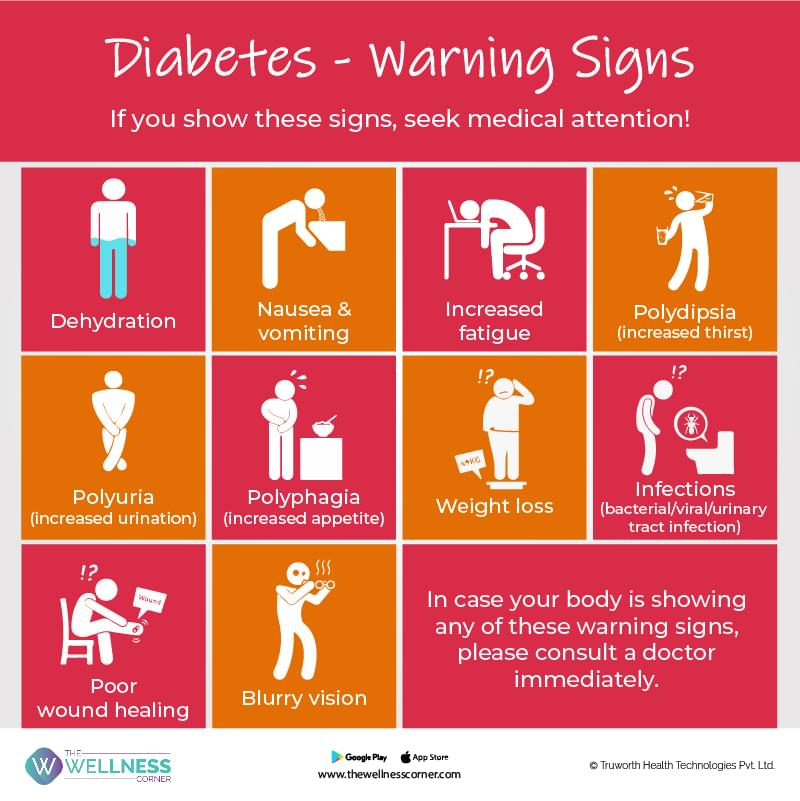
Recognizing the early warning signs of diabetes is vital for timely intervention and management. Many individuals may be unaware that their subtle symptoms are indicative of an underlying metabolic disorder. Common diabetes symptoms can include excessive thirst, frequent urination, and blurred vision, but there are also less obvious signs that may occur, such as changes in skin texture and unexpected weight gain. Understanding these signals can empower individuals to seek medical advice before the situation escalates.
Additionally, it’s important to note that many people face insulin resistance symptoms long before a diabetes diagnosis. Factors such as age, genetics, diet, and lifestyle can contribute to these early stages of diabetes, often termed pre-diabetes. Regular health check-ups and monitoring can help catch these early signs and ensure you remain proactive in your health management.
Skin Signs of Diabetes You Shouldn’t Ignore
Skin changes are among the most telling physical warning signs of diabetes. Conditions like acanthosis nigricans result in dark patches that often appear in skin folds, such as under the arms and on the neck. These patches indicate insulin resistance, a precursor to diabetes. By recognizing skin signs, you can take early action towards reducing your risk and adopting a healthier lifestyle.
Moreover, the appearance of skin tags is another skin-related sign that can be associated with insulin resistance. While not all individuals with skin tags will develop diabetes, research has shown a correlation between a higher number of skin tags and an increased risk of diabetes. Being vigilant about such changes in your body can serve as an early alert to seek preventative measures.
The Impact of Waistline on Diabetes Risk
Waist circumference is a critical indicator of potential type 2 diabetes risk. Health professionals recommend that your waist measurement should not exceed half your height. A larger waistline can indicate visceral fat, which poses a significant risk not only for diabetes but also for cardiovascular diseases. The alarming truth is that even at a normal BMI, an individual can still be at risk if carrying weight around the abdomen.
Monitoring your waist-to-height ratio can be an effective way to maintain a healthy body composition and reduce diabetes risk. Those with a waist measurement of 0.6 or above are advised to implement lifestyle changes to address their risk. These changes can include dietary adjustments, increased physical activity, and even targeted weight management strategies.
Recognizing Foot Swelling as a Warning Sign
Persistent foot swelling is a significant warning sign that could be linked to diabetes. This swelling often results from compromised blood circulation due to nerve damage caused by high blood sugar levels. Over time, diabetes can impact blood vessels and lead to various complications, including decreased mobility and further health concerns.
If you notice swelling in your feet or legs, it’s crucial to consult a healthcare professional promptly. While it may be tempting to dismiss this as a benign issue, it could signal underlying problems such as kidney dysfunction or heart issues that may require immediate attention.
The Connection Between Sleep Apnea and Diabetes
Sleep apnea, particularly obstructive sleep apnea (OSA), has been shown to impact blood sugar levels significantly. Individuals struggling with obesity are at a higher risk of developing sleep apnea, which can create a vicious cycle of poor sleep and increased insulin resistance. This condition disrupts normal breathing patterns, often resulting in lower oxygen levels and increased stress on the body.
Understanding the connection between sleep and diabetes risk can provide a new perspective on managing one’s health. Individuals with sleep disturbances should consider lifestyle adjustments such as weight management and seeking medical evaluation to address potential sleep apnea, allowing them to break the cycle of sleep deprivation and improve their health outcomes.
Identifying the ‘Buffalo Hump’ as a Diabetes Warning
A ‘buffalo hump,’ characterized by a fatty deposit on the back of the neck, is another subtle but significant sign that may indicate diabetes or other hormonal imbalances. This condition often results from elevated cortisol levels, which can be perpetuated by chronic high blood sugar levels associated with diabetes. Recognizing this physical sign is essential for understanding potential metabolic issues.
If you notice such a change in your body, it’s crucial to have a conversation with your healthcare provider. They can provide valuable insight into the underlying causes and recommend appropriate actions, including lifestyle changes or interventions that can help regulate hormone levels and reduce the risk of developing diabetes.
Effective Diabetes Lifestyle Changes to Implement
Making lifestyle changes is one of the most effective ways to mitigate the risk of developing type 2 diabetes. Adopting a nutrient-rich diet, engaging in regular physical activity, ensuring adequate sleep, and managing stress are all key components of a diabetes prevention strategy. These adjustments can aid in weight management and help maintain stable blood sugar levels.
Furthermore, educational resources and support from healthcare professionals can greatly aid individuals in making sustainable changes. Whether through group programs, dietary consultation, or exercise classes, investing in your health through lifestyle changes is a proactive step towards reducing diabetes risk and improving overall wellbeing.
Conclusion: Awareness and Prevention in Diabetes Management
Being aware of diabetes risk factors and warning signs is crucial in preventing the onset of the disease. Individuals can take control of their health by recognizing early symptoms, such as skin changes, weight indicators, and signs of sleep disturbances. Regular health screenings and consultations can provide essential insights and guide appropriate lifestyle modifications.
Ultimately, awareness is the key to prevention. By understanding your body’s changes and taking informed actions, such as adopting healthier habits, seeking medical advice, and maintaining a proactive approach, you can significantly reduce your risk of developing diabetes and improve your overall quality of life.
Frequently Asked Questions
What are the common warning signs of diabetes symptoms that I should be aware of?
The common warning signs of diabetes symptoms include dark patches of skin (acanthosis nigricans), the presence of skin tags, excessive abdominal fat, persistent swelling in the feet, obstructive sleep apnoea, and a fatty deposit at the back of the neck known as a buffalo hump. Recognizing these signs early can help in taking preventive measures.
How can I identify insulin resistance signs related to diabetes?
Insulin resistance signs often manifest as increased dark patches on the skin, particularly in areas like the neck and armpits, alongside skin tags. These indicators suggest your body may not be responding effectively to insulin, increasing your risk for type 2 diabetes. Regular check-ups can help monitor these signs.
What type 2 diabetes warning signs should I monitor in my lifestyle?
Type 2 diabetes warning signs to monitor include a waist circumference greater than half your height, unusual swelling in your legs and feet, and frequent instances of sleep apnoea. Lifestyle changes such as adopting a healthier diet and regular exercise can mitigate these risks.
Are there skin signs of diabetes that I need to watch for?
Yes, skin signs of diabetes include dark patches known as acanthosis nigricans and the presence of skin tags. These skin changes can indicate insulin resistance and heightened risk of diabetes. It is important to consult with a healthcare provider if you notice these signs.
What lifestyle changes can reduce the risk of developing diabetes symptoms?
To reduce the risk of developing diabetes symptoms, you should aim for a balanced diet rich in nutrients, engage in regular physical activity, manage stress, and ensure adequate sleep. Maintaining a healthy weight is also crucial for preventing type 2 diabetes.
How does my waistline relate to diabetes warning signs?
Your waistline is a significant warning sign of diabetes. A waist measurement exceeding half your height indicates an increased risk for type 2 diabetes, even if your BMI is normal. Monitoring your waist-to-height ratio is essential for assessing your risk.
What does persistent swelling in the feet indicate regarding diabetes?
Persistent swelling in the feet may indicate reduced blood circulation or nerve damage often associated with diabetes. This condition may coincide with other serious health issues, so it’s important to seek medical attention for persistent symptoms.
Can sleep disturbances be a warning sign of developing diabetes?
Yes, sleep disturbances, particularly obstructive sleep apnoea, can be a warning sign of developing diabetes. Poor sleep quality can lead to insulin resistance and higher blood glucose levels, increasing the risk of type 2 diabetes.
What is the significance of a fatty hump on the back of the neck in relation to diabetes?
A fatty hump on the back of the neck, often referred to as a buffalo hump, can signify hormonal imbalances due to high cortisol levels associated with diabetes. This symptom warrants medical evaluation to understand its implications for your health.
| Warning Signs of Diabetes | Description | Associated Risks and Actions | |
|---|---|---|---|
| Dark Patches (Acanthosis Nigricans) | Dark, thickened, and velvety patches under the arms or neck, indicative of insulin resistance. | Consult a physician for evaluation of insulin resistance and diabetes. | |
| Skin Tags | Multiple skin tags can indicate an increased risk of type 2 diabetes. | Monitor for growth in number; consult a healthcare provider if concerned. | |
| Excess Waist Measurement | A waist measurement over half your height indicates an increased risk for diabetes. | Aim for a waist-to-height ratio of less than 0.5 to reduce risk. | |
| Feet Swelling | Swelling in lower legs/feet can result from poor circulation due to diabetes. | Seek medical advice to rule out diabetes or related conditions. | |
| Sleep Apnoea | Obstructive sleep apnoea can disrupt sleep and lead to insulin resistance. | Address weight issues and improve sleep hygiene; consider medical evaluation. | |
| Hump on the Back of the Neck | Fat deposits in the neck/shoulders can indicate high cortisol linked to diabetes. | Discuss these symptoms with a healthcare provider for appropriate tests. | |
Summary
Warning signs of diabetes can manifest in various subtle forms, and awareness of these symptoms is crucial for early intervention. Individuals should recognize signs such as dark patches on the skin, skin tags, excess waist measurements, feet swelling, obstructive sleep apnoea, and fat accumulation at the back of the neck. Understanding and acting upon these signs can empower individuals to make lifestyle changes and seek medical advice, thus potentially reversing or preventing the onset of type 2 diabetes.