Listen to this article
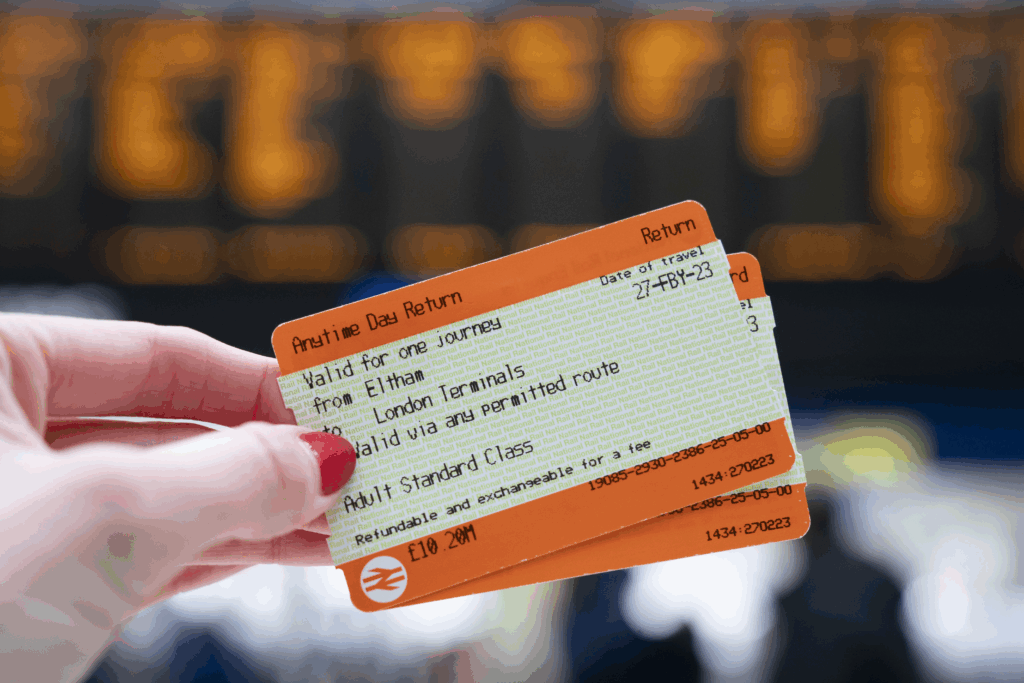
In a groundbreaking move, the English government has announced a freeze on rail fares, marking the first such action in 30 years. Under this initiative, regulated fares—including season tickets and off-peak returns—will remain unchanged until March 2027. This significant decision comes amid rising concerns about inflation and the cost of living travel pressures affecting many commuters across the country. With the latest fare hike reaching 4.6% in March 2025, this fare freeze will provide much-needed relief to those struggling with increased UK train fares. By alleviating the burden of rising transport costs, particularly for season ticket holders, the rail fares freeze in England promises to make traveling more accessible for everyday passengers.
In a notable development for commuters, England’s rail fare policies are set for a historic shift with the introduction of a fares freeze. This unprecedented decision, which affects journey costs for travelers across the nation, targets regulated ticket prices, encompassing essential season tickets and popular off-peak options. Amidst ongoing discussions about rising living costs and the financial challenges faced by families, this freeze aims to stabilize travel expenses in a time of economic uncertainty. It reflects a commitment to improving affordability and accessibility for those reliant on public transport. Such a measure highlights the UK’s growing focus on making travel options more viable for everyday life, especially as season ticket prices have often faced scrutiny in recent years.
The Significance of the Rail Fares Freeze in England
The recent announcement regarding the freeze on rail fares in England marks a historic turning point in transportation policy. For the first time in three decades, regulated fares, including season tickets and off-peak return rates, are set to remain unchanged until March 2027. This initiative is particularly significant as it addresses the longstanding issue of escalating travel costs which have put a strain on commuters. As the government aims to combat inflation directly, this freeze is expected to alleviate financial pressure on those who rely heavily on England’s rail network, making travel more affordable during these challenging economic times.
The rail fares freeze is not just a temporary relief; it represents a broader commitment to reforming the rail system under the Great British Railways initiative. By keeping the prices steady, the government hopes to encourage more people to use rail services, thus contributing to reduced congestion on roads and promoting greener travel options. With regulated fares affecting approximately 45% of all tickets sold, this freeze is a game-changer for families, students, and daily commuters, who will benefit significantly from the move aimed at controlling the cost of living.
Understanding the Impact on Commuter Costs and Season Ticket Prices
With the rail fares freeze in England, commuters can expect to see a noticeable impact on their travel expenses, particularly affecting season ticket prices. Typically, these prices are subject to annual rises linked to the retail price index, often leading to frustration among regular travelers. However, with the freeze in place, individuals purchasing season tickets for daily commutes will find it easier to budget their expenses without the fear of steep increases. This stability is not only welcomed by current commuters but is also likely to attract new passengers seeking more economical travel options as they navigate the cost of living crisis.
The government has estimated that this fare freeze could save commuters over £300 on pricier routes, providing a much-needed financial break. With high costs in travel frequently cited as a burden, the decision to freeze rail fares is a strategic move to foster loyalty among rail users and encourage future trips. Additionally, the renewed focus on protecting commuters’ financial interests may promote increased investment in England’s rail infrastructure and services, possibly leading to enhanced travel experiences overall.
Unregulated Fares and Their Potential Increases
While the government’s initiative to freeze regulated rail fares in England has drawn much applause, it is essential to note that unregulated fares are not guaranteed to remain unaffected. Historically, the trend for unregulated fares has mirrored that of regulated fares, and although they saw a notable rise of 5.5% in recent years, it seems likely that similar increases may continue. These unregulated fares apply to certain routes and ticket types, which can complicate overall fare structures for travelers. As commuters rejoice at the prospect of steady prices for the next few years, concerns linger over the potential hikes in unregulated fares that could offset these benefits.
The distinction between regulated and unregulated fares can often leave commuters confused about what prices to expect when planning their travel. With unregulated fares potentially rising, it’s critical for passengers to stay informed about the fare types when purchasing tickets. Understanding the balance between regulated and unregulated prices will help travelers manage their travel expenses more effectively while navigating the evolving landscape of the UK rail system.
Government Initiatives and the Quality of Rail Services
The English government’s plan to freeze rail fares is part of a broader strategy to enhance the quality of rail services while simultaneously easing the financial burdens on travelers. Officials have indicated that the fare freeze will contribute to ongoing reforms within the railway system, which include improvements in service efficiency and passenger experience. Initiatives like the establishment of Great British Railways reflect a shift toward more accountable and customer-focused operations that prioritize values such as reliability and affordability.
Moreover, this strategic approach addresses concerns regarding service fragmentation that has historically plagued the rail system since privatization. By consolidating operations and improving oversight, the government aims to not only stabilize fares but also enhance service delivery, which include better punctuality, cleanliness, and overall travel experiences for passengers. Such improvements are necessary to bolster confidence in rail travel, making it a viable alternative for everyday commuters, especially amidst ongoing concerns about the rising cost of living.
The Reactions of Rail Operators and Industry Experts
Many rail operators and industry experts have welcomed the fare freeze, viewing it as a positive development for both commuters and the rail industry at large. The Rail Delivery Group has indicated that this decision will help rejuvenate rail travel in England, which had seen fluctuating passenger numbers in recent years. By keeping prices in check, train operators hope to attract more users back to the rail system, promoting a healthier and more competitive market. The demand for affordable travel options is increasingly important, especially as consumers face challenges associated with inflation and rising living costs.
Industry leaders believe that this measure could lead to increased investment back into the rail sector, which is necessary for modernizing facilities and expanding services. Passenger satisfaction is paramount, and by addressing fare concerns through initiatives like the freeze, the government and rail operators can work together to create an environment that fosters trust and loyalty among users. Collaborative efforts between operators and the government could pave the way for future improvements in rail travel, ensuring that customers receive value for their money.
The Long-Term Vision for a Publicly Owned Railway System
The freeze on rail fares is a step towards realizing a long-term vision for a more cohesive and publicly owned railway system in England. Under the Greater British Railways initiative, the government aims to assume control over rail operations and manage the rail network more effectively. This strategic move is not solely focused on price regulation; it emphasizes the importance of creating a reliable, efficient, and user-friendly transport network. The transition toward public control could potentially transform the rail system into a public service that prioritizes passenger needs over profit margins.
As the government moves toward greater public ownership, the enhanced focus on customer service and infrastructural improvements is expected to become paramount. A key element of this vision is gradually shifting away from indefinite yearly increases, placing more emphasis on providing affordable and reliable travel options for residents throughout England. Such measures could lead to a brighter future for train travel, allowing it to remain a feasible option amidst fluctuating economic conditions and the ongoing demand for sustainable public transport solutions.
Public Response and Political Perspectives on the Freeze
The announcement of the rail fares freeze has received mixed reactions from the public and political figures alike. Commuters express relief at the prospect of stable prices, particularly given the strains of the rising cost of living. Nevertheless, this move has drawn scrutiny from opposition parties, who point to the fare hikes experienced under previous administrations. Critics argue that merely freezing fares does not address the root issues of service quality and their ongoing concerns about the overall cost of rail travel in England.
Political representatives from various parties have voiced that while freezing rail fares is a welcome step, it must be accompanied by broader improvements to the rail system. Many point out that simply stalling fare increases won’t rectify ongoing issues such as delays and overcrowding on certain routes. Calls for a more comprehensive approach to reform continually arise, reflecting public appetite for meaningful change in how rail services are managed in the UK. Ultimately, sustaining public satisfaction will hinge on the government’s ability to follow through on its promises while ensuring the rail system delivers both value and reliability to passengers.
Conclusion: The Future of Rail Travel in England
In summary, the freeze on rail fares in England represents a crucial step in addressing the financial pressures faced by commuters and redefining the future of rail travel in the country. This measure, effective until March 2027, symbolizes a commitment to reforming the rail industry through affordability. As the government embarks on its Great British Railways initiative, the focus on stabilizing fare prices must be complemented by a concerted effort to improve service quality and reliability. The initial reception highlights a desire for practical solutions to travel challenges amid rising living costs while moving toward a more sustainable rail environment.
As the rail sector adapts to these changes, continued dialogue between the government, industry stakeholders, and the public will be necessary to create a favorable climate for innovation in rail travel. The path forward will require collaboration, transparency, and a recognition of the importance of reliable, accessible public transportation. This rail fares freeze, a historic commitment in itself, is merely the first step toward a transformed vision of rail travel that prioritizes customer experience, environmental sustainability, and economic efficiency.
Frequently Asked Questions
What is the impact of the rail fares freeze in England on season ticket prices?
The rail fares freeze in England means that the prices of regulated fares, including season tickets, will not increase until March 2027. This is significant because it marks the first time in 30 years that rail fares, including season ticket prices, are frozen, helping commuters manage travel costs better.
How long will the UK train fares freeze last?
The UK train fares freeze, which includes frozen rail fares in England, will last until March 2027. This decision by the government aims to stabilize travel costs, especially amidst ongoing cost of living challenges.
Who will benefit from the cost of living travel initiatives related to rail fares?
The cost of living travel initiatives, particularly the rail fares freeze in England, will primarily benefit commuters relying on regulated fares such as season tickets and off-peak returns, potentially saving them over £300 on pricier routes.
Are all rail fares in England frozen under this new policy?
No, the rail fares freeze in England only applies to regulated fares. Unregulated fares, set by train operators, may still rise, although they typically follow trends similar to regulated fares.
What prompted the government to freeze rail fares in England?
The decision to freeze rail fares in England is part of a broader strategy to alleviate cost of living pressures. The government aims to limit inflation by stabilizing transport costs, which constitute a significant portion of everyday expenses.
Will the rail fares freeze affect train services outside of England?
No, the rail fares freeze specifically applies to services operated by England-based train companies. Rail fares in Scotland and Wales are not affected by this freeze.
How does the rail fares freeze affect the average commuter in England?
The rail fares freeze in England is expected to benefit the average commuter by preventing increases in season ticket prices and other regulated fares, essentially making travel for work and other purposes more affordable over the next several years.
What are regulated and unregulated fares in the context of rail fares in England?
Regulated fares are set by the government and include season tickets and certain off-peak returns, whereas unregulated fares are determined by train operating companies and can vary significantly. The rail fares freeze in England specifically targets regulated fares.
How have rail fares in England changed in the past?
Traditionally, England rail fares have increased in January based on the retail price index (RPI). However, the latest increase was in March 2025, when fares rose by 4.6%. The rail fares freeze eliminates any further increase until March 2027.
What is the significance of the rail fares freeze in the context of Great British Railways?
The rail fares freeze is part of the government’s broader initiative to establish Great British Railways, aimed at restructuring rail operations for better customer service and managing costs. It signals a shift towards more stable fares and improved railway services.
| Key Point | Details |
|---|---|
| Fare Freeze Announcement | For the first time in 30 years, rail fares in England will be frozen until March 2027. |
| Types of Fares Affected | The freeze applies to regulated fares, including season tickets and off-peak returns. |
| Last Increase | The most recent fare increase was 4.6% in March 2025. |
| Previous Increase Formula | Rail fares traditionally increased by the RPI rate plus 1%, usually in January. |
| Purpose of Freeze | To limit inflation and manage living costs as part of the government’s financial strategy. |
| Impact on Commuters | Expected savings of over £300 for commuters on pricier routes due to the fare freeze. |
| Unregulated Fares | While regulated fares are frozen, unregulated fares could still rise. |
| Government’s Statement | The initiative aims to make travel more affordable and easier for people. |
| Future Plans | This freeze is part of broader reforms to improve the railway system in Great Britain. |
Summary
The rail fares freeze in England marks a significant development in transportation policy, with fares set to remain unchanged until March 2027. This historic move is aimed at alleviating cost of living pressures for commuters while ensuring that travel remains accessible. By freezing regulated rail fares, which account for a substantial portion of journey costs, the government intends to provide financial relief and promote public transport use. With the potential savings exceeding £300 for regular travelers, this initiative is both beneficial for individual budgets and supportive of wider economic stability.