
Listen to this article
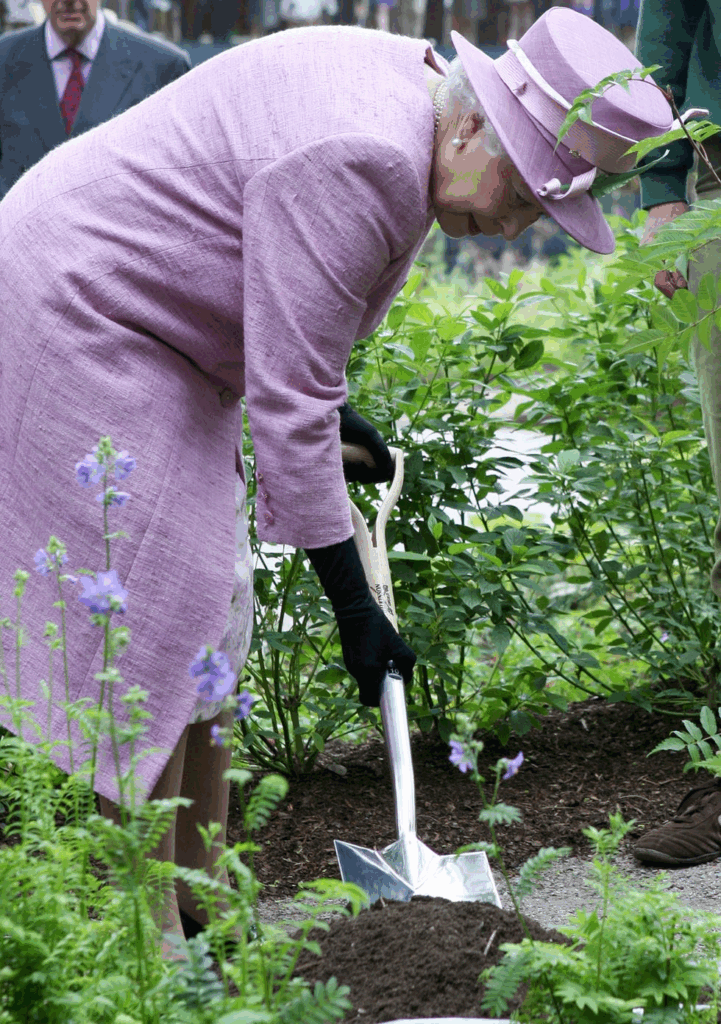
Queen Elizabeth II garden planting served as a poignant tribute to the late monarch, engaging members of the public in a heartfelt spring bulb planting day at Regent’s Park. Developed by The Royal Parks Charity, this new garden memorial is set to create a serene oasis in central London, opening its doors soon. Participants had the unique opportunity to plant bulbs like daffodils and snowdrops, further connecting them to the memory of Queen Elizabeth II. As a significant homage, the garden aims to celebrate her passion for horticulture, notably her long-standing relationship with the Royal Horticultural Society. This vibrant London flower garden promises not only to enhance the natural beauty of the area but also to provide essential resources for local wildlife, including vital pollinating insects during the blooming season.
The newly established tribute in Regent’s Park, dedicated to the memory of Queen Elizabeth II, is designed to be more than just a floral spectacle; it’s a sanctuary for reflection and appreciation of nature. This planting initiative, which involves citizens directly, highlights the importance of community and connection with the environment. By incorporating significant horticultural elements, the garden embodies the late Queen’s legacy in nurturing life through gardening. The Royal Parks Charity is at the forefront of this endeavor, ensuring that the garden not only pays tribute but also serves as a thriving ecosystem in the heart of London. The bulb planting event, with its focus on native species like daffodils, illustrates a commitment to biodiversity and environmental stewardship—values that Queen Elizabeth II passionately upheld throughout her reign.
Celebrating Queen Elizabeth II: A New Garden in Regent’s Park
In memory of Queen Elizabeth II, Regent’s Park has initiated a dedicated garden that aims to celebrate her legacy and love for nature. This new addition, developed by The Royal Parks Charity, occupies a two-acre space designed to provide a peaceful retreat in the bustling heart of London. With plans to open next spring, this garden will not only honor her memory but also serve as a gathering place for the community to reflect on her contributions. The garden offshoots from a tradition of royal connections to gardening, showcasing the deep-rooted relationship between the monarchy and the natural beauty of the British landscape.
The garden embodies Queen Elizabeth II’s passion for horticulture. As the long-time patron of the Royal Horticultural Society, she demonstrated a commitment to nurturing and celebrating plant life throughout her reign. Visitors will be able to engage with the garden through scheduled bulb planting events which directly connect them with the royal legacy. This hands-on involvement in the planting of daffodils and snowdrops not only symbolizes renewal but also invites the community to partake in a living tribute to the Queen’s enduring relationship with nature.
The Role of The Royal Parks Charity in Garden Development
The Royal Parks Charity has played a pivotal role in transforming the vision for this garden into reality. With meticulous planning and design executed by HTA Design, the project aims to create not just a garden, but a serene environment for contemplation. The inclusion of various horticultural elements such as ponds and a diverse selection of plants that hold significance to Queen Elizabeth II emphasizes the charity’s commitment to creating a natural sanctuary. This effort aligns with their mission to conserve and enhance London’s royal parks as beloved public spaces.
By facilitating events like the spring bulb planting day, the charity fosters community engagement, allowing citizens to connect with the garden and, by extension, with the legacy of the late monarch. The Royal Parks Charity’s efforts reflect a broader strategy aimed at merging environmental stewardship with cultural commemoration, ensuring that the garden remains a vibrant space rooted in both history and ecology. This initiative not only beautifies Regent’s Park but also strengthens the community’s bond with their natural heritage.
Engaging the Public: Bulb Planting Events
Community involvement is at the heart of the bulb planting events organized by The Royal Parks Charity. Participation in these one-hour timed slots allows individuals and families to connect with the natural world while honoring Queen Elizabeth II. This direct engagement promises a collective experience that fosters a sense of ownership over the garden as it grows and flourishes. Planting bulbs like daffodils and snowdrops not only contributes to the aesthetic beauty of the garden but also promotes biodiversity by attracting essential pollinators to the area.
Moreover, these events serve as an educational experience, where participants can learn about the importance of native plants and sustainable gardening practices. As visitors plant these flowers, they are reminded of the queen’s dedication to the environment and her passion for gardening. The commitment to offering knowledge alongside gardening activities enhances participants’ appreciation for one of London’s hidden gems, creating lifelong advocates for the garden and the larger ecosystem.
Design Features of Queen Elizabeth II’s Memorial Garden
The design of the Queen Elizabeth II memorial garden in Regent’s Park is created with great intentionality, focusing on harmony and tranquility. One of the standout features is the serene pond, which serves as a calming focal point for visitors, providing a natural habitat for wildlife. The garden also includes a viewing platform that invites guests to pause and reflect on the beauty of their surroundings. This kind of space is essential in urban environments, where noise and activity can often drown out the need for peaceful reflection.
In addition to the pond, the selection of plants throughout the garden highlights those that were significant to Queen Elizabeth II, creating a living tribute that conveys her deep appreciation for nature. From the curated selection of wildflowers to the structured planting of bulbs, each element is designed to blossom in ways that evoke memories of her reign. Such design decisions ensure that the garden not only memorializes the Queen’s legacy but also contributes positively to London’s floral landscape and biodiversity.
London’s Floral Gardens: A Legacy of Beauty
London has long been celebrated for its stunning floral gardens, which serve as an important reminder of the city’s commitment to nature amidst urbanization. The Queen Elizabeth II garden in Regent’s Park joins an illustrious legacy of botanical beauty in the city, which includes other famous green spaces such as Hyde Park and Kew Gardens. These gardens not only provide a breath of fresh air but are also havens for biodiversity, critical for maintaining the ecological balance in urban settings.
As more people become interested in gardening and environmental conservation, initiatives like the bulb planting events encourage a renewed appreciation for these natural spaces. Each flower planted has the potential to educate visitors about plant life and the role gardens play in promoting biodiversity. Through this engagement, London’s floral gardens continue to thrive as both recreational spaces and vital ecological resources, while also commemorating the love for nature that Queen Elizabeth II embodied.
The Significance of Seasonal Planting in Urban Gardens
Seasonal planting activities such as bulb planting hold significant importance in urban gardens. Not only do these activities beautify the surroundings, but they also support local ecosystems by providing food sources for pollinators and other wildlife. Engage in seasonal planting promotes a sense of community and connection among residents and fosters environmental awareness. Events like those organized in honor of Queen Elizabeth II’s legacy create opportunities for people to learn about the specific planting cycles and their effects on urban ecology.
In addition to immediate aesthetic benefits, seasonal planting builds anticipation for future blooms, transforming urban landscapes throughout the year. This enchanting cycle attracts visitors and encourages a deeper appreciation for gardening and sustainability. As the public witnesses the transformation of these planted bulbs into vibrant flowers, it reinforces the value of nurturing green spaces within the city, echoing the legacy of nature-loving figures like the late Queen.
Caring for the Queen Elizabeth II Memorial Garden
Caring for the new garden dedicated to Queen Elizabeth II will require ongoing commitment from The Royal Parks Charity and local community volunteers. After the initial planting phase, efforts will focus on maintaining the garden’s beauty through regular upkeep, watering, and careful tending to the plants. The design includes features that minimize maintenance while maximizing ecological benefits, allowing the garden to sustain itself as much as possible.
Regular community events will ensure that volunteers stay engaged with the garden, fostering a lasting bond between the public and this space of reflection. This shared responsibility underscores the importance of stewardship in gardening, where community involvement can lead to a flourishing environment that pays homage to the natural world and the memory of a beloved monarch.
Impact of the UK National Memorial to Queen Elizabeth II
The UK National Memorial to Queen Elizabeth II is set to make a lasting impact on London’s cultural and historical landscape. By providing a designated space for remembrance, the memorial invites citizens and tourists alike to pay their respects, fostering a sense of unity and reflection. Located in St. James’s Park near Buckingham Palace, the memorial serves as a significant landmark that ties together the Queen’s connection to her people with the beauty of London’s green spaces.
With an estimated construction budget of £23 million to £46 million, this memorial reflects the government’s commitment to honoring her legacy. Such large-scale projects highlight the importance of public funding in preserving historical sites and creating spaces that resonate with shared cultural values. As the memorial develops, it will enhance awareness of the Queen’s influence on gardening and nature, reminding future generations of her enduring impact on the environment.
The Future of Gardening as a Tribute
The initiatives surrounding the Queen Elizabeth II memorial garden and related events may set a precedent for future tributes across the nation. The emphasis on gardening and community involvement reflects a growing recognition of the importance of nature in our lives and highlights how collective actions can create beautiful, meaningful spaces dedicated to commemorations. Moving forward, similar gardens could blossom throughout the UK, each uniquely reflecting national sentiments and local cultures.
As gardening continues to gain popularity, both as a hobby and a therapeutic practice, future tributes could focus on sustainable and eco-friendly designs. These gardens would not only honor legacies but also contribute positively to the environment, showcasing the evolution from traditional memorial practices towards living commemoration spaces. Queen Elizabeth II’s passion for gardening may inspire a renewed commitment to integrating green spaces in memorials across the nation, ensuring her lasting legacy continues to bloom.
Frequently Asked Questions
What is the purpose of the Queen Elizabeth II garden planting event in Regent’s Park?
The Queen Elizabeth II garden planting event in Regent’s Park is a community initiative organized by The Royal Parks Charity to commemorate the life of the late Queen. Participants plant bulbs such as daffodils and snowdrops in a two-acre garden that will serve as a tranquil space for reflection, scheduled to open in the spring next year.
When will the Queen Elizabeth II memorial garden in Regent’s Park open to the public?
The Queen Elizabeth II memorial garden in Regent’s Park is set to open to the public in the spring of next year. This garden, created by The Royal Parks Charity, is part of a broader effort to honor the Queen’s legacy and create a serene space in the heart of London.
What types of bulbs are being planted in the Queen Elizabeth II garden?
During the bulb planting event for the Queen Elizabeth II garden, participants plant various species, including colorful daffodils and delicate snowdrops. These bulbs were selected for their ability to provide nectar and pollen for vital pollinating insects, while also adding beauty to the garden.
Who designed the Queen Elizabeth II memorial garden in Regent’s Park?
The Queen Elizabeth II memorial garden in Regent’s Park was designed by HTA Design, a London-based landscape architecture firm. Their vision is to create a tranquil space that reflects the legacy of Queen Elizabeth II, incorporating a flower garden, pond, and viewing platform.
How does the Queen Elizabeth II garden planting event relate to the Royal Parks Charity?
The Queen Elizabeth II garden planting event is organized by The Royal Parks Charity, which is dedicated to maintaining and enhancing London’s parks. This event aims to engage the public in creating a lasting tribute to the late Queen while promoting biodiversity and community involvement in gardening.
What significant features will the Queen Elizabeth II garden include?
The Queen Elizabeth II garden will feature a pond, a viewing platform, and a flower garden that showcases plants significant to the late Queen. These features are designed to create a peaceful environment for visitors to reflect on her life and contributions.
Are there any other memorials for Queen Elizabeth II in London?
Yes, in addition to the Queen Elizabeth II garden in Regent’s Park, there will also be a UK National Memorial to Queen Elizabeth II located in St James’s Park, near Buckingham Palace. Both sites are part of the broader memorial efforts to honor her legacy.
How can the public get involved in the Queen Elizabeth II garden planting initiatives?
The public can get involved by participating in events like the bulb planting day organized by The Royal Parks Charity. Interested individuals can sign up for time slots to help plant bulbs and engage with the garden’s development, contributing to the lasting tribute to the late Queen.
What is the significance of the plants chosen for the Queen Elizabeth II garden?
The plants selected for the Queen Elizabeth II garden hold particular significance as they are meant to honor the late Queen’s love of gardening and her role as the patron of the Royal Horticultural Society. They are also chosen to attract pollinators and enhance biodiversity in the garden.
What is the historical connection between Queen Elizabeth II and gardening in the UK?
Queen Elizabeth II had a longstanding connection to gardening, having served as the patron of the Royal Horticultural Society since 1952. She frequently attended events like the RHS Chelsea Flower Show throughout her reign, highlighting her passion for horticulture and the importance of green spaces in the UK.
| Key Point | Details |
|---|---|
| Queen Elizabeth II Garden | A new garden in Regent’s Park dedicated to Queen Elizabeth II, opening in spring next year. |
| Public Involvement | Public participated in a spring bulb planting event, planting daffodils and snowdrops. |
| Design and Purpose | Designed by HTA Design to be a tranquil space for reflection in London, with a pond and a flower garden. |
| Insect Support | Chosen bulbs are selected to provide color and support vital pollinating insects. |
| Historical Significance | Queen Elizabeth II was a patron of the Royal Horticultural Society and attended the RHS Chelsea Flower Show regularly. |
| Funding for Memorial | Construction budget for the UK National Memorial set between £23 million and £46 million. |
Summary
Queen Elizabeth II garden planting marks a meaningful public engagement as individuals come together to honor the late monarch through the act of planting bulbs in her dedicated garden in Regent’s Park. The initiative not only celebrates her legacy but also contributes to fostering biodiversity in London, providing essential nourishment for pollinators. This beautiful garden aims to be a tranquil yet vibrant space, reflecting Queen Elizabeth II’s enduring love for horticulture and nature.