
Listen to this article
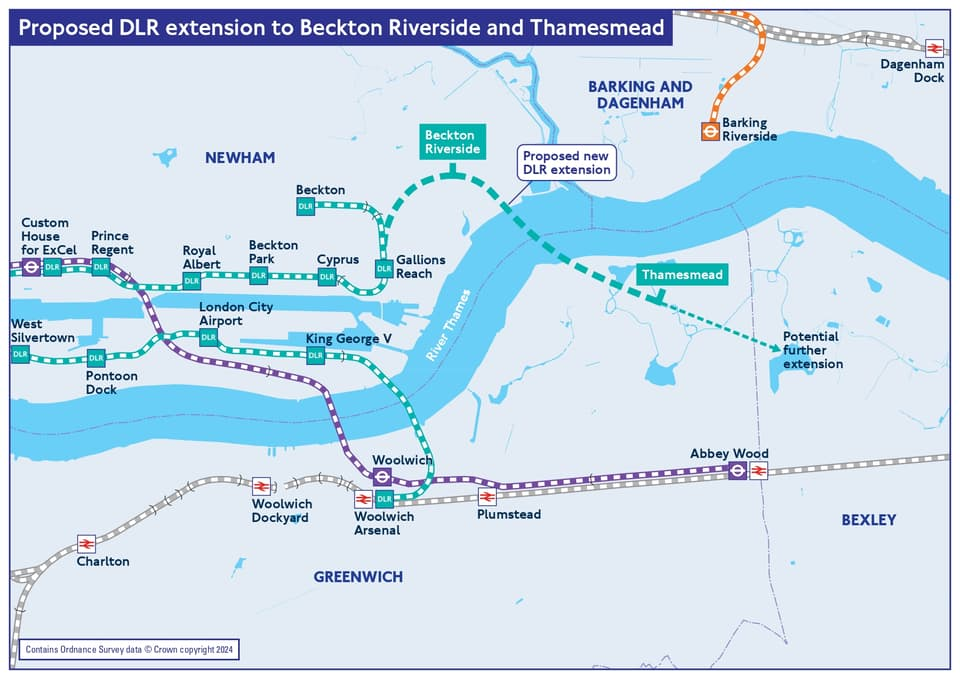
The DLR extension to Thamesmead represents a crucial leap forward in enhancing public transport for one of London’s most underserved districts. This significant development aims to improve Thamesmead transport links, making daily commuting easier and more efficient for the residents while fostering economic growth. By connecting this deprived area to the broader London transport network, the London DLR expansion will open doors to thousands of new homes and job creation opportunities. Moreover, the initiative aligns perfectly with the government’s objectives to stimulate local economies and provide essential infrastructure to areas in need. As the DLR extension progresses, it promises to bring transformative benefits to the community in terms of accessibility and economic upliftment, reinforcing its place in London’s future urban landscape.
The forthcoming Docklands Light Railway expansion towards Thamesmead is set to reshape the local landscape, significantly impacting transportation options within the area. This initiative signifies a substantial effort to upgrade public transportation amenities, crucial for facilitating economic development and housing growth in this historically neglected region of the capital. With the promise of new train services, residents can anticipate improved connectivity and a reduction in travel times, which is expected to stimulate job creation and attract new investments. Additionally, this project aligns with broader urban development goals, ensuring that Thamesmead emerges as a vibrant and accessible community. Enthusiasts of public transport and urban planning alike are eager to see how this extension will influence future residents and businesses.
The Impact of DLR Extension on Thamesmead Transport Links
The Docklands Light Railway (DLR) extension to Thamesmead is set to revolutionize the transport links in one of London’s most underserved areas. Currently, residents face lengthy commute times, with over an hour needed to reach central London. By integrating Thamesmead into the DLR network, journey times will be drastically reduced to approximately 35-40 minutes, offering unprecedented connectivity for local commuters. This enhanced access not only improves daily travel but also positions Thamesmead as a viable option for professionals seeking more affordable housing alternatives within a commutable distance from their workplaces.
Furthermore, the DLR extension is poised to stimulate significant growth in public transport usage within the Thamesmead area. With the introduction of new stations, residents will enjoy easier access to key locations like London City Airport and Stratford, which are major hubs for both work and leisure. This improved connectivity is expected to increase local footfall and encourage businesses to thrive, ultimately boosting the local economy and enhancing the quality of life for Thamesmead’s residents.
Job Creation and Economic Growth Through the DLR Extension
The introduction of the DLR extension to Thamesmead is expected to create approximately 10,000 new jobs, a major boon for a district that has long struggled with high unemployment rates. This new employment landscape will not only provide more job opportunities but also contribute to the skill development of the local populace. With the area set to attract significant private investment (estimated at nearly £18 billion), the DLR extension serves as a catalyst for economic revitalization, driving up local property values and fostering community investment.
Rachel Reeves’ support for this key transport initiative indicates a significant investment in the future of Thamesmead. By ensuring the funding for the DLR extension, the government is essentially laying the groundwork for a sustainable economic environment. With more jobs, the potential for increased disposable income will also foster further local spending, strengthening the overall economy in Thamesmead. This aligns with the government’s broader objective of economic growth through infrastructural investment, promising a brighter future for residents.
New Homes and Community Development in Thamesmead
The DLR extension to Thamesmead is not just a transport project; it promises to unlock the development of approximately 25,000 new homes in the area. This is particularly crucial for addressing London’s housing crisis, where affordable housing options are urgently needed. The anticipated housing developments will cater to a range of demographics, aiming to ensure that the new homes are inclusive and support diverse community needs. Such initiatives will attract a broader population to the district, creating vibrant neighbourhoods that can flourish.
In addition to residential units, the accompanying infrastructure developments will enhance public spaces and community facilities in Thamesmead. With the planned significant investments in public transport, new residents are likely to find a more appealing living environment that provides not just homes but also a variety of amenities. This integration of residential and commercial development will foster community spirit and encourage social interaction, reinforcing Thamesmead’s identity as a desirable place to live and work.
Transforming Thamesmead: Community Voices and Future Opportunities
Community support for the DLR extension has been palpable, with local residents expressing enthusiasm for the promised improvements. Many view the extension as a crucial step towards transforming Thamesmead from a historically deprived area into a thriving community. The project has sparked discussions about further development tailored to meet residents’ needs, making this an exciting time for stakeholders invested in the future of Thamesmead.
Moreover, this transformation reflects a broader understanding of urban regeneration, as stakeholders recognize the importance of integrating community feedback in the planning process. As Thamesmead welcomes new investments and residents, it is critical to develop facilities and services that reflect the community’s values and aspirations, ensuring that growth is both sustainable and beneficial for all.
Thamesmead’s Historical Context and Future Prospects
Understanding Thamesmead’s historical context is essential when evaluating the potential impact of the DLR extension. Known for its brutalist architecture and portrayal in Stanley Kubrick’s films, Thamesmead has a rich, albeit complex, narrative that shapes its identity today. The extension will serve to not only reshape its transport landscape but also encourage a re-evaluation of its cultural significance, paving the way for innovative urban design that respects history while embracing modernity.
Looking toward the future, the DLR extension places Thamesmead firmly on the map of London’s developmental focus, promising a blend of history, culture, and modern living. This alignment with broader urban development goals signifies an opportunity to re-establish Thamesmead as a vibrant part of London, where both legacy and progress can coexist harmoniously, ultimately benefiting residents and newcomers alike.
Environmental Considerations of the DLR Extension
The environmental implications of the DLR extension to Thamesmead are significant and require careful consideration. The construction and operation of the new rail lines must adhere to sustainable practices to minimize ecological footprints and preserve local biodiversity. Initiatives to create green spaces around the new transport links will further enhance the area’s environmental quality, promoting a healthier lifestyle for residents and visitors.
Moreover, the transition towards a reliable and efficient public transport system is vital in efforts to reduce traffic congestion and carbon emissions. By encouraging more people to utilize public transport options like the DLR, Thamesmead can contribute to a reduction in reliance on personal vehicles. This change not only aligns with London’s commitment to lowering its overall carbon footprint but also promotes a cleaner, more sustainable urban environment.
Government Strategies Supporting the DLR Extension
The UK government’s endorsement of the DLR extension to Thamesmead reflects strategic planning aimed at addressing long-term infrastructural needs. This initiative fits into a larger framework of urban investment strategies designed to strengthen connectivity across London, thereby facilitating economic growth and social inclusion. With plans in motion, the government’s proactive approach seeks to ensure that Thamesmead becomes a significant contributor to the capital’s future.
This steadfast commitment to enhancing public transport accessibility in underserved areas aligns with national objectives of leveling up infrastructure. The government recognizes that improving access to London’s transport network encourages growth in more deprived districts like Thamesmead, unlocking potential that has historically remained untapped. This strategy underscores a vision for an interconnected London where all areas can thrive.
The Role of Local Governance in Shaping DLR Extension Outcomes
Local governance plays a pivotal role in ensuring that the DLR extension to Thamesmead meets the needs and expectations of the community. This involves engaging with residents throughout the development process, gathering feedback and insights that can shape the project’s implementation. By fostering a collaborative approach to planning, local authorities can facilitate a smooth integration of the extension into the community, maximizing its benefits for both current and future residents.
Additionally, local governance can harness the momentum from the DLR extension to launch complementary initiatives aimed at enhancing community well-being. This can include investment in education, healthcare, and local business support, creating a holistic network of services that augments the advantages brought by improved transport links. By taking a proactive stance, local leaders can ensure that the economic and social benefits of the DLR extension translate into meaningful improvements for Thamesmead’s residents.
Investing in Future Transport Solutions Beyond DLR Extension
While the DLR extension is a significant milestone for Thamesmead, discussions surrounding future transport solutions are equally important. Exploring additional modes of transportation, such as cycle lanes and pedestrian pathways, can further enhance the accessibility of the area. A multi-modal transport approach will cater to diverse commuting preferences while ensuring that Thamesmead becomes a model for future urban planning efforts within London.
The focus on expanding transport solutions reflects a holistic view of urban development, one that prioritizes not just connectivity but also sustainability and livability. As Thamesmead evolves and grows, it will be essential to continue exploring innovative transport initiatives that can complement the DLR extension and create a cohesive transportation network for its residents.
Frequently Asked Questions
What is the DLR extension to Thamesmead and why is it important?
The DLR extension to Thamesmead is a proposed expansion of the Docklands Light Railway that aims to connect one of London’s most isolated districts with the capital. This extension is critical because it addresses long-standing transportation gaps, supports the construction of new homes, and is expected to create substantial job opportunities, ultimately enhancing public transport in Thamesmead.
How will the DLR extension improve public transport in Thamesmead?
The DLR extension will significantly enhance public transport in Thamesmead by providing a reliable rail link to key areas in London. Currently, commutes from Thamesmead to central locations take about an hour. The new DLR line is projected to reduce travel times to the City of London to 35-40 minutes and to Stratford to approximately 30 minutes, making it easier for residents to access employment and services.
What economic benefits will the DLR extension to Thamesmead bring?
The DLR extension to Thamesmead promises extensive economic benefits, including the development of 25,000 new homes and the creation of up to 10,000 jobs. The project is anticipated to attract nearly £18 billion in private investment, stimulating economic growth in the region and improving living standards for local residents.
How does the DLR extension fit into London’s overall transport strategy?
The DLR extension to Thamesmead is a vital component of London’s transport strategy aimed at expanding transport links in underserved areas. By facilitating better connectivity and reducing travel times, it supports the city’s broader goals of economic growth, job creation, and housing development, particularly in deprived regions.
What makes Thamesmead a candidate for the DLR extension?
Thamesmead has been designated for the DLR extension due to its long-standing lack of effective public transport links and its potential for redevelopment. Recognized as one of London’s most deprived areas, improved rail connections are essential for revitalizing the community, generating new jobs, and making the area more attractive for residential development.
When is the DLR extension to Thamesmead expected to be completed?
While the exact completion date for the DLR extension to Thamesmead has yet to be announced, Transport for London (TfL) has planned for the potential project to be operational by 2024. This timeline aims to address the urgent transport needs of the Thamesmead community.
What challenges has the DLR extension to Thamesmead faced?
The DLR extension to Thamesmead has encountered various challenges, including historical proposals that never materialized and infrastructure funding limitations. However, recent governmental support has reignited confidence in the project, making it a priority to improve Thamesmead’s transport links.
How will the DLR extension affect job creation in Thamesmead?
The DLR extension to Thamesmead is expected to create significant job opportunities, with estimates suggesting up to 10,000 new jobs. This job creation will stem not only from the construction phase of the extension but also from the increased accessibility and commercial activity in the area as new homes and businesses are established.
| Key Point | Details |
|---|---|
| Funding Announcement | Rachel Reeves is expected to announce funding for the DLR extension in next week’s budget. |
| Economic Development | The extension aims to create thousands of new homes and jobs, enhancing economic growth in Thamesmead. |
| Current Transportation Issues | Thamesmead lacks fixed public transport links, contributing to its status as one of London’s poorest districts. |
| Journey Time Improvements | The new DLR line is expected to reduce travel times significantly, with trips to London taking about 35-40 minutes. |
| Project Cost | The estimated cost for the DLR extension is approximately £1.7 billion. |
| Support from Leadership | The project has the backing of London’s Mayor, Sadiq Khan, and is viewed as a major opportunity for growth. |
| Potential Housing and Job Creation | The extension could open up land for 25,000 new homes and 10,000 new jobs, along with attracting £18 billion in private investment. |
Summary
The DLR extension to Thamesmead represents a transformative project for one of London’s most deprived districts. This initiative not only aims to provide vital public transport links but also seeks to rejuvenate the area through the creation of thousands of new homes and jobs. With significant economic implications and support from key leaders like Rachel Reeves and Sadiq Khan, the DLR extension to Thamesmead is poised to enhance connectivity and promote growth, ultimately improving the quality of life for residents.