
Listen to this article
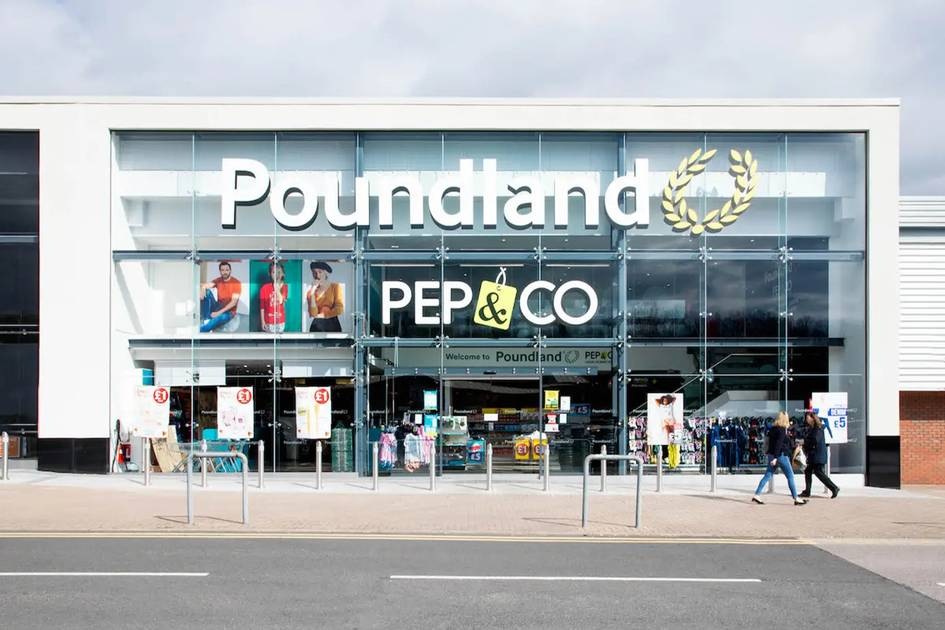
Poundland struggles have become increasingly apparent, especially during a time when consumers are feeling the weight of the cost-of-living crisis. With recent store closures, including its location in Peckham, the discount retail giant finds itself grappling with shifting consumer habits and fierce retail competition in the UK. The combination of rising costs and increased competition from both supermarkets and emerging online discount platforms has put immense pressure on traditional budget shops. As shoppers become savvier in their approach to discount shopping trends, they are increasingly turning to alternatives that offer lower prices or better value for money. This evolving landscape poses significant challenges for Poundland as it attempts to navigate these turbulent waters and redefine its market position amid budget retail challenges.
The struggles faced by Poundland highlight the broader difficulties confronting low-cost retailers in today’s economic climate. As the UK grapples with a rising cost of living, many shoppers are reassessing their spending habits, often favoring online platforms and newer competitors that offer enticing deals. This shake-up in the discount retail sector reflects a shift in consumer behavior, where budget-conscious individuals now have an array of options beyond traditional pound shops. Furthermore, the challenges are compounded by economic factors such as inflation and supply chain disruptions that continue to affect pricing strategies. In an era where affordability is paramount, the ability of retailers to adapt to these changes will undoubtedly be crucial in determining their survival.
The Decline of Poundland: A Cautionary Tale
Poundland has long been a staple of budget retail in the UK, known for its enticing offers and wide range of products. However, the recent string of store closures has painted a grim picture of its future. Over the past year, more than 100 stores have shut down, highlighting significant challenges within the budget retail sector. This decline comes at a time when budget shopping should ideally thrive due to the cost-of-living crisis, yet consumers are increasingly choosing their places of purchase more selectively. As Poundland struggles, it raises vital questions regarding the sustainability of such retail models in a rapidly evolving market.
The closure of its Peckham store, a location that catered to a community heavily reliant on affordable goods, reflects a deeper issue. As shoppers gravitate towards hyper-local, competitive options, Poundland seems to be losing touch with its core audience. Retail experts argue that the brand’s complexity, including varied pricing strategies and diversification into Pepco clothing, has alienated loyal customers. The case of Poundland serves as a cautionary tale for other discount retailers, emphasizing the need for simplicity and a strong understanding of consumer behavior in today’s economic climate.
Understanding Budget Retail Challenges Amid Cost-of-Living Crisis
The current cost-of-living crisis has created a unique situation for budget retailers, which should typically benefit from economic downturns. However, budget retailers like Poundland and others are facing daunting challenges. The competitive landscape in the UK retail sector is changing, with discount supermarkets such as Aldi and Lidl continuing to make significant inroads with consumers who are increasingly interested in value for money. As the consumer landscape shifts, budget stores must adapt to these trends or risk obsolescence.
As disposable incomes shrink, shoppers are now more discerning, often utilizing technology to evaluate and compare prices before making purchases. Retail experts note that this shift in consumer behavior represents a broader trend in budget shopping, where outsmarting stores has become commonplace. Therefore, although there remains a strong desire for affordable shopping options, the approach to accessing those bargains has evolved, posing challenges for traditional retailers who are not quick enough to adapt.
The Impact of Retail Competition on Discount Stores
In the realm of budget retail, competition is fiercer than ever, particularly in the UK. As noted in the retail landscape, not only are traditional discount stores like Poundland facing unique hurdles, but new players such as online giants and niche discount retailers are redefining consumer expectations. Chinese e-commerce platforms such as Temu and AliExpress have entered the scene, providing ultra-low-cost alternatives that often bypass the traditional retail model altogether. Consequently, shoppers are finding it easier than ever to procure inexpensive goods without ever stepping foot in a store.
This competitive pressure forces established brands to rethink their strategies. With the likes of Amazon launching low-cost shopping sections, it’s imperative for brick-and-mortar stores to reassess their offerings and pricing structures. Brands that fail to innovate risk being left behind in an age where convenience is paramount. Retailers need to enhance their appeal by ensuring that they not only provide low prices but also a unique shopping experience that cannot be replicated online.
Poundland Store Closures: A Signal of the Times
The wave of closures facing Poundland serves as a significant indicator of the shifting dynamics within the retail sector. Closing over 100 stores not only impacts the brand’s ability to serve local communities but also points to broader trends where budget retailers are struggling to maintain foot traffic in an environment filled with alternative shopping options. The holistic view of this trend stresses that in a competitive marketplace, merely being cheap is no longer sufficing. Retailers must provide an experience and connection with their customers to retain loyalty.
The store closures will doubtlessly impact communities that rely on affordable options. As reflected in the anecdote of the Peckham resident lamenting her lost Poundland, such closures leave gaps in the market that are not easily filled by other retailers. Only time will tell whether a focused turnaround strategy can reverse Poundland’s current trajectory, but the challenges they face are emblematic of a larger narrative where budget shops must evolve to adapt to their consumer’s changing needs and behaviors.
The Rise of Discount Shopping Trends
The trend towards discount shopping has shown resilience, particularly during economic downturns. The appetite for budget-friendly options indicates that consumers remain keen on finding ways to save money. Whether it’s through digital platforms that provide extreme discounts or brick-and-mortar stores offering tailored deals, the landscape continues to evolve. Retailers that can adapt to these trends will find opportunities even in challenging conditions.
As companies like Home Bargains and The Range thrive amidst these changes, they showcase how ingenuity and a deep understanding of market conditions can lead to expansion. Their ability to not only offer compelling pricing but also maintain customer engagement sets them apart as the budget retailers to watch. Meanwhile, others like Poundland must reassess their strategies to keep pace with the shifting dynamics rather than adhering to outdated business models.
Cost-of-Living Crisis: The Unforeseen Pressure on Retail
The current economic landscape, marked by rising living costs and inflation, presents unprecedented challenges for the retail sector. Budget stores, once seen as safe havens during financial crises, are not immune to these pressures. The cost-of-living crisis has forced retailers to balance rising operational costs while trying to keep prices low for consumers, creating a precarious financial environment that makes it harder for brands like Poundland to survive.
As the cost of doing business increases with factors such as higher wages and increased national insurance contributions, discount retailers find themselves in a bind. They must navigate these financial burdens without alienating their price-sensitive customer base. If budget shops cannot recalibrate their strategies to effectively cover increased costs while maintaining a reputation for value, they may find themselves forced to scale back operations further, impacting shoppers looking for affordable solutions.
Consumer Behavior: Shifts Towards Smart Shopping
The way consumers shop has transformed dramatically in recent years, aided by technology and a greater emphasis on price comparison. Consumers today are equipped with smartphones, allowing them to research alternatives and seek out the best deals before making purchases. This shift has put additional pressure on budget retailers to remain competitive by not just providing low prices but also being savvy about consumer demand.
The importance of adapting to these changing behaviors cannot be overstated. Retailers must acknowledge that the budget shopping experience has shifted from a simple transactional model to one encompassing engagement and interaction. Retailers that leverage social media, for example, can cultivate a sense of community while offering deals, making their stores not just places to shop but experiences to enjoy.
Future Prospects: The Road Ahead for Budget Stores
As the UK retail landscape continues to evolve, the road ahead for budget stores like Poundland is fraught with both challenges and opportunities. With the right adjustments to their operational strategies, these retailers can not only survive the current climate but potentially thrive in the future. By focusing on customer preferences, engaging pricing models, and adapting to the increasing competition from online retailers, they can fortify their position in the market.
Looking forward, it is crucial that these retailers learn from the pitfalls of others who have faltered in today’s landscape. Simplifying offerings, enhancing customer experience, and progressing with technological adoption could prove pivotal in carving out a sustainable future amidst the ongoing challenges posed by the cost-of-living crisis and evolving consumer expectations.
Frequently Asked Questions
What are the main reasons for Poundland struggles during the cost-of-living crisis?
Poundland struggles are mainly attributed to a combination of increased operating costs, heightened retail competition in the UK, and changing consumer behavior. Shoppers are adapting their budget retail strategies, often using price comparisons and online platforms to find better deals, which puts pressure on traditional discount chains like Poundland.
How is the cost-of-living crisis affecting discount shopping trends at Poundland?
The cost-of-living crisis has shifted discount shopping trends, with many consumers becoming more price-savvy and using technology to track deals. As a result, Poundland is experiencing challenges in maintaining its customer base, as shoppers seek the lowest prices across various platforms, including online retailers.
Why is Poundland closing stores despite being a budget retailer?
Poundland is closing stores due to unprofitable locations and the need to streamline operations in light of rising costs and intense retail competition. The store closures are part of a turnaround plan aimed at stabilizing the business amid challenging trading conditions fueled by the cost-of-living crisis.
What does the future hold for Poundland amidst retail competition in the UK?
The future for Poundland amidst retail competition looks challenging. While the company is implementing a turnaround plan and simplifying its pricing strategy, it must adapt to changing consumer behaviors and fierce competition from both online retailers and other discount chains to regain market share.
How is the cost-of-living crisis redefining budget retail challenges for Poundland?
The cost-of-living crisis is heightening budget retail challenges for Poundland by increasing operational costs and intensifying competition from other retailers, including supermarkets that offer competitive pricing. This dynamic forces Poundland to reassess its pricing strategy and product offerings to remain relevant to budget-conscious shoppers.
What impact does the rise of online discount shopping platforms have on Poundland’s struggles?
The rise of online discount shopping platforms contributes significantly to Poundland’s struggles. With competitors like Temu and AliExpress offering ultra-cheap products directly to consumers, Poundland faces pressure to keep its prices competitive while contending with operational costs that limit its pricing flexibility.
How is Poundland’s business model affected by the current economic conditions?
Poundland’s business model is heavily affected by current economic conditions, particularly the cost-of-living crisis. The company’s reliance on a low-price point strategy is challenged by inflation, rising costs of goods, and increased competition from more versatile discount and online retailers.
In what ways is Poundland adapting its strategy in response to struggles in budget retail?
In response to its struggles in budget retail, Poundland is adapting its strategy by closing underperforming stores, negotiating lower rents, and simplifying its product offerings to focus on core, cost-effective items that appeal to price-sensitive consumers.
| Key Points | Details |
|---|---|
| Closure of Stores | Poundland has closed over 100 stores or earmarked them for closure amid a cost-of-living crisis. |
| Consumer Behavior Change | Shoppers are becoming smarter about pricing, sharing deals via social media. |
| Increased Competition | Poundland faces rising costs and competition from online retailers and extreme discounting. |
| Inflation Impact | The value of £1 has diminished due to inflation, impacting the budget retail model. |
| Need for Adaptation | Poundland has started simplifying pricing and focusing on core products. |
| Future Challenges | Rising minimum wage and national insurance costs pose further challenges to budget retailers. |
| Potential Recovery | Experts believe that with a return to basics, Poundland could recover in the long run. |
Summary
Poundland struggles to maintain its foothold in the retail market amidst rising costs and changing consumer behaviors. Despite being a go-to for budget shopping, the company finds itself closing stores and revising its business model to adapt to an increasingly competitive landscape. As inflation erodes the purchasing power of the pound, Poundland must strategize effectively to win back shoppers and redefine its value proposition in an era of savvy consumers.

