Listen to this article
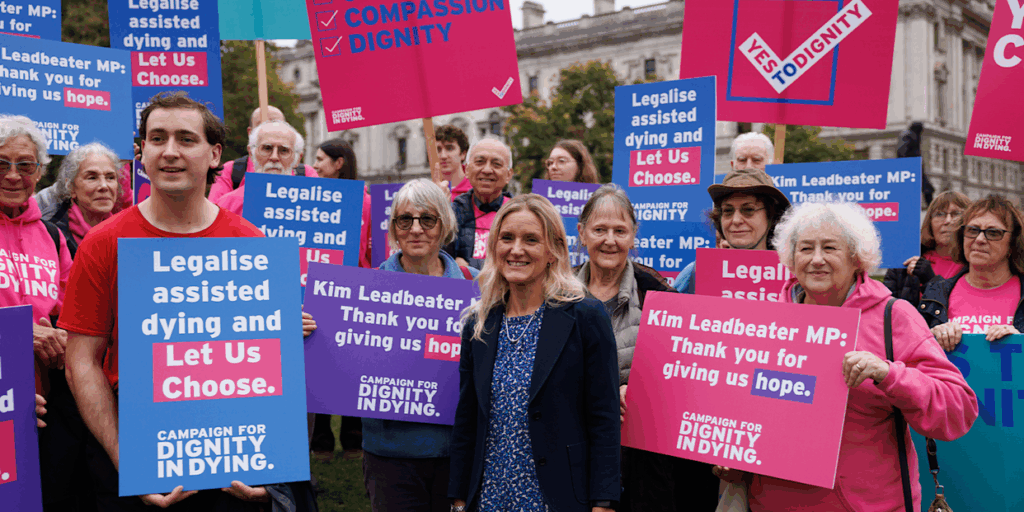
The assisted dying bill has been a pivotal topic in recent parliamentary discussions, particularly as Labour MP Kim Leadbeater expresses concerns over its progress in the House of Lords. Following a historic vote in June, this legislation aims to legalize assisted dying in England and Wales, yet its passage faces hurdles due to the over 1,000 proposed amendments introduced in the Lords. Leadbeater has warned that time is running out, emphasizing the need for urgency in the parliamentary procedure to ensure the bill’s approval. As peers deliberate various safeguards to prevent coercion and protect vulnerable individuals, the upcoming debates will be crucial for determining the future of this significant end of life bill. The ongoing House of Lords debate highlights the complexities involved in passing assisted dying legislation and the importance of respecting the democratic process in shaping such a critical law.
The current discourse surrounding the assisted dying bill reveals a complex landscape of legislation aimed at enabling individuals to choose a dignified end to their lives. This contentious topic, often referred to as euthanasia or physician-assisted suicide, has sparked significant debate within the corridors of power. Kim Leadbeater, the Labour MP championing this cause, remains concerned about potential delays in parliament that could hinder the bill’s momentum. As discussions unfold in the House of Lords, issues surrounding the implications of such a law continue to evoke passionate opinions on both sides, reflecting society’s evolving views on end-of-life choices. Ultimately, the legislative journey of this proposed law underscores the intricate balance between compassion and ethical considerations in end-of-life scenarios.
Concerns Rise Over the Assisted Dying Bill Passage
The ongoing debate surrounding the assisted dying bill has intensified, particularly as certain members of the House of Lords express their intention to introduce significant amendments. Kim Leadbeater MP, the advocate behind the legislation, has voiced her concerns about the potential delay in implementing vital changes. With over 1,000 proposed amendments submitted to the Lords, Leadbeater emphasizes the urgency of discussing these amendments to prevent the bill from languishing in parliamentary procedure. Lawmakers are approaching a ‘crunch point’ where expediting discussions is critical to ensure the bill progresses through both Houses of Parliament.
As it stands, fewer than 30 amendments have been discussed in the House of Lords, highlighting the slow pace of debate. The original intention of the assisted dying legislation was to offer terminally ill patients more control over their end-of-life choices. However, without vigorous engagement and cooperative dialogue among peers, the bill risks unnecessary delays that could ultimately thwart its implementation. The fundamental question remains whether the urgent desires of the House of Commons will translate into meaningful advancements in the House of Lords.
End of Life Bill and the Role of the House of Lords
The passage of the Terminally Ill Adults (End of Life) Bill is being significantly challenged within the House of Lords, where numerous revisions are being proposed. Advocates for the bill argue that the Lords should be mindful of the democratic process, especially since MPs have already expressed overwhelming support for the legislation. Efforts to delay or complicate the bill could undermine the collective will of those who elected their representatives to act on this crucial matter. Kim Leadbeater has emphasized the need to respect the decision of the Commons and insists that the leadership in the Lords should align with public sentiment favoring the bill.
Furthermore, the ongoing discourse has raised pivotal questions about the role of the House of Lords in shaping such significant legislation. During past instances where similar proposals failed—for instance, the 2014 attempts to legalize assisted dying—there has been a clearer lack of support from the Commons. However, with the current draft backed by MPs, there is an opportunity for the Lords to craft a more robust bill that instills necessary safeguards. This collaborative approach could ensure that the legislation not only passes but also addresses concerns related to vulnerable populations.
The Importance of Safeguards in Assisted Dying Legislation
One of the primary concerns surrounding the assisted dying bill is the need for adequate safeguards to protect vulnerable individuals from potential coercion. As highlighted during debates, many peers are advocating for a comprehensive examination of a series of amendments designed to enhance these protections. Leadbeater has acknowledged the necessity of safeguarding clauses, stating that experiences in other jurisdictions have demonstrated the importance of robust legal frameworks in assisted dying legislation. It remains crucial for lawmakers to engage in thorough discussions about these safeguards, ensuring that the final bill maintains its integrity and public confidence.
In discussions regarding the amendments, dignitaries like former High Court judge Elizabeth Butler-Sloss have brought attention to the need for careful consideration of existing concerns while still allowing for the bill’s progression. The overarching aim is to strike a balance between honoring individual choices and ensuring that adequate measures are in place to prevent abuse. Effective safeguards should not only reassure the public but also ensure that all stakeholders feel a sense of protection within the legislative framework of assisted dying.
Navigating Parliamentary Procedures for Bill Advancement
Navigating the intricate parliamentary procedures can significantly determine the future of the assisted dying legislation. With many proposed amendments in the House of Lords, the procedure appears daunting for the bill’s advocates. This situation highlights the importance of tactical parliamentary maneuvering and collaboration among lawmakers to ensure timely progression. Currently, there are suggestions to increase sitting days or extend debate hours to cut through the legislative bottleneck.
Engaging in creative solutions for scheduling debates is essential, as the risk of running out of time looms over this critical legislation. The Hansard Society has indicated that enhanced strategies, such as reallocating time reserved for alternative subjects, may pave the way for necessary discussions on the assisted dying bill. Ultimately, it will be essential for both MPs and peers to work cohesively within parliamentary procedures to bring the bill to a firm conclusion, respecting the will of the electorate and the democratic process.
Historical Context of Assisted Dying Legislation
The history of assisted dying legislation in the UK has been tumultuous, marked by both progress and setbacks. Previous attempts, including the failed bills in the House of Lords in years past, have shaped current discussions and the approach lawmakers are taking today. Particularly notable is the contrast with Kim Leadbeater’s bill, which has garnered support from the Commons, setting a precedent not seen before. The historical context provides vital lessons on the necessity of engaging both Houses in capable and respectful debate.
Past legislation has often been framed as contentious, and its absence from major manifestos indicates a level of reluctance from mainstream political parties to address the subject decisively. It raises interesting debates about the responsibilities of legislators to follow public sentiment and the moral obligations they hold towards their constituents. As the current iteration of the assisted dying bill progresses, understanding these historical dynamics is crucial to implementing successful and democratic legislation.
The Role of Public Sentiment in Assisted Dying Legislation
Public sentiment plays a critical role in shaping the legislative landscape of assisted dying. As evidenced by polls and voter opinions, there is considerable support for legalizing the option of assisted dying among the population. This growing acceptance reflects a changing landscape in societal values regarding personal choice and autonomy at the end of life, compelling lawmakers to reconsider their positions. Advocates like Kim Leadbeater stress the need for MPs and peers to align legislative efforts with the ethos of contemporary public sentiment.
As debates unfold within the House of Lords, it becomes ever more important for peers to listen to the voices of their constituents. Understanding the public’s perspective not only aids in fostering trust in parliamentary processes but also encourages a more responsive legislative approach. Equipped with insights from public opinion, lawmakers can work towards comprehensive legal frameworks that resonate with societal values while ensuring vulnerable individuals are protected throughout the assisted dying process.
Navigating Ethical Concerns with Assisted Dying Bills
As discussions on assisted dying evolve, ethical concerns remain at the forefront. There is a palpable tension between respecting individual autonomy and safeguarding against the potential for exploitation. Critics of the assisted dying bill often highlight the possible hazards that come with allowing such a choice, arguing that ethical frameworks need robust crafting to prevent adverse consequences. Key figures in parliamentary discourse, including peers emotionally invested in the morality of the debate, believe that ethical safeguards are needed to navigate these complex waters.
Consequently, it is imperative for lawmakers to ensure that ethical considerations are not only acknowledged but vigorously debated within parliamentary procedures. These dialogues must encompass the potential psychological, societal, and emotional implications of legalizing assisted dying, especially for vulnerable individuals. By thoroughly examining these ethical dimensions, MPs and peers can create a comprehensive structure that honors the integrity of all constituencies while addressing critical concerns surrounding assisted dying.
The Impact of Parliamentary Delay on Assisted Dying Bill
The ongoing delay in the progress of the assisted dying bill is causing mounting frustration among supporters and stakeholders. With the session of Parliament drawing to a close, the pressure is on to see the bill pass through the House of Lords. Delay tactics or procrastination can have far-reaching implications, including the reintroduction of lengthy debates that may push discussions beyond the current parliamentary session deadline. Kim Leadbeater has emphasized that swift action is necessary to address and implement the changes supported by the public.
Critics who advocate for more time express concerns that hasty decisions may lead to poorly crafted legislation, thus compromising essential safeguards. However, opponents argue that the urgency of the bill should not be overshadowed by endless amendments and objections that have already been debated. Clear communication among those in Parliament is necessary to not only expedite debate but also to maintain the bill’s integrity amidst the pressures of diplomacy and public expectation.
Future Directions for Assisted Dying Legislation
Looking ahead, the future of assisted dying legislation will depend on the outcomes of current debates and amendments proposed within both Houses of Parliament. The resolution of key contention points will ultimately determine whether the law retains support from both lawmakers and constituents. With parliamentary momentum, advocates believe that there is a possibility of creating a significant legal framework that could guide assisted dying practices effectively.
Additionally, there’s a highway of possibilities regarding the way future legislation may evolve in light of ongoing discussions and public interest. As public awareness surrounding assisted dying continues to grow, it’s likely that future bills may encompass a broader range of considerations, integrating ethical, legal, and social dimensions deeply into the context. Engaging with all stakeholders, including medical professionals, ethicists, and the affected families, will be pivotal in shaping the future trajectory of assisted dying legislation in the UK.
Frequently Asked Questions
What is the current status of the assisted dying bill in the House of Lords?
The assisted dying bill, which aims to legalize assisted dying in England and Wales, has faced significant challenges in the House of Lords. As of now, over 1,000 amendments have been proposed, and discussions have been slow, with fewer than 30 amendments debated in the allocated sessions. It must be approved by both Houses of Parliament to become law.
Who is Kim Leadbeater MP, and what role does she play in the assisted dying legislation?
Kim Leadbeater MP is the Labour Member of Parliament behind the assisted dying legislation. She has been vocal about her concerns regarding its passage, stating that certain members of the House of Lords may be attempting to frustrate the bill’s progress after it was previously passed by MPs.
What are the main concerns raised during the House of Lords debate on the assisted dying bill?
During the House of Lords debate on the assisted dying bill, key concerns include the need for additional safeguards to protect vulnerable individuals and ensuring that thorough discussions take place regarding any amendments proposed. Critics argue that significant redrafting is necessary for the legislation to be safe and effective.
What is the significance of the assisted dying bill being proposed by a backbench MP?
The significance of the assisted dying bill being proposed by a backbench MP, Kim Leadbeater, rather than the government, is that it makes the bill more vulnerable to running out of parliamentary time for debates. This status has complicated its passage in the House of Lords, which requires both Houses’ agreement for the bill to pass into law.
How do parliamentary procedures affect the progress of the assisted dying legislation?
Parliamentary procedures, such as the committee stage and the allocation of debating time, have significantly affected the progress of the assisted dying legislation. With over 1,000 amendments and limited time allowed for debates, the bill’s passage through both Houses of Parliament has been slow, risking its chance to become law before the session ends.
What steps could be taken to expedite the discussion of the assisted dying bill in the House of Lords?
To expedite the discussion of the assisted dying bill in the House of Lords, potential steps include scheduling additional Friday sittings traditionally reserved for backbench MPs’ bills, reallocating time from other subjects, or extending hours of debate on weekdays to ensure all amendments are thoroughly discussed.
What happened with a similar assisted dying bill in 2014?
A similar assisted dying bill proposed in 2014 did not pass in the House of Lords. One of the key differences was that the 2014 bill had not been approved by MPs. This highlights the varying legislative dynamics and the current bill’s more favorable position after receiving support from the Commons.
How do parties view the assisted dying bill in terms of voting guidelines for MPs?
The assisted dying bill is treated as a matter of conscience by the major parties, meaning they will not impose strict voting guidelines on their MPs. This approach allows individual parliamentarians to vote according to their personal beliefs regarding assisted dying.
Why is the assisted dying bill facing scrutiny regarding its language and safeguards?
The assisted dying bill is facing scrutiny regarding its language and safeguards because critics argue that the current draft does not adequately protect vulnerable individuals from potential coercion or encouragement towards assisted death. Many peers call for clear and effective safeguards to ensure the bill promotes safety and respect for autonomy.
| Aspect | Details |
|---|---|
| Legislative Context | The assisted dying bill aims to legalise assisted dying in England and Wales. |
| Current Progress | The bill has passed its first stage in the House of Lords but faces over 1,000 proposed amendments. |
| Timeline | The current parliamentary session ends in the spring, requiring swift action for the bill’s progress. |
| Proponents’ Concerns | MP Kim Leadbeater worries about delays and potential frustration tactics by peers. |
| Opposition’s Stance | Critics argue for significant redrafting to protect vulnerable individuals. |
| Historical Context | A similar bill in 2014 did not pass, raising concerns about the current bill’s fate. |
| Next Steps | Ministers may explore options for extending debate time on amendments. |
Summary
The assisted dying bill is a significant legislative proposal that has sparked intense debate in Parliament. Kim Leadbeater, the Labour MP advocating for its passage, highlights the challenges posed by an overwhelming number of amendments, which could hinder timely approval. As discussions unfold, it is critical for both Houses to respect the democratic process and ensure that the final legislation reflects the needs and protections required for vulnerable individuals. Engaging in constructive dialogue is essential to advance the assisted dying bill toward becoming law.