Listen to this article
Labour decline in Wales has emerged as a pivotal topic in recent political discourse, particularly following the notable shift in voter sentiment during the recent Caerphilly by-election. Once regarded as a stronghold for the Labour Party, the election results revealed a startling trend: Labour finished in a distant third place, trailing behind both Plaid Cymru and Reform UK. This significant decline raises urgent questions about the Welsh Labour performance heading into the upcoming Senedd elections, where party loyalty is being tested like never before. As voters demonstrate increasing frustration with Labour’s handling of critical issues such as the NHS, the party’s dominance in Wales politics faces a potentially seismic shift. The combination of these factors indicates that Labour’s grip on Wales could be loosening, setting the stage for a dramatic electoral transformation come May.
The waning influence of the Labour Party in Wales is difficult to ignore, especially as opposition parties like Plaid Cymru and Reform UK are stepping up their games. Once the unassailable force in Welsh politics, Labour’s grip seems to be weakening, revealing cracks that have led to increasing scrutiny of their record and performance. With the Senedd elections looming, many Welsh citizens are voicing their discontent over how effectively their interests are being represented. This political reshuffling raises the stakes considerably, hinting at a potential reshaping of the landscape where alternative voices could resonate more with the electorate. As political dynamics shift, the Labour decline in Wales may signal not just a change in leadership but a profound transformation in the very nature of governance in the region.
Understanding the Decline of Labour in Wales
The decline of Labour in Wales has emerged as a focal point in political discourse, particularly highlighted by the recent Caerphilly by-election results. Once a bastion of Labour support, the party’s third-place finish, trailing behind Plaid Cymru and Reform UK, marks a pivotal shift in the political landscape. Analysts suggest that this decline is not merely an isolated event but indicative of broader discontent with Labour’s governance in Wales. Factors such as prolonged waiting lists in the NHS, growing dissatisfaction with public services, and a lack of substantial policy advances are contributing to this waning support.
Adding to the complexity, Labour’s historic dominance in Wales—a status that has been upheld for nearly a century—is now in jeopardy. Expectations for the upcoming Senedd elections in May 2026 are creating a palpable tension within the party. Political experts forecast that any further loss of voter confidence could spell disaster for Labour, potentially leading to an existential crisis in one of its strongest strongholds. As Welsh voters become increasingly vocal about their frustrations, the Labour party must question whether they can effectively reconnect with the electorate.
Labour’s Performance and Challenges in the Senedd
As Labour prepares for the upcoming Senedd elections, the party’s performance in the Welsh Parliament is under scrutiny. For 26 years, Labour has held the reins of power in Cardiff Bay, yet public sentiment is shifting. The current First Minister, Eluned Morgan, has prioritized cutting NHS waiting times, a critical issue with enormous public health implications. Despite recent funding boosts, Labour’s ability to tackle long-term patient backlogs effectively remains in question. With voters increasingly concerned about healthcare access and quality, Labour’s failure to deliver tangible improvements could further accelerate their decline.
Political commentators like Richard Wyn Jones view the potential electoral loss in Wales next May as seismic. As the party grapples with internal challenges and external criticisms, the looming threat from opposition parties like Plaid Cymru becomes clearer. They not only capitalize on Labour’s missteps but also present their vision of governance, positioning themselves as the credible alternative that voters can turn to in times of frustration. The dynamics in Cardiff Bay suggest that Labour must not only reaffirm its commitment to progress but also demonstrate a robust plan that resonates with the issues affecting Welsh communities.
The Role of Opposition Parties in Shaping Wales Political Landscape
The rise of opposition parties, particularly Plaid Cymru and Reform UK, signals a significant shift in the political landscape of Wales. As Labour’s support dwindles, Plaid Cymru is making strategic moves to position itself as a formidable alternative to the traditional Labour stronghold. Their proposals to enhance the NHS and introduce financial support for the lowest-income families directly challenge Labour’s long-held dominance, drawing in a voter base that is seeking actionable solutions to pressing issues.
Reform UK presents a different type of challenge, advocating for controversial policies that appeal to segments of the electorate disillusioned with both Labour and the Conservatives. By openly critiquing Labour’s governance, particularly regarding asylum seeker support, and encouraging a reduction in public expenditures, Reform UK captures attention among voters prioritizing fiscal conservatism and national integrity. As these opposition parties gain traction, Labour’s imperative to uplift its policies and reconnect with disenfranchised voters becomes increasingly urgent.
Implications of the Caerphilly By-election Defeat for Labour
Labour’s defeat in the Caerphilly by-election serves as a cautionary tale for the party as it faces the impending Senedd elections. The results, illustrating a stark drop in Labour’s voter share, emphasize the crucial need for strategic reassessment. Analysts argue that such setbacks highlight not just lost votes but signify a broader alienation of the Welsh electorate, who are increasingly looking for alternatives that address their concerns more effectively than Labour has done in recent years.
The significance of this by-election outcome is multifaceted. It raises questions about the effectiveness of Labour’s current leadership and messaging, drawing attention to how disconnected the party has become from the very electorate they aim to serve. The challenges posed by Plaid Cymru and Reform UK may be seen as a wake-up call for Labour to innovate and adapt to the changing political sentiments in Wales. For Labour to reclaim trust and confidence, a comprehensive strategy that acknowledges and addresses the electorate’s current needs is paramount.
Key Issues Driving Voter Discontent in Wales
Several key issues are driving the growing discontent among Welsh voters towards Labour. Chief among these is the performance of the NHS. The staggering number of patients awaiting treatment and the inability to meet government-set targets contribute significantly to voter dissatisfaction. As health concerns remain at the forefront of public consciousness, Labour’s ongoing struggles to manage this critical service have led many to question the party’s competence and commitment to providing essential public services.
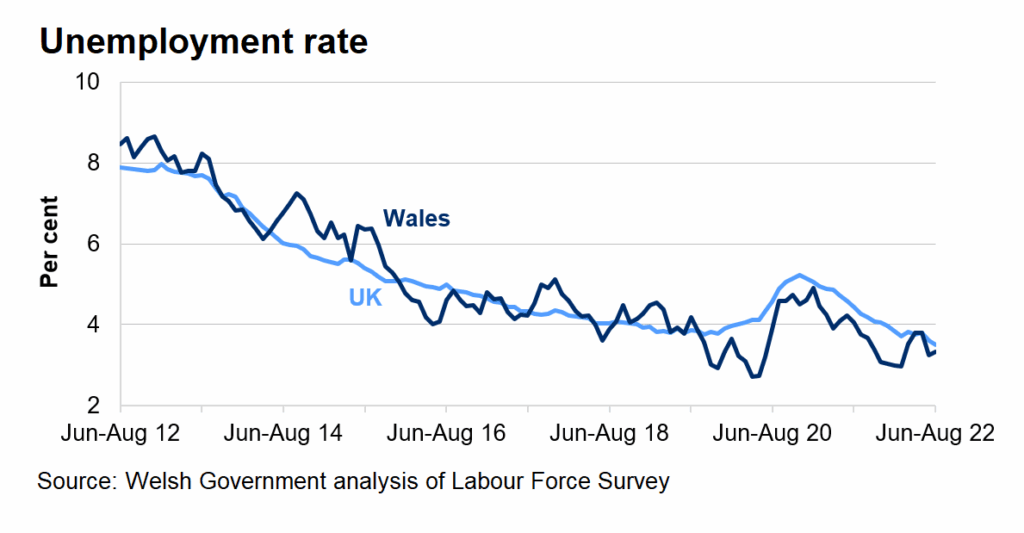
In addition to healthcare, economic concerns also play a pivotal role in shaping voter opinions. Many Welsh citizens feel left behind economically, with limited job opportunities and insufficient investment in local communities. Issues such as housing affordability and support for small businesses have become rallying cries for voters who feel that Labour’s policies no longer resonate with their aspirations. These dissatisfaction factors collectively create fertile ground for opposition parties to flourish, amplifying the urgency for Labour to address these issues head-on.
Wales’ Political Future: Can Labour Recover?
The looming question for Labour in Wales is whether the party can re-establish itself as the trusted choice for voters in the face of growing competition from opposition parties. Many Labour figures are convinced of their ability to reverse their fortunes, but this optimism must be matched by actionable strategies. Effective communication with the electorate, transparent policies, and genuine engagement in public discourse are vital steps that Labour must take if it hopes to recover.
Looking ahead to the next Senedd elections, Labour’s need for a transformative approach is more evident than ever. A narrative that emphasizes successful collaborations between Labour governments at Westminster and Cardiff could be integral in reshaping how voters perceive the party’s effectiveness. By addressing public grievances and showcasing tangible results, Labour has a chance to reconnect with the voters of Wales. However, the stakes are high, and any misstep could result in further erosion of support, making it crucial for the party to act decisively.
The Impact of Historical Context on Current Labour Sentiment
Understanding the historical context of Labour’s dominance in Wales is critical to analyzing current sentiments. Over the last century, Labour has enjoyed unrivaled success, rooted in its ability to respond to the needs of the electorate, particularly in the wake of industrial decline in coal mining areas. Yet, as the economic and social landscapes evolve, so too must the party’s strategies and policies. Today’s voters are no longer influenced solely by historical loyalty; rather, they demand accountability, transparency, and proactive governance.
This evolution of sentiment illustrates a crucial transition from legacy-based voting to a more demand-driven approach. Voters in Wales are increasingly evaluating Labour on contemporary issues such as healthcare, education, and the economy. As historical connections to the party weaken, Labour must respond with fresh perspectives that align with the aspirations of modern Welsh society, bridging the gap between their storied past and the present-day needs of their constituents.
Electoral Fallout: What Lies Ahead for Labour in Wales
As Labour grapples with a potential electoral fallout from the recent by-elections, the implications are profound. The possibility of losing ground in Wales is not just a localized concern; it can reverberate through UK politics, affecting Labour’s standing in Westminster. Political analysts are observing how Labour navigates this precarious situation, as voters demand accountability and transformative solutions to longstanding issues. The party’s immediate response to the Caerphilly defeat could set the tone for future electoral battles.
The electoral landscape in Wales is shifting, necessitating an adaptive strategy from Labour if it hopes to mitigate losses in the upcoming elections. Political leadership must sharpen its focus on effective communication, empowering local representatives, and providing clear, resonant messaging that addresses the electorate’s priorities. With a history of dominance in Welsh politics, Labour faces a critical moment in determining whether it can harness this situation as an opportunity to revitalize its image or whether it will succumb to declining voter confidence.
Reform UK and Plaid Cymru: Threats to Labour’s Standing
The emergence of Reform UK and Plaid Cymru as serious contenders presents a significant challenge to Labour’s standing in Wales. With fresh ideas and rigorous critiques of Labour’s record, both parties are capturing voters’ attention, especially among those dissatisfied with the status quo. Plaid Cymru, in particular, is effectively highlighting progressive policy approaches, such as increased support for the NHS and more generous social welfare programs. This positions them as a credible alternative for voters seeking change.
Reform UK’s rise, although rooted in more controversial stances, reflects a discontent that Labour can no longer afford to ignore. The party’s ability to effectively address localized issues while advocating for broader social policies will be critical as they compete for the disenchanted electorate. Labour now finds itself in a battle not merely to retain power, but to clarify its vision and purpose in a rapidly changing political landscape, one where new voices are increasingly resonating with the public.
The Sentiment Shaping Welsh Identity and Politics
The current sentiment in Wales is a complex tapestry woven from historical identity, socioeconomic challenges, and political aspirations. As voters express their frustrations, the pressing issues of healthcare, economic opportunity, and autonomy form the backdrop against which Welsh identity is articulated. These sentiments are crucial not only for shaping individual voter preferences but also for influencing the collective political identity of Wales, thereby impacting the strategies and policies of its governing parties.
Furthermore, the evolution of political sentiment in Wales speaks to a broader narrative concerning national identity. The desire for greater self-determination and recognition of Wales within the UK framework is driving voters to reconsider their traditional allegiances. Labour, with its historical roots as a party of the working class, must navigate this intricate landscape by aligning its policies with the aspirations of an evolving constituency that seeks both stability and progress.
Frequently Asked Questions
What factors contributed to the Labour decline in Wales during the Caerphilly by-election?
The Labour decline in Wales during the Caerphilly by-election can be attributed to several key factors, including a significant drop in voter support, finishing third behind Plaid Cymru and Reform UK with only 11% of the vote. Internal turmoil within the Welsh Labour party, marked by scandals and poor performance in managing crucial public services like the NHS, has eroded public confidence. The emergence of credible alternatives like Plaid Cymru and Reform UK, who are presenting new policies and engaging with disillusioned voters, also played a substantial role.
How might the Labour party’s performance in the upcoming Senedd elections impact its future in Welsh politics?
The Labour party’s performance in the upcoming Senedd elections could be critical, particularly as it faces the potential of losing its longstanding dominance in Welsh politics. With recent polls indicating a decline in support and strong competition from Plaid Cymru and Reform UK, failure to secure a majority may lead to an existential crisis for the party. Political commentators have termed the situation as potentially ‘seismic,’ marking a pivotal change in the political landscape of Wales.
What challenges does Welsh Labour face in maintaining voter support ahead of the next elections?
Welsh Labour faces several challenges in maintaining voter support ahead of the next elections, including significant issues with public service performance, particularly within the NHS, where waiting lists remain high. Additionally, internal conflicts and scandals have damaged the party’s reputation. The rise of alternatives like Plaid Cymru, which promises innovative policies, could further alienate traditional Labour voters. The actions and visibility of leadership, including First Minister Eluned Morgan, will be vital in rallying support and countering opposition narratives.
What role do NHS performance issues play in the Labour decline in Wales?
NHS performance issues play a central role in the Labour decline in Wales, as healthcare comprises a significant portion of the Welsh government’s budget. The persistent high waiting lists and failure to meet performance targets have led to public dissatisfaction. Voters are increasingly concerned about healthcare access, and Labour’s failure to visibly improve the situation contributes to its declining popularity and trust among constituents.
How has the voting landscape changed in Wales with the rise of parties like Plaid Cymru and Reform UK?
The voting landscape in Wales has changed significantly with the rise of parties like Plaid Cymru and Reform UK, particularly as they have capitalized on Labour’s declining support. Plaid Cymru, portraying itself as a legitimate government-in-waiting, successfully garnered attention with proposals aimed at addressing the NHS crisis and economic support for families. Reform UK, despite lacking a strong Welsh identity, emerged as a formidable challenger, especially evident in the Caerphilly by-election, reshaping the dynamics of Welsh politics and presenting new alternatives for voters disillusioned with Labour.
What can Welsh Labour do to regain lost support and improve its prospects in future elections?
To regain lost support, Welsh Labour needs to address pressing public concerns, notably the performance of the NHS in Wales. Prioritizing transparency, accountability, and effective communication regarding policy achievements will be crucial. Engaging with local communities, showcasing success stories, and directly addressing the public’s desires for immediate positive changes can help rebuild trust. Additionally, unity within the party and clear leadership from figures like Eluned Morgan will be essential to counteract the rise of alternative parties and galvanize the traditional Labour voter base.
| Key Event | Outcome | Impact on Labour | Opposition Response |
|---|---|---|---|
| Caerphilly by-election | Labour secured only 11% and finished third | First major electoral setback in 100 years, posed existential threat for future elections | Plaid Cymru positioned as viable alternative with new policies |
| Concerns with NHS performance | High waiting times persist despite funding | Public confidence shaken, risking future votes | Opposition capitalizing on Labour’s struggles with NHS |
| Leadership challenges in Labour | Feeling of complacency within party ranks | Potential leadership threat may distract from Wales-specific issues | Parties like Reform UK and Plaid Cymru gaining traction |
Summary
The Labour decline in Wales signifies a fundamental shift in voter sentiment and political landscape of the region. Traditionally dominant since 1922, Labour’s recent electoral failures highlight growing discontent with their governance, especially regarding key issues like the NHS. This shift presents an opportunity for alternative parties like Plaid Cymru and Reform UK to position themselves as credible options. As the Welsh elections approach, Labour must confront the challenges ahead to regain the trust of their traditional base or risk losing power after nearly a century.