Listen to this article
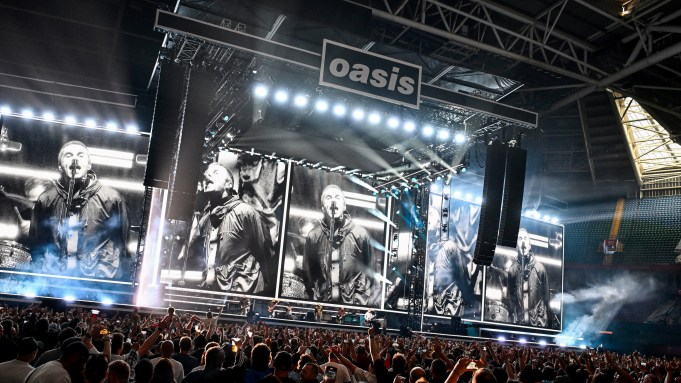
The Oasis concert tragedy that unfolded at Wembley Stadium has raised significant concerns over concert safety and crowd management. On August 2, 2023, the untimely death of Lee Claydon, a devoted Oasis fan who fell from an upper level, marked a grim moment during the band’s highly anticipated Live ’25 reunion tour. Described as a “tragic accident,” this incident has sparked discussions surrounding the safety measures in place at large-scale events, especially in the wake of other tragic concert incidents. As the inquiry continues, many fans express their grief and question the safety protocols that may have prevented such a heart-wrenching situation. This tragedy not only deepens the family’s loss but also highlights the need for stringent measures to safeguard concertgoers in the realm of live music.
The devastating occurrence at the Oasis concert has highlighted safety concerns crucial to the live music industry. The unfortunate passing of an enthusiastic audience member during the band’s Live ’25 reunion tour has sent shockwaves through the community, reminding fans of the inherent risks associated with large gatherings. As discussions ensue regarding crowd safety and organizational responsibility during events like the Wembley Stadium accident, it becomes paramount to ensure that preventative measures are strictly enforced. The incident surrounding the Oasis fan death has reignited conversations about how tragic concert incidents can be mitigated, sparking calls for enhanced safety protocols not only for fans but for performers and staff alike.
Understanding the Oasis Concert Tragedy at Wembley
The tragic accident involving the death of Oasis fan Lee Claydon during a concert at Wembley Stadium has raised serious concerns about concert safety protocols. The incident occurred as Claydon fell from an upper level at the venue following the Live ’25 reunion tour performance on August 2. Eyewitnesses reported a chaotic scene in the aftermath, highlighting the importance of safety measures during large-scale events. This incident not only affected the attendees but also cast a shadow over the rock band’s much-anticipated return after years of separation.
In the fallout of this heartbreaking event, discussions surrounding concert safety have gained momentum. Various stakeholders, including venue operators and event organizers, are being urged to revisit existing safety regulations to prevent similar tragedies. The Oasis concert tragedy serves as a somber reminder of the responsibilities that come with hosting large crowds in confined spaces. Enhancements in crowd management and safety protocols are essential to ensure that attendees can enjoy live performances without the worry of unforeseen accidents.
The Aftermath of the Wembley Stadium Accident
Following the tragic death of Lee Claydon, many are left questioning the circumstances surrounding the accident. Detective Sergeant James Raffin reported that no criminal activity was suspected, indicating that the investigation had ruled out third-party involvement. However, the family of the deceased has expressed concerns and is seeking clarity on the events that transpired that night. With the preliminary cause of death listed as ‘multiple bodily injuries’, the coroner’s inquest set for February 26 aims to address these questions and provide closure to the grieving family.
Moreover, the incident has drawn attention to the necessity for improved safety protocols at concerts, especially in such large venues as Wembley Stadium. As investigations continue, there is a growing call from concert-goers and advocacy groups for stringent safety measures. Implementing effective crowd control and ensuring adequate safety training for staff could potentially mitigate risks associated with tragic concert incidents like this one, reaffirming the need for accountability in the live music industry.
Key Factors Contributing to Concert Safety
Concert safety is an essential aspect of live performances, particularly in high-capacity arenas where large crowds gather. Factors such as effective crowd management, proper venue design, and emergency preparedness protocols are vital in ensuring audience safety. The unfortunate death of Lee Claydon at the Oasis concert highlights the vulnerabilities present in many large-scale events. Traditional safety measures may no longer suffice, necessitating a reevaluation of how venues implement safety practices to protect attendees.
Many experts stress the significance of training staff to respond to emergencies and ensuring clear communication during events. Pre-event briefings, visible exit signage, and easy access to medical assistance can make a significant difference in preventing tragedies. Concert-goers must also be educated about safety measures to adopt during performances. Music fans deserve the right to enjoy live shows without the fear of danger, and concert safety should always remain a top priority for organizers.
Public Response to the Oasis Fan’s Death
The passing of Lee Claydon has sparked a wave of public sympathy and tributes from both fans and fellow musicians. Fans expressed their condolences through social media, sharing their memories from the Live ’25 reunion tour and honoring the vibrant spirit of Claydon. Many emphasized the importance of community and support in difficult times, highlighting how music can create bonds that endure beyond loss.
In their statement following the tragedy, Oasis expressed their horror and sadness at the death of a fan, underlining the deep connection between bands and their audience. Such responses remind us that live music experiences are shared moments that can resonate profoundly with participants. The outpouring of emotional support reflects not only the impact of the tragedy on the fan community but also emphasizes the need for concert safety as an ongoing conversation within the industry.
Coping with Loss: Family and Community Support
In the wake of such a devastating loss, the family of Lee Claydon has been surrounded by the love of family and friends during this challenging time. Claydon’s father, also named Clive, referred to his son as a ‘lovely bloke’ and a ‘hard-working family man’, which speaks to the personal impact that this tragedy has had beyond the concert itself. Grieving can be a solitary journey, but support from loved ones and the community plays a crucial role in healing.
Support networks help families cope with the sudden and shocking nature of loss, particularly in incidents categorized as tragic accidents. Local community groups, as well as dedicated support organizations, can provide resources for those grieving the loss of a loved one. Sharing stories, discussing feelings, and remembering the good times can significantly aid in the mourning process, showcasing how friendship and community create resilience in the face of adversity.
The Role of Authorities in Ensuring Concert Safety
Authorities play a crucial role in ensuring safety at large events, with regulations that govern concert planning and execution. Following the tragic incident at the Oasis concert, local councils and event organizers are under scrutiny to reassess their safety practices. Investigations led by law enforcement and independent agencies will shape future policies, potentially leading to reforms that prioritize the safety of concert-goers to avoid similar tragedies.
Moreover, ongoing dialogue between law enforcement, venue management, and concert promoters can pave the way for enhanced safety standards. This collaboration is vital in creating a safe environment for all music enthusiasts. As the inquiries into the Wembley Stadium accident continue, the findings may catalyze necessary changes across the industry, establishing benchmarks for safety that could redefine how live performances are conducted.
Remembering Lee Claydon: A Tribute to a Life Lost
The tragic death of Lee Claydon has cast a pall over the joyous reunion of Oasis, forcing fans and friends alike to reflect on the preciousness of life. Tributes have poured in, painting a picture of a loyal fan and loving father whose presence brought joy to those around him. Memorials, both online and in person, have celebrated his passion for music and the connection he shared with others who admired the band.
As the anniversary of the tragic concert approaches, communities may come together to honor Claydon’s memory through events that celebrate music and the bonds it fosters. Such acts of remembrance not only pay tribute to those lost but also inspire conversations about safety in the live music realm, ensuring that Claydon’s legacy prompts positive changes for future concert-goers.
Lessons Learned from Tragic Concert Incidents
Each tragic incident in concert history, including the recent events surrounding the Oasis concert tragedy, serves as a stark reminder of the work still needed to prioritize safety in live performances. By analyzing past incidents, authorities, venues, and promoters can identify common factors that have contributed to accidents, allowing them to develop proactive strategies to mitigate risks. Understanding these lessons can help establish a culture of safety within the music industry.
Incorporating feedback from stakeholders, including fans and safety advocates, can lead to a more comprehensive approach to concert planning. The goal is to create an environment where attendees can fully immerse themselves in the experience without compromising their wellbeing. As the industry moves forward, the hope is that tragic concert incidents serve not just as reminders of loss but as opportunities for meaningful change and enhancement of safety protocols.
The Future of Concert Safety and Fans’ Rights
The tragic loss of Lee Claydon during the Oasis concert has ignited discussions about fans’ rights to safety at live events. In the wake of such incidents, the need for a collective effort towards establishing a framework that protects audience members has become increasingly apparent. Concert-goers deserve an experience that prioritizes their safety and wellbeing, prompting industry stakeholders to reassess safety standards.
As we look to the future, advocating for informed concert security measures and audience rights can lead to a safer environment for all. Fans must feel empowered to voice their concerns regarding safety at concerts, which in turn promotes a culture of accountability. Worked in conjunction with authorities, venues, and artists, the aim is to ensure that the music industry prioritizes safety without compromising the magic and joy of live performances.
Frequently Asked Questions
What happened during the Oasis concert tragedy at Wembley Stadium?
The Oasis concert tragedy at Wembley Stadium occurred when Lee Claydon, a 45-year-old fan, fell from an upper level towards the end of the show on August 2. This incident led to his tragic death, which has been described as an accident by officials.
What is known about the victim of the Oasis fan death?
Lee Claydon, known to family as Clive, was a father of three from Bournemouth. He fell during the concert and was later pronounced dead due to multiple bodily injuries. His passing has been categorized as a tragic accident without third-party involvement.
What safety measures are typically in place at concerts to prevent incidents like the Wembley Stadium accident?
Concert safety measures usually include crowd management strategies, security personnel, and venue regulations designed to prevent falls and other accidents. The Oasis concert tragedy has raised concerns and questions about how these safety protocols were applied during the event.
How has Oasis responded to the tragic concert incidents during their Live ’25 reunion tour?
In response to the tragic concert incident involving a fan’s death, Oasis expressed that they were shocked and saddened. They released a statement mourning the loss of life and emphasizing the importance of fan safety at their shows.
What was determined about the circumstances surrounding the Oasis concert tragedy?
During the investigation of the Oasis concert tragedy, it was determined that there was no evidence of criminal activity or third-party involvement in Lee Claydon’s fall. Authorities have classified the incident as a tragic accident, resulting from the circumstances at the event.
When is the full inquest into the Oasis fan’s death scheduled?
A full inquest into the tragic death of Oasis fan Lee Claydon is scheduled to take place on February 26. This inquest aims to explore more details surrounding the circumstances of his fall and subsequent death.
What are the implications of the Wembley Stadium accident for future concerts?
The Wembley Stadium accident involving the Oasis concert tragedy may lead to increased scrutiny of concert safety protocols. It highlights the need for venues to ensure fan safety and could prompt reviews of existing safety measures to prevent similar incidents in the future.
What was the public reaction to the death of the fan at the Oasis concert?
The public reaction to the death of the fan at the Oasis concert was one of shock and sadness. Many fans and members of the community expressed their condolences, and the tragic incident sparked discussions about concert safety and fan welfare.
| Key Point | Details |
|---|---|
| Incident Description | Oasis fan Lee Claydon fell from an upper level during a concert at Wembley Stadium on August 2. |
| Victim Information | Lee Claydon, 45, from Bournemouth, known to family as Clive. |
| Police Conclusion | The case is not being treated as criminal; no third party involvement suspected. |
| Toxicology Report | No concerns found regarding substance use. |
| Death Confirmation | Pronounced dead at 22:38 BST due to multiple bodily injuries. |
| Family Statement | Described as a “lovely bloke” and a “hard-working family man” by his father. |
| Oasis Response | The band expressed their shock and sadness over the tragic death. |
| Next Steps | A full inquest scheduled for February 26. |
Summary
The Oasis concert tragedy refers to the unfortunate accident involving fan Lee Claydon, who fell from a height at Wembley Stadium during a concert on August 2. This incident, while deeply saddening, has been categorized as a tragic accident by authorities, with no foul play or suicide suspected. The investigation revealed that Mr. Claydon had been drinking, but the results showed no toxicological concerns. His passing has left a significant impact on both his family and the music community, prompting soul-searching among fans and organizers alike. The forthcoming inquest will hopefully provide further clarity on the circumstances surrounding this heart-wrenching event.