
Listen to this article
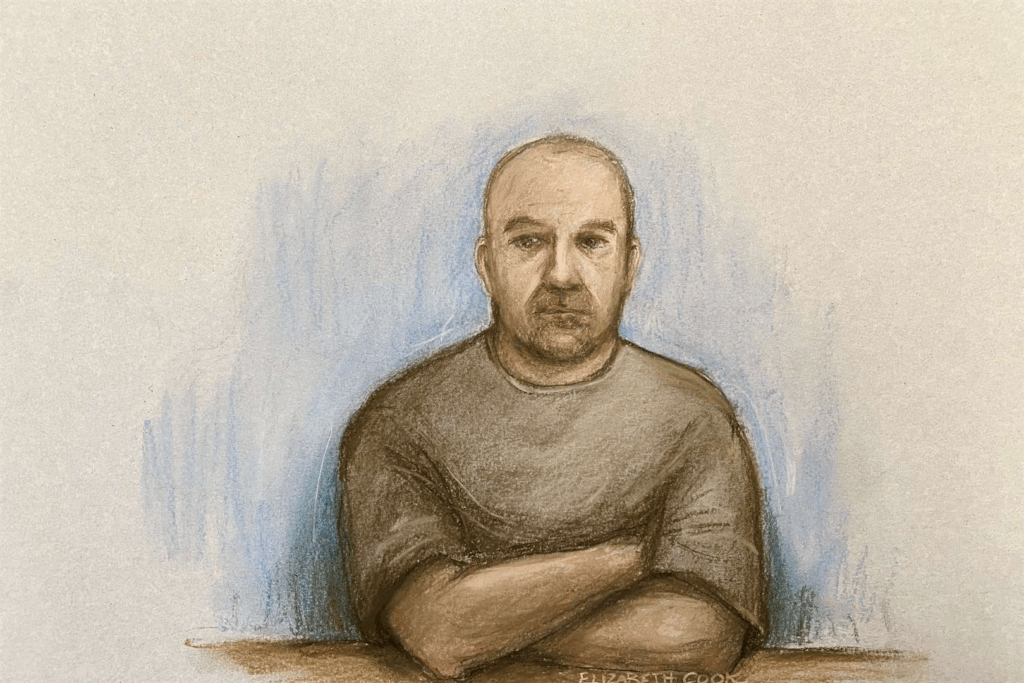
In a chilling conclusion to a series of harrowing legal battles, David Carrick, a former Metropolitan Police officer, has been found guilty of multiple sex offences, further solidifying his reputation as a notorious serial rapist. The 50-year-old, already imprisoned for life, faced additional charges relating to the sexual abuse of a 12-year-old girl and multiple rapes against a former partner. During his recent trial at the Old Bailey, jurors deliberated for five hours before unanimously convicting Carrick on nine counts, including indecent assault and coercive behavior. This latest case has sent shockwaves through the public, raising significant concerns about the integrity of law enforcement when its very members commit heinous acts of violence. As the sentencing approaches, the details surrounding Carrick’s rape conviction have become a focal point of public discourse, amplifying calls for justice and accountability within the police force.
The recent verdict in the trial of David Carrick has ignited a broader conversation about the disturbing realities of sexual violence within positions of authority. As a once-respected member of the Met police, Carrick’s actions highlight the complex relationship between law enforcement and the community it is meant to protect. Convicted of serious crimes, including sexual assaults and rapes, the former officer’s case underscores the alarming prevalence of abuse among individuals in power. With significant attention now directed towards these London sex offences, many are calling for systemic changes to ensure that such misconduct is thoroughly investigated and adequately punished. The implications of this case extend beyond Carrick himself, prompting a reevaluation of how institutions handle allegations of sexual misconduct against their personnel.
David Carrick: Life Sentences for Sexual Offences
David Carrick, a former Metropolitan Police officer, has already been sentenced to multiple life terms due to his reprehensible history of sexual violence. Following his conviction, which included more than 71 admissions of sexual offences spanning a 17-year period, Carrick’s case has highlighted grave concerns regarding accountability within law enforcement. The revelations of his manipulative and violent behaviors cast a long shadow over the Metropolitan Police, posing serious questions about the screening and oversight of officers within the police force.
Despite being a figure of authority, Carrick’s actions have reinforced stereotypes about trust and safety in policing. His most recent trial has added to the growing headline of “David Carrick guilty,” echoing through the media as society grapples with the implications of such high-profile misconduct. Jurors at the Old Bailey found him guilty of additional sex offences against both a young girl and a former partner, reaffirming the urgent need for thorough investigations into the backgrounds of individuals in positions of power.
Details of David Carrick’s Convictions
The trial of David Carrick has exposed harrowing accounts of his criminal behavior, with jurors hearing deeply disturbing evidence regarding the sexual assaults committed over decades. Specifically, Carrick was found guilty of five counts of indecent assault against a girl under the age of 16 and two counts of rape against a former partner. This shocking revelation solidifies his status as a serial rapist, leading to intense media and public scrutiny regarding the failures of oversight in this case.
Furthermore, the court was presented with evidence of Carrick’s controlling and coercive behavior over the same woman he was convicted of raping. These offences, occurring among the emblematic backdrop of his role as a police officer, further illustrate the betrayal of trust. Victims reported their experiences, revealing a pattern of abuse that went unchecked until now, highlighting the systemic issues that allow such heinous acts to perpetuate.
Public Reaction to Carrick’s Verdict
The verdict delivered at the Old Bailey has evoked a wide range of emotions from the public, especially among victims of sexual crimes. The fact that a high-ranking member of the Metropolitan Police, such as David Carrick, has been convicted of multiple sex offences serves as both a catalyst for increased awareness and a potent indictment of existing institutional failures. Many advocate for stronger measures to address sexual violence, seeking justice not only for Carrick’s victims but also for others who have suffered in silence.
With the sentencing hearing pending, reactions from the community continue to emerge. Advocates for sexual assault survivors urge others to step forward and report their experiences, breaking the stigma surrounding these crimes. The courage of Carrick’s victims has catalyzed conversations about accountability and reform within law enforcement, fostering a narrative that emphasizes the need for significant changes to protect future generations from similar offenders.
The Role of the Metropolitan Police in the Carrick Case
The Metropolitan Police’s involvement in the David Carrick case raises alarming questions about how cases of sexual offences are handled, especially concerning their own officers. The fact that a police officer could engage in such egregious behavior for years without adequate scrutiny suggests a culture of complacency that must be addressed. These revelations have sparked calls for comprehensive reviews of internal procedures to ensure that police officers are held to the highest standards of conduct.
In light of the verdicts against Carrick, there is an increasing demand for transparency and robust accountability mechanisms within the Metropolitan Police. Critics argue that the institution must undergo significant reform to enhance public trust and ensure safety in community policing. Addressing the systemic issues revealed by Carrick’s actions is essential for restoring public confidence and preventing future abuses by those entrusted to protect society.
Implications of Carrick’s Rape Conviction
The implications of David Carrick’s rape conviction extend beyond his personal culpability; they reflect a broader societal issue regarding the treatment of sexual offences within law enforcement. Analysis of Carrick’s case illuminates the systemic failures that allowed a serial rapist to operate within a police department for decades. As a former officer, Carrick’s actions not only jeopardized the lives of his victims but also undermined public faith in the very institutions designed to safeguard them.
The conversation surrounding Carrick’s sentencing opens up discussions on justice for survivors of sexual violence, who often face significant barriers when coming forward. His conviction serves as a pivotal moment to advocate for legislative changes, including better protections for victims and improvements in the prosecution process for sexual offences. Activists and legal experts alike argue that real change is necessary to ensure that such violations are not tolerated, especially from those who are meant to be protectors of the law.
Victim Advocacy in the Wake of Carrick’s Crimes
In the aftermath of David Carrick’s multiple convictions, victim advocacy groups have intensified efforts to support those who have suffered sexual abuse. The bravery shown by Carrick’s victims in coming forward amidst a backdrop of stigma and fear is a rallying point for many organizations dedicated to victim empowerment and support. Their testimonies have not only brought Carrick to justice but have also illuminated the challenges faced by countless survivors in seeking justice.
Additionally, advocacy groups are leveraging this moment to push for legislative reforms aimed at simplifying the reporting process for sexual offences. They emphasize the importance of a supportive environment that encourages survivors to speak out. With high-profile cases like Carrick’s making headlines, there is a significant opportunity for advocacy efforts to gain traction, fostering a culture of accountability and healing for those affected by violence.
Legal Proceedings Against David Carrick
The legal proceedings against David Carrick have unfolded over multiple trials, culminating in his latest conviction at the Old Bailey. Each phase of the trial revealed further details about the extent of his abuse and the systemic failures that allowed it to persist. Carrick’s legal journey has been characterized by a shocking admission of guilt regarding prior offences, yet he maintained a facade of denial concerning the latest allegations, which underscores the complexities often faced in prosecuting sexual offenders.
Carrick’s case serves as a critical examination of how the justice system handles cases involving individuals in positions of power. The tension between public perception and legal outcomes reflects broader societal issues surrounding the credibility of victims versus the defenses presented by accused individuals. The courtroom proceedings have sparked necessary discussions about integrity, accountability, and the need to ensure that all victims receive fair treatment in the judicial process.
The Importance of Reporting Sexual Offences
The series of convictions against David Carrick highlights the essential need for reporting sexual offences to the appropriate authorities. His case emphasizes the critical importance of survivors stepping forward, as their testimonies can lead to significant legal action against perpetrators. Despite the challenges involved, survivors must be encouraged to break the silence, as public advocacy and support are crucial for creating an environment where victims feel safe to report their experiences.
This moment also serves to encourage changes in policy that would facilitate easier reporting processes for sexual offences, reducing barriers for those who wish to come forward. By fostering a culture of support and understanding, society can help ensure that instances of sexual abuse are not only taken seriously but also lead to just outcomes for survivors, as exemplified by the actions taken against Carrick.
Future Consequences of Carrick’s Case
As the dust settles on the David Carrick case, attention now turns to the future consequences for both victims and the Metropolitan Police. Carrick’s conviction could instill a sense of hope among survivors that justice is achievable, encouraging more people to come forward. This ripple effect has the potential to lead to more significant reforms within law enforcement and better protection for individuals reporting abuse.
Furthermore, ongoing discussions surrounding the ramifications of Carrick’s behaviour are likely to influence policy and procedural changes within police departments across the country. Stakeholders in law enforcement and justice reform will need to address the failures that allowed Carrick’s deeds to go unchecked for so long. The call for accountability and comprehensive reform is more pressing than ever, in an effort to dismantle the systemic barriers that survivors have faced historically.
Frequently Asked Questions
What are the details of David Carrick’s guilty verdict in relation to London sex offences?
David Carrick was found guilty of multiple sex offences, including the indecent assault of a 12-year-old girl and the rape of a former partner, by a jury at the Old Bailey in London. He is already serving a life sentence for previously admitting to 71 offences committed over a 17-year period.
What is the current status of David Carrick’s trial?
David Carrick is currently facing sentencing after being convicted of nine additional offences, including two counts of rape against a woman and indecent assault against a girl, during his latest trial at the Old Bailey.
What crimes did David Carrick commit while serving as a Met Police officer?
While serving as a senior police officer, David Carrick committed serious crimes including the sexual abuse of women he was in relationships with, and distinctively, he was found guilty of assaulting a minor. His actions raised significant concerns regarding police conduct and accountability.
When is David Carrick’s sentencing expected to take place?
David Carrick’s sentencing is scheduled for Thursday, following his recent convictions for multiple sex offences at the Old Bailey.
What was the nature of the charges against David Carrick in his most recent trial?
In Carrick’s most recent trial, he faced serious charges including five counts of indecent assault against a child under 16, two counts of rape against a woman, and various instances of coercive and controlling behavior.
How did David Carrick respond to the allegations during his trial?
During his trial, David Carrick did not testify, but he denied the new charges, claiming the allegations against him were false. Despite this, evidence, including a written confession, contradicted his denials.
Why was it important to prosecute David Carrick again for his crimes?
Prosecuting David Carrick again was vital to demonstrate the full extent of his offences, particularly given his position as a police officer during some of the attacks, and to highlight the severity of the crimes against his victims.
| Key Points |
|---|
| David Carrick found guilty of multiple sex offences, including against a minor and a former partner. |
| Already serving life sentences for previous sexual offences since 2022 and 2023. |
| Convicted of nine charges including rape and indecent assault from the late 1980s to 2019. |
| Jurors deliberated for five hours before reaching a unanimous verdict. |
| Carrick’s actions included coercive behavior during a relationship; he denied all new charges. |
| Prosecution highlighted the importance of bringing the case to light due to Carrick’s position as an officer. |
| Sentencing scheduled for Thursday morning. |
Summary
David Carrick’s conviction for heinous sex offences underscores the need for accountability, especially within positions of authority such as law enforcement. His actions not only on a young girl but also on his former partner reveal patterns of predatory behavior that have persisted over decades. As sentencing approaches, the gravity of Carrick’s crimes sends a strong message about the importance of justice for survivors, illustrating the ongoing battle against sexual violence in society.