Listen to this article
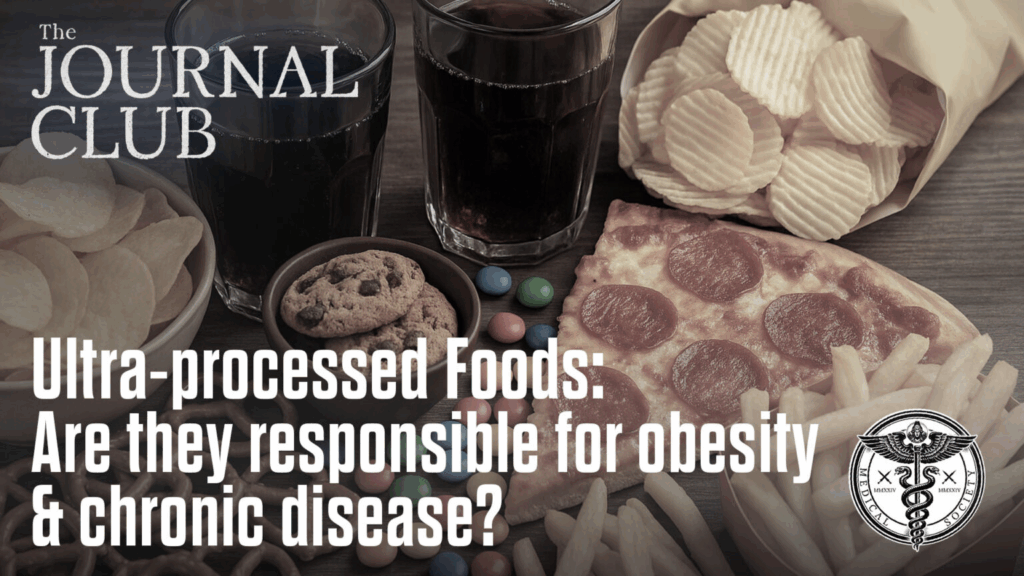
Ultra-processed food poses a significant global health threat, as highlighted by experts calling for urgent action to address its impact on diets. These highly processed meals are rapidly replacing fresh and whole foods, which dramatically increases health risks like obesity and other chronic diseases. The concerning nutritional value of ultra-processed food is characterized by excessive sugar, unhealthy fats, and a lack of essential nutrients, leading to serious health effects. Research has linked ultra-processed food consumption to a heightened risk of various conditions, including type 2 diabetes and cardiovascular diseases. Addressing the prevalence of these industrially manufactured products is crucial for promoting healthier eating habits and reducing adverse health outcomes.
The shift towards highly refined and industrially produced foods is not merely a dietary trend but a growing concern for public health. Known by various terms such as convenient meals and manufactured snacks, these foods often come laden with additives and preservatives that jeopardize their nutritional integrity. This transformative change in our eating habits highlights the need for awareness regarding the effects of consuming these products, particularly their association with obesity and chronic health issues. As consumers, understanding the implications of these convenient options—often marketed as time-saving—can encourage more mindful dietary choices. By prioritizing fresh, minimally processed ingredients, we can work towards improving our overall health and well-being.
The Health Risks of Ultra-Processed Food
Ultra-processed foods (UPFs) pose significant health risks due to their high levels of sugar, unhealthy fats, and additives that can affect our overall well-being. Studies suggest that regular consumption of these foods contributes to chronic health conditions such as obesity, type 2 diabetes, and cardiovascular disease. These conditions are not just statistics; they are realities affecting millions globally. Research indicates that UPFs are linked to a 12% higher risk of early death from various diseases, highlighting the urgent need for dietary changes.
Moreover, the ingredients in ultra-processed foods often lack nutritional value, presenting a double-edged sword. Many UPFs are designed to be convenient and palatable, which can lead to overconsumption. The nutritional downfalls of UPFs elevate the risk of serious health conditions while their addictive nature complicates efforts to promote healthier eating habits. It’s clear that raising awareness about the health risks associated with ultra-processed foods is crucial for public health.
Understanding Ultra-Processed Food Effects on Obesity
The relationship between ultra-processed food consumption and obesity is an area of increasing concern among health experts. As diets shift towards more convenient and inexpensive UPFs, the prevalence of obesity has soared in many parts of the world. These foods often lack essential nutrients and are high in calories, leading to weight gain and associated health issues. Studies show that individuals whose diets include high amounts of ultra-processed foods have a greater risk of becoming obese compared to those who predominantly consume whole foods.
This connection can be attributed to several factors, including high sugar content, unhealthy fats, and a low fiber profile in ultra-processed foods, which don’t promote feelings of fullness. Additionally, the marketing strategies employed by companies producing these products often target vulnerable populations, making it even more challenging to combat obesity rates. Addressing the consumption of ultra-processed foods is essential in mitigating obesity and its serious health consequences.
Reducing Ultra-Processed Food Intake
In order to combat the health risks posed by ultra-processed foods, significant strides must be made in reducing their intake across populations. Public health campaigns and educational programs can play a critical role in informing consumers about the detrimental effects of these products. Governments may need to implement stronger regulations on marketing and labeling to discourage UPF consumption while promoting whole food alternatives. A proactive approach is required to ensure that healthier options are accessible and affordable to all societal segments.
Moreover, encouraging communities to shift their eating habits away from ultra-processed foods involves not just individual efforts but collective action. Initiatives such as community gardens, cooking classes, and awareness campaigns can help nourish a culture of healthy eating. By focusing on reducing ultra-processed food reliance, communities can work towards improving public health outcomes and diminish the prevalence of diet-related diseases.
Nutritional Value of Ultra-Processed Foods
While ultra-processed foods provide convenience and taste, they often fall short in delivering nutritional value. These foods typically contain additives, preservatives, and sweeteners that may enhance flavor but do not contribute to nutritional needs. For instance, many UPFs are devoid of essential vitamins, minerals, and fiber that whole foods naturally contain. This lack of nutritional content can lead to deficiencies, thereby increasing the risk of chronic diseases and health complications in the long term.
It is essential for consumers to differentiate between products marketed as healthy and those that truly provide nutritional benefits. While some ultra-processed items may be fortified with vitamins and minerals, the overall quality of nutrition they offer could still be inadequate compared to their minimally processed counterparts. It is critical for individuals to prioritize foods with high nutritional content—whole grains, fruits, and vegetables—over ultra-processed choices that may lack substance.
Strategies for a Healthier Diet
Adopting strategies to minimize the consumption of ultra-processed foods is vital for improving dietary health. One effective approach is meal planning, which can aid individuals in making informed food choices and ensuring that whole foods feature prominently in their diets. Preparing meals at home using fresh ingredients allows individuals to control what goes into their food, reducing reliance on ultra-processed options. Additionally, being mindful of food labels can help consumers avoid ultra-processed products hidden under enticing marketing.
Furthermore, incorporating a variety of whole foods, such as vegetables, fruits, lean proteins, and whole grains, into everyday meals is crucial for achieving a balanced diet. As communities rally around healthy eating, public awareness campaigns focusing on the benefits of reducing ultra-processed food consumption can foster a healthier culture. Collective efforts can lead to significant changes in dietary patterns, promoting better health outcomes.
The Role of Government in Regulation
Government intervention is essential in addressing the health risks posed by ultra-processed foods within communities. Policy measures such as sugar taxes and stricter labeling regulations can dissuade the consumption of unhealthy products. By prioritizing public health through regulatory means, governments can encourage food manufacturers to improve the nutritional profiles of their products. This could lead to a long-term reduction in chronic diseases associated with unhealthy diets.
Moreover, public health campaigns can be instrumental in educating consumers about the dangers of excessive ultra-processed food intake. Governments have a responsibility to ensure that citizens are informed about what they are consuming and the implications these choices may have on their health. A cohesive effort among policymakers, health professionals, and the food industry is vital for fostering a healthier food environment.
Consumer Awareness and Education
Enhancing consumer awareness about ultra-processed foods is an effective way to combat their health risks. Educating the public on how to identify ultra-processed products and the potential health implications can empower individuals to make better dietary choices. With sufficient knowledge, consumers can learn to read labels more critically and opt for alternatives that are less processed and nutritionally adequate.
Schools and community programs have a unique opportunity to foster nutrition education among children and families. By incorporating food literacy into educational curricula, initiatives can instill healthy eating habits early on, shaping positive long-term dietary behaviors. Greater awareness can lead to a significant shift towards reducing ultra-processed food consumption in communities, ultimately resulting in better public health.
The Impact of Marketing on Food Choices
Marketing strategies employed by food manufacturers play a significant role in influencing consumer preferences towards ultra-processed foods. Aggressive advertising campaigns often highlight convenience and affordability, while the nutritional drawbacks are seldom mentioned. This discrepancy creates a misleading perception about the healthfulness of these products, leading consumers to favor ultra-processed options over healthier ones.
To counteract the effects of marketing, consumers should become more critical of advertisements and educated about the nutritional profiles of foods. Recognizing the tactics used by brands to promote unhealthy choices can help individuals resist temptation and make more informed dietary decisions. Better understanding of food marketing can contribute to the broader effort of reducing the consumption of ultra-processed foods and promoting healthier eating habits.
Future Research Directions in Food Processing
As the consumption of ultra-processed foods continues to rise, further research is imperative to understand their health effects more comprehensively. Future studies should focus on isolating the specific components of ultra-processed foods that contribute to adverse health outcomes. This is crucial for establishing a direct causal relationship between UPF consumption and various chronic diseases.
Additionally, research should explore the benefits of food processing, aiming to identify how certain processed foods can fit into a balanced diet and contribute positively to health. By broadening the scope of nutritional research, we can better understand the role of food processing in our diets and develop innovative ways to enhance public health through improved food quality.
Frequently Asked Questions
What are the health risks of ultra-processed food?
Ultra-processed foods (UPFs) are associated with an increased risk of various chronic diseases, including obesity, type 2 diabetes, cardiovascular disease, and even depression. Studies show that diets high in UPFs correlate with a higher likelihood of these health issues due to their excessive sugar, unhealthy fats, and low nutritional value.
How do ultra-processed food effects impact overall well-being?
The effects of ultra-processed foods on well-being can be significant. They often lack essential nutrients such as fiber and protein, leading to a higher incidence of obesity and related health problems. Additionally, the consumption of UPFs may contribute to mental health issues, including depression, due to their poor nutritional profile.
What strategies can help in reducing ultra-processed food intake?
To reduce ultra-processed food intake, individuals can focus on incorporating more whole, minimally processed foods into their diet, such as fruits, vegetables, whole grains, and lean proteins. Planning meals ahead of time and cooking at home can also help reduce dependency on convenience foods that are often highly processed.
What is the connection between ultra-processed food and obesity?
The connection between ultra-processed foods and obesity is primarily due to their high calorie density, added sugars, unhealthy fats, and low fiber content, which can lead to overeating. Studies indicate that higher consumption of UPFs is linked with an increased risk of weight gain and obesity over time.
What is the nutritional value of ultra-processed food?
The nutritional value of ultra-processed foods is often low, as they frequently contain high levels of sugar, salt, and unhealthy fats while being deficient in essential nutrients such as vitamins, minerals, fiber, and protein. This imbalance can negatively impact overall health and contribute to chronic disease risk.
| Key Points | Details |
|---|---|
| Health Risks of UPF | Ultra-processed foods (UPFs) are linked to chronic diseases like obesity, type 2 diabetes, cardiovascular diseases, and depression. |
| Definition of UPF | Foods containing more than five ingredients not typically found in a home kitchen, including emulsifiers and preservatives. |
| Global Consumption Trends | Shift from whole foods to cheap, highly-processed meals, increasing in global diets. |
| Call for Action | Experts recommend higher taxes on UPFs and stricter regulations to promote healthier options. |
| Debate on Effects | Although studies show correlations, some experts argue that a direct cause-effect relationship hasn’t been established. |
| Positive Aspects of Processing | Some food processing can offer convenience and nutrient retention. |
Summary
Ultra-processed food poses a significant threat to global health according to experts who suggest that action is urgently needed to reduce its consumption worldwide. The increased prevalence of these foods in our diets correlates with rising rates of chronic diseases, highlighting a shift away from fresh, whole foods. Although there is ongoing debate about the precise health impacts of ultra-processed foods, it is clear that a collective effort is required to mitigate their risks and promote healthier dietary choices.