
Listen to this article
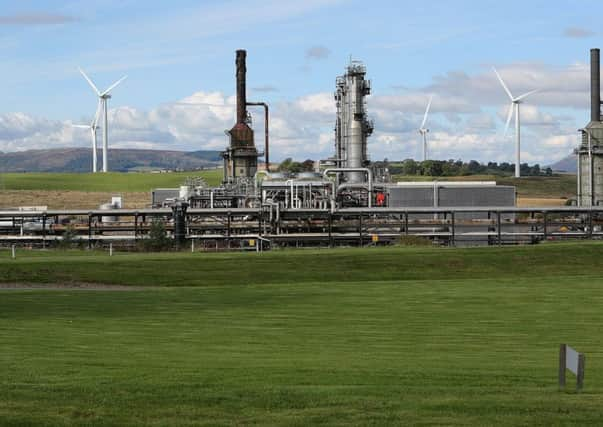
The impending closure of the Mossmorran plant marks a significant turning point for the UK petrochemical industry, particularly as the Exxon Mobil facility in Fife prepares to shut its doors after nearly 40 years of operation. The UK government has decided not to financially support the Fife Ethylene Plant, as Business Minister Chris McDonald noted the absence of a viable business plan for potential investment. As hundreds of Exxon Mobil jobs hang in the balance, the wider implications of this closure ripple through local communities and economies, underscoring the urgent need for Scottish government support in mitigating the impact on affected workers. Amidst the challenges of a shifting policy landscape and the competitive pressures faced by fossil fuel industries, this announcement prompts a reevaluation of the future for Scotland’s manufacturing capabilities. With the closure on the horizon, stakeholders are now contemplating how to transition both the workforce and the industry into a more sustainable future.
As the Mossmorran facility faces shutdown, many are turning their attention to the ramifications for both employment and the local economy. This closure emphasizes the precarious state of petrochemical production at the Fife Ethylene Plant, an essential part of Scotland’s industrial landscape. With the removal of Exxon Mobil’s operations, significant concerns arise surrounding the job security of local workers and the potential loss of skilled labor in the region. The Scottish government is stepping in to offer support, yet the issue raises broader questions about the viability of existing energy policies and the future of manufacturing in the UK. With many calling for urgent action, the Mossmorran situation highlights a critical juncture in the transition towards greener industries and sustainable job creation.
Impact of Mossmorran Closure on Local Employment
The impending closure of the Mossmorran plant is set to have a profound effect on local employment, with hundreds of jobs at risk. Exxon Mobil’s announcement has left many workers uncertain about their future, particularly with the prospect of nearly 179 direct jobs and an additional 250 contracted positions being eliminated. Local communities are bracing for the economic repercussions of this decision, as Mossmorran has been a cornerstone of employment for decades. The loss of such a significant employer could lead to an economic ripple effect, impacting not just the direct employees, but also the local businesses that depend on their patronage.
In response, the Scottish government has pledged support for the affected workers, indicating a commitment to assist them during this transition period. As union representatives emphasize the importance of protecting jobs, discussions about retraining and relocation support are underway. The potential for some employees to transfer to the Fawley Petrochemical Complex, although geographically challenging, highlights efforts to mitigate job losses. However, the uncertainty surrounding the UK petrochemical industry raises concerns about the availability of alternative employment opportunities in the region.
The Future of the UK Petrochemical Industry
The closure of the Fife Ethylene Plant (FEP) at Mossmorran signals broader challenges facing the UK petrochemical industry. While the industry has traditionally been an essential part of the UK economy, recent market conditions and government policies have led to increased operational inefficiencies at facilities like Mossmorran. Industry experts highlight that without a viable business plan or substantial investment, similar closures may occur at other critical sites across the country, leading to heightened concerns about the sustainability of the UK’s industrial base.
Furthermore, the situation at Mossmorran reflects a larger trend of industrial decline in the UK, as noted by Offshore Energies UK. The chief executive expressed concerns over a potential de-industrialization trend that could undermine the country’s economic strength. With the UK government opting to withdraw financial backing for struggling plants, local industries are calling for a more robust strategy to safeguard jobs and ensure a competitive future.
Government Responses to the Mossmorran Crisis
In light of the Mossmorran closure, government officials are grappling with how to strategically respond to the crisis in the UK petrochemical industry. On one hand, the UK government refrains from providing financial support, which critics argue could exacerbate job losses and harm communities reliant on such industries. Conversely, the Scottish government has shown a willingness to step in, proposing to create a taskforce aimed at supporting affected workers and considering the future of the Mossmorran site. This divergence in approaches has led to calls from industry stakeholders for a cohesive strategy that transcends political divides.
Support for affected workers is paramount, but strategizing beyond immediate aid is essential for long-term recovery. Advocates insist that collaborative efforts between government bodies, trade unions, and the private sector are key to navigating this industrial upheaval. As Limelight across the UK shines on the complexities of transitioning away from traditional fossil fuel industries, executives and policymakers alike are being urged to foster an environment that prioritizes green investment and sustainable job creation.
Exxon Mobil’s Role in Fife’s Industrial Landscape
Exxon Mobil has significantly shaped the industrial landscape of Fife, particularly through its operations at the Mossmorran plant. The facility has been a leading producer of ethylene for about 40 years, playing a critical role in the local and national petrochemical industries. Nevertheless, recent financial assessments reveal the plant’s inefficiencies and the pressing need for considerable investment to remain viable amidst shifting market dynamics. Therefore, Exxon has initiated steps to close operations, which raises questions about the future of the company’s other facilities in Scotland.
The imminent closure has elicited strong reactions from labor unions and community representatives, who stress that Exxon Mobil must take responsibility for its workforce as it winds down operations. With the company’s position as one of the wealthiest in the world, calls for them to invest in workers and the local economy have gained traction. As their operational decisions directly impact a significant number of jobs and the regional economy, the expectation for Exxon to engage in genuine consultations with employees and local leaders is more vital than ever.
Community Responses to the Mossmorran Closure Announcement
The announcement regarding the closure of the Mossmorran site has not only affected workers but has also galvanized community responses throughout Fife. Local residents and civic leaders have expressed profound concern over the potential economic downturn and social ramifications resulting from the loss of jobs. Community forums and discussions are being organized to address these concerns, highlighting the need for collective action to support affected workers and explore avenues for economic diversification in the region.
Public sentiment reflects a mix of anger and anxiety, particularly among those who have dedicated years to their roles at the Mossmorran plant. Many locals are calling for accountability from Exxon Mobil, emphasizing that the company’s decisions have far-reaching implications for families and the economy as a whole. Community leaders are advocating for stronger support networks that can provide resources, retraining, and job placement as workers prepare to face an uncertain future.
Examining the Economic Ramifications of UK Petrochemical Changes
The closure of facilities like Mossmorran has significant economic ramifications not just for Fife, but for the wider UK economy. As one of the primary players in the petrochemical sector, Exxon Mobil’s decisions underscore the fragile state of industrial operations in the UK. The loss of a major contributor to local employment and economic activity can lead to reduced consumer spending and decreased investment in the surrounding areas, creating a ripple effect that may threaten local businesses and services.
Additionally, the potential shift away from traditional petrochemical production raises important questions about future investments in alternative energy sources and technologies. Policymakers are urged to consider how the departure of large companies can provide an opportunity to foster new industries and businesses that align with an evolving economic landscape. Balancing the need for economic viability with environmental considerations will be crucial for the future of Fife and the wider UK.
The Role of Unions in the Mossmorran Transition
Unions have taken center stage in advocating for the workforce affected by the impending Mossmorran closure. The trade union Unite and other representatives are lobbying for immediate measures to protect jobs and secure fair compensation for displaced workers. Their calls for Exxon to retract its closure announcement and provide a more viable plan reflect the collective strength and cohesion among workers seeking to safeguard their future.
Increased union presence at community meetings has led to discussions about the importance of supporting workers through this transition. The unions are exploring options for negotiations with Exxon Mobil on behalf of affected employees, emphasizing the need for fair treatment and retraining programs. By actively engaging in a dialogue with both company management and government entities, unions aim to ensure that workers are not left to navigate this challenging period alone.
Long-term Solutions After Mossmorran’s Closure
As the community comes to terms with the closure of the Mossmorran plant, discussions are increasingly turning toward long-term solutions that can replace lost jobs and rebuild the local economy. Many stakeholders, including the Scottish government and local business leaders, are exploring diversification strategies that can attract new industries to the region. The emphasis is shifting towards green energy initiatives and sustainable manufacturing that could potentially provide alternative employment opportunities for displaced workers.
Addressing the immediate needs of the workforce is critical, but fostering a resilient economic framework for the future requires collaboration between various sectors. Community leaders are urging political representatives to prioritize policies that support job creation and investment in innovative industries. By staying proactive in developing long-term economic strategies, the hope remains that Fife can emerge from the loss of Mossmorran with a renewed focus on sustainable growth.
Comparative Analysis with Other Recent Facility Closures
The imminent closure of the Mossmorran facility follows a pattern observed in other recent facility closures throughout the UK, particularly in the oil and gas sector. The closure of the Grangemouth refinery earlier this year highlighted similar economic pressures and market challenges facing traditional energy sectors. As corporate acceptance of closure becomes increasingly common, the urgent need for a revitalized industrial strategy that promotes stability and job preservation is echoed in discussions about Mossmorran’s future.
Industry leaders and policymakers alike are called upon to learn from these recent closures, creating frameworks that prioritize workforce retention and economic sustainability. This traffic toward focusing on alternative energy sources presents both a challenge and an opportunity; transitioning from reliance on fossil fuels to more sustainable practices presents a chance to forge a modern industrial landscape that could benefit both workers and the community.
Frequently Asked Questions
What is the reason behind the Mossmorran closure announced by ExxonMobil?
The Mossmorran closure, specifically the Fife Ethylene Plant, was announced due to the plant’s inefficiency and a lack of feasible business plans, as stated by UK Business Minister Chris McDonald. ExxonMobil cited the need for nearly £1 billion in investments to make the plant profitable, leading to its decision to shut down.
How will the closure of the Mossmorran plant impact Exxon Mobil jobs?
The closure of the Mossmorran plant directly threatens 179 Exxon Mobil jobs and approximately 250 contracted positions. Employees were informed of their job risks and potential support options during a meeting held by the company.
Is there any support from the Scottish government regarding the Mossmorran shutdown?
Yes, the Scottish government has expressed its commitment to support the affected workers due to the Mossmorran closure. Deputy First Minister Kate Forbes announced that there would be assistance for the workers, including retraining and relocation options, as well as expanding the Grangemouth investment taskforce to evaluate the future of the Mossmorran site.
What does the closure of the Mossmorran facility mean for the UK petrochemical industry?
The closure of the Mossmorran facility, which has been a vital part of the UK petrochemical industry for around 40 years, highlights the challenges faced by industrial operations in the current economic climate. It reflects a broader trend of industrial decline as noted by Offshore Energies UK, raising concerns over job losses in domestic manufacturing and high-value positions.
What has ExxonMobil planned for the Mossmorran site after its closure?
Post-closure, ExxonMobil plans to clean up and demolish the Mossmorran site. They have indicated that they are actively seeking buyers for the facility while assuring a full consultation process will take place with employees before the operations cease.
How have local communities reacted to the Mossmorran closure announcement?
Local communities are concerned about the Mossmorran closure and its potential effects on the economy and livelihoods. The closure announcement has been described as shocking, particularly for those who believed in job security at the site, and trade unions have voiced strong opposition against the decision, pushing for the exploration of all options to preserve jobs.
What does the Mossmorran closure mean for the future of chemical production in the UK?
The Mossmorran closure poses significant implications for the future of chemical production in the UK. As a cornerstone of the industry, its shutdown reflects the difficulties that companies face in operating under an unfavorable policy environment and market conditions, which may accelerate the decline of domestic manufacturing capabilities.
Will the operations of Shell at the Mossmorran site be affected by the closure?
According to Shell, their operations at the Mossmorran site will not be impacted by the closure of the Fife Ethylene Plant. Shell continues its processing of natural gas liquids without any reported effects from ExxonMobil’s decision.
| Key Points | Details |
|---|---|
| UK Government’s Decision | The UK government will not financially support the operational costs at Mossmorran, citing a lack of a feasible business plan. |
| Impact on Employment | 179 direct jobs and about 250 contracted positions are at risk due to the closure of the Fife Ethylene Plant (FEP). |
| Company’s Statements | Exxon Mobil describes the plant as inefficient and plans to close it, indicating no competitive future in the current economic climate. |
| Support from Scottish Government | The Scottish government has promised to support affected workers while the Grangemouth investment taskforce will consider the future of the Mossmorran site. |
| Closure Timeline | The FEP is scheduled to shut down in February, with plans for site cleanup and demolition afterward. |
| Industry Reactions | Experts warn that the closure indicates industrial decline in the UK, with significant job losses in the oil and gas sector. |
| Union Responses | Trade unions have voiced strong opposition to the closure, demanding action to protect jobs and advocate for worker involvement in future planning. |
Summary
The closure of Mossmorran marks a significant turning point in the UK petrochemical industry, as the UK government has decided not to provide financial support to keep the ExxonMobil plant operational. The decision stems from an inadequate business plan and highlights the broader economic challenges facing such operations amidst a changing market landscape. As the Fife Ethylene Plant prepares to shut down in February, many workers face uncertainty regarding their futures, prompting calls for government intervention and support. This situation underlines the need for strategic planning to transition towards sustainable industrial practices and protect jobs in the region.

