Listen to this article
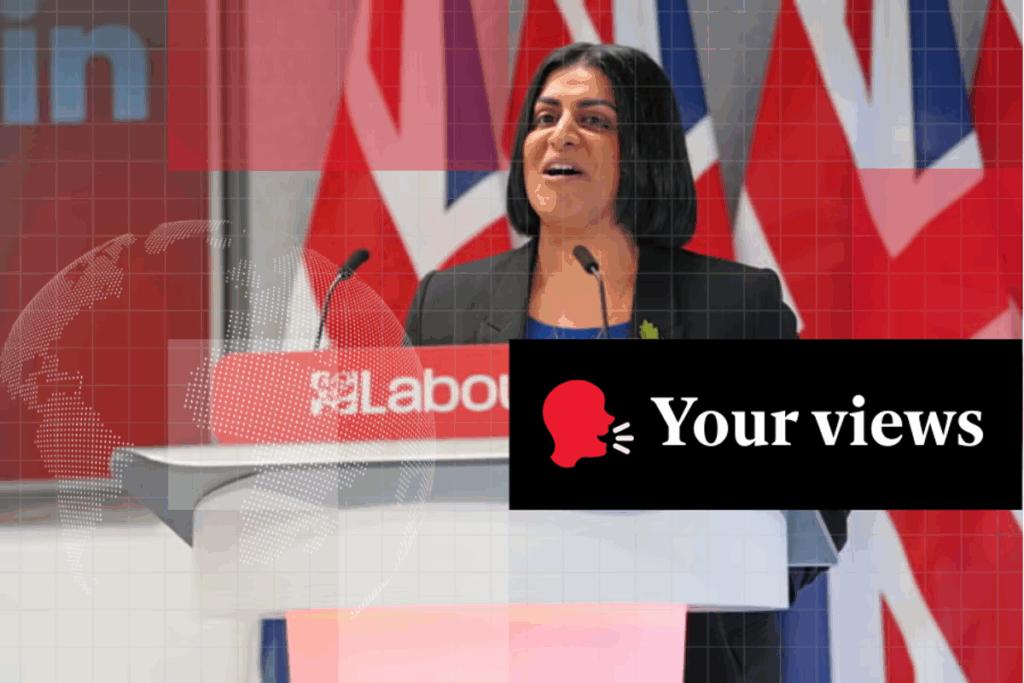
The Labour asylum plans unveiled by Home Secretary Shabana Mahmood are set to ignite considerable debate within and beyond Parliament. With proposals aimed at overhauling the UK’s asylum system, her approach includes controversial measures such as financial incentives for families with rejected claims to return home, as well as fast-tracking deportations. Mahmood’s asylum reform package, presented in the Commons, has drawn attention not just for its content but for its potential impact on families and children who face deportation alongside parents. Critics, including some Labour MPs, worry about the implications of these changes, concerned that they disproportionately affect vulnerable groups and may exacerbate existing humanitarian issues. As the party weighs the balance between public sentiment on immigration and its commitment to equitable treatment of asylum seekers, the political landscape surrounding these plans remains fraught with tension.
The Labour Party is currently navigating complex proposals aimed at reforming the asylum framework in the UK. Shabana Mahmood’s introduction of significant policy changes, including new directives for the management of those seeking refuge, marks a pivotal moment. These alterations are designed to address illegal crossings while simultaneously provoking discussions about the ethics of deportations and the fate of families impacted by these policies. Critics argue that the proposed measures may lead to inhumane treatment of vulnerable asylum seekers, raising ethical concerns about the direction of UK immigration policy. As the discourse evolves, the political ramifications of these reforms will undoubtedly influence the Labour Party’s internal dynamics as they grapple with public opinion and humanitarian obligations.
An Overview of Labour Asylum Plans
The recent proposals from the Labour Party to rework the UK asylum system signal a pivotal shift in its approach to handling individuals seeking refuge. Home Secretary Shabana Mahmood has articulated an ambition to overhaul the current system, which many believe is bogged down by inefficiencies and excessive timeframes for processing claims. Central to these plans is the introduction of new measures aimed not only at expediting the asylum process but also at addressing the long-standing debate around the treatment of asylum seekers. Labour’s approach suggests a more systematic method of dealing with failed asylum claims, focusing particularly on deportation protocols and financial incentives for families returning voluntarily.
This transformation in Labour’s asylum strategy could reshape perceptions around the party, especially considering the wider political landscape marked by rising public sentiment against illegal immigration. Labour’s embrace of these asylum reforms, which include the controversial removal of family units based on failed claims, reflects a tension within the party where humanitarian concerns meet electoral pragmatism. As discussions unfold, it is crucial for Labour to balance these reforms with the need to address the very real fears and concerns of constituents who feel that current asylum policies need revising.
Consequences of Asylum Seeker Deportation
The proposed changes to the UK asylum system outline a definitive stance towards deporting individuals with rejected claims, creating a discourse laden with ethical implications. Shabana Mahmood has made it clear that the government seeks to expedite the removal process for families and those who have overstayed their claims. Critics argue that this move could lead families, particularly children, into precarious situations, raising questions about the humane treatment of those seeking asylum. The ramifications of implemented deportation policies can trigger significant backlash, not only from humanitarian organizations but also from within Labour itself.
Moreover, this shift towards immediate deportation could have broader implications on the UK’s reputation as a safe haven for refugees. While Mahmood’s proposals aim to deter unlawful immigration through more stringent policies, they may also jeopardize the delicate balance between national interest and international obligations. As public opinion is swayed, Labour will need to navigate these complex waters cautiously, making sure that their actions resonate with the party’s traditional values of compassion and support for the vulnerable.
Labour Party Asylum Reforms and Public Sentiment
Labour’s recent proposals for asylum reforms come at a time when public sentiment regarding immigration is increasingly polarized. In light of Shabana Mahmood’s revelation of the party’s plan to introduce temporary refugee status and elongate the waiting period for permanent residency, it’s crucial to assess how these changes align with voter expectations. There exists a split within the Labour Party about how best to represent the concerns of local constituents while also standing true to its foundational principles. Some members believe that supporting reforms could alienate traditional Labour voters who are pro-refugee.
Conversely, there are concerns that ignoring public frustration towards illegal immigration could risk electoral support from those advocating for stricter controls. As a result, Labour’s challenge lies in crafting policies that bridge these gaps, ensuring that their reforms resonate with both their values and the demands of the electorate. Whether this delicate balancing act will be successful remains to be seen, but it is evident that the party’s stance on immigration reform will significantly influence their future political foothold.
Impact of Shabana Mahmood’s Asylum Proposals
The proposed changes by Shabana Mahmood are set to create a ripple effect across the entire UK asylum landscape. By emphasizing the need for swift action on failed claims and enforcing deportation measures, the Home Secretary has indeed ignited discussions about the ethical implications of such approaches. As the government outlines its vision for reshaping the asylum framework, it is essential to understand how these reforms will influence not only those seeking asylum but also the wider British society that engages with these policies.
Implementing Mahmood’s proposals requires navigating a treacherous political terrain, where public opinion, humanitarian obligations, and party unity all collide. In particular, the opposition from Labour MPs regarding the treatment of children during deportation proceedings highlights an essential point: asylum policies free from humane concerns can be detrimental to the very fabric of a compassionate society. The Labour Party’s ability to articulate a reformist yet humane asylum strategy will be vital in molding its future trajectory and addressing public sentiment effectively.
The Controversy of Temporary Refugee Status
One of the most contentious aspects of Labour’s asylum reforms is the introduction of temporary refugee status instead of permanent settlement for all asylum seekers. This policy shift not only alters the trajectory of asylum aspirations in the UK but also raises fundamental questions about the rights and welfare of refugees. The temporary nature of this status could lead to uncertainties for those fleeing persecution, making it imperative for Labour to consider the long-term implications of such policies.
Moreover, the potential elongation of the waiting time for permanent residency from five years to twenty could deter those in dire need of refuge. Advocates for refugees argue that this policy could compound the difficulties already faced by asylum seekers, potentially leading to increased despair and frustration among vulnerable populations. As the Labour Party grapples with these reforms, it must weigh the ethical responsibility to support those seeking sanctuary against the pressure to conform to popular rhetoric surrounding immigration.
Navigating Parliamentary Opposition
As Labour prepares to address the potential changes to the asylum system, the need to navigate parliamentary opposition becomes increasingly significant. Shabana Mahmood’s proposals, which require legislative approval, could face substantial hurdles from both within the Labour Party and among opposition parties. The extent to which the reforms are supported or contested will largely shape the outcome of these proposed changes, as various factions within Labour express concerns over the welfare of asylum seekers and the potential backlash from constituents.
The likelihood of a split within the Labour Party poses challenges to establishing a cohesive front on asylum issues. The complexity of aligning the expectations of different party factions—notably those advocating for a more humanitarian approach—against the backdrop of public opinion focused on restraint in immigration policies reflects the intricate nature of parliamentary politics. Mahmood will have to engage in strategic negotiations and persuasive communication to win the requisite support for the reforms to pass through Parliament.
Local Pressures on Labour MPs
Many Labour MPs face significant pressure from their constituents concerning asylum policies, as public opinion on immigration continues to shift. This creates a unique dynamic within the Party, wherein MPs must adapt their stances to reflect the sentiments of voters who may demand stricter asylum regulations. With Shabana Mahmood’s proposed reforms stirring debate, the balance between advocating for vulnerable populations and responding to calls for a tougher stance becomes increasingly difficult. Local pressures may compel Labour representatives to align with policies they personally oppose, thus creating internal conflict.
Furthermore, those MPs who represent constituencies with a high number of asylum seekers might find themselves caught in conflicting loyalties. While they may feel a moral obligation to support the rights of refugees fleeing conflict and persecution, the allure of winning favor with voters advocating against illegal immigration complicates their positions. The future of Labour’s asylum reforms may hinge on how well these local pressures are managed, highlighting the need for a refined approach to public communication and policy development.
The Role of Constituents in Policy Development
The evolving landscape of constituency opinions plays a crucial role in shaping Labour’s asylum policies. Many voters express a desire for change, emphasizing the need for a system that balances security and humanitarian obligations. This reflects a broader frustration with perceived failings in the UK’s immigration system. In this context, Shabana Mahmood’s asylum proposals aim to resonate with this sentiment, as she emphasizes the government’s commitment to addressing illegal immigration while also reforming how asylum claims are processed. It becomes a balancing act of addressing public concerns while remaining a party that champions the rights of the vulnerable.
However, constituents’ views can also be contradictory, demanding stronger border control measures while still supporting asylum seekers. This dichotomy poses challenges for Labour MPs who are tasked with advocating for policies that satisfy both sides. As consultations develop, it is essential that the party actively engages with constituents to understand their needs better. By fostering this dialogue, Labour can ensure that its asylum reforms are comprehensive and reflect the true desires of the public.
Potential Political Ramifications of Asylum Policy Changes
As Labour navigates the politically charged waters of asylum reform, the implications of any changes could resonate throughout the party and the broader UK political landscape. The introduction of controversial measures such as extending the waiting period for refugee applications and implementing temporary status may have a two-fold effect: galvanizing public support among those who favor stronger immigration controls while risking alienation of their traditional base advocating for refugee rights. This delicate balance hinges on Labour’s ability to frame their reforms effectively and engage with constituents on a level that resonates with their concerns.
Moreover, the ramifications of these policy proposals extend beyond immediate electoral concerns. Labour’s ability to uphold its values and the potential backlash from its constituency could define its long-term political fortunes, particularly as immigration continues to be a hotly debated topic. Shabana Mahmood’s leadership during this reform period is crucial; how she leverages legislative discussions, responds to opposition, and communicates Labour’s vision for a fair asylum system will be paramount in determining the party’s trajectory.
Frequently Asked Questions
What are the main points of the Labour Party asylum reforms proposed by Shabana Mahmood?
The Labour Party asylum reforms proposed by Shabana Mahmood include plans to streamline the UK’s asylum system, establishing temporary refugee status, introducing expedited deportations, and offering financial incentives for families to return home if their asylum claims are rejected. The reforms aim to address public concerns over illegal immigration and improve the efficiency of the asylum process.
How does Shabana Mahmood’s asylum proposals intend to handle family groups with failed asylum claims?
Shabana Mahmood’s asylum proposals suggest that families with failed asylum claims will be subject to deportation, contrary to current practices that often prevent the repatriation of family units. The government plans to consult on a process for enforcing these removals and may offer financial incentives to encourage voluntary return to their home countries.
What changes are expected in the UK’s asylum system following Labour’s asylum plans?
Labour’s asylum plans, as outlined by Shabana Mahmood, propose significant changes to the UK’s asylum system, including the conversion of refugee status into a temporary status, extending the waiting period for permanent residency from five years to twenty years, and implementing fast-track deportations to streamline the removal process for unsuccessful asylum seekers.
What has been the reaction from Labour MPs regarding Shabana Mahmood’s asylum plans?
The reaction from Labour MPs to Shabana Mahmood’s asylum plans has been mixed. While some MPs express unease and concern over the treatment of children during deportations and the overall direction of the proposals, others acknowledge the public’s frustration regarding illegal immigration and the potential electoral ramifications of opposing such reforms.
What is the significance of the proposed changes to the UK’s approach to asylum seeker deportation?
The proposed changes to asylum seeker deportation under Labour’s reforms signal a shift towards harsher policies regarding those with failed claims. By focusing on swift deportation and removing protections for families, the Labour Party aims to deter illegal immigration and align with public sentiment. However, this approach raises ethical concerns about the treatment of vulnerable families and children.
How does the Labour Party’s asylum system overhaul reflect public sentiment on immigration?
The Labour Party’s asylum system overhaul reflects a growing public sentiment concerned about illegal immigration and asylum abuse. By proposing stricter asylum controls and expedited deportations, Shabana Mahmood’s plans appear to respond to voters’ demands for tougher immigration policies while balancing the humanitarian needs of those fleeing persecution.
What are the potential implications of Labour’s controversial asylum policies for future asylum seekers?
Labour’s controversial asylum policies may lead to stricter entry requirements for future asylum seekers, a longer wait for achieving permanent residency, and increased deportation measures for those whose claims are denied. These changes may deter individuals from seeking asylum in the UK due to uncertainty regarding their legal status and support in navigating the asylum process.
| Key Point | Details |
|---|---|
| Home Secretary’s Announcement | Shabana Mahmood presented plans to overhaul the asylum system in Parliament, emphasizing the need to remove individuals with failed asylum claims. |
| Controversial Aspects | Proposal includes deportation of family groups, with financial incentives for families to return voluntarily if their asylum claims are rejected. |
| Concerns from Labour MPs | Some Labour MPs are uneasy about the approach, particularly regarding the treatment of children during deportation. |
| Legislative Process | Many of the proposed changes require legislative approval, meaning Labour’s opposition could significantly impact the proposals’ fate. |
| Public Sentiment | Despite discomfort among some Labour MPs, there is recognition of public frustration over illegal immigration, influencing their positions. |
| Performance in Commons | Mahmood received praise from some Labour peers for her arguments and clarity, contrasting with past government proposals that faced backlash. |
| Future Outlook | Though significant opposition exists, the situation could evolve as the first crucial votes approach, indicating a long road ahead for reforms. |
Summary
Labour asylum plans are currently a hot topic, with Home Secretary Shabana Mahmood detailing proposals that aim to significantly reform the asylum system in the UK. The proposed changes have sparked mixed reactions, particularly from within the Labour Party, where concerns about the treatment of vulnerable asylum seekers, especially children, have been raised. As these plans move through the legislative process, it will be crucial to monitor how Labour MPs balance public sentiment on immigration with their humanitarian responsibilities.