Listen to this article
Treacher Collins syndrome is a rare genetic condition that affects roughly one in 50,000 children, leading to distinct facial and skull abnormalities. For children like William, facing Treacher Collins syndrome can pose significant challenges, often impacting their daily activities and social interactions. However, life-changing surgery, such as facial reconstruction surgery, has provided a new lease on life for many affected individuals. After undergoing an extensive procedure at Bristol Children’s Hospital, William has triumphantly prepared for his first sleepover, a milestone many take for granted. His journey embodies the spirit of resilience and the critical importance of addressing children’s health needs through advanced medical options.
Known in medical contexts as mandibulofacial dysostosis, Treacher Collins syndrome significantly influences the development of facial structures, complicating everyday tasks and socialization for those affected. Children experiencing this condition often face various hurdles in terms of their appearance and health, leading to the necessity of procedures like facial reconstruction surgery. These interventions, which can be life-transforming, open new doors for children, enabling them to engage more fully with their peers. As evidenced in William’s case, overcoming such challenges can bring about joyful milestones like attending sleepovers, underscoring the power of modern medicine in improving quality of life. Understanding these alternatives ensures that discussions about children’s health remain comprehensive and optimistic.
Understanding Treacher Collins Syndrome and Its Challenges
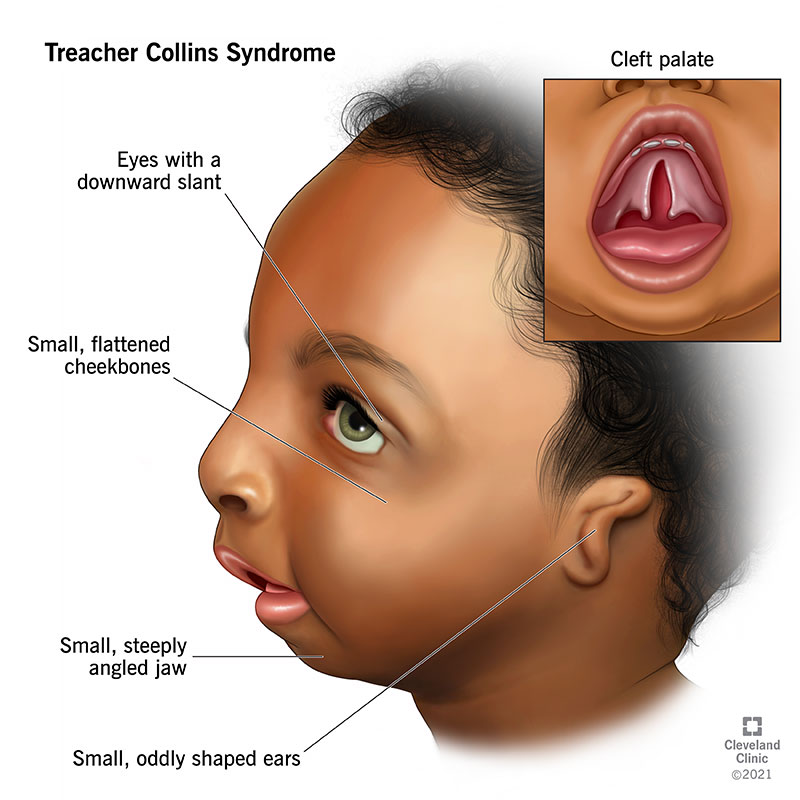
Treacher Collins syndrome is a congenital disorder that primarily affects the development of facial bones and structures, leading to unique challenges for those who have it. Approximately one in 50,000 children are diagnosed with this syndrome, which can manifest in various forms, from mild to severe. Children like William face significant challenges related to their health and social interactions, as the physical anomalies can impede their ability to breathe, hear, and even eat properly without surgical intervention.
The challenges presented by Treacher Collins syndrome often require comprehensive medical management. Those with the condition may need multiple surgical procedures, including facial reconstruction surgery, to improve their quality of life. For instance, William’s case involved extensive surgery to correct his jaw alignment, enabling him to breathe and eat independently. These surgeries are life-changing, allowing children affected by the syndrome not only to address physical limitations but also to participate more fully in social activities like sleepovers.
The Role of Life-Changing Surgeries in Child Development
Life-changing surgeries play a critical role in improving the quality of life for children with congenital conditions such as Treacher Collins syndrome. For many children, these operations are not just medical procedures; they represent a new beginning. For William, the successful reconstruction of his facial structure through surgery has facilitated activities he previously could only dream of, such as sleepovers and swimming. The psychological impact of being able to engage in these normal childhood experiences cannot be underestimated.
Such surgeries can drastically alter the trajectory of a child’s development. By alleviating health concerns associated with Treacher Collins syndrome, children gain confidence and social skills, allowing them to form friendships and bond with peers. This transformation is evident in William, who is now excited about his activities and gatherings with friends. Life-changing surgery is, therefore, an essential aspect of children’s health, offering opportunities for social engagement, emotional growth, and overall wellbeing.
The Importance of Early Intervention in Facial Reconstruction Surgery
Facial reconstruction surgery is vital for children with Treacher Collins syndrome, especially when performed at an early age. Early intervention can significantly improve not only physical outcomes but also the overall developmental milestones in children. These surgeries often involve intricate procedures aimed at enhancing the child’s ability to chew, swallow, and communicate effectively. In William’s case, the surgery he underwent at such a young age has allowed him to lead a more active and fulfilling life.
Furthermore, timely facial reconstruction can greatly enhance a child’s self-esteem, contributing to healthier social interactions. For children like William, overcoming the physical limitations associated with their condition can create a newfound sense of normalcy. It opens doors to diverse experiences and contributes to their overall happiness and engagement with friends, such as attending sleepovers or participating in fun activities. The significance of early surgical intervention is paramount, as it lays a strong foundation for a child’s future.
Celebrating Milestones After Surgery
Celebrating milestones after undergoing significant surgery is an essential part of recovery. For children like William, achieving moments like attending their first sleepover is a monumental event filled with joy and excitement. These experiences are not only a celebration of a child’s recovery but also a testament to the support from family and medical professionals who made these moments possible. Milestones provide opportunities for personal growth, coping with challenges, and fostering social connections.
William’s enthusiasm for his upcoming eighth birthday and the chance to have sleepovers highlights the transformative journey he has been on. Each milestone achieved builds confidence and encourages children to embrace social situations that may have previously felt daunting. For families, witnessing their child’s progress in celebrating significant moments post-surgery can be profoundly moving, reinforcing the importance of resilience and hope.
The Impact of Pediatric Health Services on Life-Quality
Pediatric health services play a crucial role in improving the life quality of children diagnosed with conditions such as Treacher Collins syndrome. Specialized healthcare teams, including surgeons, speech therapists, and support staff, collaborate to provide comprehensive care tailored to each child’s unique needs. This multidisciplinary approach ensures that all aspects of a child’s health are addressed, from physical surgery to emotional support.
By providing access to advanced treatments, pediatric health services help children achieve healthier lives and communicate more effectively, leading to improvements in their overall wellbeing. As demonstrated in William’s case, surgical interventions significantly impact his quality of life, allowing him to engage in everyday activities like playdates and swim outings with newfound confidence. Thus, pediatric healthcare remains integral in addressing not only the medical but also the social and emotional needs of children.
Children’s Health and Community Support
Children’s health is greatly influenced by community support, including family, friends, and local organizations. This support network plays a significant role in improving the quality of life for children with conditions like Treacher Collins syndrome. When a child like William is surrounded by encouragement and understanding, they are more likely to thrive emotionally and physically. Community resources can also offer practical assistance, providing families with the tools they need to navigate healthcare challenges.
Moreover, when communities support children’s health initiatives, they contribute to raising awareness about specific conditions and treatments. By sharing stories like William’s, more families can connect and find hope in similar circumstances. The excitement surrounding William’s first sleepover serves as a reminder of the incredible power of community support, emphasizing that with the right help, children can achieve remarkable milestones regardless of their health challenges.
Conclusions on Treacher Collins Syndrome and Surgery
In conclusion, Treacher Collins syndrome presents unique challenges for affected children and their families. However, with advancements in medical technology and dedicated healthcare professionals, life-changing surgeries can dramatically alter a child’s quality of life. William’s journey reflects the potential that these procedures offer: a chance to live more fully and engage in social experiences that many may take for granted.
As communities rally to support children with conditions like Treacher Collins syndrome, it becomes clear that understanding and compassion remain at the heart of genuinely impactful care. By sharing stories of triumph and resilience, society can foster an inclusive environment where all children, regardless of their medical backgrounds, can experience the joys of friendship and childhood adventures.
Frequently Asked Questions
What is Treacher Collins syndrome and how does it affect children?
Treacher Collins syndrome is a genetic condition that affects approximately one in 50,000 children, leading to malformation of the skull and facial bones. These abnormalities can impact vital functions such as breathing, eating, and speaking, often requiring surgical interventions like facial reconstruction surgery to correct these issues.
How can surgery change the lives of children with Treacher Collins syndrome?
Life-changing surgery can significantly improve the quality of life for children with Treacher Collins syndrome. Such procedures, including facial reconstruction surgery, help correct skeletal deformities, enhance breathing capabilities, and enable greater independence, allowing children to participate in everyday activities like sleepovers and sports.
What types of surgeries are involved in the treatment of Treacher Collins syndrome?
Treatment for Treacher Collins syndrome often involves multiple surgeries, such as facial reconstruction surgery and jaw surgeries using bone grafts from the ribs. These surgeries aim to improve facial structure, airway function, and overall health, enabling children to breathe, eat, and interact more freely.
What was the impact of William’s surgery on his ability to socialize and enjoy activities like sleepovers?
William’s life-changing surgery for Treacher Collins syndrome allowed him to enjoy social activities for the first time, including sleepovers with friends. The successful reconstruction of his jaw and removal of the breathing tube has greatly expanded his opportunities for socialization and play, marking a significant milestone in his childhood.
What kind of support do families of children with Treacher Collins syndrome need during surgeries?
Families of children undergoing surgeries for Treacher Collins syndrome often require emotional and practical support, including guidance from healthcare professionals throughout the surgical process. Having a medical team that understands the challenges of Treacher Collins syndrome is vital for ensuring both the child’s and family’s wellbeing before, during, and after surgery.
Why is it important to raise awareness about Treacher Collins syndrome?
Raising awareness about Treacher Collins syndrome helps improve understanding of the challenges faced by affected individuals and their families. Increased awareness can lead to better funding for research, support networks, and potential advancements in life-changing surgeries, empowering children with this condition to thrive.
| Key Point | Details |
|---|---|
| Condition Overview | Treacher Collins syndrome affects around 1 in 50,000 children. |
| William’s Case | William, a 7-year-old boy, has a severe case of Treacher Collins syndrome that led to breathing difficulties and required a tracheostomy at 2 weeks old. |
| Surgery Details | William underwent an 8-hour surgery to reconstruct his jaw using bone grafts from his ribs. |
| Post-Surgery Impact | Post-surgery, William can breathe, eat, and swallow independently, allowing him to have his first sleepover. |
| Future Aspirations | William is looking forward to swimming and having sleepovers with friends. |
Summary
Treacher Collins syndrome is a rare genetic condition that significantly affects facial and skull development, as seen in the case of William, a young boy who has benefitted from life-changing surgery. This surgery has not only allowed him to breathe independently but also to partake in activities that many children his age enjoy, like sleepovers with friends. William’s story highlights the advancements in medical procedures that can bring hope and improved quality of life to those affected by such conditions.