Listen to this article
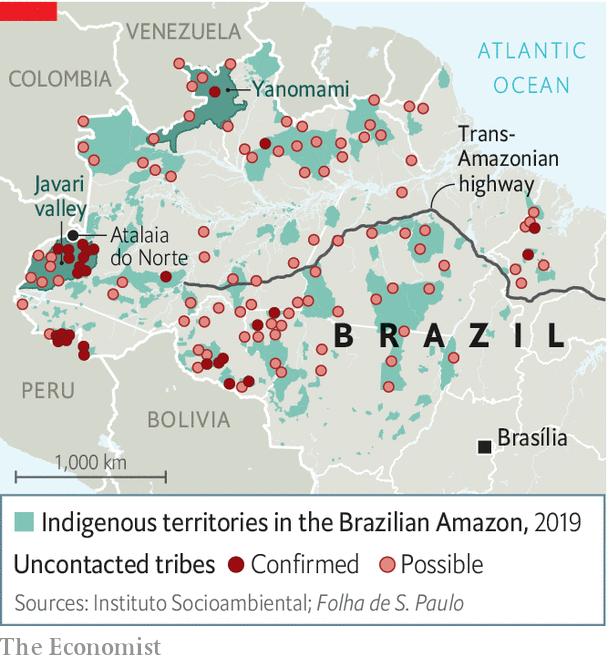
In Brazil, the recognition and protection of Indigenous territories are paramount for both cultural preservation and environmental sustainability. Recent developments have seen the establishment of 10 new Indigenous territories, a decision ignited by impassioned calls during the COP30 climate summit in Belém. These territories are not only vital for safeguarding the rich cultural heritage of Brazil’s Indigenous peoples but also serve as significant buffers against deforestation Brazil faces, particularly in the Amazon rainforest. Under President Lula’s administration, policies have shifted towards more robust protection, acknowledging Indigenous ownership of extensive lands, which may substantially assist in Amazon rainforest protection efforts. As key stakeholders in the fight against climate change, these Indigenous territories can help mitigate carbon emissions and preserve biodiversity, making them critical to the future of Brazil’s environment and global climate stability.
The designation of Indigenous lands in Brazil represents a crucial intersection of cultural rights and environmental stewardship. These legally recognized areas not only honor the ancestral claims of various Indigenous groups but also play an essential role in combating climate challenges faced globally. During high-level discussions at events like the COP30 climate summit, the commitment to uphold these territories is seen as imperative for achieving significant reductions in deforestation and carbon emissions. In light of aggressive past policies that allowed exploitation of these lands, the current approach under Lula’s leadership marks a transformative shift toward prioritizing the restoration and safeguarding of Indigenous lands. The comprehensive protection of these areas is not just a local issue but resonates globally, influencing international efforts to combat climate change and promote sustainable practices.
Recent Developments in Brazil’s Indigenous Territories
Recently, the Brazilian government has made significant strides in protecting Indigenous rights by designating 10 new Indigenous territories. This decision comes in direct response to calls from activists and representatives at the COP30 climate summit held in Belém, Brazil. These new territories not only aim to preserve the rich cultural heritage of the Indigenous peoples but also safeguard the crucial ecosystems that reside within these areas, including parts of the Amazon rainforest. With thousands of Indigenous peoples from various tribes, such as the Guarani and Munduruku, being recognized under these new protections, there is a sense of optimism about the future of these lands and their inhabitants.
However, the road to effective enforcement of these protections is complex. Although the Brazilian law promises to safeguard these territories, the reality often differs. For instance, previous governments have faced criticism for failing to enforce existing protections, leaving Indigenous lands vulnerable to illegal mining and logging. The Lula administration’s renewed commitment to Indigenous rights offers hope, yet the true challenge lies in ensuring these promises translate into concrete actions and protections that can withstand political and economic pressures.
Frequently Asked Questions
What are the recent developments regarding Indigenous territories in Brazil?
Recently, the Brazilian government has established 10 new Indigenous territories, significantly influenced by calls for action from protesters at the COP30 climate summit. This designation aims to protect Indigenous cultures and environments under Brazilian law, despite ongoing challenges in enforcement.
How does the recognition of Brazil Indigenous lands impact deforestation?
The recognition of Brazil Indigenous lands is crucial in combating deforestation. The Brazilian government estimates that expanding Indigenous territories could prevent up to 20% of additional deforestation and reduce carbon emissions by 26% by 2030, making it a key strategy for Amazon rainforest protection.
What policies does the Lula administration implement regarding Indigenous territories?
The Lula administration has actively recognized and expanded Indigenous territories, having acknowledged 11 lands last year and 10 new ones recently. These policies aim to reinforce protections against mining and logging to safeguard both the environment and the rights of Indigenous peoples.
What role do protests play in the recognition of Indigenous territories in Brazil?
Protests, especially during events like the COP30 climate summit, have been instrumental in galvanizing attention towards the recognition of Indigenous territories in Brazil. Demonstrators advocate for immediate action on demarcation and protection of Indigenous lands, which has led to governmental acknowledgment of their rights.
How does Indigenous land recognition contribute to climate change mitigation in Brazil?
Recognizing Indigenous lands plays a vital role in climate change mitigation efforts in Brazil. Protected areas, such as the newly designated territories, are essential for preserving biodiversity, maintaining healthy forests, and ultimately absorbing carbon from the atmosphere, thereby combating the effects of climate change.
What challenges exist in enforcing protections for Indigenous territories in Brazil?
Despite the legal protections afforded to Indigenous territories in Brazil, enforcement remains a significant challenge. Historically, administrations, including that of Jair Bolsonaro, have struggled to uphold these protections against illegal mining and logging, threatening the very integrity of Indigenous lands.
Why are the Amazon rainforest and Indigenous territories significant for global climate regulation?
The Amazon rainforest and its Indigenous territories are crucial for global climate regulation. They serve as major carbon sinks, absorbing vast amounts of CO2 and helping to mitigate climate change. Protecting these areas is vital for maintaining global temperature limits and biodiversity.
What is the current extent of Indigenous lands in Brazil, and what does it signify?
As of now, Indigenous lands in Brazil cover approximately 117.4 million hectares, which is about 13.8% of Brazil’s territory. This highlights the importance of Indigenous peoples in conserving vast areas of land critical for environmental health and climate stability.
What has been the international response to Brazil’s management of Indigenous lands?
Internationally, Brazil’s management of Indigenous lands has received scrutiny, particularly during forums like COP30. There is growing pressure on the Brazilian government to strengthen protections for these territories to curb deforestation and uphold climate commitments.
How do Indigenous peoples contribute to environmental conservation in Brazil?
Indigenous peoples are vital to environmental conservation in Brazil. Their traditional practices and knowledge have been proven to preserve ecosystems, promote biodiversity, and effectively manage natural resources, making them indispensable allies in combating climate change.
| Key Points | Details |
|---|---|
| New Indigenous Territories In Brazil | The Brazilian government has established 10 new Indigenous territories. |
| Response to Protests | The announcement followed calls for action from protesters at COP30 climate summit in Belém. |
| Cultural and Environmental Safeguards | The designation protects the culture and environment under Brazilian law, though enforcement can be challenging. |
| Previous Recognitions | Last year, President Lula’s administration recognized 11 territories. |
| Environmental Impact | Protected areas can avert 20% of additional deforestation and reduce carbon emissions by 26% by 2030. |
| Indigenous Communities | The new territories are home to various Indigenous peoples including Mura, Guarani-Kaiowá, and others. |
| Size of Indigenous Lands | Indigenous lands now cover 117.4 million hectares, about 13.8% of Brazil’s territory. |
| Historical Context | No new Indigenous lands were declared from 2018 until President Lula’s current administration. |
| Climate Conference Goals | Countries at COP30 are working to limit global temperature increases related to climate change. |
Summary
Indigenous territories in Brazil are of paramount importance for environmental protection and cultural preservation. The recent establishment of ten new Indigenous territories underscores Brazil’s commitment to safeguarding these lands, particularly in the Amazon rainforest, which is vital for regulating the global climate. Amidst rising concerns over deforestation and climate change, these designated areas will play a significant role in maintaining ecological balance, although ensuring enforcement remains a challenge. The recognition of these territories not only protects biodiversity but also reinforces the rights of Indigenous communities, marking a pivotal shift in Brazil’s environmental policy.