
Listen to this article
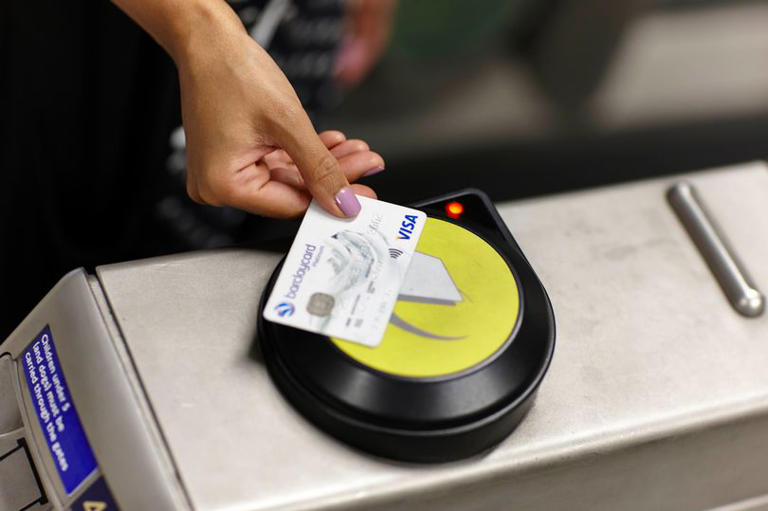
Stansted airport contactless payments are revolutionizing the way travelers manage their rail journeys starting next month. With the introduction of a seamless tap-in tap-out system, passengers can now breeze through railway barriers without the hassle of traditional tickets, ensuring a more convenient travel experience. This upgrade not only merges modern technology with efficiency but also aligns with contactless payment solutions offered at other major transport hubs like Southend airport. As thousands utilize contactless barriers yearly, this progressive move paves the way for smoother journeys and helps avoid hefty fines associated with missed tickets. By expanding options for fare payment, both Stansted and Southend airports aim to simplify rail travel for everyone while encouraging the use of innovative solutions such as Oyster card acceptance for those transferring to the Stansted Express.
The upcoming implementation of cashless payment options at Stansted airport signifies a major shift in how passengers will interact with railway ticketing systems. This innovative approach is part of a larger trend towards digital payment solutions across the region, mirroring advancements seen at Southend airport and other key railway stations. With the shift towards a harmonious railway payment system, travelers can expect greater ease through tap-in tap-out technology, reflecting a growing demand for user-friendly transit experiences. As this modernized payment framework takes shape, it eliminates complexities associated with classic ticketing, setting a new standard for convenience and flexibility. Embracing alternatives like contactless payments not only enhances travel efficiency but also engages a broader audience eager for straightforward transport solutions.
Introduction to Contactless Payments at Airports
In an effort to streamline rail travel for passengers, Stansted and Southend airport railway stations will begin accepting contactless payments starting next month. This innovative approach will allow travelers to enjoy a seamless experience by utilizing a tap-in tap-out ticketing system at the barriers. This change is part of a broader initiative across the southeast region, encompassing 50 railway stations. The aim is to simplify the ticketing process, making it easier and more accessible for passengers using these busy transit hubs.
As contactless payments revolutionize the way we pay for travel, it’s essential for passengers to remain vigilant. While the introduction of this system promises convenience, travelers must still ensure they check the regulations carefully to avoid penalties. Failure to tap in or out at the barriers, particularly at Stansted, could result in hefty fines. This new system is designed to encourage efficiency while addressing the multifaceted needs of modern travel, including catering to those using various transport payment solutions.
Benefits of the Tap-In Tap-Out System
The implementation of the tap-in tap-out system at Stansted and Southend airport railway stations is a monumental step towards modernizing rail travel. By adopting this method, passengers are granted the flexibility to start and end their journeys without the hassle of traditional ticketing. This initiative aligns with the evolving needs of travelers who are increasingly reliant on contactless financial transactions. Furthermore, the convenience of making payments through options such as contactless cards or devices would enhance user satisfaction significantly.
Moreover, the benefits extend beyond mere convenience; the tap-in tap-out system increases operational efficiency at railway stations. With fewer queues and smoother transitions through barriers, passengers can focus on their travel experiences rather than getting bogged down by ticketing complexities. Additionally, this system is particularly beneficial for frequent travelers, as it simplifies the process of accessing transport without needing to purchase individual tickets, accommodating both local commuters and international visitors alike.
Oyster Card Acceptance at Airport Links
In addition to the new contactless payment options, it is worth noting that while Oyster cards are accepted for travel to Liverpool Street and Tottenham Hale for the Stansted Express, they cannot be used for tapping out at Stansted airport itself. This stipulation is vital for passengers to understand, as it underscores the distinction between different payment methods available at varying points in the rail system. Thus, travelers should remain informed about the necessary ticketing options to avoid fines and ensure smooth transitions.
As the acceptance of Oyster cards varies across the network, understanding these nuances serves as a reminder of the various transport payment solutions available. Enhanced communication from the rail industry regarding these payment methods would greatly assist passengers in navigating their travel options more efficiently. Ultimately, recognizing the flexibility that contactless payments, alongside the traditional Oyster card system, offers can empower travelers to make well-informed decisions.
Expected Impacts on Passengers
The introduction of contactless payments at Stansted and Southend railway stations is poised to have a significant impact on passenger experience. Not only will it help mitigate the risk of fines associated with conventional ticketing, but it will also offer travelers a more straightforward and modern solution for purchasing rail tickets. This enhancement aligns with broader trends in public transportation, where ease of use and accessibility are paramount for riders in urban environments.
Additionally, with significant capital investment from the Department for Transport, this change emphasizes a commitment to improving the overall travel experience in the UK. Passengers can expect increased satisfaction levels as they navigate their journeys with innovative payment technology. Services are not only evolving; they are being designed with the consumer in mind, ensuring that travel remains smooth and enjoyable as urban landscapes grow and change.
The Financial Implications of Contactless Railway Payments
Transitioning to contactless payment methods is not just a convenience; it also has financial implications for both passengers and the transport system. By simplifying the payment process, the rail industry aims to reduce operational costs associated with traditional ticketing methods. Additionally, as adopting contactless systems becomes the norm, passengers may benefit from competitive fares, enhancing the appeal of rail travel.
A more efficient payment system can potentially lead to increased revenue for rail companies by attracting more users, as the barriers to entry reduce. The streamlined payment process can enhance the customer experience, leading to higher customer retention and increased frequency of travel among established users. Thus, while the transition to contactless payments is a technical upgrade, its ripple effect on the broader financial landscape of rail travel cannot be understated.
Challenges Facing the Adoption of Contactless Payments
Despite the many benefits of contactless payments, several challenges must be navigated before a smooth rollout. One of the key issues identified includes ensuring that all passengers are adequately informed about the new payment options and the necessary procedures for successful implementation. The rail industry has a responsibility to clearly communicate these changes to avoid confusion and potential penalties for users who fail to adapt.
Moreover, like any technological upgrade, the infrastructure must be in place to support this system effectively. This includes ensuring that barriers at stations are equipped with the necessary technology to accept contactless payments and that customer service staff are trained to assist with inquiries. This transition not only needs to involve technological readiness but also requires a comprehensive public engagement strategy to support effective usage.
Comparative Analysis with Other Transportation Payment Systems
The contactless payment systems being adopted at Stansted and Southend railway stations create a significant comparison point against established rail systems in London that already leverage technology like Oyster cards. While Oyster cards have streamlined the process in London, the upcoming integration with new contactless technology aims to create similar efficiencies at regional airports. This comparative understanding can help in evaluating the success of these implementations.
Additionally, the tap-in tap-out system aligns with global trends in transport payment solutions that are gaining traction. Cities around the world are adopting technology that facilitates seamless transit experiences. The goal is to create an integrated transport network, where payment systems work harmoniously across various modes of transport, be it trains, buses, or trams. As such, it’s essential for rail authorities to learn from these global practices and tailor solutions suited for the UK context.
Future of Contactless Payments in Rail Travel
Looking ahead, the future of contactless payments in rail travel appears promising. With the expansion of tap-in tap-out technology and its anticipated evolution under Great British Railways, the momentum for seamless travel experiences continues to build. Innovations in this area will likely lead to additional developments that make buying tickets as frictionless as possible, helping to attract a wider audience to rail travel.
As rail networks adapt and expand their contactless capabilities, passengers can expect enhanced features, possibly incorporating mobile applications and digital wallets that offer even more convenience. Ultimately, this journey towards modernization is not simply about adopting new technologies, but about fundamentally changing the way passengers interact with rail services, ensuring their needs are met in an increasingly digital world.
Conclusion: Embracing Modern Payment Solutions
The move towards accepting contactless payments at Stansted and Southend airport railway stations is a significant step in transforming the rail travel experience. By embracing modern payment solutions, the rail industry is not only looking to improve ease of access but also to position itself as an attractive option for travelers. As more users transition to contactless payments, there’s a strong potential for rail travel to become a preferred mode of transportation.
In conclusion, as these changes roll out, it will be vital for the rail industry to remain transparent and communicative with passengers. Ensuring that travelers understand their payment options—including the nuances of Oyster card usage—will be crucial. This modern era of transport payment solutions is not just about technology but about enhancing the overall journey for every passenger.
Frequently Asked Questions
What are the new contactless payment solutions at Stansted airport?
Stansted airport is set to implement contactless payments for rail travel starting next month. This includes a tap-in tap-out ticketing system at the barriers, enhancing convenience for travelers.
Will the tap-in tap-out system at Stansted airport work for Southend airport payments?
Yes, the new tap-in tap-out system implemented at both Stansted and Southend airports will accept contactless payments, making rail travel easier for passengers traveling to and from these airports.
How will contactless payments at Stansted airport improve travel experience?
The introduction of contactless payments at Stansted airport simplifies the travel experience by allowing passengers to use tap-in tap-out systems. This modern payment method ensures a faster and more efficient boarding process.
Is there Oyster card acceptance at Stansted airport for contactless payments?
Oyster card acceptance is available for travel to Liverpool Street and Tottenham Hale with the Stansted Express, but it cannot be used to tap out at the airport barriers.
What should passengers know about overpaying when using contactless payments at Stansted airport?
Passengers should remain vigilant when using contactless payments at Stansted airport to avoid fines. It’s essential to have a valid ticket to prevent incurring penalties of up to £100.
When will contactless payments be available at Stansted airport and Southend airport?
Contactless payments will be available starting December 14 as part of an £18.7 million investment to enhance transport payment solutions across the southeast.
Are there advantages to using contactless payments at railway stations like Stansted?
Yes, using contactless payments at railway stations like Stansted offers convenience, faster transactions, and flexibility, allowing passengers to access the best fares without the hassle of traditional ticketing methods.
Which railway stations in the southeast will accept contactless payments along with Stansted airport?
In addition to Stansted airport, several other railway stations in the southeast, including Southend Victoria, Chelmsford, Stevenage, and Luton, will start accepting contactless payments as part of this upgrade.
How does the new contactless payment system align with advancements in travel technology?
The new contactless payment system at Stansted airport represents a significant upgrade to align with 21st-century travel technology, providing more accessible, convenient, and flexible ticket purchasing options.
What investment is behind the contactless payments at Stansted and Southend airports?
The contactless payment solutions at Stansted and Southend airports are part of an £18.7 million investment by the Department for Transport aimed at improving transport payment infrastructure.
| Key Point | Details |
|---|---|
| Contactless Payments Implementation | Stansted and Southend airport railway stations will start accepting contactless payments for rail travel from next month. |
| Tap-In Tap-Out System | The new system will be implemented at the barriers at both airports, except for the Cambridge-Stansted service. |
| Issue with Current Ticketing | Passengers face fines of up to £100 at Stansted if they do not have a ticket, highlighting communication challenges about the system. |
| Oyster Card Limitations | Oyster cards can be used at Liverpool Street and Tottenham Hale but not for tapping out at Stansted airport. |
| Investment for Improvement | There is an £18.7 million investment from the Department for Transport to improve contactless payments at 50 stations in the southeast. |
| Other Benefiting Stations | Other stations included in the update are Chelmsford, Southend Victoria, Stevenage, Luton, Aylesbury, and Dorking. |
Summary
Stansted airport contactless payments are set to revolutionize the way passengers fare at the airport, making rail travel more convenient and user-friendly. Starting next month, travelers will benefit from a tap-in tap-out ticketing system that simplifies the boarding process. This initiative not only enhances customer experience but also minimizes the risk of fines for not having a ticket. As the rail industry evolves with technology, passengers can expect a more accessible and flexible fare system, aligning with contemporary needs and ensuring access to the best available fares.