
Listen to this article
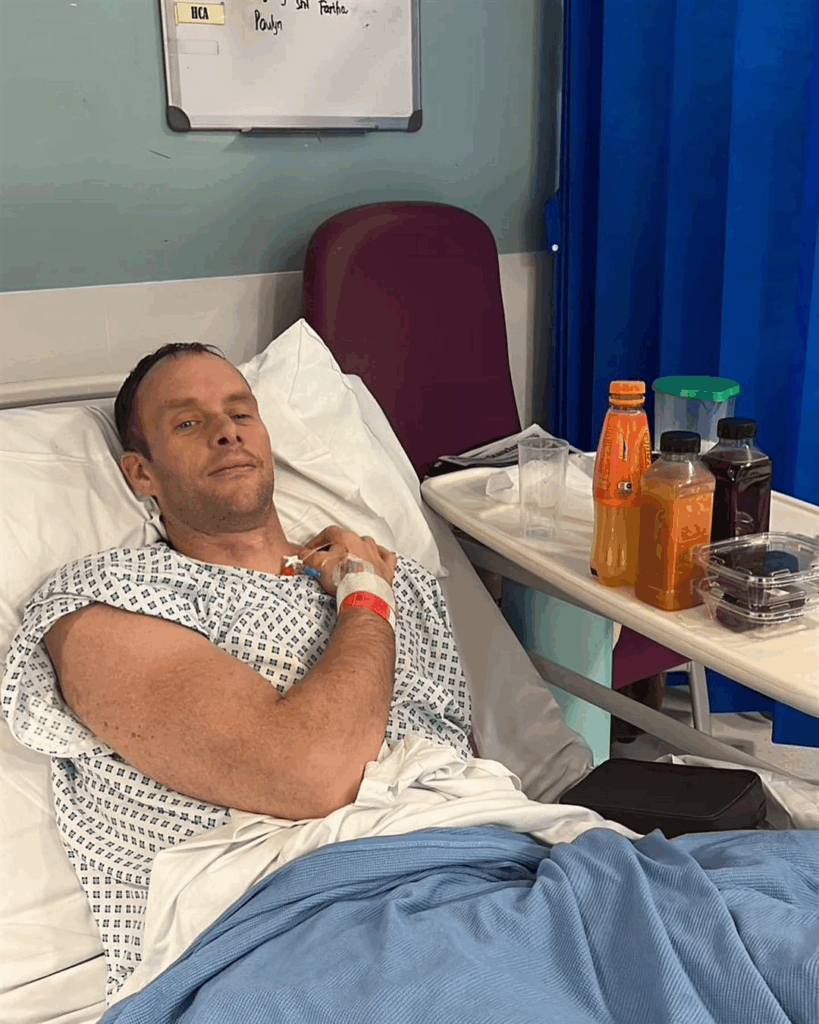
David Smith’s challenging journey with a brain tumor began when he dismissed alarming symptoms like blurred vision and fatigue, attributing them to too much television. This British Paralympic champion’s health took a critical turn upon his return from Jamaica, leading his worried family to seek medical help. A dramatic diagnosis revealed three benign brain tumors, one significantly large. Following extensive surgery and radiotherapy, David’s recovery reflects resilience against shocking health revelations that marked a turning point in his life. Through inspiring parallels with other Paralympians, Smith’s story becomes a powerful narrative in understanding brain tumor symptoms and the broader Paralympian health journey.
The story of David Smith reflects the experiences of many who face dire health challenges, particularly within the context of brain tumors and their effects. When symptoms such as visual distortions and chronic fatigue arise, they often signal deeper issues that demand professional evaluation. Smith’s situation, involving the presence of multiple benign growths within the brain, underscores the importance of awareness and early diagnosis. His narrative not only highlights the medical struggles including surgeries and ongoing treatment but also resonates as a tale of hope and community support, resembling the greater Paralympic champion ethos. Ultimately, David’s ongoing recovery journey serves as a testament to the strength required to confront such illnesses and the vital role of family and friends in providing a support system.
Understanding David Smith’s Brain Tumor Diagnosis
David Smith’s brain tumor diagnosis serves as a critical reminder of how easily symptoms can be overlooked. Initially attributing his blurred vision and fatigue to excessive television watching, Smith dismissed the early signs of a serious health issue. This situation is common among many individuals who overlook symptoms of brain tumors, mistakenly thinking they’re due to stress or fatigue. However, as David discovered, these so-called trivial symptoms could be indications of something gravely serious, showcasing the need for awareness regarding brain tumor symptoms.
Smith’s family’s intervention was pivotal, highlighting the crucial role loved ones can play in recognizing changes in behavior. As he became withdrawn and felt emotionally altered, their concern prompted him to seek medical attention, ultimately leading to his alarming diagnosis. This situation underscores the importance of paying attention not only to one’s health but also to external observations of behavior changes, supporting the argument for higher awareness of neurological health.
The Journey of David Smith’s Recovery
Following his diagnosis, David Smith’s recovery has been a demanding journey, illustrating the complexities associated with brain tumor treatment. With the removal of his first tumor and subsequent surgeries, he faced immediate challenges like memory loss and speech difficulties. This experience reflects the harsh realities many patients endure post-surgery, which can significantly affect their quality of life. Recovery from such invasive procedures requires extensive medical support and personal coping strategies.
Smith’s resilience amidst adversity is commendable; he emphasizes gratitude for his life and the support of family and friends throughout his ordeal. His journey not only inspires fellow Paralympians but also provides hope to others facing similar battles with benign and malignant brain tumors. Understanding this journey allows for conversations around strengthening social support systems for individuals navigating their health journeys.
Symptomatic Differences: David’s Brain Tumor Experience
David Smith’s symptoms of blurred vision, fatigue, and subsequent behavioral changes are consistent with various brain tumor symptoms that many overlook. It’s critical to understand the diversity of symptoms that can manifest, whether benign or malignant. Many individuals experiencing these signs often attribute them to everyday stressors, not realizing that brain tumors may lead to behavioral and cognitive changes that could jeopardize their health.
The emotional aspect of dealing with a brain tumor diagnosis is profound. David Smith’s recount of becoming irritable and logically impaired illustrates how the tumor impacted functional areas of his brain. This highlights the significance of awareness regarding the emotional and psychological effects of brain illness, not only for patients but for their families, as they can be instrumental in seeking earlier medical intervention.
The Role of Family in David Smith’s Trek to Health
Family played a crucial role in David Smith’s journey from diagnosis to recovery, emphasizing the importance of social support in managing health challenges. His family noticed behavioral changes that Smith overlooked, thus advocating for his medical attention. This situation sheds light on how open communication and understanding within families can lead to earlier detection of potential health issues, reinforcing familial ties as a source of strength during challenging times.
Moreover, the emotional support from his family helped David cope during his recovery, especially while facing the uncertainties of his tumor journey. This highlights the necessity of including family members in the recovery process, which advocates for a comprehensive approach to healing that encompasses emotional, physical, and psychological support.
Lessons Learned from David Smith’s Paralympic Champion Story
David Smith’s experience as a Paralympic champion transcends his athletic achievements, showcasing resilience in the face of adversity. His story reflects how athletes manage personal health crises while continuing to inspire others. Through his struggles with brain tumors, Smith demonstrates that strength goes beyond physical prowess; it encompasses the emotional and psychological tenacity required to overcome health challenges.
Moreover, David’s journey encourages a broader conversation about health awareness among athletes. It highlights the importance of regular health check-ups and encourages peers in the sporting arena to prioritize their well-being alongside their professional careers, potentially reducing the risk of overlooking significant health conditions such as brain tumors.
Confronting Benign Brain Tumors: David Smith’s Perspective
Despite being classified as benign, David Smith’s brain tumors created significant health challenges that demand attention. The term ‘benign’ can often lead to a false sense of security; however, Smith’s experience illustrates that benign tumors may still pose serious threats to neurological function and quality of life. His journey underlines the need for ongoing monitoring and addressing symptoms, regardless of the tumor’s classification.
Smith’s ongoing treatment journey, including radiotherapy and the possibility of further surgeries, emphasizes that the presence of benign tumors can still be life-altering. This insight advocates for continued research and awareness regarding benign brain tumors, ensuring individuals understand their implications and the necessary steps for comprehensive care.
Navigating Neuropsychological Effects of Brain Tumors
The impact of brain tumors transcends physical symptoms, affecting emotional and cognitive functions significantly. In David Smith’s case, understanding how the tumor influenced his behavior, including impulsivity and logic, provides essential insights into the broader neuropsychological effects. Many patients may experience similar changes, stirring conversations around the need for targeted mental health support.
Addressing the psychological aspects of brain tumors is vital for comprehensive patient care. David’s recognition of his altered behavior showcases how brain health can intricately affect emotional well-being. This presents an opportunity for healthcare professionals to integrate neuropsychological evaluations within treatment plans for brain tumor patients to aid in managing emotional health effectively.
Coping with Health Challenges: David’s Insight
David Smith’s perspective on coping with health challenges amidst his brain tumor journey offers invaluable insights into personal resilience. He reflects on the importance of appreciating life’s moments and understanding the fragility of health—something many take for granted. His mindset encourages others facing health challenges to adopt a similarly appreciative outlook.
Moreover, David’s belief in managing his emotional well-being through a shift in perspective highlights a potential coping strategy that others can consider in their own health journeys. This approach may empower patients, encouraging them to cherish both small victories and the larger picture of life throughout their recovery process.
The Importance of Continued Education on Brain Tumor Awareness
Educating the public about brain tumors can significantly impact early detection and treatment. David Smith’s experience illustrates the importance of recognizing brain tumor symptoms, as many individuals, influenced by misinformation, may ignore early signs. Increasing awareness can prompt individuals to seek medical advice sooner, potentially improving outcomes.
Furthermore, awareness campaigns can help dispel myths surrounding benign versus malignant tumors, clarifying that benign tumors can still necessitate extensive treatment and ongoing care. This educational component can also foster community support for those navigating brain tumors, encouraging shared experiences and collective strength during recovery.
Frequently Asked Questions
What are the symptoms of a brain tumor that David Smith experienced?
David Smith experienced symptoms such as blurred vision, fatigue, and changes in behavior, including withdrawal and irritability. Initially overlooked as effects of excessive television watching, these symptoms indicated the underlying issue of brain tumors.
How did David Smith’s journey with brain tumors impact his life as a Paralympian?
David Smith’s journey with brain tumors significantly affected his life as a Paralympian. After experiencing behavior changes and health declines, he underwent surgeries and radiotherapy, emphasizing the importance of family support and resilience in his recovery.
What type of brain tumors were found in David Smith?
David Smith was diagnosed with three brain tumors, which doctors confirmed were benign. Despite their benign nature, he underwent surgeries and is currently receiving radiotherapy to manage the remaining tumors.
What has David Smith said about his recovery from brain tumors?
David Smith described his recovery from brain tumors as lengthy and challenging. He noted temporary memory loss and speech difficulties post-surgery but expressed immense gratitude for life and support from friends and family during his health journey.
Can you share details about David Smith’s benignant brain tumors?
David Smith’s brain tumors are classified as benign, meaning they are not cancerous. Despite being benign, one tumor was significantly large, prompting emergency surgery and subsequent treatment to ensure his continued health and recovery.
What lessons has David Smith learned from his health journey involving brain tumors?
David Smith has learned to appreciate life more than ever, recognizing the critical role of friends and family during his health challenges. He also emphasizes the importance of shifting perspectives to cherish life after enduring the struggles of dealing with his brain tumors.
What is the current status of David Smith’s brain tumor condition?
Currently, David Smith’s tumors are classified as stage 2, and he continues to manage recurring tumors. He understands that his health journey is ongoing as he navigates follow-up treatments and potential surgeries.
| Key Points | Details |
|---|---|
| Diagnosis | David Smith, a 47-year-old Paralympian, was diagnosed with three brain tumors after ignoring symptoms of blurred vision and fatigue. |
| Symptoms | Initially thought to be from excessive TV watching, they worsened after a trip to Jamaica, leading to concerns from family and friends. |
| Medical Intervention | An emergency CT scan revealed the tumors, leading to surgery to remove one of them, which was significantly large (size of an orange). |
| Current Treatment | Despite the tumors being benign, David is undergoing radiotherapy and may require further surgeries to manage the condition. |
| Personal Reflection | David acknowledges the support of family and friends, emphasizing the importance of appreciating life amid ongoing challenges with his health. |
Summary
David Smith’s brain tumor journey highlights the importance of not dismissing symptoms of health concerns. Initially attributing his blurred vision and fatigue to watching too much television, his diagnosis with three brain tumors forced him to confront serious health challenges. Smith’s story serves as a poignant reminder of the need for awareness and prompt medical attention when unusual changes occur in one’s health.