
Listen to this article
The London postcode system serves as a fascinating yet perplexing component of the city’s identity. With an array of postal districts and quirky London street names, this system often confounds locals and visitors alike. Rather than following a straightforward directional pattern, the postcode designations reflect a historical evolution steeped in interesting anecdotes. For instance, one might expect a simple South designation to accompany the N for North London; however, this is not the case, leading to frequent London Underground confusion among travelers. Discovering the history of London postcodes reveals a backstory filled with oddities, showcasing how even seemingly mundane things can carry a wealth of quirky London facts.
Exploring the intricate postal framework of London reveals a unique system that has evolved over the years. This network of postal regions, which defines various London neighborhoods, often surprises those unfamiliar with the city. The peculiar arrangement of codes not only influences daily street navigation but also connects to a rich historical narrative. As Londoners traverse through its maze of postal areas, they often encounter strange patterns that reflect a deeper legacy of urban planning and postal logistics. Ultimately, understanding this postal framework enhances one’s appreciation for London’s more enigmatic traits, showcasing the interplay between geography and history.
Understanding the London Postcode System
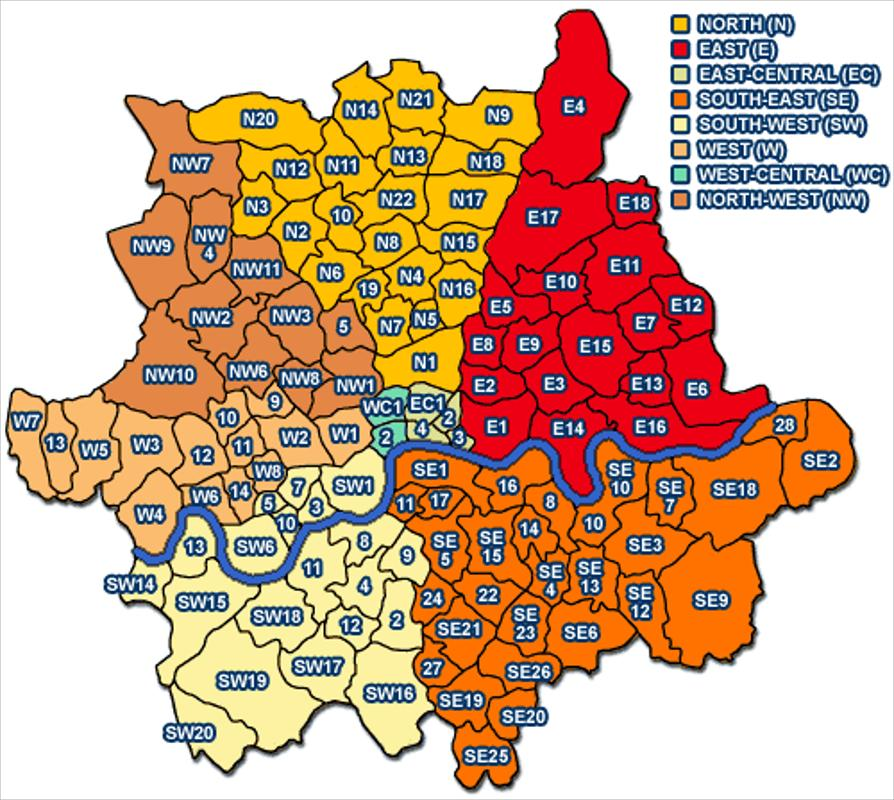
The London postcode system can be puzzling for newcomers and even long-term residents. Originally introduced to streamline mail delivery, the system has evolved into a complex network that includes several postal districts. Central London is divided into zones by postal area codes, such as N for North, E for East, SW for South West, and more. However, unlike most major cities, London lacks a straightforward, systematic navigation format for postcodes, leading to confusion among those trying to understand the geographic layout. For instance, while navigating from SE17 to SE1 might seem simple, it’s a trek that reveals the illogical nature of the city’s postal arrangement.
A unique feature of the London postcode system is its historical idiosyncrasies. Originally established in the 1850s by Sir Rowland Hill, the intention was to create a more logical postal delivery system. However, this rational design was disrupted by decisions made by Anthony Trollope, resulting in missing compass points in the postcode configuration. Many Londoners even today remain unaware of the historical reasons behind the current configuration of postcodes. What originally began as a strategic means to organize mail delivery has morphed into an exasperating puzzle that contributes to the city’s charm and character.
The Quirks of London Street Names
London is renowned for its quirky street names that intrigue both visitors and locals. Names like ‘Petticoat Lane’ and ‘Knightsbridge’ often raise eyebrows and provoke curious inquiries. These names often reflect the rich tapestry of London’s history and culture, spanning centuries of evolution. They tell stories of the past, hinting at the occupations, characteristics, and events associated with the areas. For anyone exploring London, delving into the history behind these street names can enhance the experience, revealing layers of the city that go beyond its modern façade.
Furthermore, the whimsical nature of London street names often embodies the character of the neighborhoods they inhabit. For instance, ‘Silly Walks Lane’ undoubtedly sparks interest and amusement, bringing a smile to the faces of those who pass by. Such names can also create an element of confusion, especially for tourists who might stumble upon them without understanding their significance. Unraveling the etymology of these street names showcases the city’s unique personality and continues to affirm why London is one of the most fascinating places in the world.
Navigating the London Underground Confusion
The London Underground is frequently cited as one of the most efficient transit systems in the world, yet it can be a source of tremendous confusion for travelers. With its iconic tube map and extensive network, passengers often find themselves puzzled about how to navigate from one line to another. Despite the seemingly simple mapping, the layout can leave riders bewildered, especially at stations where transfers are not as straightforward as they seem. For instance, certain stations might appear on the map as interconnected but are actually quite distant, necessitating extra walking or even a detour.
This maze-like structure can lead to significant delays and miscommunications, particularly during peak hours when the platforms are packed. Additionally, there have been instances where emergency services have had difficulty accessing certain areas, leading to stories that highlight the challenges some commuters face daily. Understanding the nuances of the London Underground network can enhance the travel experience, contributing to a smoother journey through one of the world’s busiest cities.
The Chaotic Numbering System of London Postcodes
The numbering system in London postcodes often appears chaotic and perplexing. Established during World War I, the numbers were allocated to postal areas based on their sorting offices. While sorted by alphabetical order, the numbers don’t correspond closely to geographical locations. For example, one can find SW12 neighbors with SW2, yet they are neither sequential nor geographically aligned. This randomness can frustrate those attempting to navigate the city or find specific locations.
This system leads many to question how addresses are determined, particularly given the historical changes that have modified the framework over the years. As a result, it is common for locals to be unaware of their actual postal district designations. The quirkiness in London’s postcode organization adds to its distinctive character, blending historical influence with the daily lives of its residents, contributing to the eclectic reputation of the city.
History of London Postcodes and Their Evolution
The retrofitting of London’s postal system began in the 1850s under the supervision of Sir Rowland Hill. His initial plan aimed to streamline delivery across the rapidly expanding city, creating ten distinct districts to cater to London’s growing demands. This postal district system laid the groundwork for the postcodes we recognize today. However, due to subsequent modifications, including those made by Anthony Trollope, the system we have now seems less coherent than initially intended.
Over the years, London’s postcode system has been adjusted numerous times to accommodate shifting populations and consumer needs. The historical decisions regarding postal districts illustrate the interactions between administrative infrastructure and everyday life in London. Today, the evolution of the London postcode system serves not only as a function of practicality but also as a fascinating aspect of the city’s cultural identity, exposing the quirky dynamics between its past and present.
Interesting Facts About London
London is a city rich with intriguing trivia that keeps both locals and tourists enamored. From its odd traditions, like the annual ‘Cheese Rolling Race,’ to peculiar landmarks such as the ‘Seven Noses of Soho,’ these quirky facts add depth to any exploration of the city. The capital is also home to more than 170 museums, many of which are free to visit, showcasing its diverse cultural heritage and artistic expression.
Additionally, the lively spirit of London manifests through its thriving market scene and eclectic culinary offerings. Whether it’s the bustling atmosphere of Camden Market or the vintage charm of Portobello Road, each district boasts unique flavors and experiences. These interesting elements combine to create an unforgettable experience, reinforcing London’s reputation as one of the most vibrant cities in the world.
The Role of London’s Postal Districts
The postal districts of London play a critical role in urban planning and development. Each postal area and its associated postcode help streamline logistics for both delivery services and emergency response teams. The existence of distinct postal districts facilitates better organization within such a sprawling metropolis, allowing for improved efficiency and expedited service. For instance, knowing whether an area lies in N, SW, or E can significantly affect travel times and resource allocation.
However, despite their practical benefits, the idiosyncratic overlaps and gaps in the postcode framework can create challenges. As mentioned earlier, missing designations like S or NE result in confusion that impacts not only mail delivery but also the general geographical understanding one has of London. Awareness of London’s postal districts and their significance can transform residents’ and visitors’ navigation through the city, as each district tells the unique story of its community.
Exploring London Through Its Postcodes
Exploring London through its postcode system offers a unique lens through which to observe and appreciate the city’s diversity. Visitors can uncover hidden gems and experience different neighborhoods simply by understanding how London is sectioned off by its postal areas. Each postcode carries distinct cultural significances — for instance, W1 encompasses the well-known West End, while E1 houses areas like Whitechapel and Brick Lane, renowned for their vibrant markets.
By committing to exploring off the beaten path, travelers can create a more immersive London experience. The city’s character can shift dramatically from one postcode to another; the artistic vibes of Hackney contrast sharply with the bustling financial energy of Canary Wharf. Understanding the division of these areas based on their postcodes aids not only in navigation but enhances the overall appreciation of the rich and evolving culture of London.
The Quirky Characteristics of London Culture
London’s culture is a fascinating blend of history, modernity, and quirkiness, reflecting the city’s unique position as a cultural hub. From its historic landmarks to contemporary art installations, London thrives on its rich heritage while continually embracing innovation. Each neighborhood embodies distinctive characteristics that contribute to an eclectic cultural landscape, making it a prime destination for those seeking both history and modern-day vibrancy.
Additionally, quirky local traditions and events reflect London’s multi-faceted identity. For instance, events such as the Notting Hill Carnival or the Thames Clippers are perfect examples of how diverse communities within the capital celebrate their heritage. Such cultural experiences not only enrich the lives of Londoners but also captivate visitors, making London a place where the past and present intertwine seamlessly.
Frequently Asked Questions
What is the history of the London postcode system?
The history of the London postcode system dates back to the 1850s when Sir Rowland Hill established a postal district system. Initially, London was divided into ten districts, each further identified by compass points (N, NE, E, etc.). However, the system was disrupted by Anthony Trollope, a Post Office surveyor, who assigned some prefixes like ‘S’ to Sheffield and ‘NE’ to Newcastle, leading to confusion in the London postal districts.
How do London street names relate to the postcode system?
London street names are integral to the postcode system as they determine the allocation of postcodes within each district. For example, a postcode like W1 corresponds to areas around central Westminster, with street names reflecting the history and significance of that region. This connection between street names and postcodes helps in efficient mail delivery but can also cause confusion.
Why is there no S postcode for South London?
The absence of an S postcode for South London is a peculiarity rooted in the history of the London postcode system. Originally, districts like Sheffield claimed the ‘S’ prefix for their postcode areas, forcing London to adapt by splitting the South into SE (Southeast) and SW (Southwest) postcodes instead.
How does the London Underground confusion relate to the postcode system?
London Underground confusion often arises from the irregularities of the postcode system. For instance, map representations can mislead users about transfer options between stations, akin to how the postcode system has geographic anomalies. Mislabeling and illogical sequences in postcodes reflect a broader disorganization that can leave both locals and visitors puzzled.
What are some quirky London facts about the postcode system?
Quirky London facts about the postcode system include the random arrangement of postcodes like SW12 being near SW2, and E1 being next to E14. These irregularities stem from the introduction of numbered districts during World War I and their subsequent alphabetical organization, which has produced a postcode landscape filled with geographical oddities.
How are London postcodes structured today?
Today, London postcodes are structured into specific formats that identify boroughs and districts. Each postcode can consist of a two-part identification system, such as EC1, W1, and SW10, where the first part denotes the postal district and the second part indicates a specific area or street, helping streamline the postal delivery system.
| Aspect | Description |
|---|---|
| Postcode System Origin | Established in the 1850s by Sir Rowland Hill. |
| Initial Design | Based on ten postal districts with compass points: N, NE, E, S, SW, etc. |
| Changes Made | Anthony Trollope reassigned S and NE designations; focused on Sheffield and Newcastle instead of London. |
| Controversy | Residents unaware of significant changes in postal districts. |
| Numbering Peculiarities | Numbers were assigned randomly, leading to non-sequential orders. |
| World War I Impact | Numerical system introduced, organizing the central areas with suffix ‘1’. |
Summary
The London postcode system is an intricate component of the city’s administrative organization, marked by its historical evolution and peculiarities. Originating in the mid-19th century, it reflects both logical structure and chaotic arrangement, contributing to London’s unique character. Understanding the complexities of this system can enhance one’s appreciation of the city’s rich history and navigation challenges.