Listen to this article
In the ever-evolving landscape of transportation, train Wi-Fi technology is set to revolutionize the way passengers connect while traveling. A pioneering pilot scheme in the UK is introducing faster train internet through innovative systems originally designed for Formula 1 cars, ensuring an improved passenger Wi-Fi experience. By harnessing a hybrid system that integrates mobile signals from the ground with cutting-edge satellite communication in trains, this initiative from the Great Western Railway aims to bridge the connectivity gap. As the project takes to the tracks over a 60-day trial period, it marks a critical step towards enhancing UK transport connectivity, which has faced criticism for its current performance. With the backing of significant funding and expert collaboration, passengers can expect a more reliable online experience while on the move, reminiscent of the speedy internet that has become standard in modern life.
In today’s fast-paced world, the demand for reliable internet access during travel has never been more crucial. This new initiative, focusing on railway connectivity solutions, aims to enhance passenger experiences by leveraging technological advancements seen in Formula 1 racing. The use of satellite and ground-based communication systems will bring forth significant improvements in the internet speed and reliability available to travelers, setting a new benchmark for rail networks. As we embrace cutting-edge connectivity, such initiatives not only enhance the convenience of train journeys but also mark an important evolution in public transport infrastructure across the UK. By prioritizing advancements in train connectivity, we can look forward to an era where seamless online experiences are the norm, rather than the exception.
Revolutionizing Train Wi-Fi Technology
The advent of faster train Wi-Fi technology is positioning the UK transport system on the cutting edge of connectivity innovation. By leveraging technology originally designed for Formula 1 cars, the new pilot scheme aims to transform the passenger experience by providing improved Wi-Fi access during journeys. This initiative not only entails the deployment of advanced systems but also seeks to address the previously low speeds that have disadvantaged the UK compared to its European counterparts.
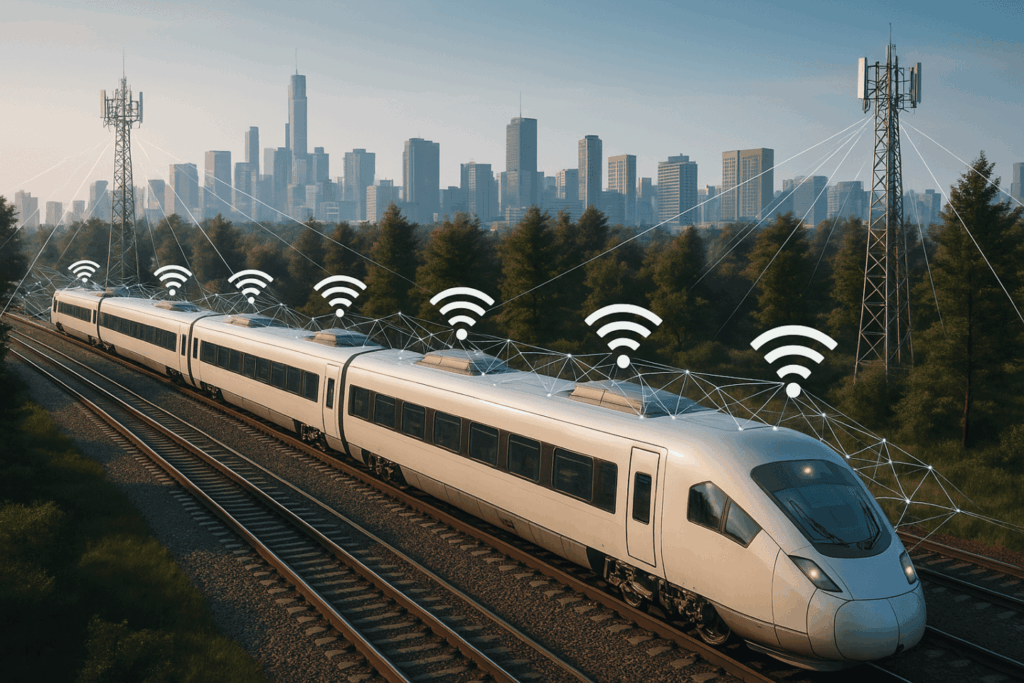
Crucially, this scheme integrates both mobile network signals and low Earth orbit (LEO) satellite communication, ensuring that passengers enjoy consistent connectivity even as trains traverse different regions. This unique synergy between ground-based and satellite networks illustrates a significant shift towards establishing a more dependable digital infrastructure within UK transport, showcasing the potential for modern advancements to directly enhance passenger services.
The Future of UK Transport Connectivity
In an era where seamless connectivity is essential for travelers, the new pilot scheme is part of a broader ambition to enhance transport connectivity across the UK, especially in the South West. Councillor Dan Rogerson highlighted that the initiative is not merely limited to improving Wi-Fi access; it aims to develop a robust digital backbone for future transport needs. This foundational infrastructure is set to enable additional services and advancements in the transport sector, making journeys more efficient and enjoyable for all.
As the UK embarks on this journey toward improved connectivity, expectations are high. With the backing from key stakeholders and an investment of £41 million from the Department of Transport for LEO satellite connectivity, the potential for enhanced network infrastructure is immense. The ongoing pilot will serve as a critical test bed for integrating these technologies, offering a glimpse into the future of travel where everything from ticketing to real-time updates could be seamlessly interconnected.
Improving Passenger Wi-Fi Experience on Trains
The necessity for improved passenger Wi-Fi on trains has never been more pronounced. With studies indicating that the UK ranks low in terms of train internet speeds, this pilot project represents a vital leap towards rectifying those shortcomings. It highlights an understanding of the crucial role that connectivity plays in modern travel, where enjoying reliable internet access can enhance the journey experience for passengers significantly.
As we consider the implications of enhanced passenger Wi-Fi, it’s important to note that this initiative could lead to broader improvements within the rail network itself. With access to faster and more dependable internet connections, travelers will find it easier to plan their trips, stay updated with travel information, and even continue their work while on board. This not only aids in customer satisfaction but also positions the rail industry to meet the evolving demands of a digital-first society.
Satellite Communication in Trains: A Game Changer
Integrating satellite communication within train networks is seen as a game-changing approach to enhancing connectivity. Low Earth orbit satellites promise to deliver internet access that is consistent, fast, and capable of accommodating the needs of modern passengers. This shift represents a departure from traditional communication methods, which often result in connection failures as trains travel through rural or remote regions.
Moreover, satellite communication allows for greater flexibility in network configurations, making it easier for trains to switch between ground-based cellular networks and satellite feeds without interruptions. This adaptability is crucial for maintaining a seamless passenger experience, ensuring that travelers can rely on their devices for communication, entertainment, and work while on the move, marking a significant advancement for the rail sector.
Harnessing Formula 1 Technology for Train Connectivity
The collaboration with technology derived from Formula 1 racing is a remarkable innovation in the quest for faster and more reliable train internet. This connection to high-performance engineering not only symbolizes the ambition of the project but also illustrates the potential for cross-industry collaboration to yield practical solutions to transport challenges. Formula 1 technology, known for its state-of-the-art performance and reliability, sets a high standard for what can be achieved in railway systems.
By applying these advanced technologies, the new initiative is expected to tackle the unique challenges of providing internet access on fast-moving trains. Motion Applied’s expertise in adapting these concepts ensures that trains can maximize the efficiency of both terrestrial and satellite networks. Ultimately, this fusion of high-speed computing and digital communication capabilities may pave the way for a new era of innovation across the rail industry.
Setting a New Standard for Wi-Fi Speeds in Trains
The lofty goal of this new pilot project is to set a new standard for Wi-Fi speeds on UK trains. Current statistics reveal that average speeds are lagging far behind other countries, making it imperative to initiate policy and technological changes that can elevate the UK’s position in train connectivity. By significantly enhancing railway Wi-Fi speeds, this initiative not only hopes to improve user experience but also encourages more travelers to choose trains over other forms of transportation due to the enhanced comfort and convenience.
As more partnerships form within the industry and additional investments like the £41 million secured by the Department of Transport continue to roll in, we can anticipate a significant shift in passenger sentiments regarding train Wi-Fi services. Successfully achieving faster speeds will undoubtedly be a pivotal factor in driving both consumer satisfaction and overall business success for rail operators.
Long-term Vision for Modernized Rail Networks
The ongoing pilot project reflects a long-term vision for modernizing rail networks across the UK. As the government and transport authorities work hand-in-hand to integrate such innovative technologies, the overarching aim is to foster an environment where travel is accessible, efficient, and digitally connected. This vision extends far beyond just improving Wi-Fi; it embraces a comprehensive approach to transport infrastructure enhancements.
Looking ahead, this initiative represents a critical step towards ensuring that rail travel remains competitive with other modes of transportation by enhancing the overall customer experience. Modernization efforts are necessary not only for passenger contentment but also to attract new users to the rail system, ultimately fostering a vibrant, interconnected community.
The Role of LEO Satellites in Future Rail Connectivity
Low Earth orbit satellites are poised to play a pivotal role in transforming rail connectivity within the UK. By utilizing these advanced satellite systems, the pilot project seeks to offer internet access that is not only reliable but also fast, addressing the current gaps in connectivity that have affected train services for years. The strategic use of LEO satellites represents a crucial innovation, allowing train operators to provide faster internet solutions that were once thought impossible.
As LEO satellites continue to evolve and become integral to transportation networks, the expectation is to see a significant improvement in overall service quality. Passengers can look forward to a future where their digital needs are met with the same reliability and speed they experience in their everyday lives, ensuring that rail travel becomes synonymous with advanced, seamless connectivity.
Creating Enhanced Passenger Experiences through Technology
Incorporating advanced technology into the rail sector is fundamentally about enhancing the passenger experience. As travelers demand more from their journeys, offering faster train Wi-Fi technology is one of the most impactful ways to meet those expectations. This pilot project aims to revolutionize how passengers interact with the rail system, turning the train journey into an extension of their digital lives rather than a disconnection from it.
With enhanced Wi-Fi capabilities, passengers will be able to work, stream, and communicate without the hindrance of poor connectivity. This transformation will not only elevate customer satisfaction levels but also bolster the rail industry’s image as a forward-thinking sector ready to embrace new technologies to improve service. The future of rail travel may very well hinge on the success of these technological implementations.
Frequently Asked Questions
What is the significance of the new pilot scheme for faster train Wi-Fi in the UK?
The new pilot scheme aims to revolutionize train Wi-Fi technology in the UK by utilizing advanced systems originally developed for Formula 1. This initiative seeks to establish faster and more reliable connections by blending mobile network signals with low Earth orbit satellite communications, enhancing passenger Wi-Fi experience significantly.
How does satellite communication in trains improve overall connectivity?
Satellite communication in trains, particularly through low Earth orbit (LEO) satellites, improves connectivity by providing a stable internet signal, even at high speeds. By integrating LEO satellites with traditional mobile mast signals, trains can maintain reliable internet access, crucial for modern travel needs.
What innovations are being tested to achieve improved passenger Wi-Fi on trains?
The pilot program tests a hybrid system combining ground-based mobile signals with satellite communication technology. This innovative approach is expected to deliver faster train internet speeds and improve passenger Wi-Fi, making rail travel more connected.
How does the UK compare to other countries in terms of train Wi-Fi technology?
Currently, the UK ranks low in train Wi-Fi speeds, sitting at 16th among 18 major European and Asian countries. The average download speed of just 1.09 megabits per second highlights a critical need for improved passenger Wi-Fi to keep up with countries like Sweden, which boasts speeds over 64 megabits per second.
What role does Formula 1 technology play in enhancing train Wi-Fi systems?
Formula 1 technology plays a pivotal role in enhancing train Wi-Fi systems by providing proven methodologies for achieving connectivity in fast-moving environments. The collaboration leverages techniques used in motorsport to optimize signal management between ground and satellite systems, thereby improving internet reliability on trains.
What is the expected timeline for improved train Wi-Fi technology implementation in the UK?
The pilot scheme running on the Great Western Railway’s Intercity Express Train is set for 60 days and represents initial steps toward broader implementation. The UK Department of Transport has secured £41 million for low Earth orbit satellite connectivity on all mainline trains, aiming for completion by 2030.
Are there other companies enhancing train Wi-Fi technology in the UK?
Yes, South Western Railway has also launched a separate ‘superfast’ Wi-Fi initiative employing trackside poles and antennas to create a dedicated 5G rail network, showcasing a growing commitment to enhancing connectivity across the UK transport landscape.
What feedback has the Railfuture campaign group provided regarding the train Wi-Fi initiative?
Railfuture has expressed optimism regarding the train Wi-Fi initiative, emphasizing the increasing importance of connectivity for travelers. They view the project as a promising step towards addressing the growing demand for reliable passenger Wi-Fi services.
How will improved UK transport connectivity impact travelers?
Improved UK transport connectivity through advanced train Wi-Fi technology will allow travelers to stay connected during their journeys, facilitating better access to information and enhancing overall travel experience. This modernization can also support productivity for business travelers and enhance leisure travel.
| Key Point | Details |
|---|---|
| Pilot Scheme Introduction | A UK-first initiative to improve train Wi-Fi using Formula 1 technology. |
| Technology Used | Hybrid system combining signals from mobile masts and low Earth orbit satellites. |
| Duration and Implementation | 60-day pilot on GWR’s Intercity Express Train in South West region, starting mid-November. |
| Current Wi-Fi Speed Ranking | UK ranks 16th out of 18 countries, average speed of 1.09 Mbps. |
| Investment for Future Connectivity | £41 million allocated for LEO satellite connectivity by 2030. |
| Significance of the Project | Described as a major milestone in modernizing transport infrastructure. |
Summary
Train Wi-Fi technology is set for a transformative upgrade through a pioneering pilot scheme in the UK. This initiative aims to deliver faster and more reliable internet connectivity on trains, utilizing advanced technology designed for Formula 1 cars. By integrating signals from both terrestrial mobile masts and low Earth orbit satellites, this project promises to enhance the passenger experience significantly. The collaboration between Motion Applied and Peninsula Transport marks a crucial step towards modernizing transportation infrastructure, making train travel more connected as per contemporary standards. With additional investments and pilot projects, the future of train Wi-Fi in the UK looks promising, ensuring that passengers stay connected while on the move.