
Listen to this article
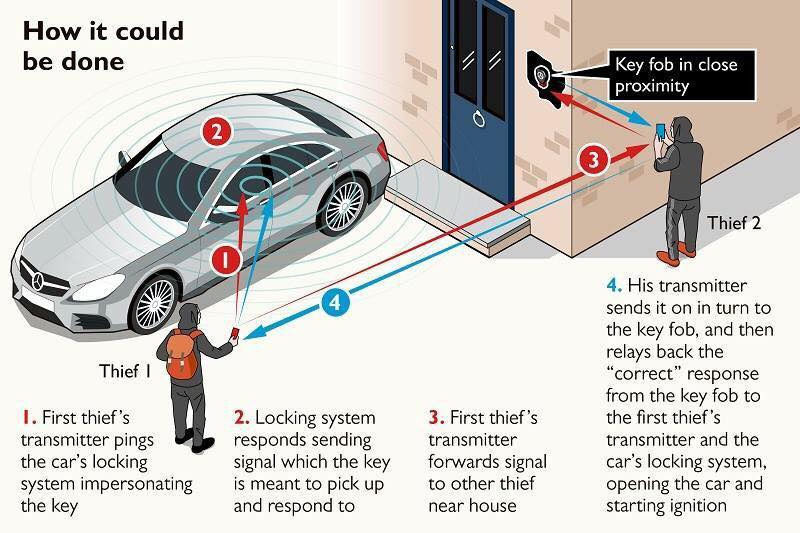
Keyless car theft has become a growing concern for vehicle owners, with criminals using advanced gadgets to exploit the convenience of keyless entry systems. Recent reports have revealed that sophisticated devices designed for this type of theft can be sold online for exorbitant prices, often exceeding £20,000. The techniques employed by these thieves, particularly relay theft, allow them to amplify signals from key fobs inside homes, effectively unlocking and starting vehicles without ever needing to break in. Experts emphasize the rising threat of keyless car theft, highlighting that a significant percentage of car thefts reported in the past year involved keyless models. As vehicle security technology evolves, car theft prevention tips are becoming more crucial than ever to safeguard against these criminal tactics.
The surge in vehicle thefts has ushered in a new era of criminal activity, as thieves adapt to the high-tech features of today’s automobiles. Often referred to as remote entry larceny or keyless entry theft, this type of crime leverages innovative criminal gadgets that can easily bypass traditional security measures. With organized crime syndicates at the forefront of this trend, they exploit vulnerabilities in vehicle security systems to perpetrate their thefts efficiently and discreetly. Many drivers are left feeling vulnerable as they face the reality of vehicles being targeted while parked in their own driveways. The need for robust car theft prevention strategies has never been more pressing as consumers navigate this complex landscape.
Understanding Keyless Car Theft
Keyless car theft has become a prevalent issue, primarily due to the rise of sophisticated criminal gadgets that allow thieves to exploit the convenience of keyless entry systems. By utilizing devices that can amplify signals from a car key inside a home, criminals can unlock the vehicle and drive away in mere minutes. This type of theft, often referred to as relay theft, has sparked significant concern among vehicle owners and law enforcement. Recent statistics suggest that a staggering 60% to 70% of cars stolen are of the keyless variety, highlighting the urgent need for enhanced vehicle security measures.
The covert nature of keyless car thefts poses unique challenges for crime prevention. Thieves can operate undetected, making it difficult for homeowners to perceive their vulnerability. Victims like Abbie Brookes-Morris have shared their alarming experiences of watching thieves capture signals from their keys outside their homes without any physical intrusion. As awareness of keyless entry theft grows, so too does the need for public education on securing vehicles against these modern tactics.
Criminal Gadgets: The Tools of Vehicle Theft
Criminals are leveraging advanced technology to execute keyless car thefts, with gadgets that can cost up to £20,000 being circulated in the black market. These devices often masquerade as innocuous items, such as Bluetooth speakers, making detection by law enforcement even more challenging. The fact that they are being used by organized crime groups who loan them out for hefty fees indicates a well-orchestrated operation aimed at maximizing profits from vehicle theft.
Experts like Richard Billyeald from Thatcham Research have highlighted the shift in tactics from random opportunistic thefts to highly organized crimes. With gadgets that can block signals from tracking devices, these criminals ensure stolen vehicles can disappear without a trace. This alarming trend emphasizes the intricate level of planning that goes into vehicle theft, which further complicates the ability of police to combat this escalating crime.
Preventing Keyless Entry Theft: Essential Tips
To combat the rising threat of keyless car theft, vehicle owners can adopt several proactive measures. One effective strategy involves using Faraday pouches to store car keys, as these protective sleeves block the wireless signals that allow thieves to access vehicles. By blocking the communication between the key fob and the car, individuals can significantly reduce their risk of becoming targets for relay theft.
Additionally, some car manufacturers offer settings that can be adjusted to deactivate the keyless entry functionality. This can serve as another layer of protection against vehicle theft. By staying aware of their surroundings and not keeping their keys in easily accessible places, such as upstairs while they sleep, car owners can mitigate the risk of theft and enhance their overall vehicle security.
The Impact of Organized Crime on Vehicle Theft
Organized crime has played a significant role in the proliferation of keyless car thefts, with criminals collaborating and sharing resources to steal valuable vehicles. Gangs are reported to be highly efficient, targeting specific models to maximize their profits. The ease with which these elaborate gadgets can be loaned among criminal networks means that tackling this issue requires concerted efforts from law enforcement and vehicle manufacturers alike.
As the crime evolves, so does the need for a multifaceted approach to vehicle security. Enhanced collaboration between police and automotive professionals can lead to the development of better tools to deter these organized thefts. Recognizing patterns of such thefts and sharing intelligence can ultimately help in disrupting these networks, but public awareness is also critical in the battle against organized car theft.
Laws and Regulations Against Keyless Car Theft Devices
In response to the surge in keyless car thefts, lawmakers are pushing for stricter regulations regarding the possession and distribution of electronic devices that facilitate vehicle theft. Under the new Crime and Policing Bill, it will soon be illegal to own or share gadgets known to assist in car theft, which could carry penalties of up to five years in prison. This legislative change aims to deter potential criminals as well as reduce the availability of these harmful devices.
Despite these advances in legislation, experts warn that simply enforcing new laws may not be enough to eliminate organized theft associated with keyless cars. Criminal organizations are adept at adapting their strategies and could find ways around even the toughest regulations. Ongoing public education and community efforts will be essential in maintaining momentum in the fight against car theft.
Educating the Public: Awareness on Car Theft Tactics
Public awareness campaigns highlighting the tactics used in keyless car theft can empower vehicle owners to take preventive actions. It’s vital for car owners to recognize the risks associated with keyless entry systems and how their convenience can unintentionally expose them to theft. Informational workshops and seminars could be organized to teach drivers about the importance of securing their keys and the technologies thieves might employ.
Moreover, sharing stories from victims of keyless car theft can illustrate the real dangers of these criminal activities. When individuals like Abbie Brookes-Morris recount their experiences, it resonates with others and reinforces the need for vigilance. Implementing community programs can further educate individuals on effective car theft prevention tactics and encourage them to be proactive rather than reactive against potential threats.
Technological Advances in Vehicle Security
As the tactics used for keyless car theft become more advanced, vehicle security technology must evolve correspondingly. Manufacturers are investing in innovative solutions designed to thwart criminal devices. For instance, newer vehicle models incorporate enhanced encryption systems for keyless entry, which increases the difficulty for thieves attempting to exploit vulnerabilities.
Additionally, car manufacturers are exploring advanced systems of tracking and recovery that can provide real-time alerts in the event of a crime. Integrating technology such as immobilizers and improved alarm systems can dissuade thieves from targeting specific vehicles. As the war against car theft continues, it is essential for technological advancements to remain a step ahead of criminal ingenuity.
The Role of Insurance in Keyless Car Theft Cases
Insurance plays a crucial role in the aftermath of keyless car thefts, providing financial recourse for victims who have lost their vehicles. Many insurance companies are now considering the increasing prevalence of these thefts and adjusting their policies accordingly. Some insurers are offering special coverage options that can help mitigate losses from keyless entry thefts.
Moreover, companies are also actively engaging with customers to implement better preventive measures, ensuring that those who own keyless vehicles understand their vulnerabilities. Insurance providers can provide valuable resources and guidance on how to secure their cars and what measures might qualify for coverage in case of theft. Ultimately, understanding one’s insurance options is vital for vehicle owners in the current landscape of escalating car theft.
Future Trends in Car Theft Prevention
Looking ahead, the landscape of car theft prevention is poised for dramatic changes as technology and crime tactics continue to evolve. Future developments in vehicle security may include biometrics, advanced tracking systems, and AI-driven technology that can predict and prevent theft attempts before they happen. As the automotive industry becomes increasingly interconnected, the integration of security measures with overall vehicle functionality offers exciting new possibilities.
As we adapt to these changes, it will be essential for car manufacturers, law enforcement agencies, and communities to collaborate in innovating security measures. Keeping abreast of emerging trends and technologies will empower vehicle owners to make informed decisions when it comes to protecting their cars. Staying ahead in the battle against keyless car theft will require a proactive and unified approach from all stakeholders involved.
Frequently Asked Questions
What is keyless car theft and how does it occur?
Keyless car theft, also known as relay theft, involves criminals using gadgets to boost the signal from a car key, allowing them to unlock and start the vehicle without breaking in. This method can occur even when the key is inside the owner’s home, making it a significant threat to vehicle security.
What are the primary methods used in keyless entry theft?
The most common methods of keyless entry theft include relay theft devices which amplify the signal of a key fob, allowing thieves to gain access to the vehicle. Some gadgets can disguise their purpose to avoid detection, making it easier for criminals to target vehicles.
How can I prevent keyless car theft?
To prevent keyless car theft, consider using Faraday pouches to block your key fob’s signal, adjusting your vehicle’s setting to disable keyless entry, and ensuring keys are stored away from entrances to minimize risk.
What should I do if my keyless vehicle is stolen?
If your keyless vehicle is stolen, report it to the police immediately, providing them with details and any surveillance footage if available. Additionally, contact your insurance company to initiate a claim.
What are some effective car theft prevention tips for keyless vehicles?
Effective car theft prevention tips for keyless vehicles include using a steering wheel lock, parking in well-lit areas, installing a car alarm or tracking device, and avoiding keeping spare keys near entrances.
Are there legal consequences for owning devices used in keyless car theft?
Yes, under the new laws in the Crime and Policing Bill, it will be illegal to possess or share electronic devices designed for car theft, potentially leading to a prison sentence of up to five years.
What type of gadgets are used in relay theft and how much do they cost?
Gadgets used in relay theft can range in price up to £22,000 and may include items disguised as ordinary electronics. These devices allow thieves to amplify the key fob’s signal, making stealing keyless vehicles easier.
What impact does keyless entry have on vehicle security?
While keyless entry enhances convenience for drivers, it significantly elevates the risk of theft, as organized crime groups exploit relay theft technology to target keyless vehicles effectively.
How prevalent is keyless car theft in the UK?
Keyless car theft is increasingly prevalent in the UK, accounting for about 60% to 70% of vehicle thefts in the past year. Authorities are struggling to combat this sophisticated crime due to the organized nature of the gangs involved.
Why are organized crime gangs investing in keyless car theft devices?
Organized crime gangs are investing in keyless car theft devices because they offer a high profit potential while allowing for quick, discrete thefts. These gangs often loan out the devices, maximizing their profits from multiple thefts.
| Key Point | Details |
|---|---|
| Value of Theft Gadgets | Criminal gadgets used for keyless car theft are sold online for over £20,000. |
| New Law on Theft Devices | A law prohibiting the ownership of car theft devices is on its way, but experts doubt its effect on organized crime. |
| Statistics on Theft | Over 100,000 vehicles were stolen in the last year, with 60-70% being keyless models according to Admiral Insurance. |
| Criminal Usage | Criminals loan these devices for high profits, stealing multiple cars weekly. |
| Public Safety | Keyless entry systems can endanger public safety, especially on streets targeted by relay theft. |
| Preventive Tips | Use Faraday pouches for keys, adjust car settings to disable keyless entry, and avoid taking keys upstairs. |
Summary
Keyless car theft has become a significant concern as criminals utilize advanced gadgets to exploit keyless entry systems. Despite impending laws aimed at banning these devices, the prevalence of organized crime makes it challenging to deter these thefts effectively. Implementing preventive measures can help vehicle owners safeguard against such crimes.

