
Listen to this article
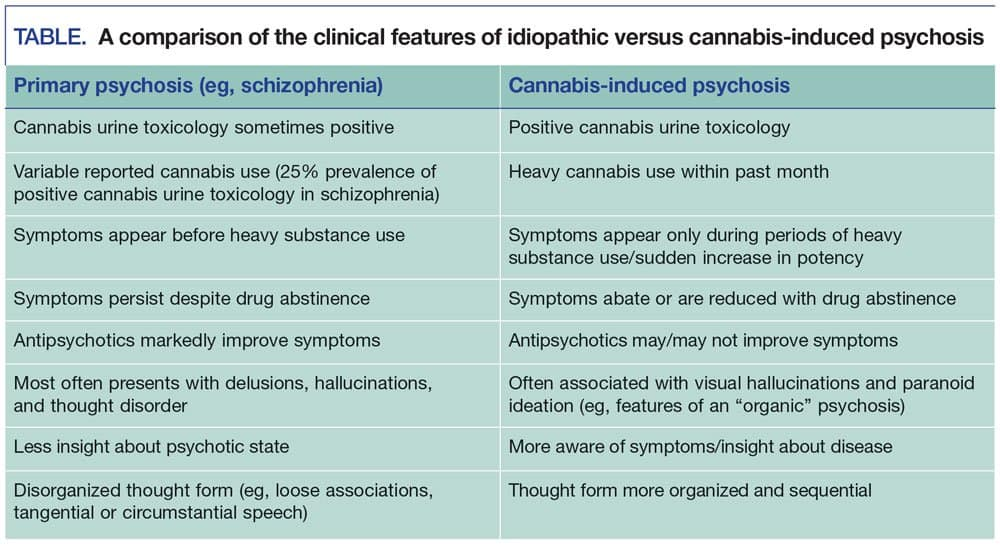
Cannabis psychosis treatment is gaining attention as the detrimental effects of cannabis use on mental health become increasingly evident. Many individuals, like Isiah and Katie, have experienced profound psychological disturbances linked to high-potency cannabis, raising concerns about the growing prevalence of cannabis addiction recovery issues. This unique condition, often resulting in symptoms resembling those of traditional psychosis, challenges the understanding of marijuana’s safety, particularly among users of potent strains that are now ubiquitous in the market. As research highlights alarming statistics—indicating that a significant percentage of new psychosis cases are attributed to cannabis—the need for specialized treatment options is more critical than ever. Clinics, such as the one in South London, are stepping up to provide targeted support for those navigating the tumultuous intersection of psychosis and marijuana use.
The treatment of psychological disturbances linked to cannabis consumption, often referred to as cannabis-induced psychosis, is evolving as awareness grows around mental health implications of cannabis use. Individuals struggling with these issues find themselves caught in a complex web of addiction and mental health challenges, necessitating a nuanced approach to recovery. Many are turning to psychosis clinics in London that specialize in supportive care for those affected by high potency cannabis effects. This emerging focus emphasizes the critical nature of dual-diagnosis programs that seamlessly blend addiction recovery with mental health interventions. As the conversation about mental health and cannabis use continues to develop, the importance of addressing these intertwined issues cannot be overstated.
Understanding Cannabis Addiction Recovery
Cannabis addiction recovery is a complex and multifaceted journey that often necessitates professional intervention. Many individuals who struggle with cannabis use find themselves facing significant mental health challenges, including anxiety, paranoia, and psychosis. As highlighted in the experiences of patients at the Cannabis Clinic in London, the path to recovery can be fraught with hurdles, particularly when combined with high-potency strains that exacerbate the risk of psychotic episodes. Various support systems, including therapy and group sessions, play crucial roles in this recovery process, ensuring that individuals are not just quitting cannabis but also effectively managing underlying mental health issues.
The recovery process from cannabis addiction often entails developing healthy coping mechanisms to replace the short-term relief provided by cannabis. This might include lifestyle changes, mindfulness practices, and social support systems that instill a sense of community and belonging. Furthermore, understanding the psychological triggers that lead to cannabis use is vital. Clinics like the one in London approach recovery holistically, addressing both the addiction and the accompanying mental health struggles, which is essential for long-term success.
The Effects of Psychosis and Marijuana Use
The link between psychosis and marijuana use is increasingly becoming a focal point of research and medical treatment. Users of high-potency cannabis are more predisposed to experience severe psychological effects, including delusions and auditory hallucinations. As seen in the narratives shared by patients at the Cannabis Clinic, many individuals report acute episodes of paranoia that unfolded alongside their cannabis consumption, creating a vicious cycle of dependence and worsening mental health. Experts in the field underline the importance of educating users about the potential dangers of high-THC strains, especially in light of escalating rates of mental health issues among young adults.
Understanding the neurobiological underpinnings of how cannabis—and particularly high-potency varieties—affects mental health can inform better treatment strategies. Ongoing research indicates that tetrahydrocannabinol (THC) can trigger psychotic symptoms in predisposed individuals, necessitating interventions tailored specifically for those experiencing these conditions. Clients at the cannabis psychosis clinic often find that addressing both their cannabis use and their mental health leads to significant improvement in their overall well-being.
Finding Specialized Care in Cannabis Psychosis Treatment
Specialized care is paramount for individuals navigating the challenges of cannabis psychosis. The Cannabis Clinic in London exemplifies a groundbreaking approach by offering dual-diagnosis support for patients grappling with both psychosis and cannabis dependence. This model addresses the intertwined nature of these conditions, allowing for more personalized treatment plans that focus on the unique needs of each individual. By integrating cannabis addiction recovery with psychiatry, the clinic provides a comprehensive support system that is currently unmatched in the UK.
Patients often express relief at finding a clinic that understands their struggles, particularly in an environment where cannabis use is mainstream yet often trivialized. The importance of addressing cannabis psychosis in a clinical setting comes into sharp focus when considering that untreated individuals face a higher likelihood of recurrent episodes and increased hospitalizations. Effective treatment at specialized clinics is not just about cessation of cannabis use; it’s about rebuilding lives and restoring mental health.
High Potency Cannabis Effects on Mental Health
The effects of high potency cannabis on mental health are alarming, especially in urban settings where access to such products is widespread. As documented in various studies, including reports from the Cannabis Clinic, the surge in THC levels in contemporary cannabis has led to an increase in severe psychiatric conditions among users. Individuals consuming high THC cannabis might experience heightened sensations of paranoia and altered perceptions of reality, which can precipitate harmful behaviors and lead to crises.
Moreover, the normalization of high potency cannabis poses a challenge for public health initiatives aimed at mental health awareness. Education about the potential mental health risks associated with these strains is crucial. Health professionals advocate for users to be informed about the potency of the products they consume and to consider lower THC options whenever possible. This preventive approach could potentially mitigate the risk of developing psychosis or related mental health issues.
The Role of Clinics in Supporting Mental Health and Cannabis Use
Clinics that focus on the intersection of mental health and cannabis use, like the Cannabis Clinic in London, are at the forefront of addressing a growing public health concern. These facilities not only provide treatment for cannabis dependence but also offer essential psychiatric support to mitigate the impact of psychosis triggered by substance use. This integrative model is essential for effective recovery, as it recognizes the complexity of each individual’s experience with cannabis.
Through tailored programs, therapists at these clinics equip patients with tools and strategies to combat the mental health effects exacerbated by cannabis use. The collaborative environment fosters open discussions, allowing patients to share their experiences and learn from one another, which supports their healing process and encourages a sense of community.
Building Coping Mechanisms Beyond Cannabis
Developing effective coping mechanisms is a critical component of recovery for individuals overcoming cannabis addiction and psychosis. The Cannabis Clinic emphasizes the importance of creating alternative strategies that patients can utilize instead of resorting to cannabis. Techniques such as mindfulness meditation, physical activity, and structured routine can help improve mental resilience and reduce cravings.
In addition, the clinic encourages patients to establish support networks that include family, friends, and fellow participants in recovery groups. These connections not only improve emotional well-being but also provide accountability, reducing the likelihood of relapse. Learning to navigate social situations without cannabis, especially in scenarios that might trigger cravings or anxiety, is a vital aspect of sustaining lasting recovery.
The Importance of Education on Cannabis Risks
Education plays a pivotal role in preventing cannabis-related psychosis and promoting mental health awareness among users, particularly the youth. Various studies have shown a direct correlation between the increasing potency of cannabis and the rising incidents of psychotic disorders. As such, proactive measures aimed at educating potential users about the dangers of high THC cannabis are critical for public health.
Workshops, community seminars, and outreach programs that discuss the links between cannabis use and mental health can significantly alter perceptions. By informing users, especially young adults and new users, about how high-potency cannabis can affect mental health, we empower them to make informed decisions. This education should ideally start in schools and extended to families, fostering discussions about substance use and its potential repercussions.
Addressing the Misconceptions of Cannabis as Medicine
Despite the growing acceptance of cannabis for medicinal purposes, many misconceptions abound that can lead to risky usage behaviors. Some individuals believe that because cannabis is used medically, it must be harmless, overlooking the potential for addiction and subsequent health issues. The patients at the Cannabis Clinic often expressed this belief, which can create barriers to seeking help for cannabis use disorders.
In reality, while cannabis may have therapeutic benefits for certain health conditions, its psychoactive components can lead to significant mental health challenges, particularly when misused. Educating patients on the difference between therapeutic cannabis use and recreational abuse is essential for promoting safer practices and ensuring individuals approach their substance use with caution.
Strengthening Support Networks for Recovery
Having a solid support network is integral to recovery from cannabis addiction and accompanying mental health issues, such as psychosis. Treatment at clinics like the Cannabis Clinic provides a structure wherein patients can build relationships with peers who are facing similar challenges. This cultivation of community not only fosters accountability but also creates a safe space for sharing experiences and coping strategies.
Furthermore, families and friends play an invaluable role in the recovery process. Encouraging open dialogue about cannabis use and mental health between loved ones can enhance understanding and empathy, ultimately supporting the recovery journey. Support can manifest in various forms: attending therapy sessions with patients, engaging in sober activities, or simply being attentive to their mental health needs.
The Future of Cannabis Policy and Mental Health
As awareness of the potential harms of cannabis, particularly high-potency strains, grows, there are increasing calls for reconsidering cannabis policy at governmental levels. Ensuring that mental health considerations are part of the legislative framework surrounding cannabis availability can lead to more resilient communities and reduce the risk of psychosis stemming from cannabis use. Advocacy for responsible use and regulation of cannabis products is crucial in light of rising psychosis rates associated with cannabis.
Moreover, as research continues into the effects of cannabis on mental health, policies that prioritize education, treatment access, and preventive measures will become essential. Policymakers must focus on creating environments that support mental health awareness and recovery paths for individuals struggling with addiction to high-potency cannabis.
Frequently Asked Questions
What is cannabis psychosis treatment and how does it work?
Cannabis psychosis treatment involves specialized care for individuals experiencing psychosis linked to cannabis use. It typically includes a dual-diagnosis approach, addressing both psychotic symptoms and cannabis addiction recovery. Patients receive support through counseling, group sessions, medication management, and coping strategies to reduce cannabis reliance and manage mental health symptoms.
Are there clinics specifically for cannabis psychosis treatment in London?
Yes, there are clinics specifically focused on cannabis psychosis treatment in London, such as the Cannabis Clinic for Patients with Psychosis. This clinic offers targeted support for adults dealing with psychosis while attempting to cut down on their cannabis use, providing valuable resources and therapy.
What are the effects of high potency cannabis on mental health?
High potency cannabis can significantly impact mental health, increasing the risk of psychotic symptoms such as paranoia, hallucinations, and delusions. Research indicates that daily use of high potency cannabis correlates with a distinct subtype of violence driven by psychotic symptoms, particularly among young users.
What strategies are used in cannabis psychosis treatment?
Cannabis psychosis treatment may include various strategies, such as one-on-one therapy sessions, group support activities, role-playing to practice boundary-setting, and cannabis diaries to track trigger patterns. These methods help patients manage cravings, understand their usage, and address underlying psychological issues.
How can cannabis addiction recovery be achieved alongside psychosis treatment?
Cannabis addiction recovery can be achieved alongside psychosis treatment by integrating support for both issues. This includes providing counseling focused on substance use reduction, coping mechanisms for managing stress and cravings, and creating a safe environment where patients can share their experiences and recovery goals.
What role does mental health and cannabis use play in psychosis?
Mental health and cannabis use are intricately linked, with many individuals developing psychotic disorders after starting cannabis. The clinic’s approach to treatment emphasizes treating both cannabis addiction and the underlying mental health issues, offering a holistic model that supports long-term recovery and stability.
Is it safe to use cannabis while receiving treatment for psychosis?
Using cannabis while receiving treatment for psychosis is generally not recommended, as it can exacerbate symptoms and hinder recovery. Patients are encouraged to seek support from professionals who can guide them through the process of reducing or ceasing cannabis use during their treatment.
How effective is cannabis psychosis treatment in reducing symptoms?
Cannabis psychosis treatment has shown effective results in reducing symptoms and facilitating recovery. Studies indicate that a significant percentage of patients who completed treatment programs successfully ceased cannabis use and reported improved mental health, with many returning to education or employment.
| Key Point | Details |
|---|---|
| Cannabis and Psychosis Link | 12% of new psychosis cases in Europe linked to high-potency cannabis; in London, this figure is 30%. |
| Clinic’s Unique Approach | Only clinic in the UK focusing on dual-diagnosis support for cannabis use and psychosis. |
| High-Potency Cannabis | 94% of the street market cannabis in London contains over 10% THC, escalating addiction and psychosis. |
| Patient Statistics | 74% of patients who completed the clinic’s program have ceased cannabis use; 91% returned to work or education. |
| Patient Experiences | Patients report symptoms like paranoia, hallucinations, and social isolation; recovery involves a mix of therapy and support. |
Summary
Cannabis psychosis treatment is gaining traction as clinics address the alarming link between high-potency cannabis and psychological disorders. The emergence of specialized clinics like the one in south London is crucial for providing tailored support to those struggling with cannabis-related psychosis. With high rates of addiction and psychosis among cannabis users, these clinics offer a lifeline by integrating psychological support and addiction recovery. The growing body of evidence suggests that effective cannabis psychosis treatment can not only help individuals regain control over their lives but also pave the way for a wider understanding of the complex relationship between cannabis use and mental health.