Listen to this article
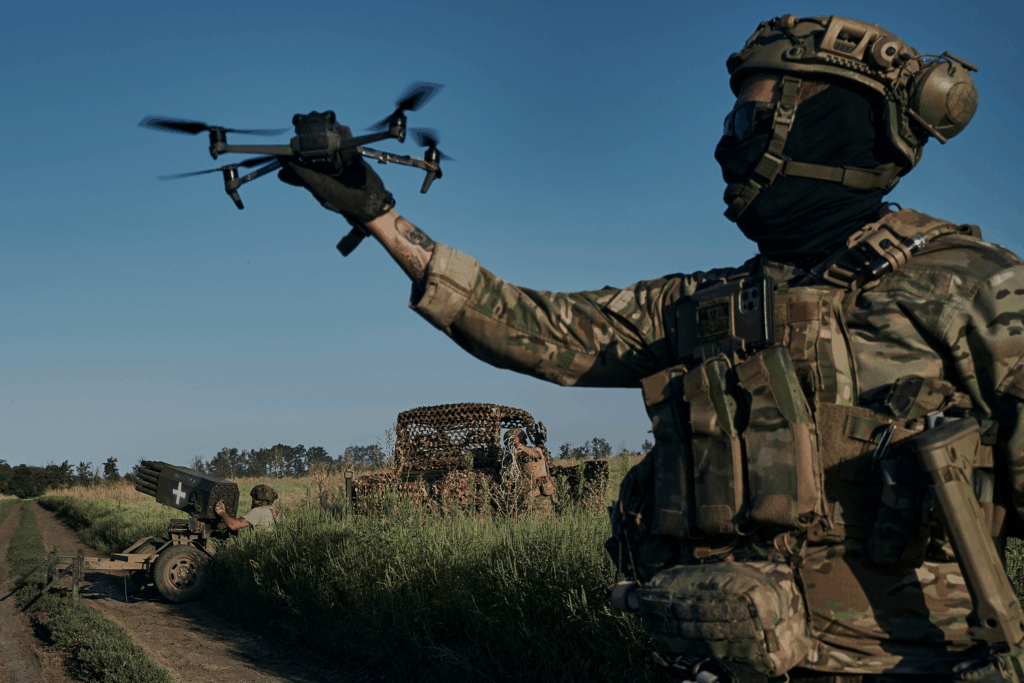
Drones in warfare have emerged as pivotal tools on the modern battlefield, fundamentally transforming military strategies across the globe. The ongoing conflict in Ukraine has been labeled the world’s “first drone war,” highlighting the dramatic rise in military drones and their diverse applications. Innovative drone technology allows for improved surveillance, swift reconnaissance, and even targeted strikes, contributing significantly to battlefield success. With production ramping up in Ukraine and beyond, nations are rapidly adapting their tactics to include counter drone technology, ensuring they are equipped to neutralize aerial threats. As the impact of drone warfare continues to unfold, it is clear that these unmanned aerial vehicles are reshaping the landscape of defense and conflict on an unprecedented scale.
The integration of unmanned aerial vehicles (UAVs) in military operations has redefined how conflicts are conducted, especially visible in the current hostilities in Eastern Europe. The advent of these aerial devices has ushered in a new era for combat, where advanced drone technology plays a decisive role in operational effectiveness. The surge in drone production, particularly in regions like Ukraine, has not only enhanced offensive capabilities but has also sparked the development of effective countermeasures against these flying assets. Furthermore, the implications of drone engagement on tactical approaches highlight a significant shift in warfare dynamics, influencing both strategic planning and resource allocation in military contexts. As nations increasingly recognize the need for robust air defense systems, it is evident that the role of drones in warfare will only expand further.
The Rise of Drones in Warfare
In recent years, drones have transformed contemporary combat operations, marking the dawn of what many refer to as the ‘drone age.’ This shift is particularly evident in ongoing conflicts like the war in Ukraine, where drones have become vital tools for intelligence gathering, surveillance, and direct strikes on enemy positions. Military drones have not only increased in numbers but also in capabilities, allowing smaller units to effectively operate with aerial support without needing traditional airpower. This evolution in military strategy illustrates how drones in warfare provide a cost-effective solution to modern battlefield demands.
The deployment of military drones has also enabled nations to minimize risk to human life while maximizing operational efficiency. As evidenced by Ukraine’s reliance on inexpensive FPV drones, which can be built and launched from almost anywhere, this approach democratizes air power, allowing even smaller nations to hold their ground against larger, traditionally stronger military forces. As drone technology continues to advance, we anticipate a greater focus on autonomous strategies and AI-driven operations that could redefine engagement rules in warfare.
Ukraine’s Surge in Drone Production
Following the onset of the conflict with Russia, Ukraine has witnessed an unprecedented surge in domestic drone production. Individuals like Kseniia Kalmus, initially trained in floral artistry, have pivoted to creating drones—showcasing the resilience and adaptability of the Ukrainian spirit. This grassroots movement has resulted in hundreds of drones being manufactured each month, demonstrating how innovation can arise from necessity. The rapid development of Ukraine’s drone industry highlights not only the importance of militarizing civilian technology but also the intricate relationship between civilian contributions and military success.
Moreover, Ukraine’s determination to enhance its drone capabilities has given birth to an ecosystem of small manufacturers, often operating from home workshops and garages. This trend of community-driven manufacturing has led to a diversified range of drone designs meeting various battlefield needs. Ukraine’s drone production has become a significant factor behind the country’s operational strategies—transforming the dynamics of engagements and contributing directly to the battlefield outcomes.
The Impact of Drone Warfare
The impact of drone warfare extends beyond simply changing the face of combat; it is reshaping global military doctrines. As conventional military approaches are overshadowed by the efficiency of drone strikes, nations around the world are re-evaluating their defense strategies and procurement practices. The high success rate of drones, which reduce risk while growing strategic capabilities, encourages other countries to invest in similar technologies. This shift signifies a broader recognition of drone technology’s effectiveness in modern warfare, influencing military policies globally and prompting rivals to adapt.
In addition, the proliferation of drones into conflicts raises ethical and strategic concerns that challenge existing norms of warfare. The high precision of drone strikes, alongside their ability to conduct surveillance without endangering pilot lives, leads to a reevaluation of acceptable military practices. As drone warfare becomes more mainstream, nations must grapple with the implications of remote engagements on civilian safety, sovereignty, and international law. The evolving role of drones in warfare thus requires continuous scrutiny to ensure they are used responsibly and effectively.
Advancements in Drone Technology
Advancements in drone technology are rapidly evolving, driven largely by the urgent demands of modern warfare. The integration of artificial intelligence (AI) into drone operations stands at the forefront of these developments. AI has the potential to enhance decision-making processes, allowing drones to autonomously navigate, identify targets, and execute missions with minimal human oversight. This evolution is expected to drastically change the landscape of warfare, introducing a new era of drone systems that can operate in swarms and perform complex tasks that were once deemed impossible.
These advancements not only promise increased effectiveness on the battlefield but also raise significant ethical considerations. The potential for fully autonomous drones introduces questions about accountability, decision-making authority, and the moral implications of warfare without direct human involvement. As countries scramble to develop sophisticated drone technology, it’s critical that policymakers engage with these ethical dilemmas to ensure responsible deployment in combat scenarios.
Counter Drone Technology Innovations
As the utilization of drones in warfare grows, so does the need for effective counter-drone technology. Countries around the world are investing in systems designed to detect, intercept, and neutralize hostile drones that pose threats to military operations and civilian infrastructures. Innovations in counter-drone technology include jamming systems that disrupt communication signals, laser systems that can disable drones mid-air, and sophisticated radar detection methods capable of identifying drone flight patterns. This burgeoning field represents a new arms race in modern warfare, highlighting the ever-evolving nature of combat technologies.
Additionally, the counter-drone industry is increasingly relevant as incidents of drone incursions into sensitive areas or airports gain notoriety. For instance, incidents at major airports have propelled governments like Belgium’s to invest urgently in effective counter-measures. The ongoing developments showcase not only the adaptive measures being taken to combat drone threats but also signal a paradigm shift in defense strategies—where both drone and anti-drone capabilities are seen as vital components of national security.
The Democratization of Military Power Through Drones
The rise of drones has sparked a democratization of military power, allowing smaller nations or groups to exert influence on the global stage. Unlike traditional military assets that require vast resources and infrastructure, drones can be produced by anyone with minimal investment and technical capability. This accessibility diminishes the barrier for entry and allows less powerful nations to challenge larger, established military forces. Ukraine’s experience is emblematic of this transformation, as individuals and small groups have been able to produce effective drones that result in significant battlefield impacts.
As a result, we are witnessing a shift in geopolitical dynamics where power is increasingly defined not just by the size of a military, but by the technological prowess and operational innovation that countries can implement. This shift is prompting international discussions regarding arms control and regulation surrounding drone warfare to mitigate risks associated with misuse by non-state actors or in civilian settings. The implications of such changes are profound, affecting how nations approach conflict and diplomacy in the 21st century.
Future Trends in Drone Warfare
Looking ahead, the future of drone warfare is poised for significant transformations, driven by the rapid evolution of technology. Experts predict that drones will increasingly utilize sophisticated AI algorithms for autonomous decision-making, enabling them to engage in complex missions with minimal human intervention. Furthermore, advancements in battery life and energy efficiency are expected to extend the operational range of military drones, making surveillance and attack capabilities more versatile and unsupervised. These trends are likely to change battlefield approaches, shifting from reactive strategies to more proactive and preemptive actions.
Additionally, the collaboration among drones, utilizing swarm technology, will enable coordinated efforts on the battlefield that can overwhelm traditional defense systems. This surge in technological capabilities also signals the burgeoning importance of related fields such as cybersecurity and data management—ensuring that operational networks remain secure from enemy hacking attempts. As nations continue to embrace the strategic use of drone technology, the battlefield landscape will likely witness new forms of warfare that combine speed, intelligence, and cooperative tactics.
The Social and Cultural Impact of Drone Technology
The integration of drone technology into military operations is inevitably reshaping social and cultural narratives. For individuals like Kseniia Kalmus, transitioning from a floral artist to a drone creator symbolizes a profound shift in personal identity amidst the backdrop of conflict. As civilians engage in the military effort, drone technology has become a pathway for many to contribute to their country’s defense, fostering a unique sense of community and purpose. This dynamic not only reinforces national unity but also emphasizes the shared responsibility among citizens during challenging times.
Moreover, the widespread use of drones in civilian roles—such as disaster response and agriculture—further illustrates their multifaceted impact on society. As drone technology becomes commonplace in various sectors, it promotes a cultural acceptance of unmanned systems as critical tools for progress and innovation. However, this normalization also necessitates ongoing dialogues about privacy, security, and ethical implications associated with their use. As we advance in drone technology, addressing these concerns will be crucial in fostering societal integration while balancing technological development.
International Cooperation in Drone Development
The rapid advancements in drone technology necessitate international cooperation among nations to address shared security challenges and harness the potential of drones for peaceful applications. By collaborating on research and development initiatives, countries can share insights, resources, and best practices in drone manufacturing and counter-drone strategies. These partnerships can also facilitate the establishment of international standards and regulations governing drone usage in military and civilian contexts, ensuring responsible practices that uphold ethical norms.
Furthermore, such cooperation can help forge stronger alliances between nations, reinforcing diplomatic ties through joint defense projects. The pooling of expertise not only accelerates innovation but also helps smaller nations access advanced technologies that enhance their defense capabilities while maintaining stability within their regions. Ultimately, fostering international collaboration surrounding drone development will be essential in shaping a future where drone technology is utilized for mutual benefit and peace.
Frequently Asked Questions
What role do military drones play in modern warfare?
Military drones have revolutionized modern warfare by providing enhanced surveillance, target acquisition, and combat capabilities. They allow for precision strikes with reduced risk to personnel and can operate in hostile environments, making them vital assets on the battlefield.
How has Ukraine’s drone production evolved since the Russian invasion?
Since the Russian invasion in February 2022, Ukraine has seen explosive growth in drone production, with numerous companies emerging to manufacture military drones. This rapid development has allowed Ukraine to effectively utilize drones in combat, becoming a defining characteristic of the war.
What is the impact of drone warfare on traditional military strategies?
Drone warfare is altering traditional military strategies by enabling asymmetric warfare tactics. Lower-cost, customizable military drones allow smaller nations or non-state actors to challenge larger, more conventional forces effectively, diminishing the advantages of traditional air power.
What advancements are being made in counter-drone technology?
Counter-drone technology is advancing rapidly in response to the increased use of drones in warfare. Solutions include signal jamming systems, directed energy weapons, and sophisticated detection systems aimed at neutralizing hostile drones effectively to protect military assets and critical infrastructure.
How has the demand for drone technology increased globally?
The demand for drone technology has surged globally, particularly in conflict zones like Ukraine, where drones are pivotal. Nations are investing in military drones for reconnaissance and offensive capabilities while also pursuing counter-drone technologies to address emerging threats.
What future developments can we expect in drone technology?
Future developments in drone technology are likely to involve artificial intelligence, enabling fully autonomous drones capable of collaborating in real-time. This evolution will enhance operational effectiveness while also raising ethical and strategic considerations in warfare.
| Key Aspect | Details |
|---|---|
| Origin of Drone Production | Started by Kseniia Kalmus in response to requests from the Ukrainian army. |
| Impact of the Ukraine War | Ukraine’s conflict is termed the world’s ‘first drone war’, leading to substantial drone production. |
| Production Scale | Hundreds of drones are now produced monthly in Ukraine, often by small local groups. |
| Types of Drones Used | Includes FPV drones, combat drones, surveillance drones, and underwater drones. |
| Success of Drones | Estimated that about 75% of Russian losses in Ukraine are due to drone attacks. |
| Global Impact | Drones are being integrated into military strategies worldwide, influencing defense industries. |
| Growth of Anti-Drone Technology | Countermeasures are being developed to intercept and disable hostile drones. |
| Future of Drone Warfare | AI technology may lead to autonomous drone operations and coordinated multi-drone attacks. |
Summary
Drones in warfare have transformed the modern battlefield, particularly highlighted by the ongoing conflict in Ukraine, often referred to as the world’s first drone war. Increasingly, civilian industries have adapted to produce military drones, which are now critical assets in military operations and strategies across various conflicts worldwide. This paradigm shift is not just a temporary trend but signals a future where drones might dominate air warfare.